Matox News

Truth Over Trends, always!

Iran's regime remains standing—stay tuned to see if it can hold firm in the coming days.
Iran’s regime remains standing—stay tuned to see if it can hold firm in the coming days.

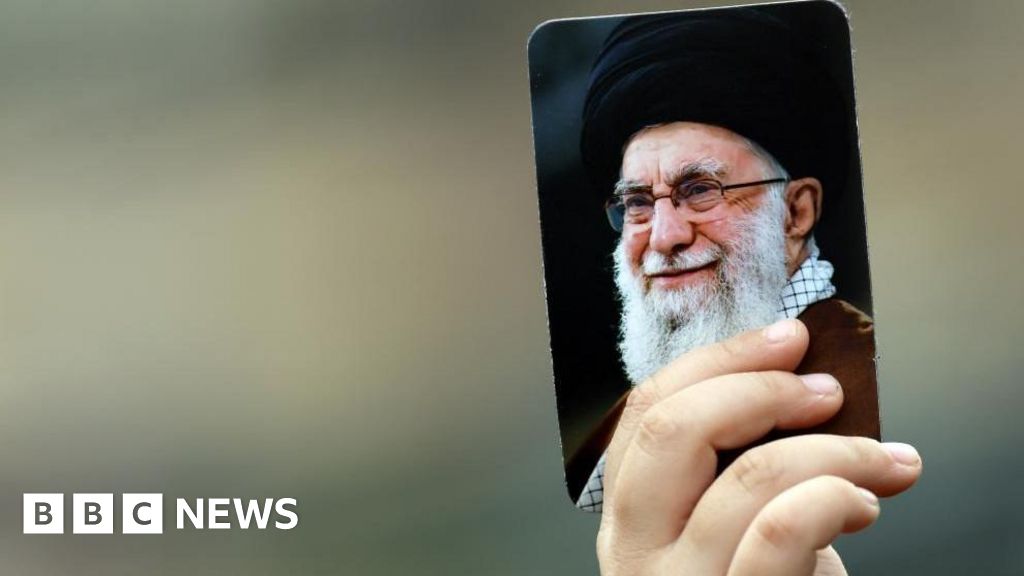
In a time of escalating tension*, Iran finds its leadership deeply engulfed in a crisis of both confidence and security. As US and Israeli strikes persist in targeting strategic sites across Iran, the country’s political and military elites grapple with mounting pressure to maintain stability amidst an uncertain international landscape. This unfolding scenario underscores the profound geopolitical impact of external intervention and the delicate dance of diplomacy in a region fraught with historical grievances and current conflicts.

For years, Iran has been at the center of global strategic calculations, often viewed through the lens of its contentious nuclear program and regional influence. The recent surge in military actions, however, marks a turning point that could redefine regional power dynamics. Analysts from the International Crisis Group and seasoned historians recognize that Iran’s leadership faces a critical juncture, where the decisions made today will ripple through decades to come. These strikes aim to hinder Iran’s nuclear ambitions but also risk provoking a broader conflict, with the potential to destabilize the Middle East further and challenge international norms.

The crisis extends beyond tangible military targets, touching the very fabric of Iran’s societal foundations. Iranian officials are under enormous strain as they seek to project an image of resilience and control, even as internal dissent simmers beneath the surface. Leadership in Iran is acutely aware that their response could either bolster national unity or deepen divisions, all while navigating a complex web of international alliances and enmities. The ongoing strikes serve as a stark reminder of how external actors can influence internal politics, with consequences that resonate across borders and generations.

  • US and Israel assert that their actions aim to prevent Iran from acquiring nuclear weapons, maintaining that such measures are necessary for regional security;
  • Iran claims that these strikes are acts of aggression that violate sovereignty and threaten regional stability;
  • International organizations, including the United Nations, have called for de-escalation, but their influence remains limited amidst escalating tensions;
  • Historic developments, as noted by analysts, suggest that these military actions could accelerate Iran’s pursuit of strategic autonomy, potentially spawning new alliances or rivalries.

As this saga continues to unfold, the geopolitical landscape remains precariously balanced on the edge of a precipice. The decisions made by Iran’s leadership in the coming days will not only shape their nation’s trajectory but also influence the broader quest for stability and influence in a tumultuous region. History’s pen remains poised, poised to record whether this moment sparks the dawn of renewed conflict or the cautious emergence of a fragile peace.
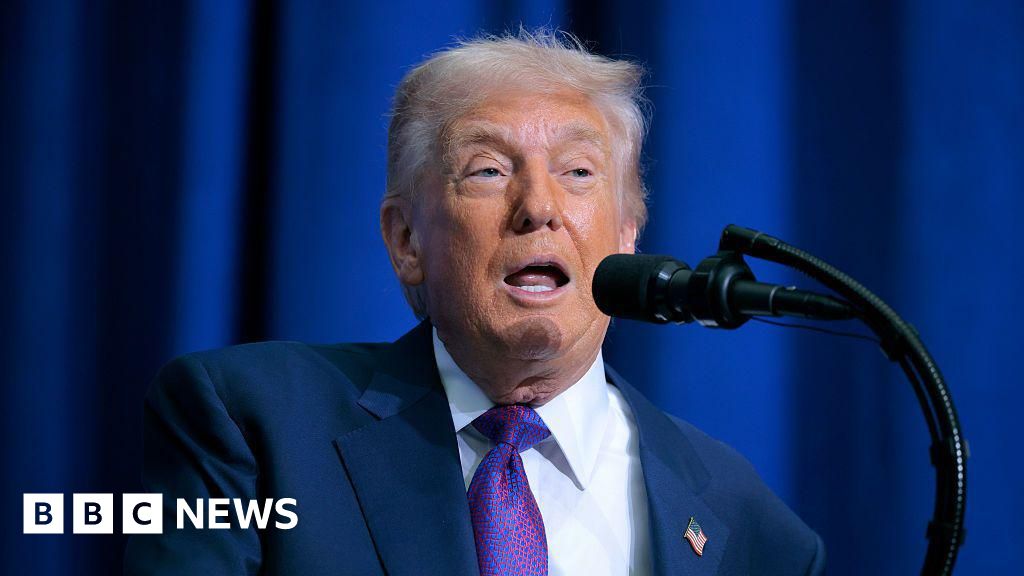
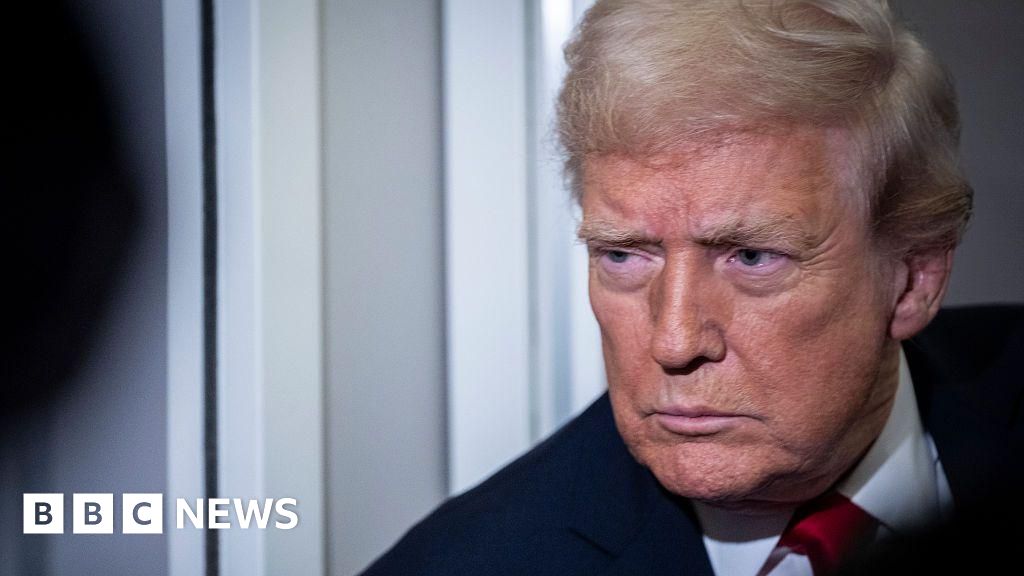
Trump threatens strikes, demands Iran’s deal within 15 days — US warns Tehran

Rising Tensions and Strategic Movements: US Preparedness in the Middle East

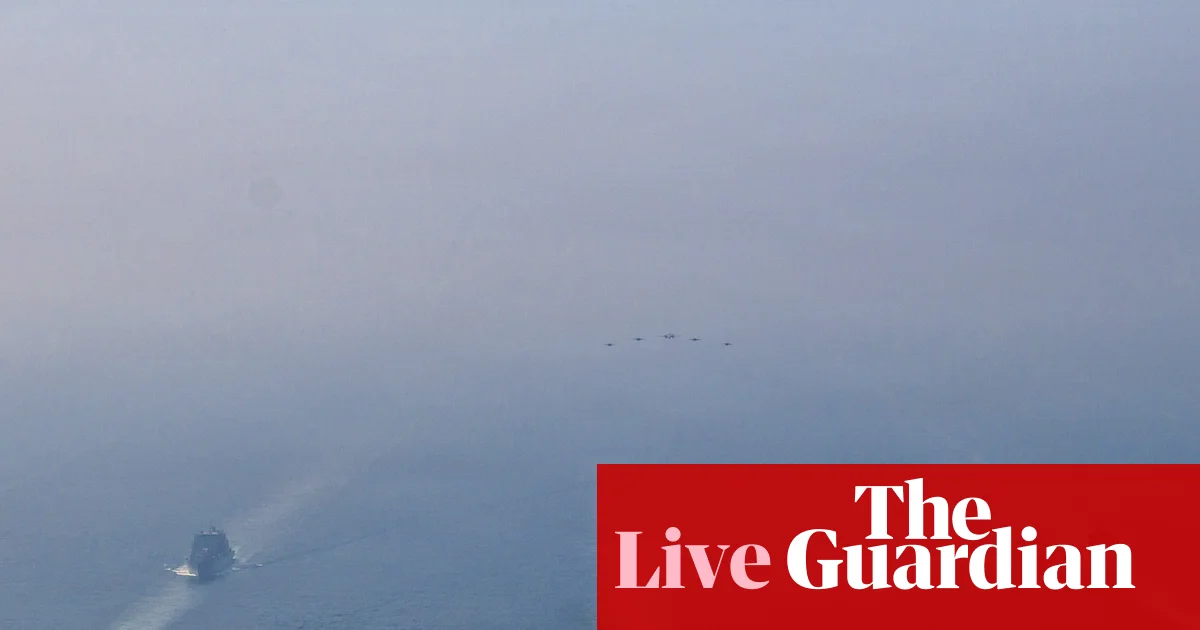
In a clear demonstration of shifting geopolitical tides, the United States has amassed an unprecedented military presence in the Middle East. The deployment of the USS Abraham Lincoln aircraft carrier, along with an entire strike group equipped with F-35 Lightning IIs and F/A-18 Super Hornets, signals a readiness to escalate military options against Iran. For nearly a month, these naval forces have operated in the Arabian Sea, indicating a deliberate strategic posture aimed, analysts suggest, at exerting maximum pressure on Iran. Complementing this buildup, a second carrier, the USS Gerald R Ford, has been positioned in the Atlantic near Morocco, scheduled to traverse the Strait of Gibraltar en route to the eastern Mediterranean—a move that signals a potential for sustained air campaigns against key targets.

This military reinforcement coincides with recent comments by Donald Trump, publicly asserting a two-week ultimatum for Iran to negotiate on its nuclear program. Sources reveal that high-level discussions in Washington have circled around not only limited strikes targeting military or governmental sites but also the possibility of larger-scale operations aimed at dismantling Iran’s nuclear capabilities or even precipitating regime change. Military strategists within the Pentagon have emphasized that these carrier strike groups could generate “several hundred strike sorties a day for weeks,” exceeding even the intensity seen during the brief 12-days war in the Gulf. The precise intentions remain under wraps, yet the message to Tehran is unmistakable: the U.S. is prepared for a decisive escalation if diplomatic efforts falter.

Global Repercussions and the Balance of Power

The geopolitical impact of this military posturing extends far beyond regional borders. Historically, the presence of such formidable naval forces signifies more than mere deterrence; it signals America’s unwavering commitment to safeguarding its strategic interests and allies, particularly Israel. According to analysts from institutions like the Institute for the Study of War and the American Enterprise Institute, the deployment of forces—combined with intelligence movements such as the transfer of six E-3 Sentry Awacs aircraft to Prince Sultan Airbase in Saudi Arabia—indicates a readiness to launch an extensive aerial campaign. This potential for rapid escalation could destabilize the region further, risking wider conflict or drawing previously uninvolved nations into the swirl of wartime politics.

Notably, some military experts warn that the mere show of force might inflame tensions rather than resolve underlying issues. Several senior analysts contend that, given Iran’s robust underground facilities and asymmetric warfare strategies, conventional bombing could prove less effective and more destructive of regional stability. Yet, the Biden administration’s continued military buildup, reminiscent of the post-Iraq invasion surge, hints at an underlying resolve to influence Iran’s nuclear trajectory through maximum pressure. The broader geopolitical ripple effect will likely be felt across energy markets, NATO alliances, and the global balance of power, as nations recommit to the narrative of American dominance and interventionism.

Historical Warnings and the Fragile Path Forward

According to historians and diplomatic experts, the prolonged cycle of threats and military movements carries profound warnings. Since the 2003 Iraq conflict, the Middle East has been a theater where power decisions ripple into prolonged instability—consequences that nations and societies continue to grapple with. The current show of force, framed by some as a “prelude to conflict,” echoes Cold War dynamics and raises questions about the efficacy of military solutions in a complex geopolitical landscape. International organizations have urged restraint, concerned that an ill-judged attack could unleash chaos, destabilize nuclear negotiations, and threaten global energy supplies.

As the world watches the unfolding drama, the weight of history remains heavy on the horizon. Whether diplomatic negotiations will succeed or whether the specter of war will deepen, the decisions made today could define an era. With each carrier deployment and political declaration, a new chapter in the ongoing contest for influence is written—one where the boldest actions might yet carve a scar on history’s fabric, a reminder that in international politics, peace is often a fragile vessel, easily shattered by the weight of impending war.

Trump warns Iran: 10 days to seal deal or face serious consequences

The United States has recently initiated a significant military deployment to the Middle East, signaling a shift in both regional security dynamics and global strategic calculations. This move comes amidst high-stakes negotiations with the Islamic Republic of Iran over its contentious nuclear program. As diplomatic channels strain under the weight of decades-long mistrust, this military reinforcement underscores a broader narrative: the contest for influence and control in an already volatile region is intensifying, with worldwide implications.

The decision by Washington to escalate military presence is viewed by many analysts as a response to recent advancements in Iran’s nuclear capabilities, despite ongoing negotiations seeking a diplomatic resolution. According to experts such as Dr. James Steele, a senior analyst at the International Security Institute, “This surge of forces signals America’s readiness to project power and deter Iran from progressing further towards nuclear armament, which could destabilize entire regions.” The move also aims to reassure regional allies like Israel and Saudi Arabia, which have long expressed concerns about Iran’s regional expansionism and nuclear ambitions. The renewed military presence in key strategic locations around the Persian Gulf has consequently sent ripples through international markets, affecting oil prices and geopolitical alignments.

Historically, such troop movements often serve as a precursor to broader conflict or a reaffirmation of strategic commitments. In this instance, the decision comes at a critical juncture—as diplomacy remains fragile and trust diminishes. The United States is not acting in isolation: its allies in NATO and the Gulf Cooperation Council are watching closely, hinting at a potential escalation in regional security dilemmas. Meanwhile, Iran condemns these actions as provocative, warning that any aggression could be met with decisive responses, heightening fears of a wider confrontational spiral. The actions of Washington and Iran, therefore, underscore the delicate balance—where diplomatic efforts hang by a thread, and the possibility of conflict looms larger than ever.

International institutions and analysts recognize this moment as a turning point—one that could redefine the geopolitical landscape for decades to come. The United Nations and other global bodies have called for restraint, emphasizing that only through diplomatic engagement can peace be restored. Yet, history warns that such calls often go unheeded when national interests clash with the desire for regional dominance. The US and Iran now find themselves at a crossroads, where their choices will have profound implications for the future of international stability, regional sovereignty, and the global order. As the world watches with bated breath, the weight of history presses heavily on this moment—one that could either mark the beginning of a new era of diplomacy or plunge the Middle East into renewed chaos, forever shaping the course of the 21st century.

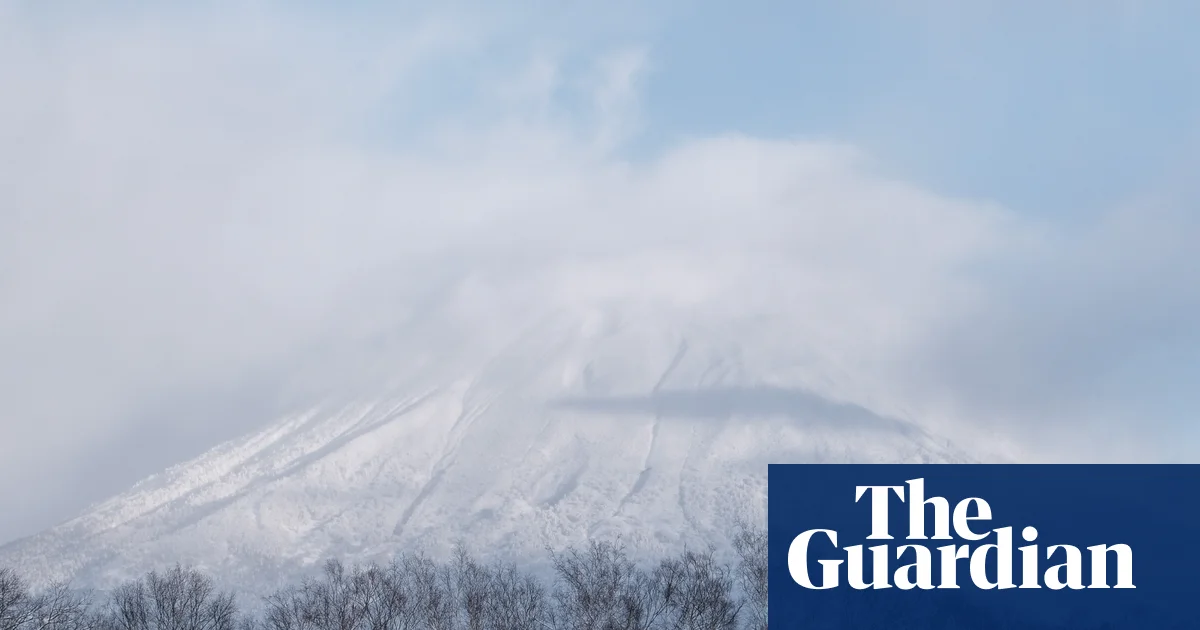
Australian skier dies in Japan days after Queensland snowboarder’s tragic lift fall

Recent tragedies at Japanese ski resorts have spotlighted the nation’s perilous battle with record-breaking snowfall and its broader impact on public safety and international perception. Over the past week, Japan has witnessed a surge in snow-related incidents, including the deaths of a 27-year-old Australian man in Niseko and a 22-year-old Queensland snowboarder at Tsugaike Resort near Nagano. These tragedies, occurring amidst exceptionally heavy snowfall, have reignited debates over Japan’s preparedness for extreme weather and the safety protocols governing high-risk winter activities. As Japan struggles to manage its decomposing rescue and safety systems amid relentless winterouts, the international community watches — not just in concern but also for what these incidents signify within a global context of climate challenges and national security.

Japan’s current record snowfall— with 30 deaths and over 100 serious injuries reported since January 20 — underscores a shift in weather patterns linked to climate change, disrupting daily life and international tourism. The heavy snow has caused delays in train services, road closures, and even temporarily shut down Hokkaido’s main airport, stranding hundreds of travelers. These disruptions pose a significant challenge to Japan’s infrastructure and its reputation as a safe winter destination, a critical sector for the nation’s economy. Analysts warn that if such extreme weather persists, Japan’s capacity to safeguard its citizens and international visitors could be compromised, risking long-term damage to its global standing. Furthermore, as global meteorological patterns shift unpredictably, Japan’s experience serves as a reminder of the mounting pressures on governments worldwide to adapt to unpredictable environmental threats.

On the geopolitical stage, these incidents amplify the importance of international cooperation in disaster management and safety standards. Japan, a key player in regional security and an active member of global institutions like the United Nations, faces increased scrutiny over its handling of natural and man-made crises. The recent ski resort accidents have prompted calls for more robust safety regulations, with authorities pledging to strengthen their safety management systems. However, the recurring nature of such incidents raises broader questions about the effectiveness of Japan’s crisis response amid growing environmental volatility. For global powers and neighbors, Japan’s capacity to face these challenges is intertwined with regional stability; failure to adapt risks creating new sources of tension. As international organizations like the World Meteorological Organization analyze the data, experts warn that climate-driven disasters will only increase, demanding a coordinated global response that transcends national borders.

Historians and geopolitical analysts underscore that these natural disasters and their tragic outcomes are more than isolated events; they are an unfolding chapter of a larger story about humanity’s struggle to confront a transforming planet. What is at stake extends beyond Japan’s snowy mountains: it is a mirror held up to the world, revealing the fragility of progress and the heavy toll of neglect. As nations grapple with the debate over climate action, infrastructure resilience, and international duty, the deaths of individuals—regardless of nationality—serve as stark reminders of the costs of inaction. The shifting winter landscape in Japan is not just a local issue but a Map of the wider global crisis, where the decisions made today will shape the legacy of a new, uncertain era—one in which the weight of history continues to unfold, one snowflake at a time.

Trump releases convicted fraudster just days into prison term

Geopolitical Shifts and the Impact of Presidential Clemency in the United States

In a move that continues to ripple across national and international spheres, U.S. President Donald Trump has once again demonstrated his willingness to influence the judicial process through commuting the sentences of high-profile white-collar offenders. Less than two weeks after reporting to prison, David Gentile, the founder and former CEO of GPB Capital, was released following a presidential decision, drawing sharp critiques from legal and political analysts alike. Gentile’s conviction stemmed from a multi-year scheme to defraud over 10,000 investors, falsely inflating private equity fund performance and siphoning billions from unsuspecting stakeholders.

This incident underscores a broader pattern within Trump’s recent clemency actions, which have seen several individuals convicted of various financial crimes—including wire, securities, and healthcare fraud—receiving clemency or commutation. The White House defends these decisions, asserting that their predecessors, particularly under President Joe Biden, mishandled justice or failed to recognize the full context of these cases. A White House official emphasized that, although information about investor risks was disclosed, the Department of Justice during Biden’s administration labeled GPB Capital’s operations as a “Ponzi scheme,” a claim they contest as misrepresenting the facts.

Experts like international law scholars and geopolitical analysts warn that such executive clemency decisions have wider geopolitical impact, especially as they influence perceptions of American legal consistency and the rule of law. Critics argue that these acts potentially undermine the credibility of the United States’ justice system and embolden political actors and wealthy elites who believe they can leverage connections to escape accountability. While defenders contend that pardons may serve broader political or strategic purposes, the long-term signals sent globally are clear: justice is subject to political discretion, which could diminish the United States’ moral authority on issues of rule of law and fairness.

The case of Gentile comes amid a tense geopolitical environment where international institutions, such as the International Monetary Fund and the World Bank, scrutinize U.S. policies for their influence on global financial markets. Meanwhile, history warns that shifts in American legal norms can have cascading effects across alliances, trade agreements, and global security strategies. As nations observe whether the United States remains a bastion of consistent law or increasingly a playground for political favoritism, the world’s perception of American leadership is likewise at a crossroads. With each presidential decision, the narrative of American justice and power continues to be written—and the world watches, eager to see whether this era signifies stability or further disarray in the geopolitical order.

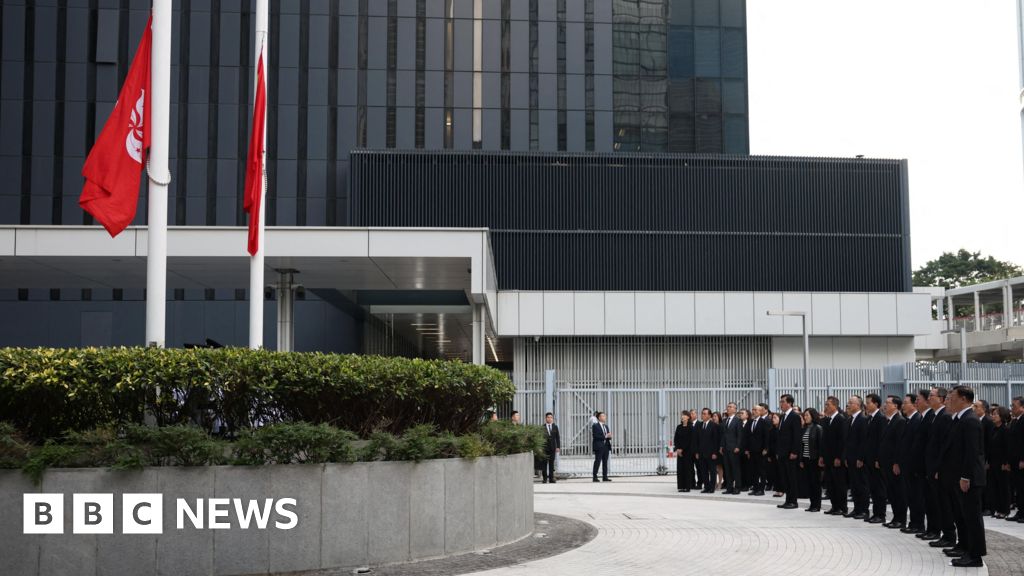
Hong Kong kicks off three days of mourning after deadly apartment fire

The recent devastating blaze at Hong Kong’s Wang Fuk Court has sent shockwaves across the city and beyond, prompting urgent questions about safety, governance, and accountability in one of the world’s most densely populated urban spaces. The fire, which claimed at least 128 lives—making it the deadliest in nearly 80 years—has exposed underlying vulnerabilities in infrastructure management and regulatory oversight that many analysts deem indicative of a broader systemic failure. As residents mourn, officials have initiated a three-day period of official mourning, reiterating the gravity of this tragedy on the national and international stage.

This catastrophe underscores a significant geopolitical impact that extends past Hong Kong’s borders. The city, celebrated for its economic vitality and vibrant society, now faces a crisis that could influence regional stability and perceptions of governance, especially amid ongoing debates about security, corruption, and urban resilience. Authorities have already arrested key figures—including directors of engineering firms and scaffolding subcontractors—on suspicion of corruption connected to the renovation works. Such developments have raised alarms about the integrity of safety inspections and the handling of urban renewal projects, which, according to international standards, should prioritize residents’ safety above all.

Crucially, the aftermath reveals a deeper narrative about how decisions made during modernization and refurbishment efforts can pave the way for tragedy. Public outrage has grown over reports of negligent maintenance, broken fire alarms, and the improper installation of flammable polystyrene insulative materials. The use of bamboo scaffolding, common in Hong Kong, becomes a focal point of scrutiny as investigators probe whether inadequate safety measures and lax oversight contributed to the fire’s rapid spread. Historians and analysts warn that such incidents highlight the peril of prioritizing rapid urban development over sustainable safety protocols, especially in high-risk environments like tower blocks filled with vulnerable residents.

In response to this calamity, international organizations like the United Nations and World Safety Organization are closely monitoring the situation, urging Hong Kong’s authorities to conduct transparent, comprehensive investigations. The potential for international repercussions increases if questions persist about the role of political and economic elites in perpetuating unchecked corruption. The scene at Wang Fuk Court, now a symbol of urban tragedy, also signals a reminder that the path to recovery lies not only in rebuilding infrastructure but in restoring public trust. As Hong Kong grapples with mourning and justice, the broader world watches how this story unfolds amidst a fragile geopolitical landscape, where each decision could shape the future of one of the most strategic regions on the planet. The weight of history presses heavily, and the ongoing response could ultimately redefine the limits of urban resilience and state accountability in a city often seen as a beacon of progress—yet now, a stark reminder of its fragility.

Irish Labourer Buried Alive for 61 Days: The Untold Story in New Documentary

In 1968, the staggering act of Mick Meaney, an Irish laborer, captured the global imagination as he deliberately inscribed his name into history through the most extreme form of endurance: being buried alive for 61 days. This sensational stunt, staged amidst Ireland’s expatriate community in London, symbolized more than just a personal quest for fame—it echoed the relentless spirit of Irish emigrants and the broader struggles of ordinary workers in an era marked by economic hardship and social upheaval. As the world watched, this feat of endurance transcended entertainment, resonating as a testament to resilience in the face of adversity, and igniting questions about the power of individual will in a world driven by geopolitical and cultural currents.

While Meaney’s record remains a moment of youthful bravado, its significance ripples through the corridors of history, where international aspirations and national identity intertwine. Historians and analysts see in such acts a reflection of the times—a period characterized by Cold War tensions, civil rights movements, and the struggle for recognition among smaller nations. The United States, with its own history of bizarre endurance contests and spectacle-driven propaganda, especially through figures like Bill White, helped shape a culture obsessed with pushing human limits for commercial and political ends. Meanwhile, in Europe, Ireland’s diaspora was weaving its own narrative of perseverance, often through hardship and sacrifice, as exemplified by the Irish emigrants working tirelessly across the UK. The act of Meaney, staged with community support and media spectacle, can thus be seen as an emotional bridge linking individual endurance with collective identity and international perception.

More recently, international organizations and geopolitical strategists interpret such historical acts as allegories of resilience amid systemic challenges. As conflicts like the Ukraine crisis or tensions in the South China Sea dominate headlines, the enduring human desire to prove oneself and claim historical significance remains potent. Institutions such as the United Nations emphasize the importance of ‘resilience’—not merely as a trait but as a vital pillar in national security and societal stability. Experts warn that by overly focusing on spectacle or record-setting feats, societies risk neglecting their core challenges—economic development, social cohesion, and sovereignty. Like Meaney’s fleeting fame, today’s geopolitical victories often seem temporary if they lack enduring substance, leaving nations to grapple with the realization that history’s true winners are those who combine resilience with strategic foresight.

As the pages of history continually turn, the story of Mick Meaney remains a stark reminder of the human thirst for recognition amid shifting global tides. His act, once celebrated as the pinnacle of endurance, now serves as a metaphor for the relentless pursuit of national identity and international influence. As new conflicts emerge and old wounds re-open, the weight of those 61 days underground presses down—a silent testament to the enduring truth that human resolve, whether in the form of individual feats or national movements, shapes the course of history. Today, the world watches as nations carry their own burdens, hoping that their sacrifices will forge legacies in the unending, unpredictable saga of global destiny—an unfolding story where the past continually echoes into the uncertain future.

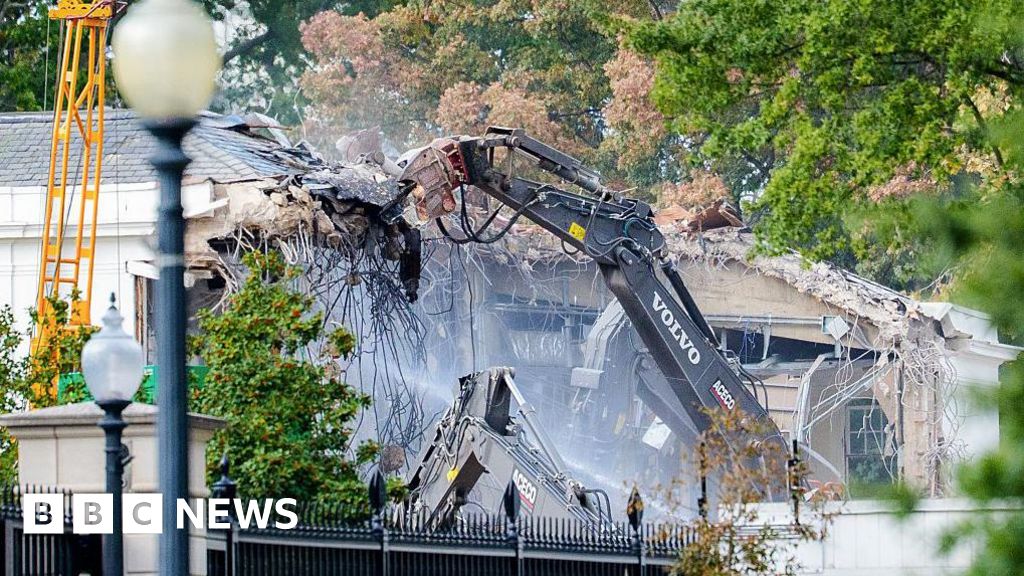
White House East Wing Set for Demolition in Coming Days

White House Renovations and the Implications for Global Power

In a move that echoes great power shifts and raises questions about preservation versus progress, the impending demolition of the East Wing of the White House marks more than just architectural change—it signifies a broader transformation in U.S. political symbolism and internal priorities. Construction crews have begun dismantling parts of this historic structure, with full destruction expected by the weekend, confirming that the Trump administration’s ambitious plan is accelerating despite public outcry. This development not only sparks debate around historical preservation but also highlights how national leaders interpret the legacy and future of what some consider the most iconic residence in the world.

From a geopolitical perspective, this project underscores the importance of how leadership decisions at the domestic level echo on the international stage. The White House, recognized globally as a symbol of American sovereignty, is undergoing a modernization that the Trump team argues is essential for security and technological advancement. However, critics, including groups like the National Trust for Historic Preservation, warn that such actions threaten to erode the cultural heritage that authentication the resilience and continuity of the nation. Prominent historians have weighed in, describing this as a potential lose-lose scenario: either sacrifice historic integrity for modern efficiency or risk alienating a global audience attached to the storied past of the U.S. presidency.

Indeed, the broader implications of the White House renovation extend beyond architecture; they reflect a shift in national identity. The Trump administration’s emphasis on a new ballroom—said to symbolize “the American dream” and the power of prosperity—aligns with a narrative of renewed American confidence. Yet, critics argue that such emphasis on spectacle over tradition could signal a turning point—a transformation where superficial grandeur begins to overshadow the foundational values enshrined within historic institutions. As international analysts observe, this can be read as a metaphor for the current American political climate: a nation grappling with its legacy in a rapidly changing world, where symbol and substance often clash amid the geopolitical tensions with rivals like China and Russia.

While the Trump administration champions the project as a necessary step towards modernization, the **world watches** with a mixture of skepticism and intrigue. The move raises questions about how nations prioritize heritage and security amidst global competition. Global institutions—such as UNESCO—traditionally advocate for the preservation of historical landmarks; however, the United States’ decision underscores the tension between erasing history and forging a new image. As analysts warn of potential diplomatic repercussions, the story unfolding at the White House may yet be remembered in history as the moment when the U.S. chose modernization over tradition. The outcome remains uncertain, but one truth endures: history continues to be written in the crucible of choices, with each decision leaving an indelible mark on the future of nations and societies alike.

Parents fined as their daughter skips nearly 200 days at Stoke-on-Trent school—working parents paying the price for overreach

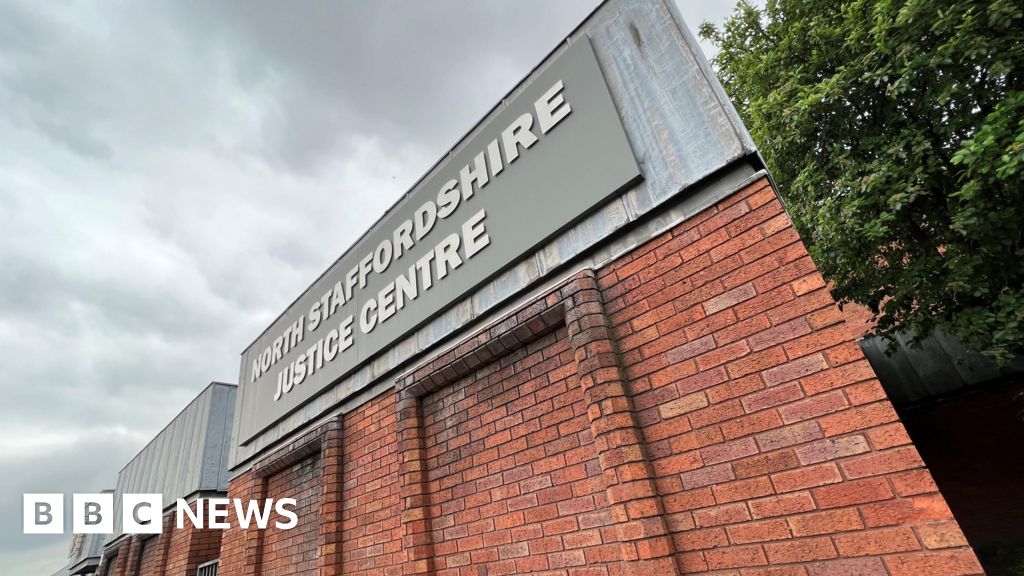
In the heart of North Staffordshire, a recent case exemplifies how social issues are deeply intertwined with education and community wellbeing. A mother and father faced legal repercussions after their daughter accumulated almost 200 unauthorized absences from school within a few months. Despite concerted efforts from schools, charities, and local authorities, the family struggled to ensure consistent attendance, vividly illustrating the intergenerational challenges that plague many contemporary communities. This situation highlights a broader societal dilemma, where the erosion of traditional family support networks and changing social dynamics threaten the foundations of youth development and community stability.

Statistics reveal that such cases are not isolated. The parents, both on benefits, invested significant resources—up to £70 a week—ferrying their daughter to school in taxis, even as the girl refused to participate in community-supported initiatives like a school minibus. Despite offering support, such as alternative transportation and behavioral interventions, the girl’s refusal to engage underscores a social tension — a breakdown in the relationship between children and institutions designed to serve them. Sociologists like Dr. Katherine Newman emphasize that these disruptions often stem from the erosion of social cohesion and the decline of community-based support structures. As families confront economic hardships, mental health issues, and social alienation, their ability to foster consistent discipline and support diminishes, impacting educational outcomes and community cohesion alike.

How do these social issues ripple through families, education, and neighborhoods? They threaten the very fabric of societal stability by undermining the potential of our youth. When families like the one in Staffordshire struggle with attendance and engagement, it becomes increasingly difficult to foster a culture of achievement and responsibility. Educational institutions, often overwhelmed, find it challenging to connect with students who refuse or are unable to attend regularly. As historian David Hackett Fischer pointed out, societal health depends on the strength of its families and the resilience of its community networks. Without these, the cycle of disengagement and low achievement deepens, leaving future generations ill-equipped to navigate societal hurdles.

  • Effective intervention must address social determinants such as economic hardship, mental health, and family stability.
  • Community-based support, including mentoring programs and parental education, can be vital in restoring bonds.
  • Policymakers should prioritize restoring trust in institutions and fostering environments where families feel supported rather than alienated.

Ultimately, this challenge calls for a reevaluation of our social priorities. Instead of merely penalizing families for absences, society must recognize the deep-rooted systemic issues that prevent many from fulfilling their potential. As we reflect on these struggles, it is imperative to remember that the future of our communities depends not solely on policies but on the moral fabric that holds families and institutions together. There remains hope—for transformation, for renewal, and for a society that recognizes the importance of supporting its most vulnerable. The question is whether we will listen to these stories and act decisively, or let society’s cracks deepen into irreversible divides, leaving future generations to pick up the pieces of our neglect.

Optus CEO Faces Tough Days After Singtel Meeting Amid Outage Crisis, Says Anika Wells

Australia’s Telco Crisis Illuminates Geopolitical Stakes in Critical Infrastructure

The recent series of outages plaguing Optus, one of Australia‘s largest telecommunications providers, has sparked immediate national concern and highlighted broader issues surrounding critical infrastructure resilience. The Australian government’s intervention — calling for an external review after two major triple-zero outages within a fortnight — underscores the fragile trust in essential services that underpin civilian safety and national security. Prime Minister Anthony Albanese publicly condemned Optus for “letting down its customers and the nation,” marking a significant moment where private enterprise’s failures impact the entire societal framework.

What elevates this domestic issue to a matter of geopolitical significance is the role of Singtel, Optus’s parent company based in Singapore. The communications minister, Anika Wells, engaged directly with Singtel’s leadership, signaling the importance of international corporate accountability—particularly in an era where digital infrastructure increasingly intertwines with national sovereignty. Analysts argue that such outages, and the subsequent inquiries, serve as a litmus test for whether Singapore’s corporate interests align with Australian security and resilience. Historically, foreign-based companies operating critical infrastructure in allied nations have often become channels through which broader geopolitical tensions are expressed or mitigated.

Deciphering Systemic Challenges & International Ramifications

The outages exposed at least one significant technical vulnerability: a firewall upgrade on September 18th unintentionally disabled emergency call capabilities across multiple regions, including South Australia and Western Australia. Despite assurances that individual human errors contributed, concern remains whether Optus and its parent will undertake comprehensive reforms needed to restore faith. The Australian Communications and Media Authority’s investigation aims to quantify whether such failures are systemic or isolated cases, with Wells warning of “significant consequences” if lapses persist.

In the broader geopolitical context, these events serve as a reminder that critical infrastructure is a battleground where sovereignty and national stability are continually tested. Countries worldwide are increasingly wary of reliance on foreign corporations or jurisdictions that may have competing strategic interests. As geopolitical analysts have pointed out, trust in foreign technology providers can become a vulnerability, especially when national security is at stake. The push for legislation to appoint a triple-zero custodian reflects an urgent desire for sovereignty over emergency services and critical communications—highlighting a critical turning point in Australia’s approach to managing and safeguarding its national infrastructure.

Unfolding Crisis & Lessons for the Global Community

Despite the government’s resistance to larger inquiries, the tone of Australian officials suggests that the outages could have far-reaching consequences. The Labor government’s calculated move to fast-track legislation indicates a clear recognition: trust once broken in essential services can have profound social and political repercussions, both domestically and internationally. The controversy surrounding Wells’s leadership and the ongoing investigation are emblematic of a wider debate about the firm’s ability to uphold national security protocols in an era where technological vulnerabilities can translate into geopolitical vulnerabilities.

As historians and security analysts warn, this episode could serve as a pivotal moment in how nations balance the pragmatism of foreign investment with the imperatives of sovereignty. The looming uncertainty surrounding Optus and Singtel’s future underscores that when the foundations of civil trust are shaken, the course of nations may be altered—for better or for worse—by the decisions made in boardrooms and government chambers alike.

Now, as Australian society grapples with the immediate fallout, the weight of history presses heavier—to remind us that the integrity of our infrastructure isn’t merely a matter of corporate accountability, but a defining frontier in the international contest for influence, security, and sovereignty. The escalating crisis offers a stark warning: in the relentless march of modern geopolitics, invisible lines are being redrawn, with support and resilience of national systems hanging precariously in the balance. The question remains—how many more such moments will it take before the world recognizes that in the shadows of seemingly trivial outages, the future of sovereignty itself is being written?

Social Media Auto Publish Powered By : XYZScripts.com