Matox News

Truth Over Trends, always!

Five Dead in Attack on Paramilitary HQ Highlighting Rising Threats

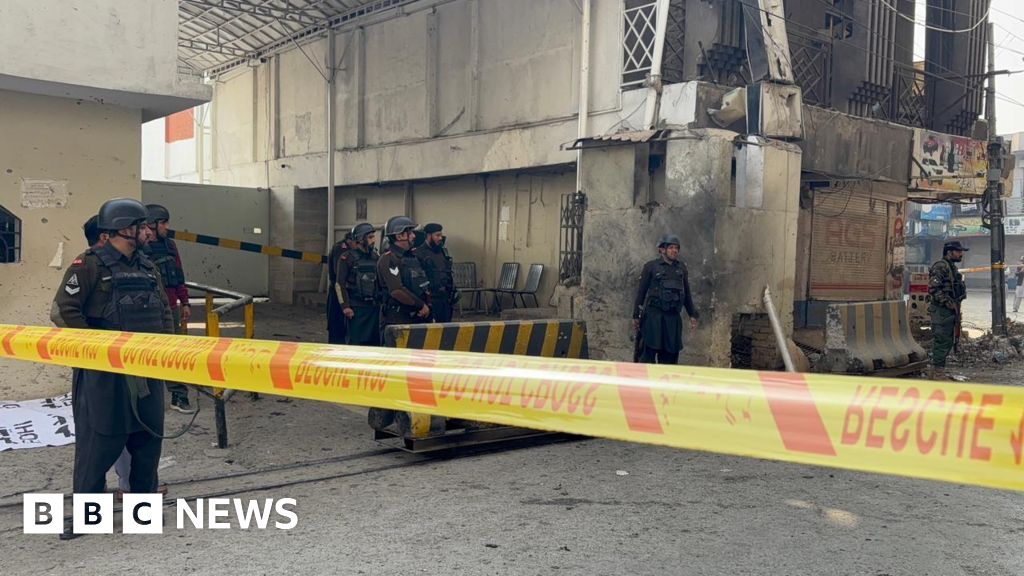
Pakistan witnessed a brazen attack on its security infrastructure this week, as two suicide bombers targeted the headquarters of the Federal Constabulary in Peshawar. The assault resulted in the deaths of three security officials and injured at least twelve others, highlighting the persistent threat of militant violence in the region. Despite the highly secured nature of the facility—located in a strategic and reinforced area—these attackers managed to breach multiple security layers, only to be neutralized at the gate. The incident underscores the **fragility of Pakistan’s internal security** and the enduring influence of militant groups such as the Pakistani Taliban.

Authorities have yet to claim responsibility for the attack, but the proximity of the incident to militant hotspots and historical violence suggests the involvement of insurgent factions operating in the region. Peshawar, in the north-west border province of Khyber Pakhtunkhwa, has long been a conflict zone where militant activities frequently threaten stability. Following the attack, officials described the event as a **”foiled terrorist plot,”** indicating that security forces had previously anticipated or thwarted potential assaults. The acting Prime Minister, Shehbaz Sharif, responded with a firm call for justice, emphasizing that the perpetrators must be identified and brought to account. Such statements echo Pakistan’s ongoing narrative—officially, a determined effort to combat extremism and restore order, but the persistent violence exposes weaknesses that often undermine these vows.

The broader geopolitical impact reaches beyond Pakistan’s borders, especially considering the role of neighboring Afghanistan. Historically, the border region has been a haven for militant groups that exploit the porous confines for sanctuary and operations. Recent years have seen increased tensions and concern that these militant networks could be emboldened by shifts in regional power, especially as international attention shifts elsewhere. Analysts warn that this attack signals an ongoing **security challenge** for Pakistan and a potential destabilizing factor impacting regional stability. The situation also complicates international efforts to stabilize Afghanistan, which remains a fertile ground for movement and logistics for insurgent groups, further threatening neighboring nations.

Experts, including regional security analysts and well-known historians, have consistently warned that the **choices made by Pakistan’s leadership**—particularly in border policy and counter-terrorism—will shape the future of the nation and its place in global geopolitics. The attack also underscores the mounting challenge of balancing militant suppression with broader societal issues such as poverty, political instability, and local grievances that foster insurgent recruitment. As the world watches, the unfolding events in Peshawar serve as a stark reminder: the trajectory of Pakistan’s internal security will continue to influence the broader regional power balance, with rivalries and alliances shifting accordingly. The question remains—*How long can nations maintain a delicate equilibrium amid the chaos of persistent violence?*

In an international landscape filled with unpredictable shifts, the situation in Pakistan remains a potent symbol of the unending struggle against extremism. With history watching and the weight of millions of hopes resting on fragile shoulders, the unfolding story of this attack marks another chapter—one that may well define the course of security, sovereignty, and societal resilience in South Asia for generations to come. As officials scramble for answers and reinforcements, the shadows of past conflicts loom larger, reminding us that in the realm of geopolitics, stability often teeters on the edge of chaos, awaiting its next defining moment in history.
Lebanon blames Israel for deadly attack near Palestinian refugee camp, 13 dead

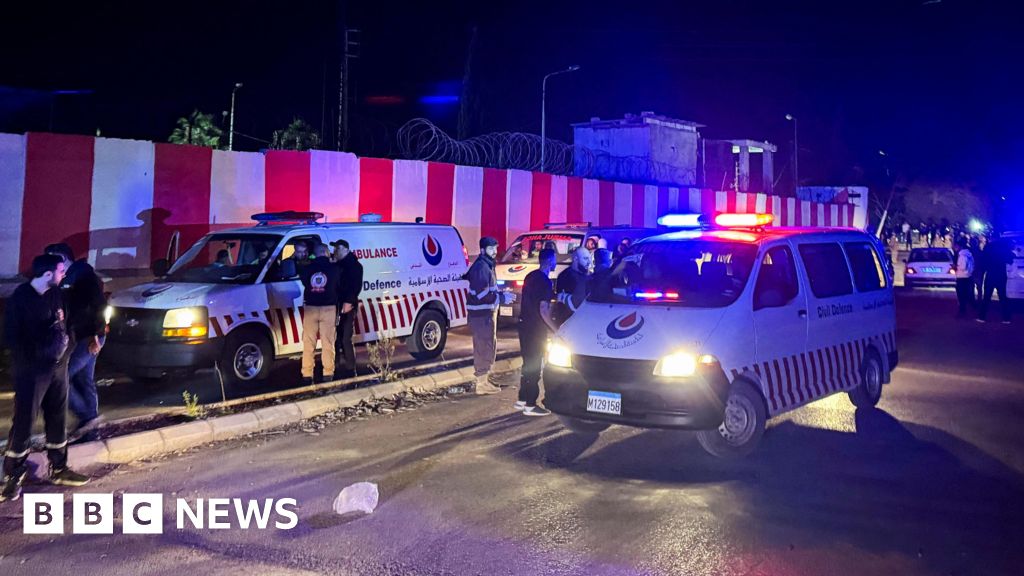
The Middle East remains a flashpoint of conflict, with recent events underscoring the volatility that continues to threaten regional stability and global security. Israel, reiterating its stance against militant groups, launched a strike near the largest Palestinian refugee camp in Lebanon, Ein el-Hilweh. According to Lebanese authorities, at least 13 individuals were killed, with dozens more injured. The Israeli military claimed the target was a Hamas training compound, ostensibly used for planning attacks against Israel, an assertion Hamas vehemently denies, branding it a fabrication and lies. This incident exemplifies how Israel’s technological precision and strategic strikes operate within a complex web of regional alliances and enmities, aiming to weaken militant capabilities while risking civilian casualties.

This violence cannot be viewed in isolation. Since the outbreak of the October 2023 conflict initiated by Hamas’s brutal assault on southern Israel—resulting in approximately 1,200 deaths and multiple hostages—the broader regional picture has deteriorated rapidly. Israel’s military response in Gaza and Lebanon has resulted in devastating civilian tolls, with Palestinian casualties surpassing 69,000, raising alarm among international observers and human rights organizations. Meanwhile, Hezbollah, backed financially and militarily by Iran, intensified its attacks against Israeli targets in a display of solidarity with Palestinians. These actions have pushed the region towards an unstable equilibrium of tit-for-tat violence, with the Lebanese Hezbollah engaging in ongoing hostilities, firing rockets in defense of Gaza, and launching an assault on northern Israel.

Analysts from think tanks and global institutions warn that the geopolitical impact of these escalating conflicts exceeds regional boundaries. They highlight how Iran’s influence and proxy networks have turned Lebanon into a battleground, transforming the Lebanese armed groups into key players in a broader confrontation. The 13-month war culminating in a fierce Israeli offensive in October 2024 has caused the displacement of over 1.2 million Lebanese civilians, sowing chaos and despair. The collapse of Lebanese stability threatens neighboring countries and global markets, especially considering Lebanon’s precarious economic situation. The United Nations and regional powers are calling for restraint, but with conflicting interests and deep-seated hostility, prospects for peace remain distant.

Historian voices and experts warn that decisions made now will carve the contours of future generations’ lives. The ongoing violence—fueling resentment and radicalization—edges the region closer to a broader, perhaps irreversible, rupture. With Israeli officials justifying their strikes as measures to diminish threats, and Hamas and Hezbollah positioning themselves as defenders of Palestinian and Lebanese sovereignty, the battle lines are being redrawn. This relentless cycle of violence exemplifies how international decisions—often made in the shadows—shape societal fate, threatening to plunge the Middle East into deeper chaos. As history unfolds in real-time, it is evident that the weight of these events will be felt long after today’s battles cease, leaving a fractured landscape where hope must fight to survive amidst the wreckage of yesterday’s conflicts.

Nine Dead in Mishap at Kashmir Police Station—Authorities Confirm

Tragedy at Nowgam Police Station Sparks Broader Concerns in Indian-Administered Kashmir

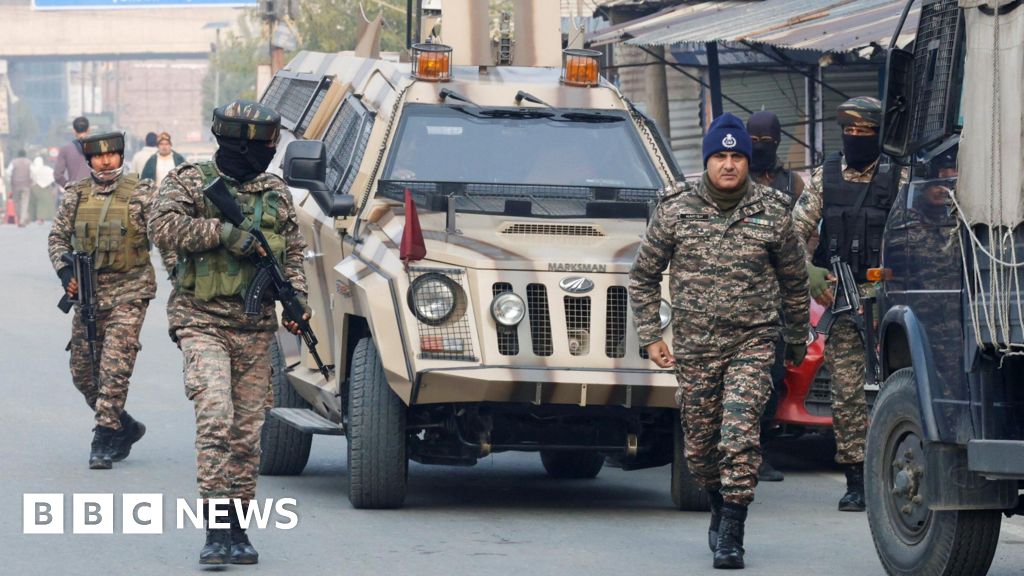
The recent explosive accident at the Nowgam police station in Indian-administered Kashmir has sent shockwaves through a region already steeped in complex, often violent, geopolitical tensions. Official reports confirm that nine lives were lost and 32 others injured after a stockpile of confiscated explosives detonated during handling. Authorities insist this was a tragic accident, not a terrorist act—yet the incident underscores how fragile peace remains in this highly contested territory. The region, long a flashpoint between India and local independence aspirations, often bears the brunt of violence, and this latest mishap adds yet another layer to the ongoing chaos that analysts warn could escalate if not carefully managed.

The explosion’s timing closely follows a recent deadly terror incident in Delhi, where a car blast claimed multiple lives. Such events highlight a disturbing pattern: a region where clandestine conflicts, terrorism, and political unrest intermingle with tragic regularity. The Indian government, under the scrutiny of international organizations like the United Nations and global watchdogs, continues to grapple with balancing security and civil liberties. Experts like Indian historian Dr. Ranjit Verma emphasize that these incidents—whether accidents or acts of violence—are deeply interconnected with the unresolved tensions over the region’s future and sovereignty. Governments and analysts must acknowledge that the more unstable the status quo, the greater the risk of this volatile situation spilling into broader regional conflicts.

The geopolitical impact of these incidents extends beyond Kashmir’s borders, resonating with neighboring countries and global powers. China, with its own interests and territorial claims concerning India and neighboring Pakistan, watches these developments with concern. Meanwhile, Pakistan continues to accuse Delhi of escalating military presence and oppressive policies in Kashmir—factors that significantly contribute to regional instability. The incident at Nowgam serves as a stark reminder of the dangerous heat generated by unresolved territorial disputes, nuclear-armed nations, and extremist factions vying for influence. The international community, especially organizations like the United Nations, faces mounting pressure to facilitate dialogue, but historical skepticism remains. Past failures to broker lasting peace reveal how deeply entrenched these conflicts are and how quickly accidents can spiral into broader crises.

As the dust settles on the Nowgam explosion, the larger narrative of history continues to unfold—one driven by decisions that ripple across nations and societies. The handling of this tragedy will be a crucial test for Indian authorities and international mediators alike. The stakes are high; an escalation in violence could threaten regional stability and undermine decades of diplomatic efforts aimed at peace. As analysts warn, “if miscalculations persist, it could open a new chapter of relentless cycle of violence and mistrust.” In the shadows of this tragedy, the future of Kashmir hangs in the balance, a stark reflection of unresolved conflicts that remain painfully unresolved, yet continue to define the geopolitical landscape of South Asia. The pages of history are turning, and the world watches, knowing full well that in this silent yet deadly arena, the next blow could find echoes far beyond these mountains — forever shifting the course of nations.

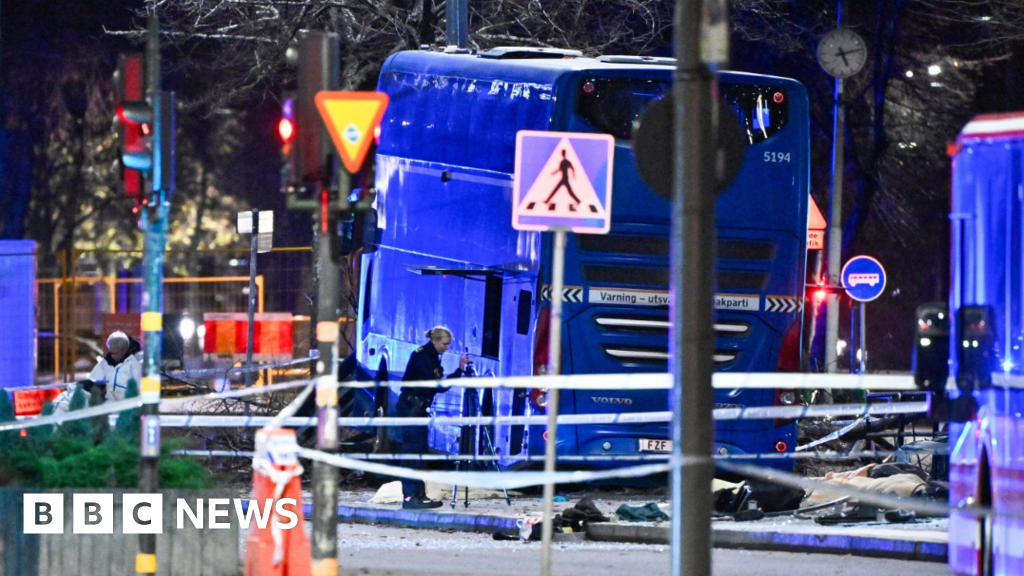
Multiple Dead as Bus Slammed into Stockholm Stop—Tragedy Strikes Again

The recent bus crash in central Stockholm marks a stark reminder of how fragile safety can be amid urban modernity, even in nations often seen as paragons of stability. At approximately 15:23 local time, a double-decker bus violently collided with a bus stop on Valhallavägen, near the esteemed Royal Institute of Technology. Initial reports indicate multiple casualties, with several individuals injured or killed; the full toll remains uncertain as authorities continue their investigations. Swedish police have confirmed the arrest of the bus driver and have launched a manslaughter investigation, emphasizing the gravity of the incident and the need for thorough accountability. While authorities seek clarity, the images emerging from the scene—rescues helping trapped victims—highlight the immediate human tragedy beneath the unfolding crisis.

This incident underscores the yet-unresolved challenges faced by European nations in maintaining robustness and safety within densely populated urban centers. Analysts point out that while Sweden has traditionally boasted high standards of living and effective governance, recent episodes—be they accidents or geopolitical shifts—expose vulnerabilities that cannot be overlooked. Some experts argue this tragedy might amplify calls for stricter safety protocols and infrastructure reviews, particularly on high-traffic routes. The location near a prominent university also raises questions about urban mobility, sidewalk safety, and emergency preparedness—areas where many European cities are trying to modernize amid mounting pressure to sustain societal resilience. Meanwhile, the international community observes closely, wary of potential repercussions for public safety policies across Europe, especially in the face of broader security concerns.

Looking beyond Stockholm, this event resonates with the global significance of how decisions shape societal safety. As noted by international infrastructural watchdogs and historians, the aftermath of such crises often prompts a reassessment of transportation safety, emergency response readiness, and government accountability. Institutions like the European Union are called upon to evaluate potential vulnerabilities in member states’ urban environments, advocating for preventive measures that could avert future tragedies. Moreover, the incident sparks reflection on how societal pressures—rising immigration, urban congestion, and political stability—interact with everyday safety issues. In this context, the tragedy becomes more than a localized accident; it symbolizes broader societal tensions and the imperative for prudence in policymaking.

As the world watches projections of geopolitical shifts and national stability, the Swedish tragedy leaves an indelible mark—a stark reminder that history remains in the making, written in moments of chaos and crisis. With each unfolding detail, the shadow of uncertainty lingers, calling into question whether societies are prepared to confront these vulnerabilities or if future calamities will continue to unfold just like this: suddenly, violently, and painfully. In the end, the lessons drawn here will echo through time, emphasizing that the true strength of nations is measured not in their peaks of prosperity but in their resilience against unforeseen upheavals. The weight of history, heavy and unyielding, continues to press down on Stockholm—waiting for a response, waiting for a new chapter to begin.

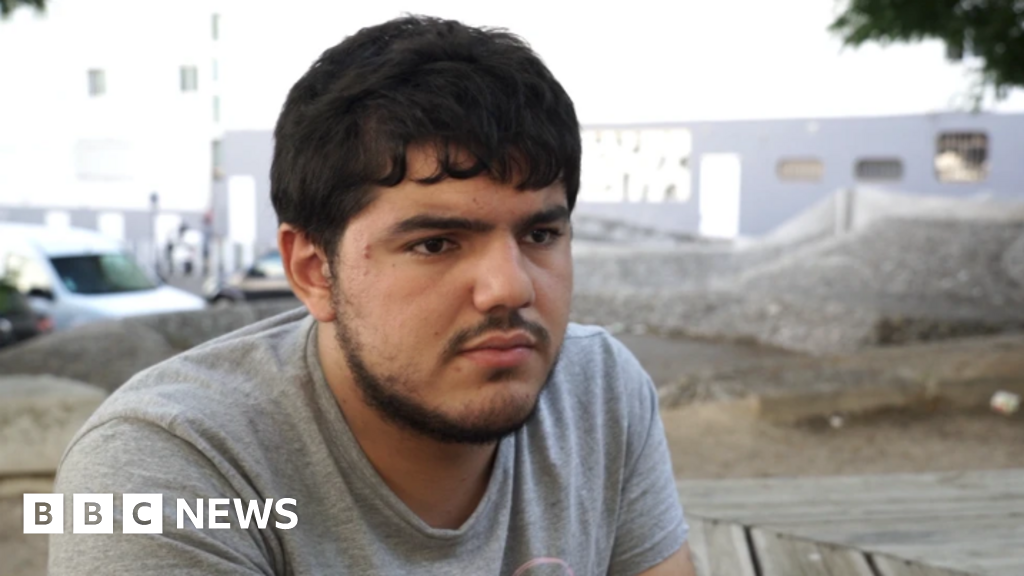
Second brother of French anti-drugs activist shot dead in Marseille—another tragic blow to the fight against crime

Marseille Violence: The Tragedy of Gang Warfare and Its Global Implications

The recent brutal murders in Marseille, France, underscore a critical escalation in urban violence, with profound geopolitical repercussions that extend beyond local boundaries. The killing of two brothers from the same family—Brahim in 2020 and now Mehdi in 2023—illuminates the destructive power of organized crime and its enduring grip over the city’s most vulnerable communities. The tragic pattern, with youth as young as 15 pulled into violent vendettas, serves as a stark reminder of the erosion of social stability within Western nations, challenging political leaders and law enforcement agencies alike. The fact that a young anti-drugs activist, Amine Kessaci, whose work aimed to mitigate this chaos, receives death threats underscores an unsettling turning point—a confrontation with the fracture lines in French society and the wider Western world.

Marseille’s endemic violence is emblematic of a broader uprising of urban insurgencies affecting many Western city-states. As gangs continue to carve out turf within high-immigration neighborhoods, their warfare spills into street-level shootings, often occurring in broad daylight, as seen with Mehdi’s murder by motorcycle gunfire. Local authorities acknowledge that these crimes are not isolated; they are part of a harrowing cycle of revenge and territorial disputes, often fueled by drug trafficking networks that have entrenched themselves in the city’s fabric. The European and international community, including analysts and historians, highlight that such violence threatens the very fabric of civil society, prompting urgent calls for comprehensive reforms. Yet, the persistence of these conflicts raises uncomfortable questions about how nations can reform immigration, law enforcement, and social policy to prevent a slide into lawless chaos.

The Shadow of Organized Crime and Political Reckoning

  • The murder of Brahim, linked to drug gang vendettas, encapsulates the threat posed by criminal organizations that often operate with impunity and difficulty for authorities to dismantle.
  • Mehdi’s murder, seemingly unrelated to gangs, is feared to be a warning aimed squarely at Amine, whose outspoken activism and political ambitions made him a target—symbolizing how criminal violence intersects with political activism.
  • Amine’s establishment of Conscience, an NGO dedicated to aiding families affected by drugs violence, underscores a new wave of civic activism aimed at combating these structures from within.

Such developments signal a warning of a wider societal breakdown, with international watchdogs cautioning that, without decisive action, these localized conflicts could spiral into a broader crisis of governance and security. The French government’s response, characterized by police protection for activists like Amine, reflects a recognition of the seriousness of these threats. Still, critics argue that current policies lack the strategic depth needed to truly unravel the roots of criminal networks. The European Union and other international bodies continue to monitor the situation, with some alarmed by the increasing youth involvement in gangs—an issue that threatens to undermine future generations’ prospects and social cohesion.

Consequences for Europe and Beyond

The violence in Marseille epitomizes a continuing challenge for EU nations attempting to balance multicultural integration with national security. As analysts point out, the situation could serve as a harbinger for similar strains across other European borders, especially in cities with large immigrant populations. The ongoing crisis also raises questions about international cooperation—whether global institutions will rise to the occasion or become overwhelmed by the complexity of such urban war zones. The historical perspective warns that neglecting these issues risks turning once-thriving urban centers into lawless enclaves, where de facto warlord rule replaces civil authority, echoing patterns seen in failed states worldwide.

As history unfolds, the death of Mehdi and Brahim Kessaci will be remembered not only as isolated tragedies but as symbols of a war within cities that threaten to rewrite the social contract. The weight of this moment challenges leaders and societies to confront uncomfortable truths about governance, integration, and the true cost of neglecting the roots of urban decay. The future remains uncertain—balancing on the precipice of change, where each decision could either mend a fractured society or plunge it further into the shadows of chaos. History, it seems, is still writing its darkest chapters, and the fate of Marseille may well serve as a cautionary tale for cities worldwide struggling beneath the weight of their own internal conflicts.

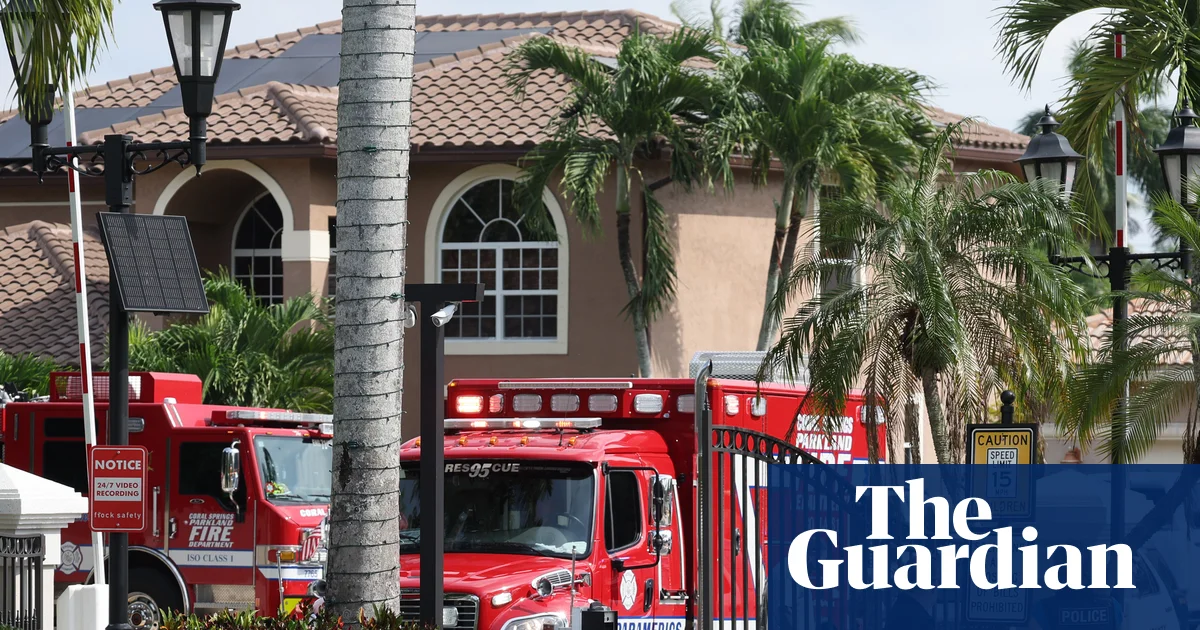
Tragedy strikes: Two dead after small plane crashes during hurricane relief trip to Jamaica in Florida

The recent crash of a small turboprop plane in Coral Springs, Florida has sent shockwaves through a region still reeling from the devastation wrought by Hurricane Melissa. The incident, which resulted in the tragic deaths of two individuals shortly after the aircraft took off on a hurricane relief mission, highlights the lingering vulnerabilities faced by communities in the Caribbean and their diaspora in the United States. While initial reports indicate no damage to nearby homes, the debris trail leading to a pond underscores the dangerous hazards associated with unregulated or poorly documented relief flights in post-disaster zones.

Analysts point out that the crash’s timing and context are significant, reflecting ongoing geopolitical realities. The plane, a vintage Beechcraft King Air registered to International Air Services, had made multiple recent trips to Jamaica—an island still recovering from the wrath of Melissa, which made landfall as one of the strongest hurricanes in Atlantic history. The fact that the aircraft operated through a company known for trust arrangements for non-US citizens indicates complex international aviation logistics, possibly aimed at circumventing regulatory oversight. This incident raises questions about how international relief operations are coordinated and the safety standards adhered to during these missions.

The geopolitical impact extends beyond mere accident statistics. Jamaica, a nation of strategic geopolitical importance amidst escalating tensions between global powers, relies heavily on international aid and diaspora support. The devastation caused by Melissa—leaving over 90,000 families displaced and thousands in shelters—has strained local resources, and aid efforts have become a focal point of regional diplomacy. The US’s role, whether through humanitarian missions or private relief contractors, becomes part of a broader contest for influence, especially as emerging nations seek to expand their footprint in Caribbean assistance and recovery. The crash consequently underscores a broader need for coordinated international oversight, lest relief efforts become entangled with geopolitical rivalries or neglect safety protocols in pursuit of quick aid delivery.

Meanwhile, local communities and international organizations are grappling with the immediate aftermath. Emergency responders, as described by officials like Mike Moser, responded swiftly, but the debris and fuel spill have created environmental and safety concerns. The ongoing investigation by federal aviation authorities aims to uncover whether mechanical failure, pilot error, or regulatory lapses contributed to the crash. Historically, experts like aviation safety analyst Dr. Raymond Chen warn that in the hurried rush to assist disaster zones, safety often takes a backseat, risking further tragedies. As authorities maintain a heavy police presence and continue evidence collection, the incident functions as a stark reminder of the fragile interface between aid, safety, and geopolitics in regions vulnerable to natural catastrophes.

As the world observes, this event underscores how aircraft, often seen as mere tools of aid, are also symbols of broader international dynamics. The hurricane’s aftermath, with Jamaica still in recovery, reflects the unending story of resilience underscored by vulnerability—a narrative that history keeps writing with each new chapter. The toll of Melissa, compounded by the tragedy in Florida, leaves a haunting question: in an era of rapid geopolitical shifts and climate turmoil, how will nations navigate aid, safety, and sovereignty? The weight of history presses heavily on the horizon, and as this unfolding drama continues, the global community watches, waiting for answers that could redefine the boundaries of international cooperation amid adversity.

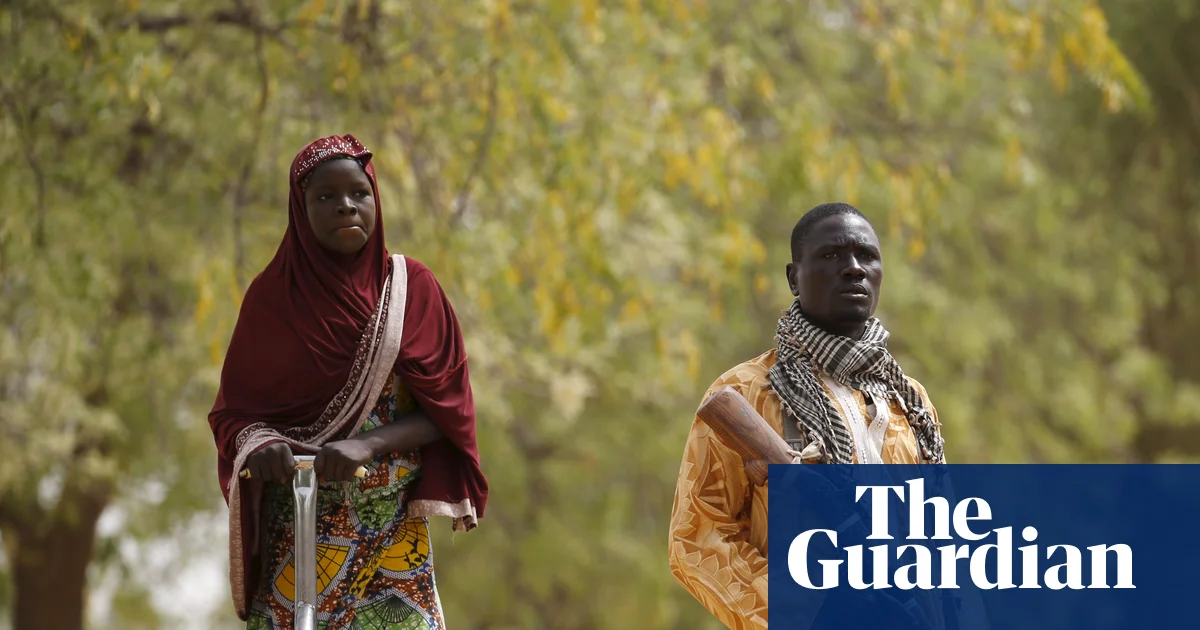
Clashes in Nigeria’s northeast leave around 200 dead in violent terrorist skirmish

The ongoing insurgency in Nigeria has entered a new and dangerous chapter, with recent clashes between rival jihadist factions causing significant loss of life and further destabilizing the fragile region. Reports indicate that as many as 200 terrorists were killed in a fierce confrontation between Boko Haram and Islamic State West Africa Province (ISWAP) in the village of Dogon Chiku, situated along the shores of Lake Chad. This area—at the crossroads of Nigeria, Niger, Chad, and Cameroon—has long been a battleground for non-state actors vying for control over territory, influence, and economic resources.

Over the years, Lake Chad’s receding waters—having shrunk over 90% since the 1960s—have fundamentally altered the power dynamics in the region. As land routes and operational zones open up amid the shrinking shoreline, jihadist groups like Boko Haram and ISWAP are engaged in a relentless struggle for dominance. Analysts warn that this violent turf war isn’t just about local control; it reflects a broader competition for regional influence, with the potential to destabilize the Sahel and undermine fragile state institutions. The recent clash indicates a shift in the ongoing power struggle, with potentially the deadliest confrontation yet. Experts such as military analysts and international entities observe that ISWAP, once considered the more resourceful and organized faction, now faces serious setbacks amidst Boko Haram’s persistent efforts to maintain control of the Lake Chad basin.

  • The conflict has seen frequent raids and skirmishes, with the latest fighting reportedly resulting in one of the highest death tolls for ISWAP, including the loss of several boats used in the attack. The Nigerian vigilante Babakura Kolo confirmed that approximately 200 ISWAP terrorists were killed, highlighting the brutal nature of the engagement. Such clashes typify a brutal fight for territory where economic interests—such as taxing fishers, loggers, and herders—are intertwined with ideological and political motives.
  • It also signals an intensification of intra-jihadist rivalry, echoing broader trends observed by analysts and even some international organizations. The UN Environment Programme has documented how the environmental degradation of Lake Chad fuels conflicts, as the environmental crisis exacerbates scarcity, forcing groups into violent competition over diminishing resources.
  • Historically, these factions emerged from splits within Boko Haram, a group that, since the death of its founder Mohammed Yusuf in 2009, has inflicted immense suffering on Nigeria’s largely Muslim north-east, including the abduction of schoolgirls and attacks on civilian populations. The death of Abubakar Shekau, Boko Haram’s notorious leader, marked a turning point, but violence persists as factions continue to vie for influence. Recent operations, including Boko Haram’s raids on ISWAP bases, demonstrate the volatile state of affairs, with scores of fighters killed on both sides.

The geopolitical impact of this intra-jihadist struggle extends beyond Nigeria’s borders, echoing across the Sahel region and drawing concern from international actors. Governments and organizations warn that this chaos could serve as a catalyst for broader instability, fostering radicalization and inspiring other militant groups nearby. The United Nations, though primarily focused on humanitarian aid, recognizes that these conflicts threaten regional security and economic development. As countries grapple with the ramifications, the ongoing clashes serve as a stark reminder of how environmental decline, weak governance, and the appeal of extremist ideology converge to create a tinderbox that threatens to ignite a much larger conflagration. In this moment, history bears witness to the fierce struggle for control—one that could determine the trajectory of security and stability in Africa for decades to come.

Tragedy on the Streets: Street Racer Hits Crowd at Tampa Bar, 4 Dead, 13 Injured

The High Cost of Reckless Driving: A Tragedy on Tampa’s Streets

In a stark reminder of how wellness and safety can be shattered in an instant, Tampa, Florida recently faced a devastating incident resulting from reckless driving. Early Saturday morning, a police chase that initially aimed to curb street racing spiraled into tragedy when the suspect’s vehicle, after several attempts to evade authorities, lost control and collided with a beloved local bar, Bradley’s. The aftermath: four lives lost and over a dozen injured—an event that leaves the city grappling with grief and questions about justice and safety.

The Tampa Police Department described the scene as “senseless,” underscoring the destructive path that impatience and recklessness can carve through a community. After being spotted by aerial surveillance around 1 a.m., the suspect — a 22-year-old man — was relentlessly pursued across city streets. Despite attempts at a PIT manoeuvre, a police tactic often scrutinized for its danger to bystanders, the driver continued to accelerate, ultimately losing control and crashing into the outdoor patio of a popular LGBTQ+ venue, Bradley’s. The incident highlights a critical tension in law enforcement: how to balance pursuit tactics with the imperative to protect innocent lives, as outlined in recent federal safety reports advocating for less dangerous chase techniques.

While the immediate tragedy unfolded at a venue frequented for its community, the broader narrative extends beyond the specifics of this incident. It raises essential conversations about <a href=”https://portal.cops.usdoj.gov/resourcecenter/content.ashx/cops-r1134-pub.pdf” target=”_blank”>personal responsibilityurban safety, and the importance of cultivating responsible driving habits that preserve free movements$> and prevent catastrophic outcomes. Wellness experts like Dr. Michael Gervais advocate for cultivating focus and mindfulness, especially in high-stakes situations, asserting that a shift in societal mindset—from reckless thrill-seeking to conscious respect for safety—can alter outcomes and foster healthier communities.

  • Prioritize wellness initiatives that encourage responsible driving and community safety awareness.
  • Support policies and technology aimed at reducing street racing and dangerous pursuits.
  • Promote mental health resources for young adults, addressing the underlying causes of impulsive behaviors.

In reflecting on this event, one recognizes that the journey toward well-being and community integrity is ongoing, demanding both accountability and compassion. The narrative of Tampa’s tragedy is a reminder that lifestyle choices extend beyond the individual—they ripple across the fabric of society, shaping environments where resilience and responsibility can flourish. As the city mourns and seeks justice, it also reaffirms a collective commitment to embracing the values that champion life, safety, and personal growth.

In this quest for a better future, it is through hard truths and shared resolve that communities find their way back toward hope. The story of Tampa challenges each of us to be vigilant and committed to fostering environments where life and leisure can coexist safely, inspiring a new chapter where every journey is one of purpose and personal impact.

Storm Devastates Philippines, 26 Dead as Chaos Unfolds

Natural Disasters and Geopolitical Implications in Southeast Asia

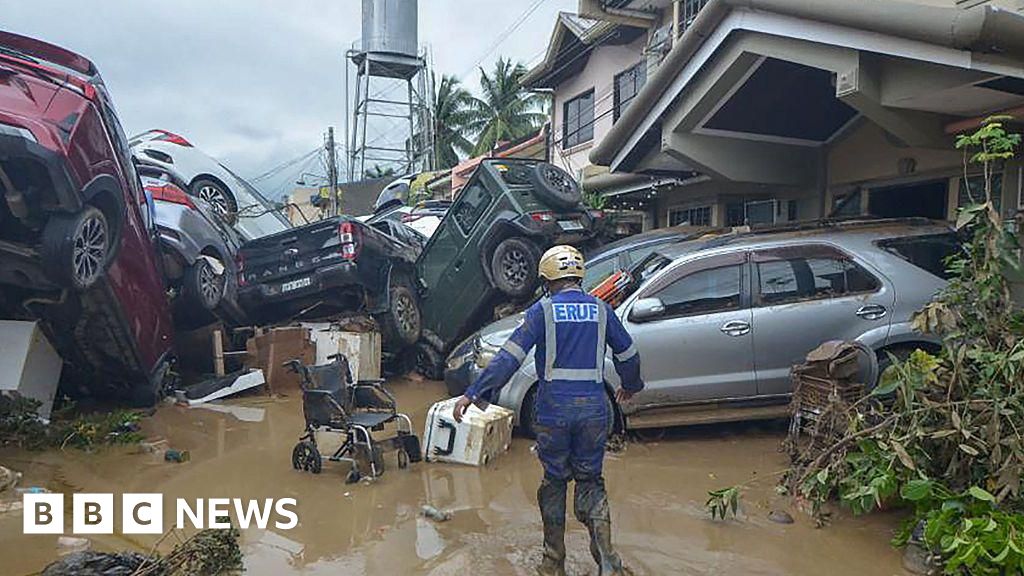
The recent onslaught of Typhoon Kalmaegi (locally named Typhoon Tino) has delivered a harrowing reminder of nature’s relentless power, devastating the central Philippines with widespread flooding, numerous fatalities, and displaced communities. With at least 26 confirmed deaths and hundreds of thousands fleeing their homes, this storm underscores the vulnerability of nations in the Pacific basin, especially amid a rising climate crisis. While the immediate tragedy is palpable, the event also spotlights the broader geopolitical and societal repercussions for a country already strained by repeated natural calamities.

Analysts and environmental historians warn that the frequency and intensity of such storms are likely to increase due to climate change, which disproportionately affects developing nations like the Philippines. The storm’s impact on Cebu—an economic and cultural hub—has been catastrophic, with entire towns submerged and infrastructure shredded by floodwaters. Rescue efforts reveal a strained system, with boats navigating muddy waters and aid temporarily halted as a military helicopter crashed, tragically killing all six crew members onboard. The incident emphasizes the *urgency* of enhancing disaster preparedness and resilience in Southeast Asian nations facing the dual challenges of climate change and geopolitical instability.

Human Cost and Political Response

  • Most fatalities resulted from drowning, as floodwaters surged through towns, washing away buildings and normalcy.
  • Relief operations faced setbacks, with helicopter crashes and communication failures revealing gaps in emergency management.
  • Local leaders, such as Cebu’s governor, described the situation as *unprecedented*, highlighting the water’s devastating role — not merely the wind.

In this context, international organizations like the United Nations and Asian Development Bank have called for increased aid and comprehensive climate adaptation strategies. However, critics argue that *corruption and inadequate infrastructure* hamper effective response and recovery. The months leading to this disaster saw protests over substandard flood control measures, exemplifying how *poor governance* exacerbates human suffering. As the Philippines remains besieged by a relentless succession of typhoons—Super Typhoon Ragasa (Nando) and Typhoon Bualoi (Opong)—it exemplifies what many global analysts call a *”climate-vulnerable society at the mercy of nature’s fury.”*”

Global Geopolitical Ramifications and Future Outlook

This relentless string of natural disasters has broader geopolitical implications. Southeast Asia, an increasingly strategic region, faces the challenge of balancing sovereignty with external aid and influence. Some nations, including the United States and China, have stepped up humanitarian assistance, yet critics contend that dependence on foreign aid can undermine national sovereignty and threaten regional stability. Former geopolitical analyst Matthew Thompson warns that prolonged disasters could distract \ the Philippines from asserting a stronger regional role, while also questioning whether local governments are prepared for the *next* inevitable crisis.

As the Philippines mourns and rebuilds, the world must recognize the *deeper significance* of these ongoing natural tragedies. They are not merely acts of weather but a profound *test of resilience* and governance. The unfolding saga of Typhoon Kalmaegi, amid mounting climate concerns and geopolitical shifts, leaves humanity confronting an uncertain future where the line between natural cataclysm and human failure grows ever thinner. This chapter in history, still unwritten, charges the international community to rethink its priorities before the next wave hits—with consequences that could shape the very fabric of societies for generations to come.

Rio Police Raid Leaves Over 130 Dead: A Tough Stand Against Crime

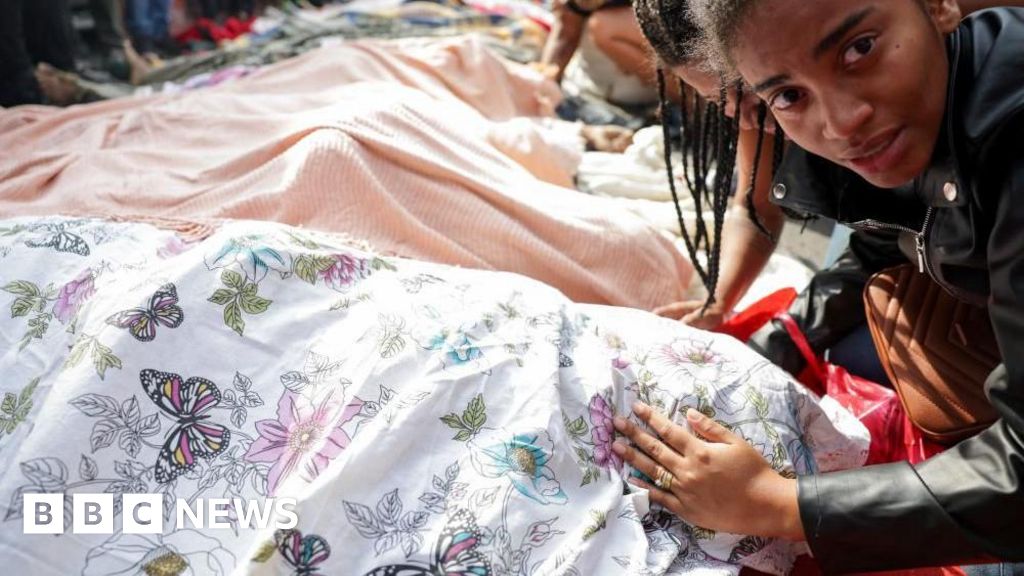
The recent police operation in Rio de Janeiro has sent shockwaves not only across Brazil but across the global geopolitical stage. In a raid that resulted in the deaths of at least 132 civilians, authorities targeted the notorious gangs that dominate the city’s favelas, revealing a complex and violent struggle for control that extends well beyond local law enforcement. The operation, which involved meticulous planning and high-profile arrests, underscores a broader challenge faced by Latin America: the persistent, deeply rooted problem of narco-terrorism. As international observers and human rights organizations voice their concerns, the incident highlights how the fight against organized crime here is intertwined with national sovereignty and international security.

Adding fuel to the fire, global agencies like the United Nations Human Rights Office issued statements condemning the scale of violence, describing the operation as “horrifying” and a stark reminder of the brutal realities facing many urban centers entrenched in the war on drugs. The police claimed that gang members utilized modern drones to drop explosives, exemplifying the evolving nature of organized crime in a digital age. Rio’s governor, Cláudio Castro, framed the operation as a strategic move against what he characterized as narco-terrorism, emphasizing that the police had been thorough in planning, aiming to decimate the Red Command—a powerful cartel that has recently regained territory from rivals like the First Capital Command (PCC). However, critics argue that such heavy-handed tactics risk escalating violence and undermining civil liberties, raising questions about the right balance between security and human rights within Brazil’s democratic framework.

Many analysts, including historians and crime experts, view this event as a key inflection point for Brazil’s internal security politics. Rafael Soares, a prominent journalist covering organized crime, suggests that the operation is also a strategic move on behalf of the state to make a political statement ahead of upcoming elections. He points out that fierce territorial disputes between rival gangs in Rio have become increasingly violent, fostering a climate of lawlessness that prompts major cities worldwide to scrutinize their own approaches to urban crime. These tensions are compounded by environmental and social concerns, as the operation comes just before the city hosts the C40 World Mayors Summit and the Earthshot Prize—events that symbolize global efforts for sustainable urban development. Thus, the outcome of this police actions has the potential to influence international perceptions of Brazil’s future stability and the credibility of its leadership on the world stage.

As the dust begins to settle, the world must confront the stark truth: the struggle for control in Rio de Janeiro is a microcosm of broader geopolitical conflicts—one where power, influence, and resources are fiercely contested in the shadows of justice. This relentless cycle of violence and intervention leaves history’s gaze fixed on a city caught between chaos and order, its fate hanging in the balance. With the international community watching, the question remains not just about the fate of the gangs or the city’s residents, but about the moral and strategic dilemmas facing governments fighting to preserve sovereignty amidst the chaos of the 21st century. The battle for Rio’s soul continues, and history’s ink is yet to fully write its final chapter.

Social Media Auto Publish Powered By : XYZScripts.com