Matox News

Truth Over Trends, always!

Eleven Dead in Gaza Strikes as Rescuers Respond

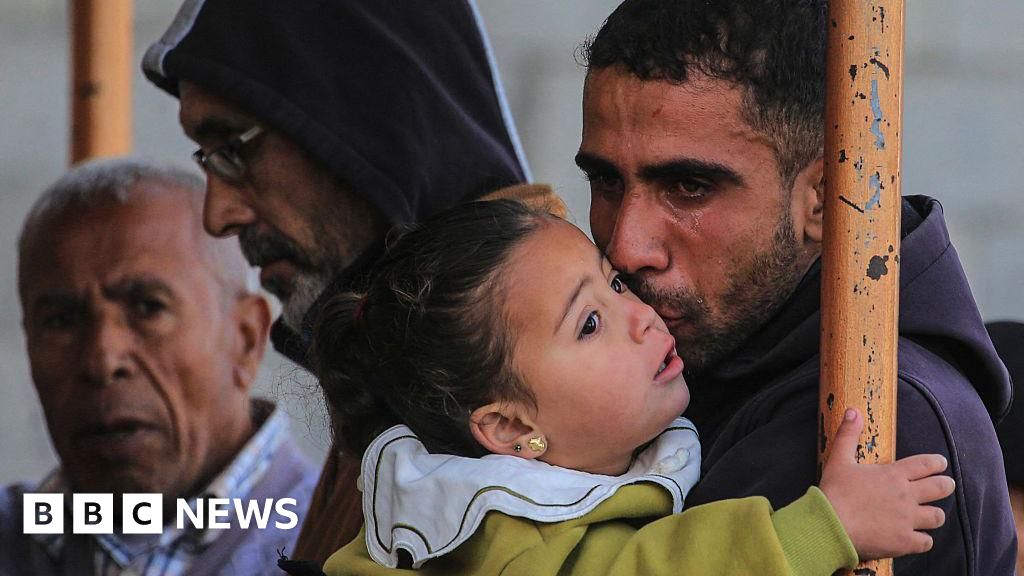
The Palestinian Red Crescent has reported a devastating incident in northern Gaza, where a strike on a tent encampment resulted in at least six fatalities. This tragic event underscores the ongoing volatility in the region, highlighting how seemingly isolated acts of violence continue to escalate an already dire humanitarian crisis. As the conflict persists, the implications extend far beyond immediate casualties, affecting the geopolitical stability of the Middle East and challenging the global community’s efforts to foster peace.

In recent days, international observers and regional analysts have been vocal about the destabilizing consequences of such attacks. Historical commentators warn that these incidents threaten to perpetuate a cycle of violence that risks drawing neighboring states into a broader conflict. Meanwhile, agencies like the United Nations have expressed concern over the worsening humanitarian situation, especially as evidence mounts of the profound suffering experienced by civilians caught in the crossfire. The targeting of civilian settlements, including the tent encampment, exemplifies the dangerous erosion of the norms that once aimed to protect non-combatants amidst warfare, further complicating peace prospects.

As the international community grapples with this latest escalation, key questions arise about the role of regional powers and international institutions in de-escalating tensions. Nations such as Egypt and Jordan have historically acted as mediators, but recent developments test their influence amid mounting violence. Meanwhile, the United States remains a pivotal player, balancing support for allies and advocacy for a resolution, while presses for a ceasefire that seems increasingly fragile. Some analysts argue that the current cycle of violence signals a turning point—where diplomatic efforts risk being overshadowed by irrevocable facts on the ground.

The geopolitical impact of these brutal incidents extends far beyond Gaza, resonating across the Middle East and echoing through global power dynamics. As regional alliances shift and superpower interests intersect, the perception of a resilient, if fractured, international order is tested. Countries like Iran and Turkey observe these developments closely, weighing their options in a complex chess game driven by ideological, strategic, and humanitarian considerations. These decisions will indelibly shape the future landscape of the Middle East, affecting millions of lives and the course of history itself.

Readers are left to confront the stark reality: the unfolding story of Gaza is but a chapter in a larger saga of struggle and sovereignty—a saga where every decision echoes across generations. As the world watches, the delicate balance of peace teeters perilously on the edge, hinting that this moment may define the course of history for decades to come—unless decisive action awakens a new hope amidst enduring chaos.
Northwest Nigerian Villages Hit Hard: 32 Dead in Underattack, Residents Report

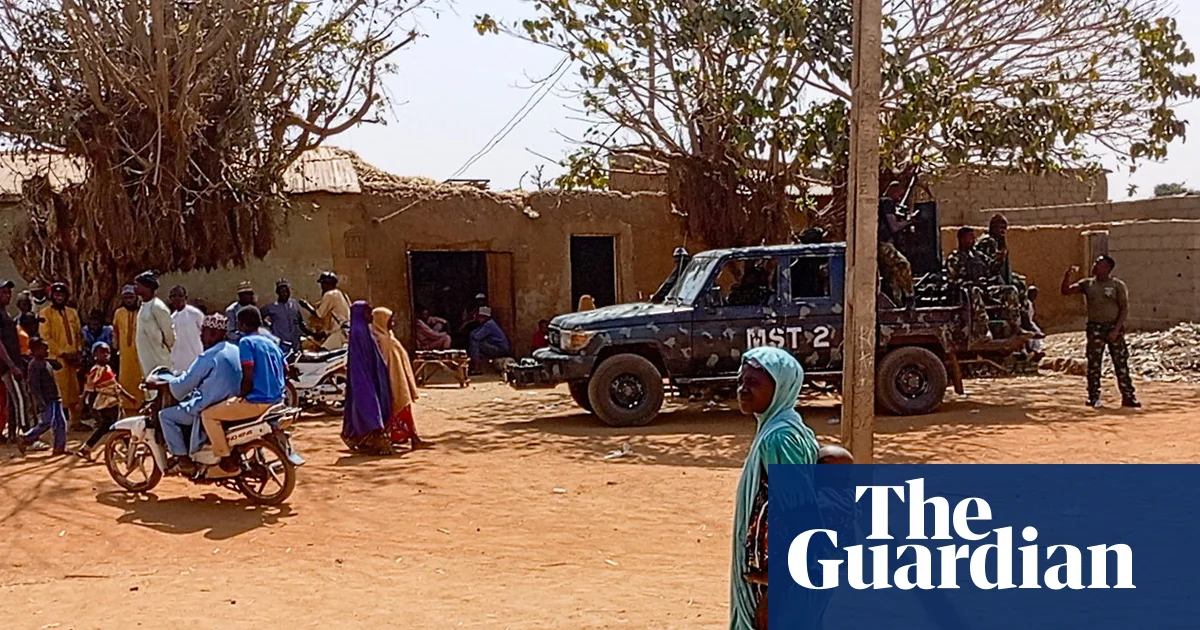
The recent wave of violence in Nigeria signals a complex and deteriorating security landscape that is reshaping the geopolitics of West Africa. Early Saturday morning, armed assailants on motorbikes launched deadly raids on three villages in Niger State, claiming at least 32 lives and leaving destruction in their wake. These targeted communities—Tunga-Makeri, Konkoso, and Pissa—have become the latest battlegrounds in a series of brutal assaults by unidentified armed groups, often referred to as “bandits,” whose operations have stretched across northern Nigeria for months. The strategic location near the border with Benin Republic underscores the regional implications of this violence, as it threatens stability in neighbouring nations and complicates international efforts to contain the crisis.

The attack, characterized by indiscriminate gunfire, arson, and abductions, mirrors a broader trend of escalating violence that has overwhelmed Nigerian security forces. The perceived failure of local and federal authorities to restore order has alarmed international analysts and organizations, with the United Nations and African Union warning of the potential for wider destabilization. US government officials have accused Nigerian authorities of neglecting their duty to safeguard Christian communities, although the violence itself affects adherents of both faiths. In response, Washington has ramped up security cooperation with Nigeria, including targeted strikes against armed groups in recent months, marking a shift toward direct intervention in a sovereign territory—a move that risks further inflaming local tensions while reflecting the gravity of the threat.

Historians and security experts highlight that Nigeria’s insecurity is not merely a local issue but a mirror of broader regional instability. Analysts point to the proliferation of armed militias and the porous borders that facilitate the movement of fighters and illicit weapons. The current crisis demonstrates how unresolved governance issues, economic hardship, and ethnic tensions have created fertile ground for criminal groups to flourish. In these volatile conditions, the international community faces a vital decision: to bolster security partnerships and counter-terrorism efforts or risk a complete unraveling of Nigerian sovereignty and peace. As residents flee and villages lie in ruins, the continent’s future hangs in the balance, precariously shaped by decisions made in Nairobi, Brussels, and Washington.

With each passing day, the unfolding violence in Nigeria echoes as a stark reminder of how fragile peace remains in Africa’s most populous nation. As security forces scramble to contain the violence and international actors weigh their next moves, the question remains whether this surge in violence is merely the tip of the iceberg or a sign of more profound upheaval to come. One thing is clear: history is being written beneath the smoke and flames—history that narrates a struggle not just for stability but for the soul of a nation that, despite its wealth of resources and resilience, now teeters on the edge of chaos. The road ahead remains uncertain, and for the millions living in the shadows of conflict, each day is a test of endurance and hope amidst the chaos.

Tragic Loss: Over 20 Dead in Nile Boat Sinkings Amid Sudan Crisis

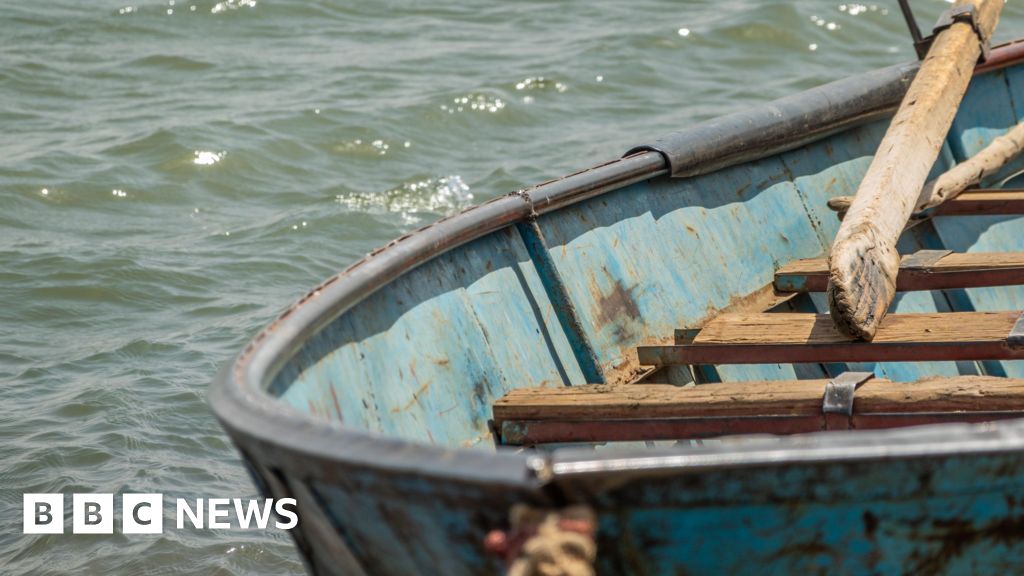
In a troubling development that has captured international attention, ongoing search efforts persist for the missing passengers of an unidentified incident, which tragically included children. While details remain sparse, the event’s ripple effects extend far beyond the immediate loss, highlighting the fragile state of regional stability and the profound impact on affected communities. Global institutions and nation-states are on high alert, emphasizing the importance of swift resolution and accountability.

As reports surface, the incident has reignited debates over border security, crisis management, and the geopolitical ramifications surrounding the involved regions. Analysts suggest that the event could serve as a pivotal moment, exposing deeper vulnerabilities within certain nations’ response capabilities and their international commitments. According to international observers—such as the United Nations and various regional security alliances—the case underscores a critical challenge: how to effectively respond to crises that are as complex and entwined as the geopolitical interests at stake. In particular, experts warn that failure to address these issues swiftly could lead to further instability, destabilizing not just the immediate area but potentially spilling over into neighboring nations.

Historian and geopolitical analyst Dr. James Carter notes that such tragedies tend to act as catalysts for broader shifts in diplomacy and policy. “When innocent lives—especially children—are lost in these incidents, it often galvanizes international efforts for change, yet it can also be exploited by opportunistic powers seeking to advance their agendas,” he explains. Meanwhile, the European Union and North American alliance networks have issued statements calling for increased humanitarian support and a transparent investigation. However, critics argue that geopolitical interests complicate efforts, with some nations reluctant to openly challenge regional powers that may be implicated in or responsible for further destabilization.

The geopolitical impact of this incident stretches beyond immediate rescue operations. It serves as a stark reminder of the high stakes involved in regional conflicts and their endurance as flashpoints for larger international disputes. The decisions made in the coming days—whether prioritizing humanitarian aid, diplomatic negotiations, or security measures—will shape the future of diplomatic relations and societal stability within the affected regions. As history witnesses yet another chapter unfolding, the weight of last-ditch efforts and international pressures remains heavy. With each passing hour, the world watches, holding its collective breath for a resolution that might yet alter the course of history, leaving behind a haunting reminder: that in the shadows of diplomacy, true tragedy quietly waits to strike, demanding justice and remembrance.

Canada Shooting: 10 Confirmed Dead in Tumbler Ridge School Attack—Suspect Among Victims

The tragic events in Canada this week have sent shockwaves across the nation, with reports confirming that ten individuals, including the gunman, lost their lives in a deadly mass shooting at Tumbler Ridge secondary school in northern British Columbia. This incident, which unfolded within a rural, close-knit community of less than 2,500 residents, underscores a disturbing trend that has begun to challenge the perceived safety and stability of even the most tranquil parts of a country often viewed as welcoming and progressive. More than two dozen victims were hospitalized, some airlifted from the scene, as survivors and families grapple with unimaginable grief. This tragedy highlights the stark reality of firearm violence—a phenomenon that, while often associated with other nations, is increasingly a concern within Canada’s social fabric.

Canadian authorities, alongside provincial officials like nina Krieger, the public safety minister, have described the incident as an “unimaginable tragedy” with implications that extend well beyond this isolated event. The police have identified the suspect but have offered limited details, focusing instead on the immediate aftermath—evacuating students, providing emergency medical support, and calming a traumatized community. They have also emphasized the difficulty in pinpointing a motive, stating, “we’re following all leads,” and remaining cautious to avoid prematurely speculating. The authorities’ response demonstrates a significant mobilization of Canada’s emergency services, which, in turn, highlights broader issues of public safety policy and gun control debates that still dominate the country’s political discourse.

This incident has mixed implications for Canada’s international standing, especially as global institutions and allies observe the nation’s internal struggles with violence. Analysts note that Canada’s reputation as a stable, secure democracy is being tested, as each such event prompts renewed calls for policy reform and questions about societal vulnerabilities. The event does not only threaten domestic harmony; it also touches on broader geopolitical ramifications—where internal instability can sometimes serve as a weak link in national diplomacy. Countries like the United States and the United Kingdom, which grapple similarly with firearm-related violence, watch these developments closely, aware that internal crises can influence international perceptions and alliances. Historically, experts argue, these moments of national trauma have often served as catalysts for intensified security measures, or, conversely, for societal debates that challenge core values and traditional freedoms.

In the long term, Canada’s response to this crisis may influence its position within international community efforts on public safety and human rights, especially when considering the role of international organizations like the United Nations in advocating for firearm regulation. As the country mourns and seeks stability, the unfolding investigation will likely have repercussions on domestic policies and regional alliances. It remains to be seen whether the country will deepen its security infrastructure or succumb to the political pressures to ease firearm restrictions—a debate that resonates across the Western world. In the hallowed halls of history, this moment might be remembered as a turning point where national trauma forced a global conversation on safety, liberty, and the societal fabric that binds us all. The story in Tumbler Ridge, humble yet profound, signifies that in an interconnected world, the choices made in small communities echo far beyond local borders, shaping the very nature of international stability and security.

Over 30 Dead in Pakistan Mosque Blast—A Tragic Reminder of Security Gaps

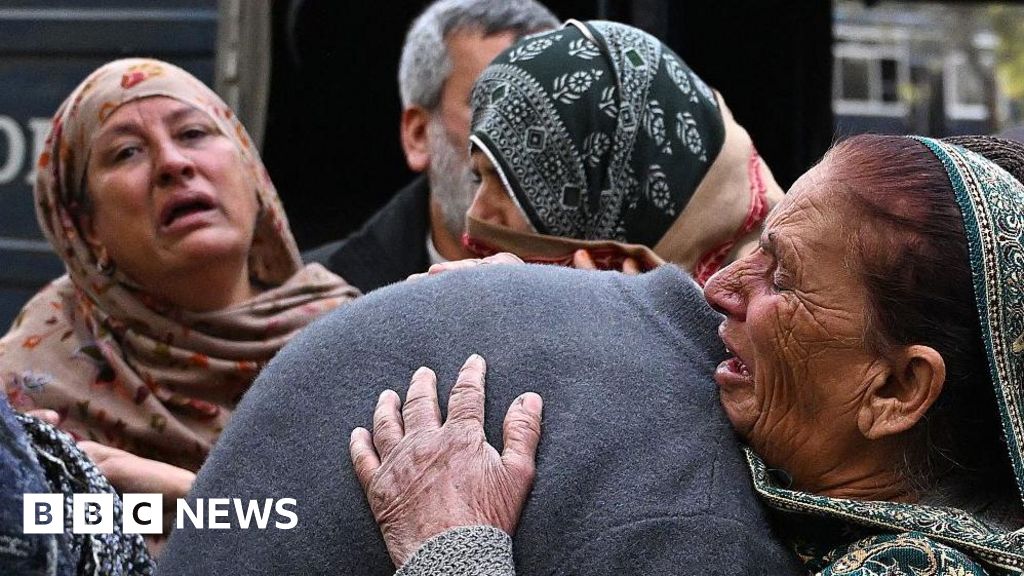
In a tragic and shocking event that has sent shockwaves through the international community, nearly 170 individuals were injured in an explosion that occurred during Friday prayers in Islamabad. The attack, which struck the core of Pakistan’s capital, has ignited fears of increasing instability in the region, with wide-reaching implications for regional security and global diplomacy. As investigators scramble to determine the origins and motives behind this deadly assault, global leaders and institutions are weighing their responses amidst a backdrop of mounting tensions.

Analysts suggest that this act of violence is not merely a tragic incident but a stark manifestation of the deep-seated conflicts and geopolitical struggles in South Asia. Many experts, including officials from the United Nations and regional security think tanks, view this attack as potentially linked to ongoing insurgencies, extremist factions, or even covert international interventions. The repercussions are profound: a destabilized Pakistan risks further fraying the fragile balance of power in a region already fraught with nuclear-armed neighbors and rivalries. This event underscores the fragility of peace in a geopolitically pivotal country caught between the interests of larger powers like China and India.

  • Pakistan, amid internal political turmoil and economic struggles, faces heightened security challenges that threaten its sovereignty and stability.
  • The attack occurs at a time of rising regional tensions over border disputes, trade alliances, and influence pacts, which could be further exacerbated by this violence.
  • International bodies, including Carnegie Endowment for International Peace and Security Council, have called for restraint and increased intelligence cooperation, emphasizing the need to address underlying grievances.

Historical perspectives from leading scholars such as Professor Ayesha Siddiqa and Dr. Peter R. Neumann warn that such attacks could be precursors to broader escalation unless urgent de-escalation and dialogue are prioritized. This event may serve as the latest chapter in a series of incidents that threaten to ignite wider conflicts in the region if not contained. For Pakistan, the consequences are dire: increased *internal security measures*, public fear, and strained diplomatic ties with neighboring states. The attack also raises grave questions about the efficacy of existing counterterrorism efforts and intelligence-sharing frameworks, which many analysts argue are insufficient to prevent such tragedies from recurring.

As the world watches with tense anticipation, the question remains: will this tragedy galvanize international efforts for peace or escalate into a broader conflict? The weight of history presses heavily on leaders’ shoulders. The unfolding aftermath of the Islamabad explosion will determine whether this is a fleeting horror or the harbinger of a new, more dangerous chapter in regional geopolitics. With each failed attempt at peace, the danger grows—an uncertain future still shaped by decisions made in the corridors of power, where the echoes of yesterday’s violence may either forge pathways to reconciliation or plunge the world deeper into chaos.

Tragedy in Perth: Two Kids Among Four Dead in Suspected Murder-Suicide

Recent reports from Australia have cast a stark spotlight on a devastating family tragedy in the affluent suburb of Mosman Park, Perth. The suspected murder-suicide that claimed four lives, including two children with significant health challenges, has sent shockwaves through the local community and sparked important conversations about mental health, societal support systems, and the psychological toll of modern life. This heartbreaking event, while localized in scope, reverberates beyond Australia’s borders, symbolizing the quiet crises that often go unnoticed within the fabric of developed nations.

However, the significance of such tragedies extends far beyond individual families. As global analysts like Samuel Huntington and institutions such as the United Nations observe, societal disintegration is increasingly linked to mental health neglect, economic disparity, and the erosion of traditional family structures — issues exacerbated by the rapid pace of globalization. The Australian case underscores how even in the most affluent communities, vulnerable populations—especially children—are not immune to psychological distress. These social fissures pose a dire challenge to the stability of nations as they grapple with a surge in mental health crises, which can sometimes culminate in violence or self-destructive acts.

On the broader international stage, powerful nations weigh their responses to evolving circumstances that threaten their societal cohesion. The shift in global geopolitics—whether it’s the ongoing U.S.-China rivalry, the destabilization in Eastern Europe, or the new economic alliances in Asia-Pacific—is increasingly influenced by their internal social resilience. Decisions taken in response to domestic crises, including mental health policies and social safety nets, directly impact a nation’s capacity to project power and stability. As recognized by think tanks and international organizations, the strength of a nation’s social fabric often determines its geopolitical influence. The mere fact that in Australia a single tragic event can draw national headlines emphasizes how internal vulnerabilities ripple outward, affecting the country’s diplomatic posture and global standing.

This tragic episode also underscores a critical turning point: how nations must prioritize mental health and societal support as integral components of national security. As the World Health Organization warns, neglecting these issues can lead to long-term societal destabilization, which in turn fuels regional unrest and international instability. Historians like Niall Ferguson argue that the future of global sovereignty hinges not solely on military strength or economic prowess, but on the resilience of societal bonds. Just as Western nations grapple with internal divisions, their ability to maintain influence on the world stage hinges on how they address these internal crises.

In a world where history continuously unfolds, the personal tragedy at Mosman Park serves as a stark symbol of broader fragilities. It is a reminder that beneath the veneer of prosperity lies a fragile veneer vulnerable to fracture—where societal supports can break, and chaos can emerge. As leaders and citizens alike contemplate the lessons embedded in this tragic event, they are faced with an urgent question: will they recognize the vital need to reinforce their social foundations before history’s next upheaval? The weight of the future hangs heavy, and the pages of history remain blank, awaiting the choices that will determine the fate of nations and societies for generations to come.

Seven Dead in Maine Private Jet Crash, One Hurt

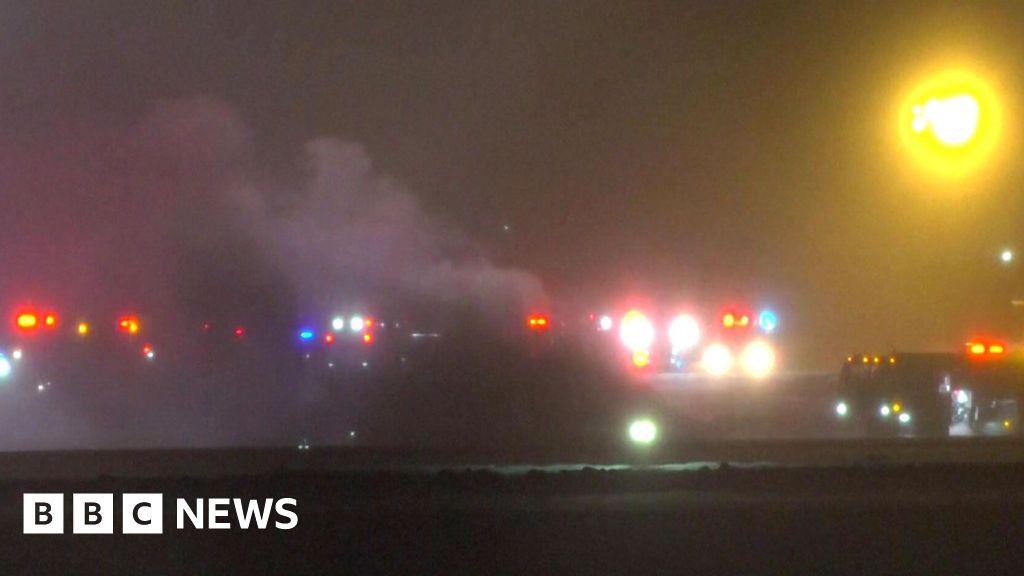
In a tragic incident reflecting the ongoing chaos wrought by nature and human error, Bangor International Airport in ME witnessed a devastating plane crash that claimed the lives of seven individuals, with only one survivor. The crash involved a private Bombardier Challenger 600, which went down during takeoff amidst a severe winter storm—a stark reminder of how climate volatility is increasingly impacting civil aviation safety. This event, unfolding against a backdrop of relentless weather extremes affecting millions across the United States, echoes a wider narrative of instability, not only within American borders but on the global stage.

Authorities report that the aircraft, registered to a Texas-based law firm, caught fire and came to rest inverted following the crash, with poor visibility likely a contributing factor. While investigations remain ongoing, the air traffic control recordings underscore the perilous conditions faced by pilots navigating a storm system that has left hundreds of thousands without power and caused nearly 11,000 flight cancellations nationwide. This incident, though isolated, highlights an era where unpredictable weather patterns threaten the safety and security of international transportation networks, creating ripple effects across supply chains and diplomatic engagements. Analysts warn that climate change-induced events like these are pushing nations into new vulnerabilities, compelling governments and companies to rethink resilience strategies.

The wider geopolitical impact extends far beyond normal aviation concerns. As U.S. authorities grapple with the aftermath of the crash and storm chaos, international institutions such as the International Civil Aviation Organization (ICAO) are under renewed pressure to set stricter safety standards amid growing climate unpredictability. Meanwhile, the storm’s disruption highlights the fragile interconnectedness of global economies now heavily reliant on smooth transportation; disruptions in the U.S. ripple across European and Asian markets, exposing critical weaknesses in a system increasingly susceptible to environmental shocks. Meanwhile, some critics argue that insufficient investment in infrastructure and climate mitigation measures could further exacerbate these vulnerabilities, risking a future where such tragedies become commonplace.

As international leaders convene to discuss the climate crisis and transnational security, the event serves as a sobering reminder of how human choices and environmental forces converge to shape history’s ongoing narrative. Historians warn that the turbulence caused by storms and technological failures today could be remembered as the turning point where nations faced the urgent need for adaptation. On a broader scale, this tragedy underscores a stark reality: in an era of geopolitical volatility, nature herself is an unpredictable actor, capable of rewriting the rules of engagement and testing the resilience of societies worldwide. As the smoke clears over Bangor, the weight of this moment settles heavily—history continues to unfold, and the world watches, waiting for answers that may yet come too late if decisive action is deferred.

18 Dead as Ferry with 300 Passengers Goes Underneath—A Tragic Loss for Our Community

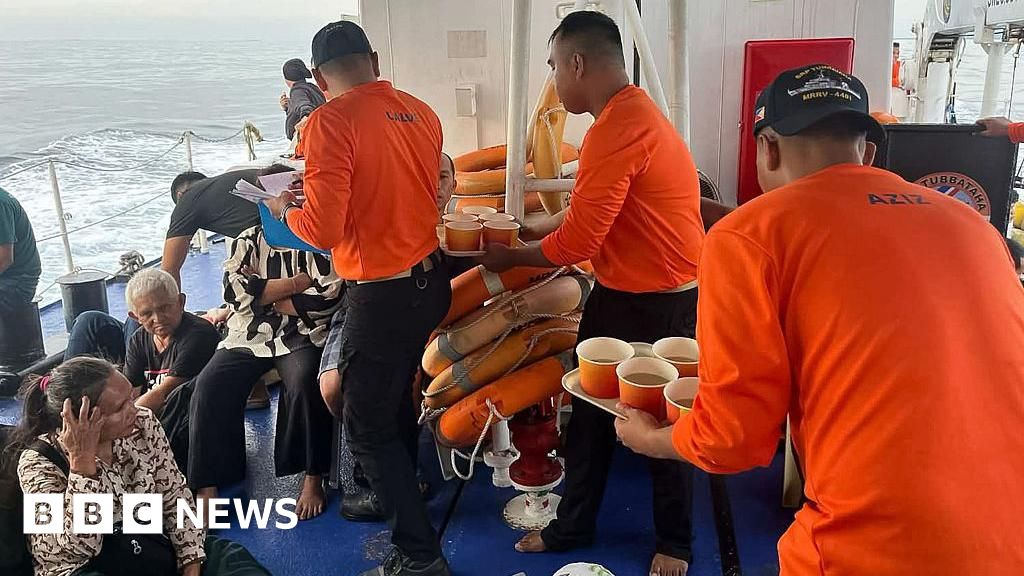
The recent sinking of the MV Trisha Kerstin 3 off the southern coast of Philippines marks yet another somber chapter in the archipelago’s history of maritime disasters. With over 350 passengers and crew onboard, the tragedy has resulted in at least 18 fatalities and dozens still missing amidst a rescue operation overwhelmed by the scale of human tragedy. As coastal authorities continue efforts to locate missing persons, this incident underscores enduring flaws within the nation’s maritime safety infrastructure, which some analysts attribute to systemic issues of poor maintenance and overloading.

The Philippines, consisting of more than 7,100 islands, remains reliant on ferries as the lifelines connecting communities. Despite the ubiquity swayed by economic constraints, decades of maritime accidents tragically highlight an urgent need for international and domestic reforms. According to maritime safety experts and international organizations, recurring fatalities, such as the 28 deaths in a 2023 ferry fire and previous fires involving high-speed vessels, reveal persistent gaps in regulation enforcement and vessel maintenance. As regional security analysts warn, these failures are not just about safety—they threaten national stability and the social fabric of countless vulnerable communities.

Historically, the< u> Philippine maritime sector has been marred by challenges rooted in governance, infrastructure, and environmental hazards. The recent incident occurs against a background of deteriorating safety conditions, exacerbated by rough seas and adverse weather. Government officials and international observers continue to investigate the cause, yet critics argue that these tragedies are often preventable through stricter regulation and investment. Meanwhile, some regional leaders, such as Basilan Governor Mujiv Hataman, have shared heart-wrenching images of survivors, exposing the human toll that often results when safety standards are disregarded. In the words of maritime analysts, “Such incidents should be a wake-up call”—a plea for comprehensive reforms amid a rising tide of preventable loss of life.

These disasters have far-reaching *geopolitical impact*, particularly as they reflect deeper issues of governance within maritime Southeast Asia. While the< u> Philippines struggles to modernize its fleet amidst economic and infrastructural challenges, regional powers and international organizations monitor the sector’s vulnerabilities, fearing that persistent safety lapses could lead to greater instability. As ASEAN members observe, the safety of maritime nations directly influences regional security, trade, and diplomatic relationships. Critics suggest that international cooperation, combined with robust domestic reform, is essential to prevent future tragedies. But until tangible action is taken, the stories of the missing and dead serve as grim reminders that history’s warning signs continue to be ignored.

Indeed, the weight of history hangs heavily over the Philippines’ vast maritime network. With each sinking and fire, the narrative deepens: a nation caught between economic necessity and the urgent need for safety reforms—a nation whose continued resilience hinges on whether it will heed these lessons. As the search for survivors continues and officials grapple with accountability, the nation stands at a crossroads. Will it choose the path of reform and safety, or continue to be haunted by the ghosts of maritime calamities past? The pages of history are still being written, and the world watches as another chapter of tragedy unfolds, waiting for the moment when tragedy transforms into resolve.”

Hollywood director and wife Michele tragically found dead at LA home

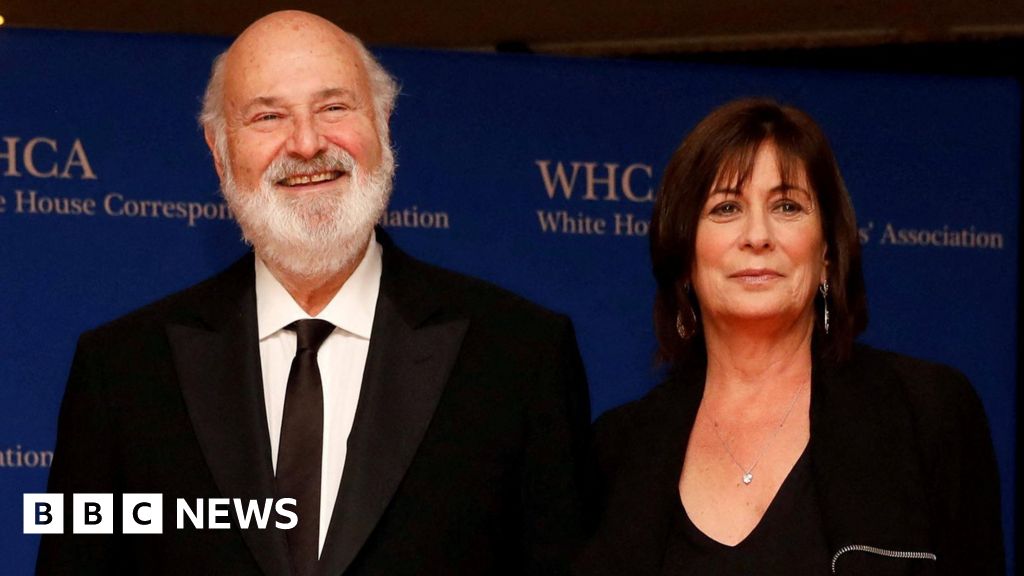
Hollywood Legend Rob Reiner and Wife Michele Found Dead in LA: A Tragic Turning Point with Global Resonance

The sudden death of Rob Reiner, a revered filmmaker and actor whose career spanned over five decades, has sent shockwaves through the entertainment industry and the broader cultural landscape. Found lifeless alongside his wife Michele in their upscale Los Angeles Brentwood home, authorities are investigating the incident as an apparent homicide, marking a disturbing turning point in American cultural history. The implications extend far beyond individual grief, igniting conversations about societal safety, political activism, and the enduring influence of Hollywood on global narratives.

Reiner’s legacy is deeply intertwined with eras of social change, both in cinema and in activism. Known for directing enduring classics like The Princess Bride, When Harry Met Sally, and A Few Good Men, he was celebrated not only as a Hollywood icon but also as a passionate advocate for social justice. California Governor Gavin Newsom called him a “big-hearted genius”, emphasizing how his works contributed to shaping American values. As an influential figure, Reiner’s life reflected a powerful connection between cultural influence and societal responsibility, inspiring millions worldwide to pursue justice, civility, and purpose. The discovery of his death in his homeprised the nation but also ignited broader concerns about rising violence and societal instability.

  • The Los Angeles Police Department responded swiftly, opening a homicide investigation into the circumstances surrounding Reiner’s and his wife Michele’s deaths.
  • The authorities revealed that both bodies were found hours after emergency services received a call for aid, but no immediate details about injuries or weapon use were disclosed.
  • The incident underscores a widening cultural fissure, where the glittering veneer of Hollywood often masks darker trends of societal decay.

Global institutions and cultural voices have highlighted the incident as symptomatic of a troubled era. United Nations-aligned analysts have warned that such tragedies underscore the importance of strengthening community safety and resilience. Meanwhile, international leaders point to the incident as a haunting reminder of the delicate balance between public figures’ private lives and the societal obligation to safeguard all citizens. Prominent voices like Barack Obama underscored Reiner’s contributions, noting his dedication to humanitarian causes and his capacity to inspire generations with stories that reflect the enduring human spirit. This tragedy is not merely a personal loss but a stark symbol of how societal upheavals influence even the most iconic figures.

Historians and critics are already framing this event within a wider context of cultural reckoning. Some suggest it serves as a poignant call to action—a reminder of the persistent need to address violence, mental health, and social inequality that threaten to fracture societies worldwide. The impact of Reiner’s films transcends entertainment; they serve as mirrors reflecting societal hopes, fears, and lessons. As countries grapple with similar issues—ranging from rising crime to political extremism—the death of Reiner and his wife could catalyze renewed calls for social reform and civic activism. The world now watches with bated breath, as the figures behind the camera—whose voices once sought to challenge injustice—become silent witnesses to the ongoing struggle. In this moment of profound loss, the question remains: how will history remember the stories they leave behind, and what legacy will endure from this tragic chapter?

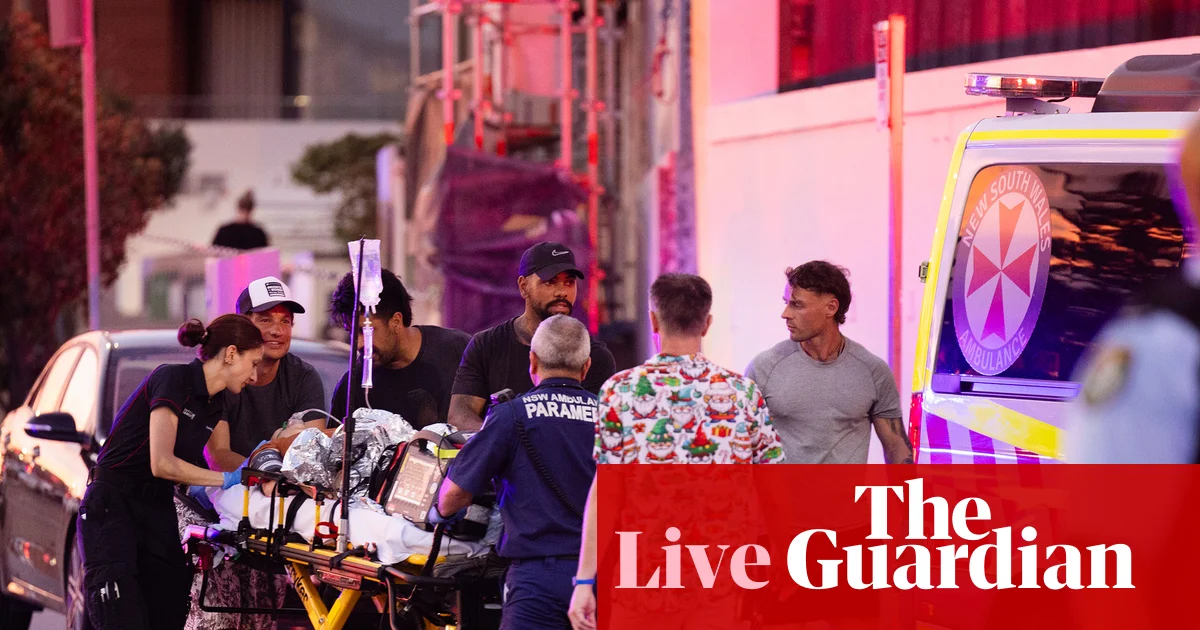
BREAKING: Bondi Beach terror attack leaves at least 16 dead, including a child, and 40 injured—that's a shocking assault on our community—more updates to come.
BREAKING: Bondi Beach terror attack leaves at least 16 dead, including a child, and 40 injured—that’s a shocking assault on our community—more updates to come.

Bondi Beach Terror Attack: A Turning Point in Global Security and Society

The recent terror assault on Bondi Beach, an iconic Australian landmark, has sent shockwaves across the international community, highlighting the persistent threat of radical extremism in an era where geopolitical tensions often appear to fuel hate and violence. The attack, which resulted in at least 16 fatalities—including a child—and dozens wounded, marks one of the most horrific acts of violence Australia has faced in decades. As details unfold, analysts and global leaders alike are examining the incident not just as a tragic outlier but as a reflection of deeper, troubling trends in international security.

Prime Minister Anthony Albanese described the attack as a ‘horrendous act of terror,’ and international leaders have echoed this sentiment, framing it within the broader context of rising antisemitic violence worldwide. The attack is distinguished not merely by its brutality but by its clear targeting of Jewish Americans and Australians during Hanukah—a festival of light and resilience—therefore emphasizing the dangerous potential of ideological extremism to threaten societal cohesion. World organizations, including the United Nations, have issued condemnations, calling for urgent international cooperation to combat hate-motivated acts.

  • Australia’s internal security apparatus has declared the incident a terrorist attack, triggering special legislation and intensifying efforts to trace the origins and motivations behind the assault.
  • Suspected links to violent extremist ideologies have prompted joint investigations by Australian police and global counterterrorism units, emphasizing international collaboration in preventing further violence.
  • Prominent figures such as French President Emmanuel Macron and Israeli leader Isaac Herzog expressed solidarity, labeling the atrocity as an act of hatred and terrorism that transcends national borders.

How the Decision to Recognize a Palestinian State Influences Global Narratives

Adding a complex layer to the geopolitical landscape, Australia’s recent recognition of a Palestinian state—an unprecedented move in Western foreign policy—appears to be intertwined with ongoing regional tensions. This shift has exacerbated debates about the global challenge of extremism and the way geopolitical decisions influence perceptions and acts of violence. Historians argue that such gestures, while aimed at fostering peace, can concurrently serve as catalysts for extremist narratives, which exploit perceived betrayals or alliances to justify their actions.

Expert analysts warn that the incident at Bondi is a grim indicator of how ideological conflicts—whether rooted in regional disputes or historical grievances—are increasingly manifesting as domestic terrorism across Western democracies. The attack’s timing during Hanukah, along with the discovery of suspected incendiary devices, has amplified concerns about how cultural and religious tensions are exploited by malicious entities to destabilize societies. This tragedy underscores the necessity for governments to foster resilience and unity, championing security without surrendering core freedoms or tolerating hatred.

As history unfolds, the legacy of this attack will serve as a test for Australia’s national resolve and the international community’s ability to confront the rising tide of ethnoreligious violence. The heroism of individuals who intervened, risking their lives to prevent further carnage, reminds us that the battle against terror is fought not only through military means but also through unwavering societal strength. The voices of global leaders today echo a pressing warning: the light of hope and unity must shine brighter than ever, for in this darkness, the true test of a civilization’s character is measured. The world’s eyes remain fixed on Bondi, a battleground where the hopes for peace clash against the shadows of hatred—an ongoing saga that will shape the course of history for generations to come.

Social Media Auto Publish Powered By : XYZScripts.com