

The unfolding news from Washington D.C. underscores a pivotal moment in American and international geopolitics, marked by internal turmoil, high-stakes negotiations, and escalating conflicts over immigration policies. As President Donald Trump faces scrutiny and opposition over aggressive immigration enforcement and recent deadly incidents involving federal agents, the U.S. Congress remains deeply divided on how to proceed with funding for Homeland Security and managing the chaos at the border. This domestic gridlock and upheaval are sending ripples across the global stage, with regional alliances and trade relations hanging in the balance.
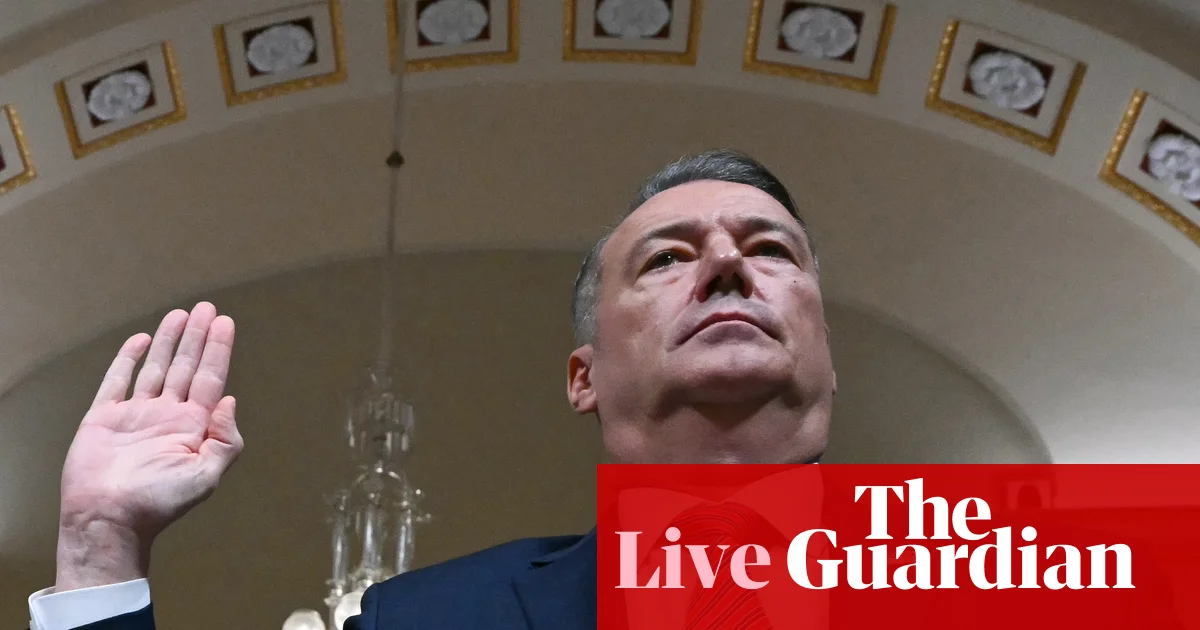
The recent testimony by top officials from ICE, CBP, and USCIS before Congress reveals a Department engulfed in crisis. Acting ICE Director Todd Lyons boldly declared that agents are facing “the deadliest operating environment in agency history,” citing unprecedented border crises fueled by policies from the previous administration. Meanwhile, congressional hearings highlighted disturbing accusations of excessive force and lack of accountability, with calls from Democrats for immediate leadership changes. These internal conflicts—alongside revelations of misconduct, such as the pepper spraying of civilians including children—are fueling fears of a wider erosion of trust in U.S. law enforcement and governance.
Simultaneously, the administration’s ongoing negotiations over DHS funding expose a broader struggle for control and authority. With funding set to lapse on February 13th, bipartisan efforts to resolve the deadlock are stymied by fundamental disagreements over immigration enforcement, transparency, and oversight. The GOP insists on measures like expanded vetting and restrictions on protests, whereas Democrats demand reforms to curb abuses and restore public confidence. As analysts warn that a government shutdown would weaken national security, the geopolitical fallout becomes increasingly evident—not just as an internal American matter but as a challenge to U.S. credibility on the world stage.
Adding an international dimension, President Trump’s recent aggressive rhetoric against Canada—threatening to block a vital bridge and falsely claiming that trade with China would include a ban on ice hockey—illustrates his unpredictable approach to diplomatic relations. Formerly a supporter of the Gordie Howe International Bridge, Trump’s threats threaten to disrupt a critically important economic link between the two North American neighbors, jeopardizing regional stability and economic cooperation. Experts at the International Institute for Strategic Studies warn that such provocative tactics risk reigniting old tensions and undermining longstanding alliances. As the geopolitical weight of the U.S. shifts inward amid political chaos, allies and adversaries alike are recalibrating their strategies, watching with cautious suspicion as America’s internal divisions threaten to spill over into global influence.
Historians warn that moments like these—marked by internal disputes, public unrest, and foreign policy unpredictability—are often when nations’ fates are truly decided. Whether the U.S. can address its core issues of accountability and reform will determine not only its future stability but also its standing among the free nations of the world. As the weight of history presses down, the unfolding drama in Washington promises one thing: the next chapter in America’s story is still being written, and the outcome remains painful, uncertain, and profoundly consequential for the arc of global power.





