Matox News

Truth Over Trends, always!

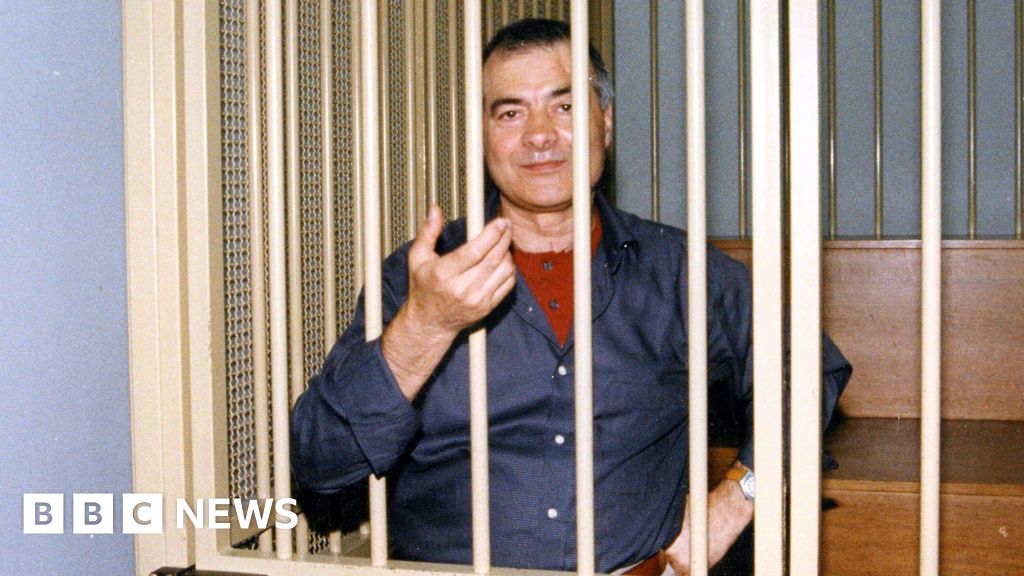
Mafia kingpin linked to deadly Italy murders passes away in Milan jail

In the shadowy world of organized crime, few events have resonated as profoundly as the assassination of Italy’s prominent anti-mafia prosecutor in 1992. The figure behind this brutal act was believed to be “Nitto” Santapaola, a notorious mafia boss associated with the resurgence of the Catania-based Cosa Nostra. This assassination not only marked a pivotal moment in Italy’s long battle against organized crime but also illustrated the dangerous ways in which mafia interests have historically intertwined with broader political and economic spheres across Europe.

Experts and international analysts agree that such targeted killings signaled more than just localized vendettas; they embodied the broader struggle for sovereignty against clandestine criminal influences that threaten the rule of law. The assassination sent shockwaves through Italy and the international community, highlighting the fragility of state institutions in the face of organized crime’s relentless pursuit of influence. The event underscored the importance of unwavering cooperation among international law enforcement agencies and the critical need for comprehensive legal frameworks to combat such pervasive threats.

Within the context of the geopolitics of the early 1990s, this murder became a catalyst for examining the increasing power vacuum lingered by traditional mafia syndicates. As historians note, the crime was not merely a localized act of violence but a reflection of wider shifts within Italy’s political landscape, including the collapse of longstanding political orders and the rise of new criminal alliances that sought to exploit the post-Cold War chaos. The subsequent fallout prompted coordinated efforts among NATO member states and the European Union, emphasizing the need for a unified front against transnational organized crime. Nonetheless, the persistence of mafia influence revealed that the battle for societal sovereignty remains ongoing, often fought through underhanded means and concealed agendas.

The legacy of the 1992 assassination continues to reverberate today, with historians such as Giovanni Falcone and Paolo Borsellino’s deaths serving as enduring symbols of resilience and the peril of unchecked organized crime. International organizations, like INTERPOL and Europol, have intensified their efforts, recognizing the crisis extends far beyond Italy’s borders. Yet, the fundamental question remains: how do nations protect themselves when criminal syndicates operate with institutional impunity and international reach? As we stand on the precipice of future conflicts, where clandestine networks threaten democratic stability from beneath the surface, history compels us to confront the persistent danger lurking within corridors of power and influence.

As the story continues to unfold, the shadow of that fateful day in 1992 looms large—a stark reminder that the battleground for justice persists across borders and generations. The struggle to uphold sovereignty, uphold the rule of law, and combat organized crime is arguably the defining challenge of our era. And as history’s ink is forever inscribed with moments of upheaval and resilience, the world is left to ponder whether the lessons of the past will forge a future where these shadows are finally dispelled, or whether they will continue to threaten the very foundation of civilization itself.

Campaign pushes NHS to better diagnose deadly childbirth condition for safer pregnancies

Addressing the Glaring Gaps in Maternity Care: A Wake-Up Call for Society

In recent times, stories like that of Amisha Adhia have brought to light a troubling reality: despite advancements in medical technology and awareness, the failure of NHS hospitals to diagnose critical pregnancy complications remains a significant societal concern. Adhia’s experience underscores how systemic negligence and the undervaluation of specialist roles can jeopardize not just individual lives but the fabric of families and communities. Her campaign, Action for Accreta, aims to urge the NHS to improve detection and treatment for placenta accreta spectrum (PAS), a condition that, if overlooked, can lead to catastrophic outcomes like severe hemorrhaging or death.

Social commentators and sociologists have long analyzed how demographic shifts—particularly the rise in cesarean sections and IVF treatments—are impacting maternal health. Historian and social critic Dr. Jane Marshall points out that increased medical intervention, while lifesaving in many cases, also results in unintended consequences. As the rate of C-sections in England surpasses vaginal births, the risk profile for conditions like PAS inevitably grows. These demographic changes challenge new parents and extended families, transforming childbirth from a natural process into a complex medical event that necessitates specialized knowledge and community support.

The impact on families is profound. When pregnancies involve overlooked risks, families face not just the trauma of possible loss but the emotional toll of feeling unheard or dismissed by medical institutions they trusted. After her distressing experience, Amisha Adhia’s story has sparked conversations about the importance of early diagnosis and proper care pathways. The absence of comprehensive data on PAS prevalence and outcomes further complicates efforts to allocate resources effectively. Such gaps highlight the societal failure to prioritize maternal health, especially when the well-being of women and children is fundamental to community stability.

In response, health authorities and advocacy groups are calling for

  • updated clinical guidelines
  • more specialized training for NHS staff
  • heightened awareness of demographic risk factors

. The Royal College of Obstetricians and Gynaecologists emphasizes the importance of early detection, yet acknowledges that care protocols must adapt to the demographic realities. Social commentator Dr. Samuel Price reminds us that fixing these gaps requires both policy reforms and a collective cultural shift that values specialized medical knowledge and community vigilance. As society grapples with issues of health justice, the enduring hope remains: through collective effort, we can forge a safer future for mothers and their children.

Reflection and Hope for the Future

Society’s challenge lies in bridging the gap between technological capability and moral responsibility. Building resilient communities involves not just medical reforms but fostering a culture where families feel heard, supported, and protected. With ongoing reforms and heightened societal awareness, there lies hope — that the day may come when no mother’s life is compromised due to overlooked warning signs, and every family can embrace birth as a time of hope rather than risk.

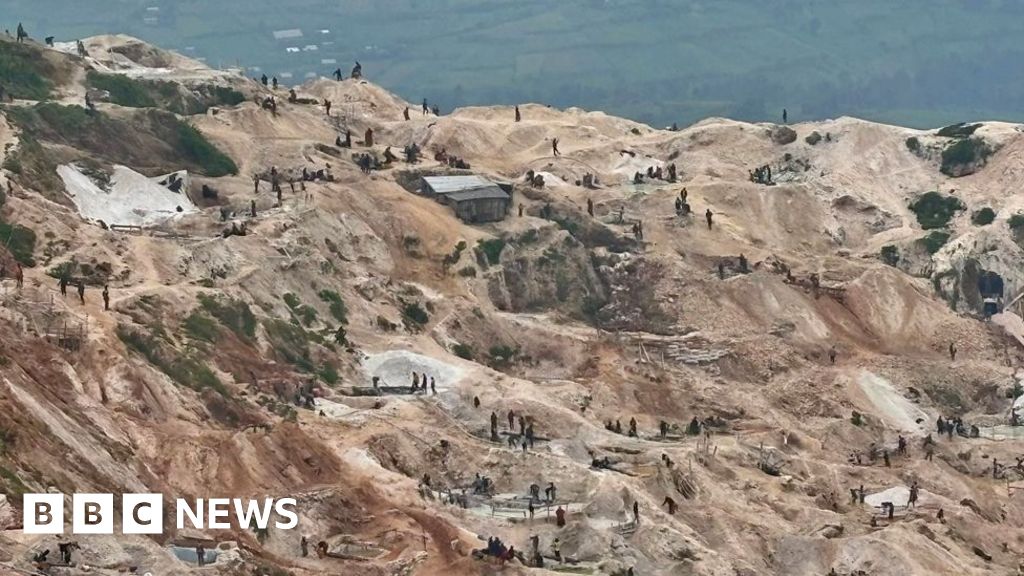
Over 200 lives lost in deadly mine collapse in DR Congo—a tragic reminder of unsafe labor practices.

In a stark reminder of the fragile stability in volatile regions, a recent mine collapse, precipitated by heavy rains on Wednesday, has captured global attention. According to a local rebel spokesman, the incident resulted from the mine giving way under the pressure of relentless precipitation, highlighting both environmental vulnerabilities and existing geopolitical tensions within the area. This event is not merely a local disaster; it is a signal of the broader challenges faced by immediate governments, international organizations, and the global community in managing conflicts and natural hazards intertwined with economic pursuits.

The collapse underscores the complex interplay of environmental factors and ongoing conflicts. Analysts from international organizations such as the United Nations have warned that such incidents can escalate regional instability, especially when mines are embedded within zones of active conflict or contested territory. Historically, mines have been vital to regional economies, often entangled with local power structures and insurgent groups seeking to finance their operations. This particular event exposes the vulnerability of infrastructure in conflict zones, where, as experts warn, neglecting environmental safeguards can trigger devastating consequences. The implications stretch beyond immediate environmental damage, threatening regional economic stability and potentially igniting renewed clashes over resource control.

Furthermore, the incident raises geopolitical questions about the roles of state authorities and non-state actors. The rebel spokesman’s confirmation suggests ongoing power struggles within the region, hinting that the collapse might be a symptom of weaker oversight and compromised safety standards. Meanwhile, global institutions such as the World Bank and International Monitory Fund have, over the years, faced criticism for neglecting the unique needs of conflict zones, often prioritizing economic extraction over ecological and social safeguards. As these events unfold, many experts argue that the lack of coordinated international intervention heightens the risk of further destabilization and human suffering.

  • Key stakeholders are calling for urgent international aid to contain environmental pollution and ensure safety standards are enforced.
  • Environmentalists warn that unchecked resource extraction in conflict zones will exacerbate climate change and biodiversity loss.
  • Historians note that previous resource-related disasters often serve as catalysts for larger geopolitical shifts and conflicts.

As regional leaders grapple with the immediate fallout, the event signals a broader warning: the nexus of resource exploitation, environmental degradation, and conflict remains a tinderbox capable of igniting new crisis points. The collapse not only devastates local communities but also serves as a stark reminder of the urgent need for a comprehensive international framework to regulate resource extraction, especially in unstable regions. Yet, amidst the chaos, the question lingers — who will bear the costs of such failures, and how will history judge those in power who fail to heed the warnings? As the dust settles and the scene shrinks into the background of today’s headlines, the stones of history continue to be laid, waiting for those who will shape the future of this fractured world.

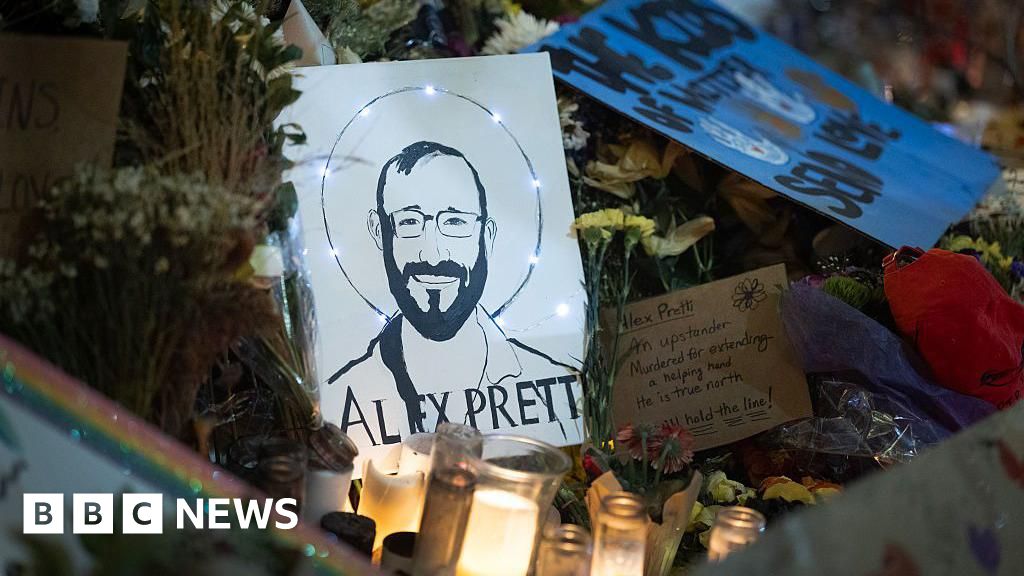
Border agents linked to Alex Pretti's deadly shooting put on leave
Border agents linked to Alex Pretti’s deadly shooting put on leave

In an era marked by complex geostrategic shifts, the United States finds itself embroiled in a tumultuous domestic debate that has far-reaching implications beyond its borders. Recent exchanges on social media between former President Donald Trump and the Mayor of Minneapolis underscore the deepening ideological rifts over immigration law enforcement, illustrating how internal political struggles influence perceptions of national stability and foreign policy. As the nation grapples with these discordant narratives, international analysts warn that such upheavals could diminish America’s global standing at a critical juncture in history, especially amidst mounting challenges from rival powers like China and Russia.

The clash over immigration enforcement encapsulates broader debates on sovereignty and security that resonate well beyond U.S. borders. These internal conflicts, often amplified by social media, serve as a mirror to a nation divided, revealing fault lines that increasingly influence its ability to project power worldwide. Experts from the Council on Foreign Relations emphasize that how America manages these internal tensions will directly impact international partnerships and its ability to promote stability and democracy globally. As U.S. policymakers navigate this storm, the geopolitics of diplomacy is shifting, compelling allies and adversaries alike to reconsider their engagements with an America that appears fractured from within.

Meanwhile, a tragic incident involving the death of nurse Alex Pretti has sent shockwaves across American society, further fueling national crises of trust and social cohesion. The ongoing investigation and unresolved questions surrounding this event exemplify the broader social distress that defines contemporary America. Historically, analysts suggest, such domestic turbulence can weaken a nation’s ability to effectively engage on the international stage. Countries like China and Russia are closely monitoring these developments, viewing America’s internal strife as an opportunity to advance their own geopolitical agendas while undermining American influence. The situation underscores a critical lesson from history: internal cohesion is the bedrock of global power, and when fractured, even the mightiest nations falter.

As the world watches these unfolding dramas, the geopolitical landscape remains dynamic and unpredictable. US leaders face the daunting task of restoring stability amidst division, fully aware that their decisions today will ripple through history’s fabric. Analysts warn that a failure to unify and lead decisively could embolden rising authoritarian powers and accelerate the decline of Western influence. This ongoing saga, marked by political clashes, social upheaval, and international strategic recalculations, leaves the global community bracing for what lies ahead. In the shadows of this turmoil, the true test of resilience and leadership unfolds, reminding us all that history’s greatest moments are often born through chaos, forging new epochs in the relentless march of time.

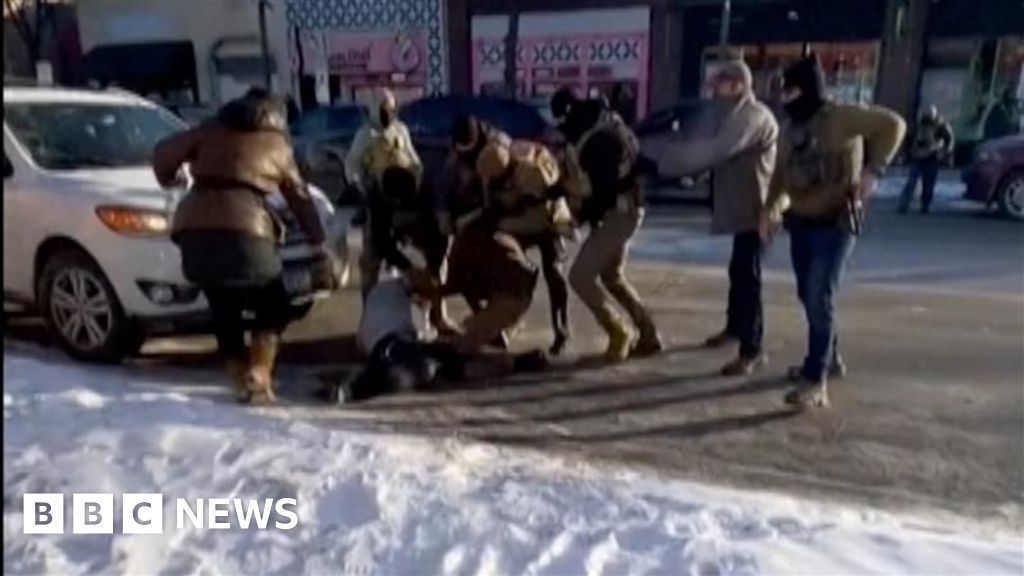
Footage reveals key moments in Minneapolis deadly shooting

In a development that underscores ongoing tensions within the United States regarding immigration enforcement and law enforcement accountability, a tragic incident unfolded in Minneapolis involving federal immigration officers. Bystander footage has surfaced, capturing tense moments leading up to the fatal shooting of 37-year-old Alex Pretti. The recordings, shot from multiple perspectives, reveal a chaotic confrontation that has ignited controversy and intensified debates over federal authority and civil liberties in the nation’s heartland.

As details emerge, conflicting narratives from federal officials and state authorities have further muddled the incident’s circumstances. Homeland Security Secretary Kristi Noem claimed that agents fired “defensive shots” after Pretti allegedly “reacted violently,” presenting an account aligned with justified self-defense. Conversely, Governor Tim Walz dismissed the federal explanation as “nonsense” and “lies,” emphasizing a need for transparency and accountability. This internal dispute exemplifies the broader divide within American governance, where federal and state authorities seem increasingly at odds over immigration enforcement tactics and the use of lethal force.

The incident’s timing adds to its significance, occurring less than three weeks after the tragic killing of Renee Good, an American citizen shot by an immigration agent in similar circumstances. Such events have sparked nationwide outrage and raised questions about the overreach of immigration authorities operating under policy shifts favoring aggressive enforcement. Many analysts see these events as a reflection of a broader geopolitical and domestic struggle — one that tests the limits of federal power, the rule of law, and the safety of American citizens. International observers and rights watchdogs warn that unchecked force and lack of transparency threaten the social fabric of the nation, fueling suspicion and unrest across communities.

  • Key event: The deadly confrontation, captured on video, sparks nationwide debate on immigration and law enforcement conduct.
  • International impact: Foreign allies and adversaries scrutinize the U.S. for its internal stability, affecting diplomatic relations.
  • Potential consequences: Policymakers face mounting pressure to implement reforms that balance enforcement while safeguarding civil liberties, yet fears persist of increased militarization and societal division.

This incident highlights how decisions made in the corridors of power resonate profoundly. The policy environment has shifted towards a more assertive stance on immigration, with the federal government emphasizing national security over individual rights. These measures, while backed by some as necessary for national sovereignty, legal advocates warn threaten the very foundations of civil liberties. Who bears the weight of justice in such conflicts — the individual or the state? This question now haunts America’s conscience.

As the story continues to unfold—shrouded in conflicting accounts, political theatrics, and the relentless march of history—one thing remains clear: the choices made here will echo far beyond the streets of Minneapolis. They will shape the future of public trust, law enforcement policies, and America’s role on the world stage. The echoes of this tragedy serve as a stark reminder that in a world fraught with conflict and uncertainty, the line between order and chaos is often razor-thin, and the weight of history presses heavily upon the present.

Half a million flee as deadly Cambodia-Thailand border clashes escalate—urgent need for stability

The ThailandCambodia border dispute has spiraled into deadly conflict once again, with the fiercest clashes since a brief ceasefire in July. Over 500,000 civilians have been displaced, seeking refuge in evacuation centers amid ongoing hostilities that have claimed at least 20 lives and injured nearly 200 people. This escalation, confirmed by Cambodia’s defense ministry, involves the use of heavy weaponry, including airstrikes and artillery, with each side accusing the other of provocations and violations of international agreements. The region, long plagued by unresolved territorial disputes, now faces the prospect of a wider crisis that alarmed analysts and international observers alike.

Despite efforts by US President Donald Trump and regional organizations, such as ASEAN, which brokered a ceasefire just six weeks ago, hostilities persist. The thick fog of mistrust hangs heavily over the fragile peace process, especially after Thailand suspended the ceasefire last month following accusations that Cambodia had laid a landmine, an allegation denied by Phnom Penh. Political upheaval in Thailand further complicates diplomatic efforts; Prime Minister Anutin Charnvirakul announced on social media that he is “returning power to the people,” with a reported plan to dissolve Parliament and call for snap elections. Analysts warn that this move may be aimed at bolstering nationalist sentiments, possibly hardening Thailand’s stance on the border confrontations, thus making diplomatic resolution more elusive.

While international voices, including Pope Leo XIV, lament the humanitarian toll, regional and global powers remain cautious. According to historians and security analysts, the renewed clashes reflect a deeper layer of regional instability and the failure of longstanding diplomatic efforts. The collapse of the ceasefire and the resurgence of violence showcase how fragile peace remains in Southeast Asia’s geopolitical landscape. For developing nations embroiled in border disputes, such conflicts threaten not only territorial integrity but also societal cohesion, economic stability, and regional security. The international community’s role is crucial, but many have begun to question whether external mediation can truly succeed when entrenched nationalistic narratives and internal political unrest dominate the narrative.

As civilians endure the brutality of artillery exchanges and their communities are torn apart, history observes a pivotal chapter unfolding in real time. This conflict symbolizes how stubborn territorial disputes continue to shape the geopolitical sphere, with consequences reaching beyond Southeast Asia. The outcome remains uncertain, with the specter of wider regional escalation looming. As the world watches with alarm, the people of Thailand and Cambodia are caught in the crossfire of a struggle not only for land but for sovereignty and identity—an ongoing story where the threads of diplomacy, nationalism, and history are intertwined in a dangerous weave, destined to leave an indelible mark on the pages of history.

Hong Kong Votes Amid Tragedy: City Still Reeling from Deadly Blaze

Hong Kong’s Electoral Drama Unfolds Amidst Tragedy and Tightened Grip

As Hong Kong gears up for its latest election for the Legislative Council (LegCo), the city finds itself caught in a confluence of political control, societal tension, and recent tragedy. The election, slated for 26 November, serves as a crucial barometer of public sentiment—yet, beneath the surface lurks a deeper story of Beijing’s tightening grip on the former British colony. Since Beijing’s sweeping electoral changes in 2021, orchestrated to cement pro-Chinese loyalty, participation has plummeted, with just 30% voter turnout last cycle—a reflection not merely of apathy but of targeted suppression of dissenting voices.

A Response to National Security and a Suppression of Dissent

All candidates contesting this year’s LegCo have been strictly vetted, ensuring only those loyal to China are permitted to stand, effectively marginalizing opposition parties and pro-democracy advocates. According to analysts from international think tanks and statements from Beijing’s officials, the reform was deemed essential to restore “stability” following the tumult of the 2019 protests. Yet critics interpret this overhaul as a deliberate neutering of Hong Kong’s semi-autonomous institutions, undermining democratic principles and silencing protests. The recent crackdown following the Tai Po fire—Ironically, a disaster that claimed nearly 160 lives—exemplifies this approach. Authorities have detained those seeking independent inquiries and taken swift measures such as banning public dissent, further entrenching the narrative of an unyielding, if not increasingly authoritarian, regime.

The Fire, the Aftermath, and the Political Repercussions

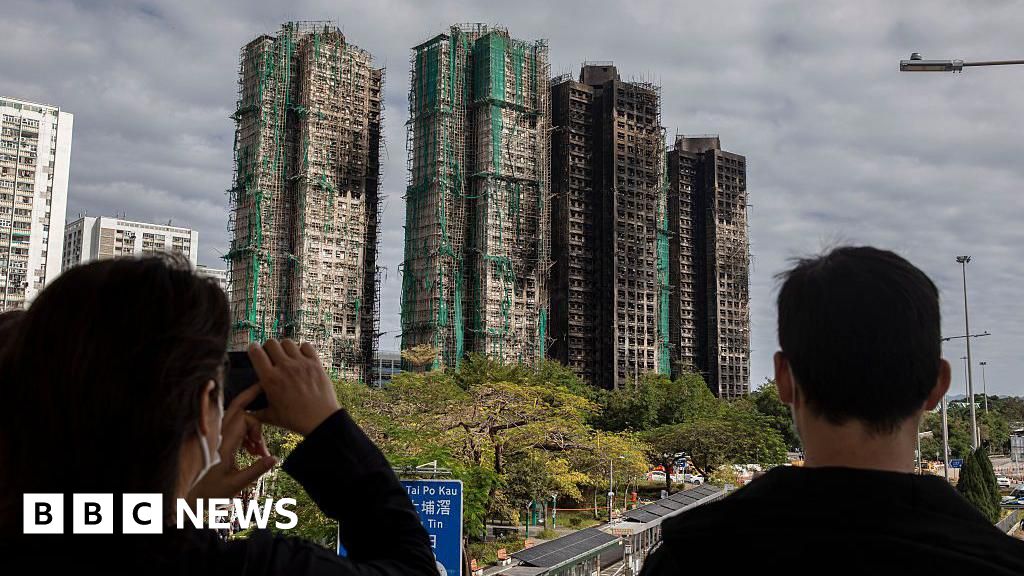
The devastating fire at the Wang Fuk Court—Hong Kong’s worst in over 70 years—has reshaped the political landscape. Rescue efforts spotlighted deficiencies in building safety standards, exposing the vulnerabilities of aging infrastructure and igniting anger among residents. In response, authorities created an independent committee to investigate and have already made arrests, including those of suspected manslaughter, ostensibly to demonstrate accountability. However, the swift move to clamp down on dissent—detaining a petition signer for sedition and removing related internet content—illustrates how even tragedy is politicized to serve the regime’s interests. The incident has temporarily suppressed electoral campaigning, with protests and carnivals canceled, as the government seeks to mold public perception and demonstrate control.

Government Messaging and the Future of Hong Kong

Despite the turmoil, the government, led by Chief Executive John Lee, insists that the elections will proceed as planned. The narrative promoted by Beijing and Hong Kong’s authorities hinges on framing participation as a patriotic duty—an act of love and responsibility for the city’s future. State propaganda, including animated mascots and a catchy campaign theme, aims to rekindle voter enthusiasm, especially among pro-establishment supporters. Yet many analysts, including Hong Kong-based political scholars, predict the vote will reflect resignation rather than genuine support. The significant departure of seasoned lawmakers—particularly those over 70, like Regina Ip, nicknamed the “Iron Lady”—further signals an erosion of traditional political resistance. Pressure from Beijing has unofficially encouraged these retirements, consolidating an already tightly controlled political arena.

In this moment, as Hong Kong navigates the aftermath of tragedy and political repression, the city’s story remains fluid—an unresolved chapter shaping an uncertain future. The balancing act between suppression and the silent yearning for true autonomy leaves the world watching, with history bearing witness to whether Hong Kong can forge a new path or capitulate entirely to the evolving grip of a command-driven empire. The weight of these decisions stretches across generations, and the outcome will undeniably echo through the annals of history, leaving a question hanging in the air: What kind of future will emerge from these ashes?

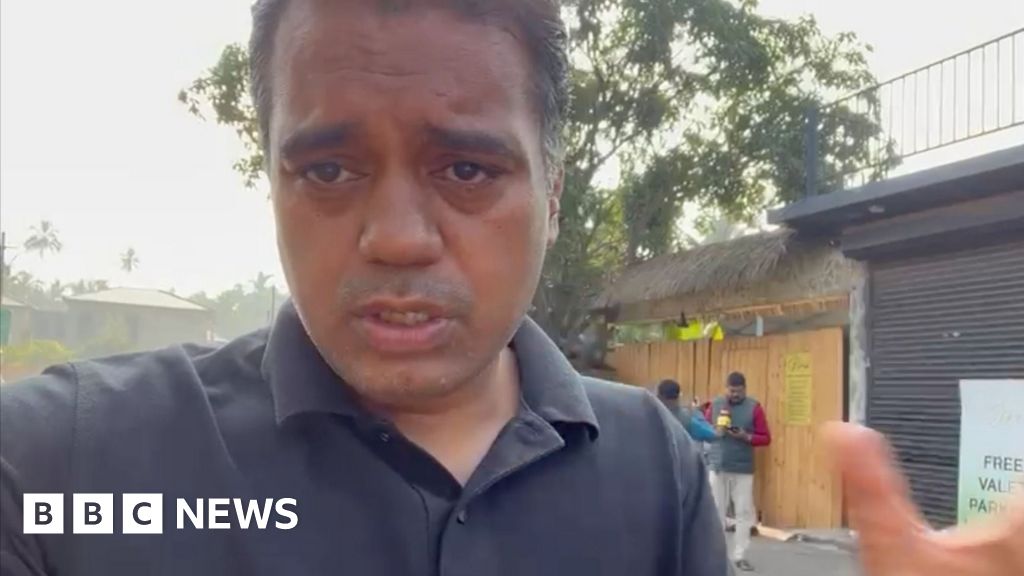
BBC reports tragedy at Goa nightclub blaze—youths caught in deadly fire

The devastating fire at the nightclub Birch in Goa, India, which claimed the lives of 25 individuals, including staff and tourists, has sent shockwaves across both local communities and the international community. As authorities launch investigations into the cause of the blaze, this tragedy emphasizes the persistent dangers faced by social venues worldwide, especially in countries where regulatory oversights may be insufficient.

The incident unfolded when witnesses described the nightclub being engulfed in what one eyewitness called a “complete fireball,” suggesting a rapid and catastrophic spread of flames. The BBC’s India Editor Vikas Pandey’s visit to the scene illuminated the extent of the destruction, prompting urgent discussions about safety standards in popular tourist destinations. Fire safety lapses, poor infrastructure, and inadequate emergency response protocols have become recurring themes in such disasters, prompting international analysts to caution against complacency. Global institutions such as the World Health Organization and UNEP have long warned that lax safety regulations in developing nations not only threaten lives but also tarnish their reputations on the tourism and investment fronts.

While investigations continue, the geopolitical impact of such incidents cascades beyond India’s borders. Countries heavily dependent on tourism, like Thailand and Mexico, watch these events with concern, recognizing the fragile balance of economic reliance on safety and hospitality standards. Decisions regarding regulation enforcement and safety investment directly influence how tourists perceive risks, ultimately affecting international travel flows. Moreover, this tragedy compounds existing narratives about safety in emerging markets—narratives that are often exploited by political actors aiming to undermine confidence or push for reforms. How nations respond to such crises can determine their future standing on the world stage.

Analysts and historians stress that history repeatedly demonstrates how failures in public safety often serve as catalysts for systemic policy shifts. In India, this incident could become a pivotal moment, accelerating reforms in safety standards for entertainment venues nationwide. Such reforms, however, carry their own political and economic implications, potentially imposing burdens on local businesses and shaping regulatory landscapes for years to come. The international community, through organizations like the International Labour Organization, emphasizes the importance of proactive measures—yet many developing nations grapple with implementing such policies amidst the pressures of tourism-driven growth. How governments prioritize safety and regulatory adherence reflects a broader question about their commitment to citizen and visitor security.

As the smoke clears over Goa and investigators sift through the charred remains of the nightclub, the true weight of this tragedy is yet to unfold. The loss of life serves as a stark reminder that beneath the allure of entertainment and relaxation, societal vulnerabilities remain. History’s pages are being written in real-time, and while nations strive to rebuild and reform, the shadow of this fire looms large—its echoes urging the international community to wake from complacency and remember that the margin for error in safety is razor-thin. This incident is a stark chapter in the ongoing saga of human resilience and societal responsibility, with the weight of history still unfolding.

South Africa tragedy: 11 lives lost in deadly mass shooting

South Africa Faces a Tragedy: Deadly Mass Shooting Shakes Nation

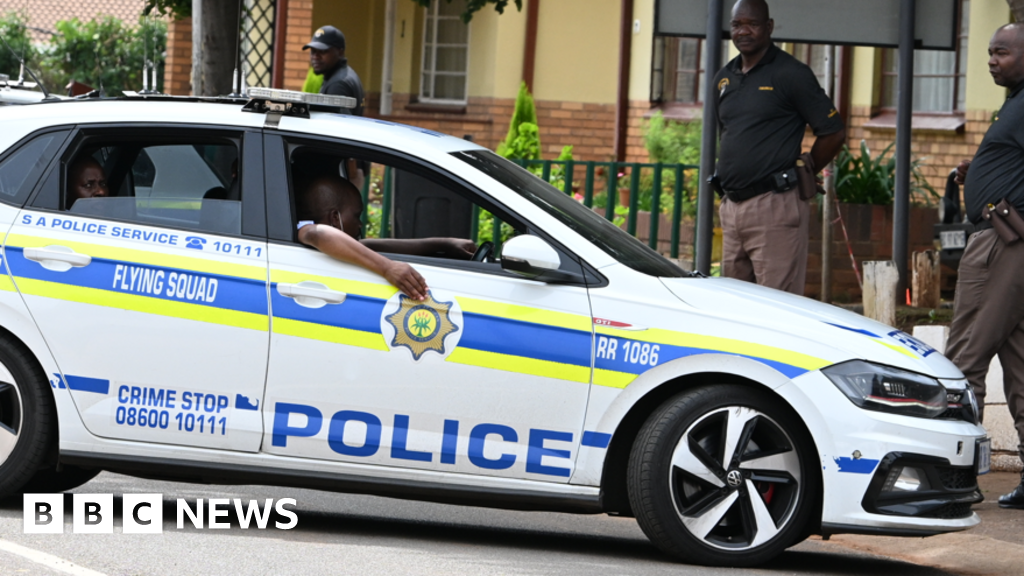
The recent mass shooting in South Africa underscores the persistent violence that has become emblematic of the country’s social and political landscape. Early Saturday morning, the quiet of the Saulsville township, located west of Pretoria, was shattered when armed assailants stormed an informal drinking establishment, a so-called “illegal shebeen,” and opened fire, claiming at least 11 lives and injuring 14 others. Among the victims was a three-year-old child, while among the wounded were a 12-year-old boy and a 16-year-old girl, highlighting the indiscriminate nature of this brutal attack.

According to police reports, three unidentified gunmen entered the premises at approximately 04:30 local time, unleashing a barrage of gunfire on groups of men engaged in drinking activities. The motive behind this attack remains unknown as no arrests have been made, but analysts observe that such incidents are often linked to broader issues of organized crime and illegal liquor trade. This tragedy is merely the latest in a series of mass shootings that reveal a country struggling to address its rampant gun violence.

Inner Chaos and Failed Governance: The Impact of Unregulated Violence

South Africa’s high murder rate—an alarming 45 people per 100,000, according to the United Nations Office on Drugs and Crime (UNODC) for 2023-24—is a stark indicator of the deep-rooted security crisis. Police data reveal an average of 63 murders every day, painting a grim portrait of a society beset by lawlessness and systemic failures. Illegal liquor outlets, such as shebeens, have become central to the violent landscape, often functioning outside the reach of law enforcement, which complicates efforts to curb violence and protect innocent civilians.

Many analysts argue that the continuous cycle of violence reflects broader societal issues, including poverty, corruption, and ineffective governance. International organizations have repeatedly called for stronger state intervention and comprehensive crime reduction strategies, but political will remains elusive amid competing priorities. Historians warn that if this escalation persists, South Africa could slip further into chaos, jeopardizing both its internal stability and its international reputation.

Global Implications and the Dialectic of Security and Sovereignty

The geopolitical impact of South Africa’s violence extends beyond its borders, as the country’s stability influences regional security and economic development in Africa. As a key member of the BRICS bloc and an influential player in international Afro-Asian policy forums, Pretoria’s internal strife raises questions about security cooperation and international support. The persistent violence underscores a dangerous trend: failure to address internal crises invites destabilization, which can ripple outward, destabilizing adjoining nations and complicating efforts for regional peace.

Leaders and global institutions are increasingly vigilant. The United Nations and regional organizations like the African Union have issued warnings about the rising levels of violence and the necessity for decisive action. Yet, critics argue that without addressing root causes—such as unemployment, inequality, and illegal weapons trafficking—these crises will only deepen. History has shown that neglecting internal security can transform a nation’s internal fractures into broader geopolitical vulnerabilities.

History’s Unfolding Drama: The Weight of Future Choices

As South Africa navigates this turbulent chapter, the world watches with a mixture of concern and anticipation. The country’s leaders face a critical crossroads: whether to confront the violence head-on through reform and law enforcement or continue to grapple with a persistent legacy of neglect and corruption. The choices they make today will reverberate for generations, shaping the narrative of a nation that teeters on the edge of chaos. Each act of violence not only claims lives but also inflicts trauma that echoes through society’s fabric, etching an indelible mark on history’s unfolding story.

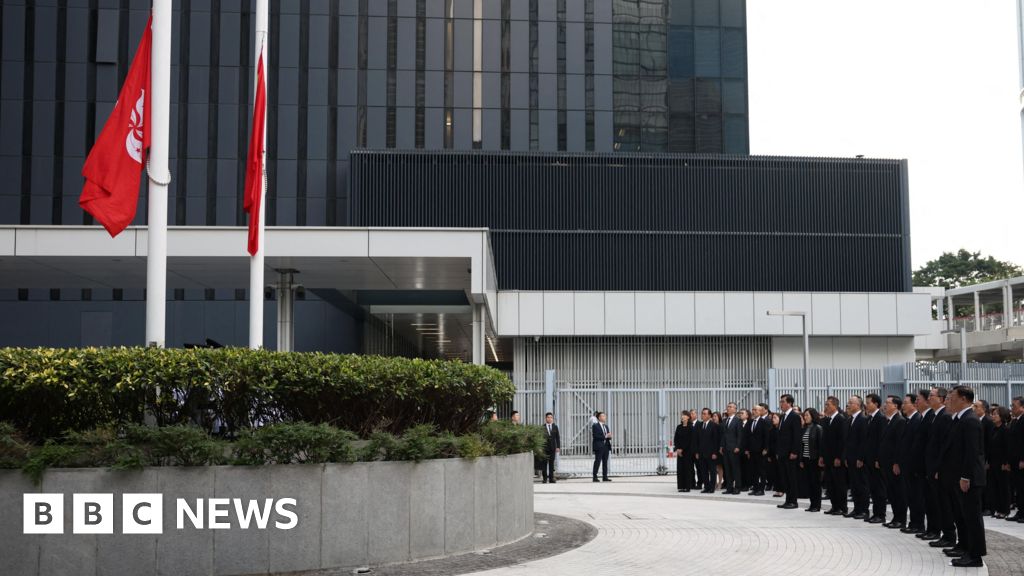
Hong Kong kicks off three days of mourning after deadly apartment fire

The recent devastating blaze at Hong Kong’s Wang Fuk Court has sent shockwaves across the city and beyond, prompting urgent questions about safety, governance, and accountability in one of the world’s most densely populated urban spaces. The fire, which claimed at least 128 lives—making it the deadliest in nearly 80 years—has exposed underlying vulnerabilities in infrastructure management and regulatory oversight that many analysts deem indicative of a broader systemic failure. As residents mourn, officials have initiated a three-day period of official mourning, reiterating the gravity of this tragedy on the national and international stage.

This catastrophe underscores a significant geopolitical impact that extends past Hong Kong’s borders. The city, celebrated for its economic vitality and vibrant society, now faces a crisis that could influence regional stability and perceptions of governance, especially amid ongoing debates about security, corruption, and urban resilience. Authorities have already arrested key figures—including directors of engineering firms and scaffolding subcontractors—on suspicion of corruption connected to the renovation works. Such developments have raised alarms about the integrity of safety inspections and the handling of urban renewal projects, which, according to international standards, should prioritize residents’ safety above all.

Crucially, the aftermath reveals a deeper narrative about how decisions made during modernization and refurbishment efforts can pave the way for tragedy. Public outrage has grown over reports of negligent maintenance, broken fire alarms, and the improper installation of flammable polystyrene insulative materials. The use of bamboo scaffolding, common in Hong Kong, becomes a focal point of scrutiny as investigators probe whether inadequate safety measures and lax oversight contributed to the fire’s rapid spread. Historians and analysts warn that such incidents highlight the peril of prioritizing rapid urban development over sustainable safety protocols, especially in high-risk environments like tower blocks filled with vulnerable residents.

In response to this calamity, international organizations like the United Nations and World Safety Organization are closely monitoring the situation, urging Hong Kong’s authorities to conduct transparent, comprehensive investigations. The potential for international repercussions increases if questions persist about the role of political and economic elites in perpetuating unchecked corruption. The scene at Wang Fuk Court, now a symbol of urban tragedy, also signals a reminder that the path to recovery lies not only in rebuilding infrastructure but in restoring public trust. As Hong Kong grapples with mourning and justice, the broader world watches how this story unfolds amidst a fragile geopolitical landscape, where each decision could shape the future of one of the most strategic regions on the planet. The weight of history presses heavily, and the ongoing response could ultimately redefine the limits of urban resilience and state accountability in a city often seen as a beacon of progress—yet now, a stark reminder of its fragility.

Social Media Auto Publish Powered By : XYZScripts.com