Matox News

Truth Over Trends, always!

France to summon US ambassador over comments on far-right activist's death
France to summon US ambassador over comments on far-right activist’s death

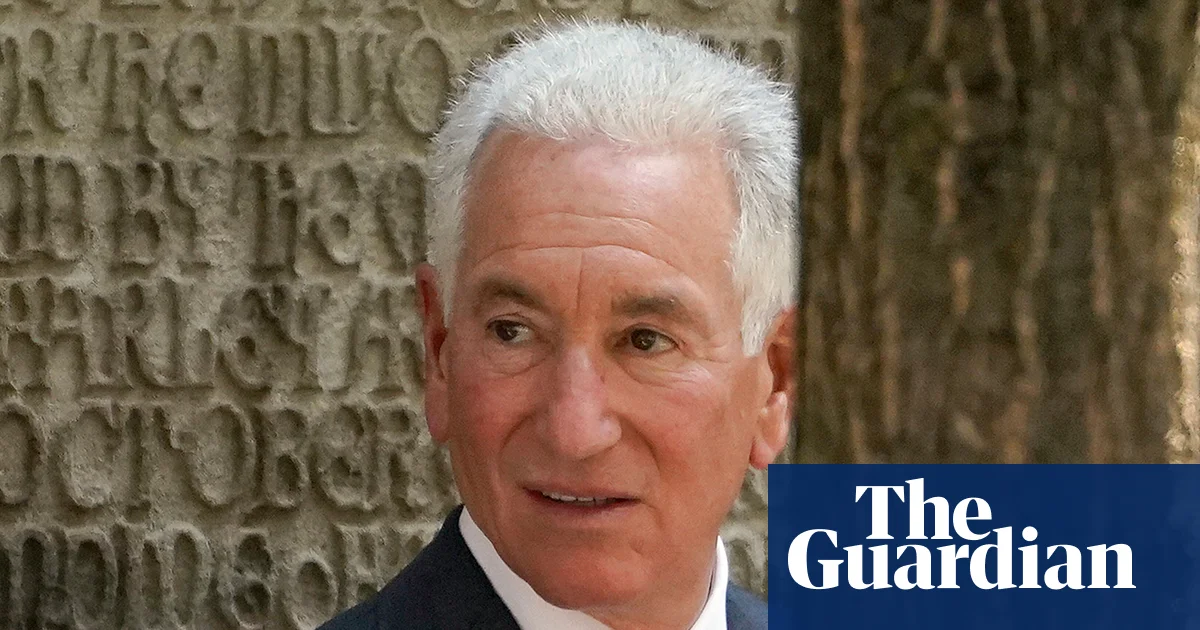
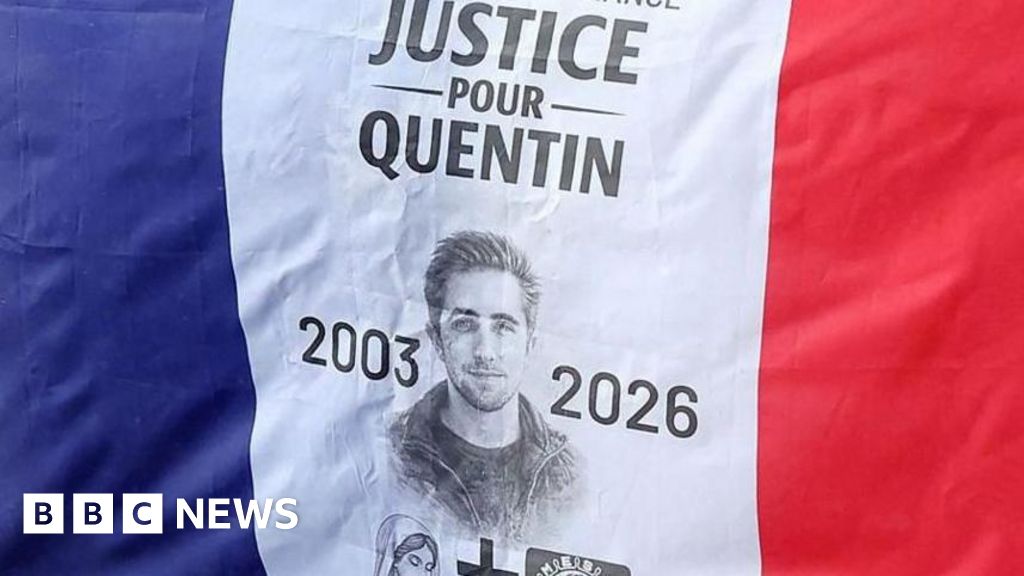
In a move indicative of escalating international diplomatic tensions, France is signaling a serious escalation with the United States following recent incendiary comments by U.S. ambassador Charles Kushner. French Foreign Minister Jean-Noël Barrot announced plans to summon Kushner over remarks concerning the brutal murder of Quentin Deranque, a prominent far-right activist. Deranque’s death in Lyon last week, during a violent confrontation with alleged hard-left militants, has ignited a firestorm of political and diplomatic reactions.

The incident, already fraught with ideological polarization, is being closely monitored by international bodies and analysts, who warn of the dangerous implications behind the rhetoric. Both the U.S. State Department’s Bureau of Counterterrorism and the American embassy in France issued statements on X—formerly Twitter—highlighting the perceived rise of violent radical leftism as a threat to public safety. These comments have fueled fears that evolving narratives could deepen the divide, exacerbating political polarization and social unrest across transatlantic relations. As historian Dr. Anne Richter notes, “Such inflammatory discourse not only worsens diplomatic strain but also emboldens ideological extremism.”

For Paris, this incident underscores a broader geopolitical landscape marked by mounting ideological conflicts and shifting alliances. The French government, historically rooted in preserving civic order amid rising populism, perceives the U.S. comments as interference—a dangerous precedent that could threaten sovereignty and domestic stability. Meanwhile, Washington’s emphasis on the threat of “radical leftism” appears to reflect a broader American political strategy, aimed at framing internal dissent as an external security concern. This international discourse aligns with the warnings by organizations such as the European Council and International Crisis Group, which warn that such rhetoric risks fueling ideological conflicts that transcend national borders, endangering democracy itself.

As nations grapple with the repercussions of inflammatory speech and rising violence, the case of Quentin Deranque serves as a stark reminder: decisions taken today will define the geopolitical landscape for generations to come. The unfolding crisis in France not only tests bilateral diplomacy but also questions the very fabric of societal cohesion in an era rife with ideological upheaval. The narrative remains unwritten, but history’s watchful eye tells us that the coming days will be pivotal—once again illustrating that in geopolitics, the line between dialogue and discord is often razor-thin.
Nine Arrested in France Over Far-Right Student’s Death

In a disturbing turn of events, Quentin Deranque’s life was tragically cut short on Saturday, just two days after he was assaulted by masked individuals in Lyon. The incident, believed to be orchestrated by far-left militants, has sent shockwaves across the political landscape of France. As reports surface implicating radical factions, international observers and diplomatic voices are increasingly alarmed about the escalation of political violence shaping Europe’s second-largest economy.

The assault and subsequent death underline growing tensions in a continent grappling with ideological polarization. Historian Michael Hart, a prominent analyst of European radicalism, warns that such acts of violence threaten to undermine the social fabric and the rule of law if left unchecked. The incident also raises questions about the effectiveness of law enforcement and the government’s capacity to contain militant factions whose activities are often cloaked in secrecy. The political climate in France appears to be fracturing, with militant groups exploiting social grievances to justify violent actions against perceived enemies.

This tragic event, occurring amidst broader geopolitical shifts, highlights the **rise of extremist movements across Europe**, which many analysts argue are exacerbated by economic instability, immigration debates, and social discontent. International organizations such as the European Union have called for increased vigilance and unity, yet critics argue that their responses insufficiently address the root causes of such violence. The death of Deranque could be a catalyst for a reevaluation of security strategies and confrontations with militant factions that threaten to destabilize the region’s fragile peace.

As global powers watch developments closely, the incident serves as a stark reminder that the battle over cultural identity, political ideology, and national sovereignty is intensifying. The United States, the UK, and other allies are monitoring France’s internal struggles, often warning that unchecked radicalization within one member state could have repercussions extending beyond Europe’s borders. Historians warn that these moments of violence could usher in a darker era, a period where ideological extremism erodes the foundational pillars of democracy and civil order, forcing nations into difficult choices. As the dust settles and investigations unfold, the world stands at a crossroads, teetering on the edge of a new chapter where history’s lessons must be heeded—lest chaos and division become the new normal.

Will Hong Kong’s media titan Jimmy Lai face a prison death? – The Latest | Jimmy Lai

Jimmy Lai Sentenced in Hong Kong: A Turning Point in Global Politics

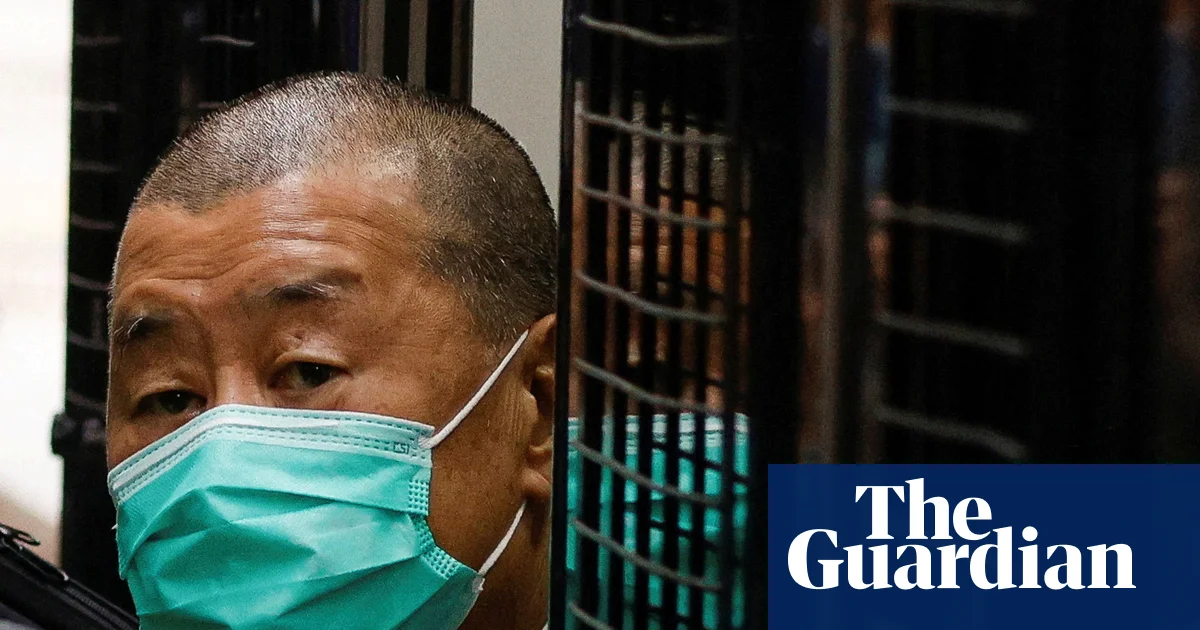
In a move that signals a pivotal shift in the geopolitical landscape of Asia, Hong Kong‘s judiciary has handed down a 20-year prison sentence to renowned media mogul and pro-democracy advocate Jimmy Lai. The verdict, rooted in charges of sedition and conspiracy to collude with foreign forces, represents a stark escalation of Beijing’s tightening grip on the semi-autonomous city, where the balance between civil liberties and unified control is increasingly fragile. Lai’s conviction follows a series of escalating measures aimed at stifling dissent, with critics warning that this marks a new era of authoritarian assertiveness disguised as legal action.

The Chinese Communist Party (CCP) leadership explicitly views Lai’s case as a warning against foreign interference and a lesson in loyalty. Historically celebrated as a champion of free press and democratic values, Lai now faces a prolonged imprisonment amidst his declining health at age 78. This case is not merely about one individual but is emblematic of broader efforts to recalibrate Hong Kong’s special status since the 2019 protests. Analysts argue that this demonstrates how the CCP leverages legal systems to consolidate power, signaling to international observers that any challenge to its sovereignty will be met with unwavering harshness.

  • In December, Lai was convicted after pleading not guilty to the charges—an act seen by many as a statement of protest against what critics characterize as Beijing’s erosion of Hong Kong’s promised freedoms. The sentence has triggered international condemnation, with governments like the United States and United Kingdom issuing statements warning of the diminishing autonomy of Hong Kong and the threat to global standards of human rights.
  • The verdict is also a reflection of how the National Security Law, imposed by Beijing in 2020, has reshaped Hong Kong’s legal landscape, bypassing the common law system that once protected free speech. This legal framework has effectively criminalized dissent, making Lai’s case a high-profile example of what critics call the crackdown on civil society.
  • International organizations, including Amnesty International and the United Nations, warn that such measures threaten the global reputation of China and undermine the principles of democracy and rule of law cherished worldwide.

This case’s reverberations extend beyond Hong Kong, impacting regional stability and US–China relations at a time when geopolitical tensions are already at a boiling point. The United States, by reaffirming its commitment to human rights and free expression, is positioning itself as a counterbalance to Beijing’s authoritarian ambitions, which many see as part of a larger struggle for influence across the Indo-Pacific.

As historians and analysts debate whether Lai’s imprisonment marks a new chapter of international authoritarianism or a temporary setback in Hong Kong’s fight for democracy, the global community must grapple with the truth that history is now being written in the shadows of Chinese tanks and courtrooms. The weight of the past lingers, but the future remains uncertain—yet undeniably, the actions taken today will echo into the coming generations as either the preservation of liberty or its irreparable loss. With each legal salvo, the unfolding story reminds us of how fragile freedom can be when neglected or suppressed, and how history’s pen is never at rest.

Court warns Australia’s deportation to Nauru could make refugee’s death ‘inevitable’ and preventable

In recent months, Australia has become the focal point of a heated international debate centered around its harsh immigration policies, particularly concerning non-citizens and refugees. The government’s relentless push to deport individuals to remote Pacific islands such as Nauru has raised profound questions about human rights, legal sovereignty, and international relations. The case of an Iranian refugee, identified as TXCM, epitomizes this controversy and exposes the broader geopolitical implications of Australia’s policies. Legal battles over his potential deportation to Nauru—despite clear medical risks—highlight the government’s willingness to prioritize border enforcement over humanitarian considerations, a stance that threatens to destabilize Australia’s standing both regionally and globally.

Under the current government, led by Anthony Albanese, Australia has struck a controversial $2.5 billion deal with Nauru designed to transfer asylum seekers and non-citizens to the tiny Pacific island for long-term detention and visa arrangements. This agreement, enacted in February, serves as a strategic attempt to offload the strain on Australia’s immigration detention system, but it has sparked accusations of moral abdication. Critics, including international human rights organizations and domestic legal experts, argue that this approach “fuels kleptocracy” and dilutes Australia’s moral authority. The decision to extend 30-year visas to those sent to Nauru underscores how the government seeks to normalize indefinite detention, challenging traditional notions of justice and due process within a legal framework that many see as increasingly sidelined.

The legal controversy surrounding TXCM underscores a broader shift in policy and jurisprudence. His case—one of more than 350 non-citizens freed from indefinite detention after the 2023 High Court ruling—illustrates a turning point: the judiciary’s pushback against prolonged detention based on the impracticability of removal. However, recent legislative amendments have sought to undermine this trajectory. The ruling government has swiftly changed the Migration Act to eliminate “natural justice” rights for individuals on removal pathways—effectively stripping non-citizens of fair hearings once deportation is decided. Analysts warn that such measures threaten to embolden arbitrary state power, risking international condemnation and further destabilizing Australia’s diplomatic relations, especially with Iran and other nations whose citizens face deportation.

The geopolitical impact extends beyond Australia’s borders. The Nauru deal—while seemingly a matter of domestic policy—has profound regional consequences. It creates a precedent for other nations grappling with similar migration pressures, potentially emboldening authoritarian regimes to leverage migration controls as tools of strategic influence. European scholars and international organizations have warned that such policies risk fostering “authoritarian resilience” by enabling regimes to manipulate humanitarian norms for political gain. Meanwhile, countries like China observe closely, perceiving Australia’s approach as an example of border militarization that could inspire similar strategies across Asia-Pacific. The unfolding story of TXCM and Australia’s policies serve as a stark reminder that the decisions made now are shaping the future of global governance and sovereignty.

As history continues to unfold, the weight of these decisions cannot be overstated. Australia’s internal debates over justice, morality, and national security are emblematic of a larger global struggle—one where the lines between sovereignty and humanitarian responsibility are increasingly blurred. The coming months are likely to reveal whether Australia’s strict policies will withstand international scrutiny or become a cautionary tale of a nation grappling with its own moral compass. With each legal challenge and diplomatic fallout, the echoes of history grow louder, reminding the world that the choices made today will resonate through generations to come, defining the true character of nations in an uncertain new era.

US slams 'vile' death of Venezuelan opposition leader in custody
US slams ‘vile’ death of Venezuelan opposition leader in custody

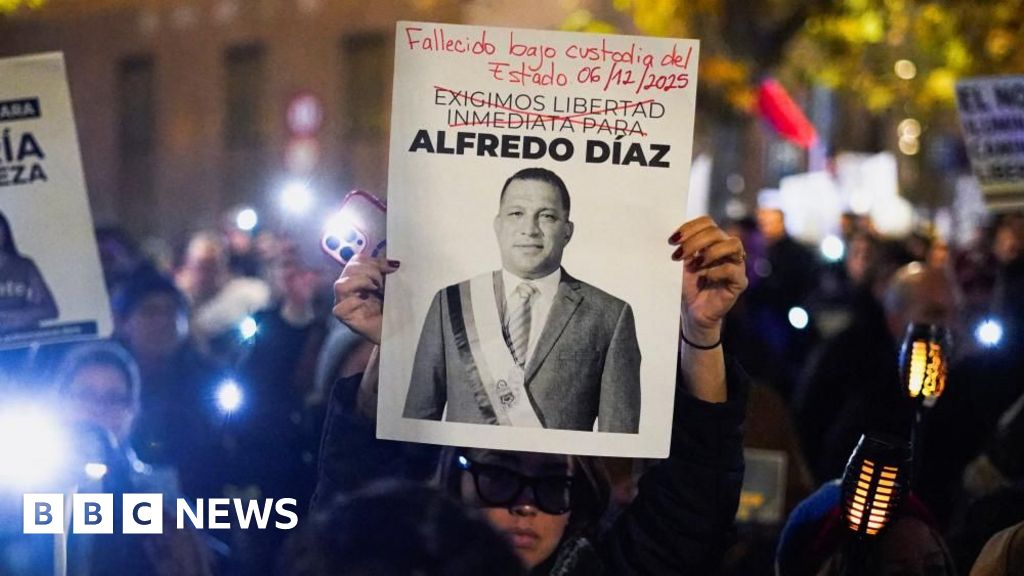
The recent death of Alfredo Díaz, a prominent opposition figure in VENEZUELA, has ignited a fresh international wave of controversy, exposing the fragile state of human rights and political stability in the country. Díaz, detained in the infamous El Helicoide prison for more than a year, was claimed by the Venezuelan government to have died from a heart attack; however, numerous human rights organizations and opposition groups allege that his death is indicative of ongoing political repression and torture. The death comes at a time of heightened tensions between VENEZUELA and the United States, further complicating the geopolitical landscape of the Caribbean and Latin America.

  • The US has condemned the Maduro regime, describing Díaz’s death as a “vile reminder” of Venezuelan authoritarianism.
  • Washington accuses VICE PRESIDENT NICOLÁS MADURO of wielding a brutal “torture center” and arbitrarily detaining opposition figures.
  • Meanwhile, US military maneuvers—including increased naval deployments and deadly strikes on vessels alleged to be involved in drug smuggling—underscore a significant shift in regional power dynamics.

Senior analysts and international bodies warn that these developments represent a critical turning point in US-Latin America relations. The US administration, under President Donald Trump, has escalated military and political pressure, alleging that Maduro himself is involved in drug trafficking, even going so far as to label Venezuelan drug cartels as terrorist organizations. This aligns with long-standing US efforts to justify intervention on the pretext of anti-drug initiatives—despite widespread skepticism among experts, including those from the United Nations and regional think tanks, who view these tactics as thinly veiled attempts at regime change.

Historically, VENEZUELA has been a nexus of geopolitical contention, with its vast oil reserves positioning it as a critical piece in regional and global strategic calculations. The recent political upheaval—sparked by disputed elections in 2024, which the opposition claims were neither free nor fair—has only deepened the crisis. Opposition leader María Corina Machado warned that Díaz’s death is not isolated but representative of ongoing repression targeting democracy itself, emphasizing that “another political prisoner has died in Venezuelan jails.” Such narratives have served to rally international condemnation and bolster opposition pressures, further isolating Maduro’s government on the world stage.

The U.S. response has been both diplomatic and military, with officials openly accusing Maduro of “emptying his prisons into the U.S.” and directly linking him to drug cartels. Meanwhile, regional actors like Colombia’s President Gustavo Petro have criticized Washington’s military interventions, claiming they seek to “dominate” Latin America’s sovereignty. The deployment of the largest U.S. naval fleet in decades signals a clear message: the American sphere of influence—once considered waning—remains committed to shaping the future of this troubled region. As the Venezuelan army mobilizes thousands in response to what it calls US “threats,” the potential for open conflict looms, echoing the turbulent history of Cold War proxy struggles and regional Cold War realignments.

As the international community watches with bated breath, the fate of VENEZUELA hangs precariously in the balance. The resumption of diplomatic ties—like the agreement between Maduro and Recep Tayyip Erdogan to revive Turkish Airlines flights—offers a fleeting glimpse of normalcy, yet beneath this veneer, geopolitical forces continue their relentless march. The weight of history presses down on this volatile crossroads, and the coming days may witness a shift that defines generations. For in the corridors of global power, the decisions made today will echo through the ages, shaping the destiny of nations caught in the relentless tide of revolution, repression, and struggle for sovereignty.

San Diego Settles for $30M in Police Shooting Death of 16-Year-Old Boy

San Diego Reaches $30 Million Settlement in Police Shooting of Teenager

In a landmark decision, the city of San Diego has agreed to pay $30 million in a settlement to the family of Konoa Wilson, a 16-year-old who was fatally shot by a police officer while fleeing dangerous circumstances at a local train station. This settlement, one of the largest civil payouts in the United States concerning a police shooting, underscores the ongoing crisis of police use of deadly force and raises critical questions about race, accountability, and systemic bias within law enforcement agencies nationwide. As international observers watch, this incident exemplifies the complex intersection of justice and public safety, fueling debates that resonate well beyond American borders.

Wilson’s tragic death occurred during a chaotic shootout at the Santa Fe station, where a youth had opened fire and injured another individual. Exiting the scene in fear, Wilson ran past officer Daniel Gold, who, according to police footage, immediately drew his weapon and fired multiple shots at the fleeing teen’s back—even as Wilson did not threaten or brandish a weapon at the moment of the shooting. Body camera footage reveals that Gold identified himself only after initiating the gunfire, further fueling allegations of excessive use of force. The civil lawsuit filed on behalf of Wilson’s family accused the officer of racial violence, emphasizing the racial dynamics at play and portraying the shooting as rooted in systemic biases.

By accepting this settlement, San Diego tacitly acknowledged the gravity of the incident—though city officials maintained it was a *business decision* rather than an admission of liability. Critics argue that police officers operating within a framework of systemic racism often perceive Black youth as threats, leading to tragedies like Wilson’s death. Historians and human rights advocates point out that such incidents are not isolated; they reflect a broader pattern of racial profiling that persistently undermines community trust and endangers vulnerable populations. International organizations, including the United Nations, have repeatedly voiced concern about racial disparities in police violence, urging reforms to ensure more just and equitable law enforcement practices worldwide.

This incident marks a significant turning point—highlighting the urgent need for comprehensive reforms and better accountability mechanisms within police forces across the globe. As governments grapple with these issues, the fallout from such tragedies shapes international discourse on state violence and human rights. How nations respond to this mounting pressure will influence the delicate balance between security and liberty, potentially redefining the role of law enforcement in societies seeking justice and fairness.

The saga of Wilson’s death remains a stark reminder that the weight of history and the pursuit of justice continue to unfold, forging a path that nations worldwide are watching with cautious anticipation. As the ripple effects of this settlement echo through the corridors of power, one fact remains clear: the fight for meaningful reform is far from over, and its outcome will shape generations to come. With each decision, policymakers stand at a crossroads—either advancing toward genuine justice or retreating behind the barriers of systemic inertia, risking the further erosion of public trust and the moral fabric of society.

Dignitas Founder Chooses Assisted Death, Making Bold Statement on End-of-Life Choices

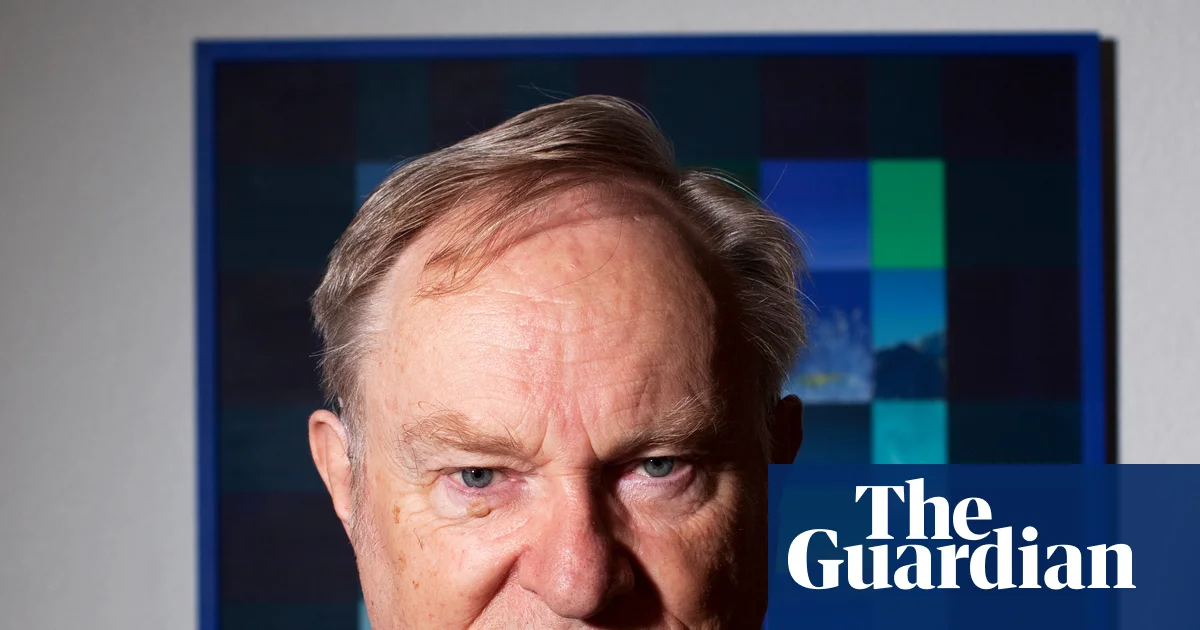
The recent passing of Ludwig Minelli, founder of the Swiss right-to-die organization Dignitas, marks a significant milestone in a rapidly evolving global debate over assisted dying. Minelli’s choice to end his own life at nearly 93, through an assisted death he championed for decades, encapsulates the profound ideological shift occurring across the world — from legal battles to cultural acceptance. He dedicated his life to the principle of self-determination in end-of-life choices, and his impact on Swiss law and the broader international legal landscape underscores the importance of these evolving norms. As the world witnesses this transformation, analysts emphasize that Minelli’s legacy continues to shape societies’ perceptions of dignity, autonomy, and the moral questions surrounding assisted death.

The case of Switzerland stands as a testament to the country’s progressive stance. While euthanasia—where a third party directly administers lethal assistance—is illegal, assisted dying remains legal and culturally accepted. This legal framework was notably influenced by Minelli’s persistent activism, which culminated in landmark rulings such as a 2011 European Court of Human Rights decision affirming the right to self-determination in end-of-life decisions. These legal precedents have inspired debate and legal reform across Europe and beyond, prompting countries like France, Spain, and Austria to enact laws permitting assisted dying under specific circumstances. The global geopolitical impact of this expansion is profound, as it challenges traditional values rooted in sanctity of life, compelling nations to reconsider their legal and ethical boundaries amidst shifting societal norms.

This wave of change is not confined to continental Europe. In North America, more than ten U.S. states have legalized assisted death, reflecting mounting support for personal autonomy in the face of terminal illness. Meanwhile, Canada and Australia have likewise embraced legislative reform in recent years, signaling a broader geopolitical realignment. However, within the UK, the debate remains fiercely contested. Despite a parliamentary vote in June backing the legal framework for terminally ill patients to seek assisted death, the legislation faces relentless scrutiny in the House of Lords. Critics argue the bill requires rigorous safeguards to protect vulnerable populations, and opponents have successfully delayed passage, emphasizing ongoing societal divisions over moral and legal dimensions. This illustrates how, even in democracies with long-standing traditions of debate, the transformation toward acceptance of assisted dying is not guaranteed but hinges on complex, high-stakes decision-making.

The influence of Minelli and Dignitas, and their advocacy, extend well beyond Swiss borders, shaping international discussions about personal sovereignty and the ethics of assisted death. As historian and legal analyst Dr. Amelia Carter notes, Minelli’s persistent legal challenges—culminating in appeals to the European Court of Human Rights—have helped reframe assisted dying as a matter of human rights rather than mere moral controversy. Yet, this evolving landscape comes at a cost, as societies grapple with the moral implications and societal risks of legislating individual choice over life and death. As Minelli’s legacy persists, the global community finds itself at a crossroads: do we uphold rigid sanctity of life, or embrace a future where autonomy, dignity, and personal choice dictate the terms of our final moments? As history continues to unfold, the answer will shape the moral fabric of nations and forge a new chapter in the ongoing debate over the right to die with dignity.

Death toll hits 146; thousands line up to honor victims

Tragedy Unfolds in Hong Kong: Deadliest Fire in Over 70 Years Claims 146 Lives

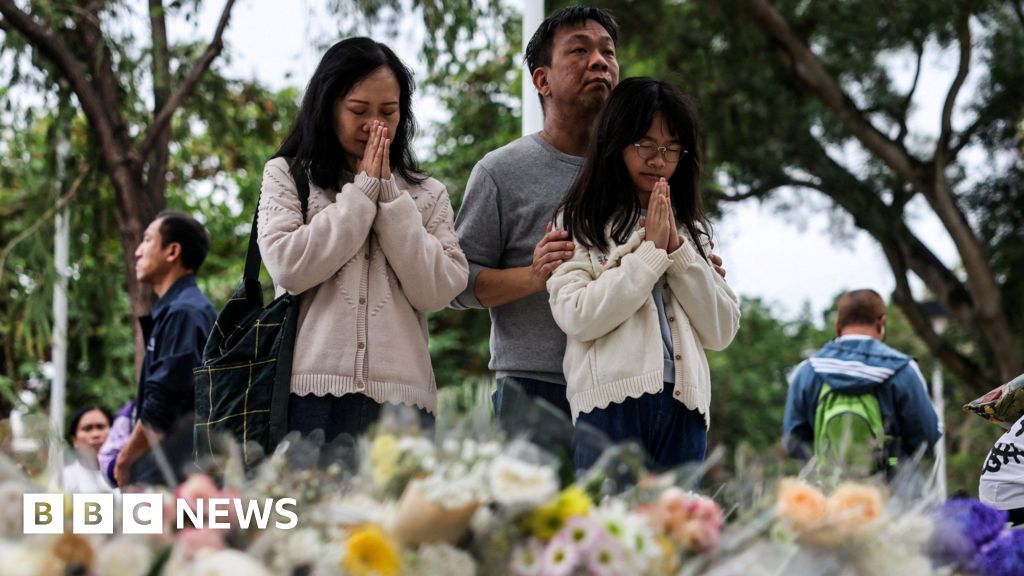
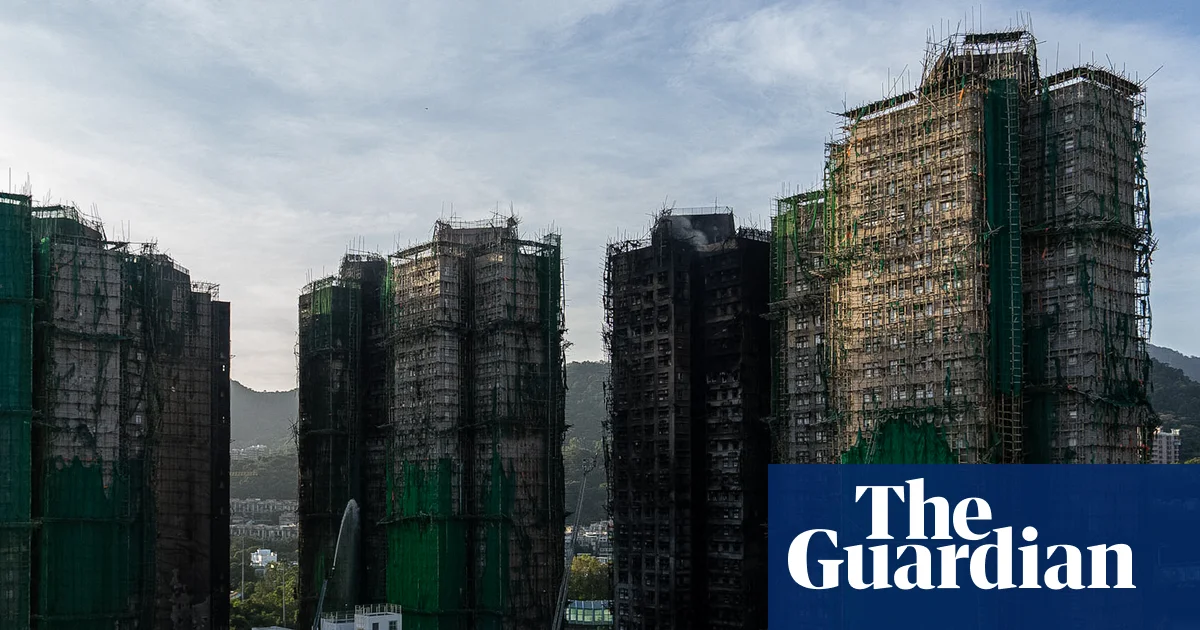
On what has become a nightmarish day for the Hong Kong-administrated territory, a catastrophic fire swept through multiple high-rise buildings in the Tai Po district, resulting in the loss of at least 146 lives. As authorities grapple with the devastating toll, the incident is sending shockwaves across the international community, exposing critical vulnerabilities in building safety protocols and igniting debates over regulatory oversight. The blaze, which began on Wednesday, rapidly engulfed seven of the eight tower blocks, forcing a massive firefighting operation that involved over 2,000 personnel and lasted until early Friday morning.

Initial investigations suggest that flammable materials, including plastic netting and bamboo scaffolding—standard in Hong Kong’s construction and renovation scene—may have substantially contributed to the fire’s ferocity. Fire officials reported temperatures soaring to 500°C (932°F), with flames spreading vertically and horizontally across interconnected towers, hampering efforts to contain the inferno. Shockingly, residents have raised concerns that fire alarms throughout the affected blocks were either malfunctioning or unheeded during the early stages of the blaze, exacerbating the tragedy. Arrests have been made—eight individuals detained on suspicion of corruption related to the renovation works, and three on manslaughter charges—highlighting potential negligence that may have played a pivotal role in the disaster’s escalation.

International Fallout and the Global Power Dynamics

  • The Chinese government, which maintains tight control over Hong Kong, has now faced intense scrutiny. Societies all over the world are watching with wary eyes as questions emerge about the effectiveness of Hong Kong’s regulatory agencies and the influence of corruption within the city’s development sector.
  • Foreign nations, including Indonesian and Philippine consulates, have reported multiple victims, underscoring the fire’s international human toll. The presence of foreign nationals among the dead complicates diplomatic relations and raises fears over safety standards for expatriates living in the region.
  • Global institutions like the United Nations, which frequently advocate for improved urban safety and disaster preparedness, are likely to face increased pressure to push for reforms, especially in densely populated urban centers vulnerable to similar calamities. This incident illuminates the ongoing challenges that advanced economies face in managing urban infrastructure, and some analysts warn that neglect and corruption are undermining decades of progress towards safer living environments.

How Decisions Shape Societies—A Critical Reflection

The fire at Wang Fuk Court is not merely an isolated tragedy but a reflection of broader issues endemic to modern urban development—namely, the prioritization of cost-cutting over safety, and the apparent apathy towards structural integrity, especially in government-subsidized housing. Historians note that Hong Kong has experienced devastating fires before, with the 1948 disaster claiming 176 lives and the 1918 Happy Valley Racecourse fire surpassing 600 casualties. Yet, each catastrophe has historically prompted fleeting reforms rather than systemic change, a pattern the current crisis risks repeating if urgent action is not taken.

International experts and organizations, including the World Health Organization and urban safety watchdogs, emphasize that these tragedies serve as harsh lessons in urban resilience. The atmosphere of corruption, coupled with lax enforcement and infrastructural shortcuts, directly endangers the very fabric of society. As protests and public mourning continue, the question remains: how many more lives will have to be lost before the collective will is galvanized into meaningful reform? The high-rise flames might have been extinguished, but the flames of accountability and vigilant civic oversight are yet to be kindled in earnest. This is a chapter that history will either condemn for negligence or commend for its resolve—either way, the story is still being written.

Hong Kong apartment blaze nearly contained as death toll hits 94—rescue efforts ongoing

The devastating fire that swept through the Hong Kong housing complex in Tai Po has once again brought into focus the perilous state of urban safety standards amidst rapid development. With a death toll rising to 94 and over 250 still missing, this tragedy marks one of the deadliest fires in Hong Kong’s history in over 70 years. Rescue operations, which are now nearing their end, have uncovered harrowing details about the flames’ ferocity and the vulnerabilities inherent in densely populated, poorly regulated apartment complexes. This disaster underscores a broader dilemma facing many urban centers in the Asian-Pacific region, where modernization disproportionately outpaces safety enforcement.

Experts and international organizations have expressed concern that this tragedy reflects systemic issues rooted in the region’s construction and safety regulations. Analysts from the International Safety Council warn that without stricter enforcement, such accidents will remain commonplace. Investigators have focused capsule-like on the bamboo scaffolding, green mesh coverings, and the highly flammable styrofoam used in elevator window coverings—elements that significantly contributed to the fire’s rapid spread. The controversy over the construction materials highlights how cost-cutting and lax regulation can turn urban infrastructure into deathtraps. However, the most urgent question remains whether Hong Kong’s authorities will reform safety standards or continue to allow shortcuts that risk lives.

Amidst this chaos, Hong Kong’s government and officials from the construction oversight agencies are under intense scrutiny. Arrests have been made involving three employees linked to a company involved in the ongoing renovations. This incident has sparked wider debates about the efficacy of current fire safety laws. Critics point to the absence of mandatory flame-retardant regulations, emphasizing that current codes merely serve as guidelines rather than enforceable mandates. Lee Kwong-sing, chair of the Hong Kong Institute of Safety Practitioners, stated that turning these codes into legal requirements could serve as a crucial deterrent. This event is prompting calls for sweeping reforms within the construction sector—a sector where shortcuts can cost lives in a matter of minutes.

This tragedy dramatically illustrates the geopolitical impact of urban safety neglect, especially for a city like Hong Kong, known for its dense populace and economic prominence. How a society manages its urban environments reflects its respect for human life, and failure to adapt safety standards can lead to international criticism, damage to reputation, and heightened social unrest. Historically, urban fires such as the Great Chicago Fire and London’s Grenfell Tower tragedy serve as stark lessons—reminders that neglecting safety regulations publicly endangers entire communities and influences policy globally. As international observers monitor Hong Kong’s response, the world waits to see if this moment will catalyze a genuine overhaul of safety standards or if it will be yet another statistic in the ongoing tragedy of urban neglect.

In the shadow of flames and loss, history still unfurls—urging societies to heed the warnings of the past. If this disaster proves anything, it is that the spectacle of human tragedy can serve as a catalyst for meaningful reform or become yet another chapter in a pattern of ignored safety laws. As survivors and grieving families seek justice and accountability, the international community’s concern deepens—reminding us that in the race toward progress, neglect is an enemy that must be held at bay, lest history repeat itself at an even greater cost.

Parents blame system failure as NHS fined £200,000 over tragic death of daughter

In recent months, a tragic and sobering case has underscored the profound significance of societal and institutional responsibilities in safeguarding families and communities. The death of Ellame Ford-Dunn, a 16-year-old girl battling severe mental health issues, highlights glaring deficiencies in the NHS system tasked with protecting its most vulnerable members. The tragic sequence—her absconding from a 24-hour acute mental health ward and subsequent suicide—has ignited debates about the integrity and adequacy of mental health services, especially for young people. Her parents have publicly expressed their profound grief and anger, emphasizing that their daughter was failed by a system designed to safeguard her.

The failures go beyond individual negligence, illustrating a deep systemic shortcoming. According to officials, the supervising nurse did not follow Ellame when she left the ward—an act justified by instructions not to pursue patients who absconded. This procedural lapse was linked to broader issues such as the national shortage of mental health beds for children and adolescents, which has forced overwhelmed institutions into making difficult decisions. The trust involved pleaded guilty to criminal health and safety offences and was fined £200,000 plus costs, acknowledging its failure to provide safe care. Yet, critics argue that financial penalties are insufficient when weighed against the human cost of such tragedies, asserting that these incidents reveal failures embedded within the very fabric of an understaffed and underfunded mental health infrastructure.

Expanding beyond the immediate case, experts and social commentators warn that such failures threaten the fabric of family and community life. Societal institutions—including schools, health systems, and community organizations—are interconnected in a delicate web of support. When one strand weakens, families are left to bear the burden of preventable losses. Historically, sociologists such as Émile Durkheim have emphasized that social cohesion relies on trust in institutions—trust that must be rooted in accountability and effective service delivery. Within this context, the ongoing struggle to adequately resource mental health services for youth reveals how social neglect can produce devastating outcomes that ripple through generations. This case acts as a stark reminder that families, especially those with vulnerable children, pay the highest price when systems falter, and that societal failure to adapt to evolving mental health challenges risks fracturing the moral fabric of communities.

Yet, amidst grief and calls for reform, there lies a persistent hope that society can reflect on these failures and transform them into catalysts for real change. As mental health experts advocate for more comprehensive policies and increased funding, there is a pressing moral imperative to prioritize the well-being of our youth. The story of Ellame is not merely a story of tragedy but a call for society to recommit to its moral duty—envisioning a future where no parent must endure such loss, and where institutional failures give way to resilient, caring systems responsive to the needs of children in distress. Society must unite in this challenge, for in our collective response, lies the potential to forge a future where safety, dignity, and hope are accessible to every vulnerable child, and where the scars of past failures serve as lessons guiding a society toward true justice and compassion.”

Social Media Auto Publish Powered By : XYZScripts.com