Matox News

Truth Over Trends, always!

School talks falsely compare student loans to £30 phone plans—misleading our youth about debt risks

In recent years, societal transformation has become a central theme in conversations about youth engagement, economic understanding, and community well-being. Yet, a revealing anecdote from a decade ago underscores a phenomenon that continues to influence how society addresses its pressing issues. Graduates tasked with delivering pivotal social presentations were instructed to avoid using words like “debt” — a subtle but profound indication of the discomfort and deliberate concealment surrounding financial realities. This approach, emblematic of a broader tendency to sideline difficult truths, impacts families, educational systems, and entire communities, fostering an environment where transparency is sacrificed in favor of politeness or political convenience.

The avoidance of honest dialogue about economic struggles contributes to a culture of denial and misinformation. Historians and social critics, such as *James Q. Wilson*, warn that when the societal narrative is sanitized, the foundational understanding of economic responsibility erodes among young generations. This disconnect hampers their ability to engage critically with personal and collective financial decisions, thereby weakening the social fabric. Without confronting discomforting realities directly, families and communities find it increasingly difficult to cultivate resilience or implement effective strategies for economic empowerment. As a result, educational institutions risk producing a generation less prepared to navigate the complex financial landscape, ultimately threatening long-term societal stability.

This trend reflects a larger societal issue, where *cultural shifts* tend to prioritize comfort over authenticity. As social commentator Robert Putnam emphasizes, the erosion of open dialogue damages the social capital essential not only for economic growth but for mutual understanding across communities. Social tensions arise when the honest acknowledgment of problems like debt, unemployment, or social inequality remains unspoken or minimized. Such suppression fosters distrust and disengagement, particularly among youth who seek genuine connection and understanding. Addressing these challenges requires a reevaluation of educational and social frameworks to foster environments where difficult conversations are promoted, not avoided. Solutions involve proactive community programs, transparent communication policies, and a renewed emphasis on financial literacy in schools.

In moving forward, society must reckon with the reality that recognizing and confronting our flaws can serve as a foundation for renewal. It demands a collective effort, where families, educators, and community leaders work in solidarity to cultivate honesty and resilience. The challenge lies in transforming societal habits—breaking free from the shame and discomfort associated with financial struggles or social tension—so that future generations can build bridges of understanding rather than walls of silence. In this delicate balance between truth and compassion, society’s true strength will be tested, and perhaps, redefined.

Understanding Student Loans: What Teens Need to Know Before They Hit the Debt Wall

The Rising Tide of Student Debt: A Society at Crossroads

In recent years, the surge in tuition fees across England and Wales has become a defining issue for today’s youth and the families who support them. As universities raise costs, students are increasingly burdened with substantial financial obligations that extend long into their post-graduation lives. This mounting debt not only impacts individual prospects but also reverberates through communities, shaping the social fabric of the nation.

Economists and social commentators warn that escalating tuition fees threaten to deepen social inequalities. Higher education, traditionally viewed as a ladder to economic mobility, is gradually becoming an exclusive domain—accessible mainly to those from affluent families and communities. As demographic shifts favor urban and middle-class populations, rural and economically disadvantaged youths face barriers that could limit their opportunities, reinforcing existing social divides. This trend risks fostering a culture of financial anxiety among younger generations, who graduate with debts that hinder their ability to buy homes, start families, or invest in their future.

The strain of rising costs on families is palpable. Many parents see their children’s dreams deferred as the cost of education becomes prohibitively high. Young students often find themselves caught in a debate: pursue higher education with the hope of improved prospects or forego it to avoid crippling debt. Universities, in turn, grapple with balancing quality education amid economic pressures, sometimes sacrificing accessibility for profitability. Sociologists like Dr. Alice Johnson argue that this dynamic risks cultivating a generation overwhelmed by debt and social burden, diminishing their capacity to contribute fully to their communities.

Addressing this crisis demands urgent, multifaceted solutions.

  • Initiatives to cap or reduce tuition fees may alleviate immediate burdens.
  • Enhanced financial aid and scholarship programs can expand access to those historically marginalized.
  • Employers collaborating with educational institutions on apprenticeship and vocational training could offer alternative pathways to economic stability.

Ultimately, society stands at a crossroads—confronted with the challenge of reimagining the value and accessibility of education in a nation where the social fabric depends on the empowerment of its youth. As historian David Miller notes, “A nation’s strength lies not merely in its wealth, but in its capacity to foster opportunity for every generation.” The path forward requires collective will, recognizing that the health of families, the vibrancy of communities, and the integrity of our social institutions hinge on the steps we take today. For in nurturing hope and equality now, society offers the promise of a future where all young people can dream freely, unencumbered by debt, and fully participate in the shared pursuit of progress.”

Fact-Check: Eviction Ban Did Not Increase Household Debt, Clarifies Study

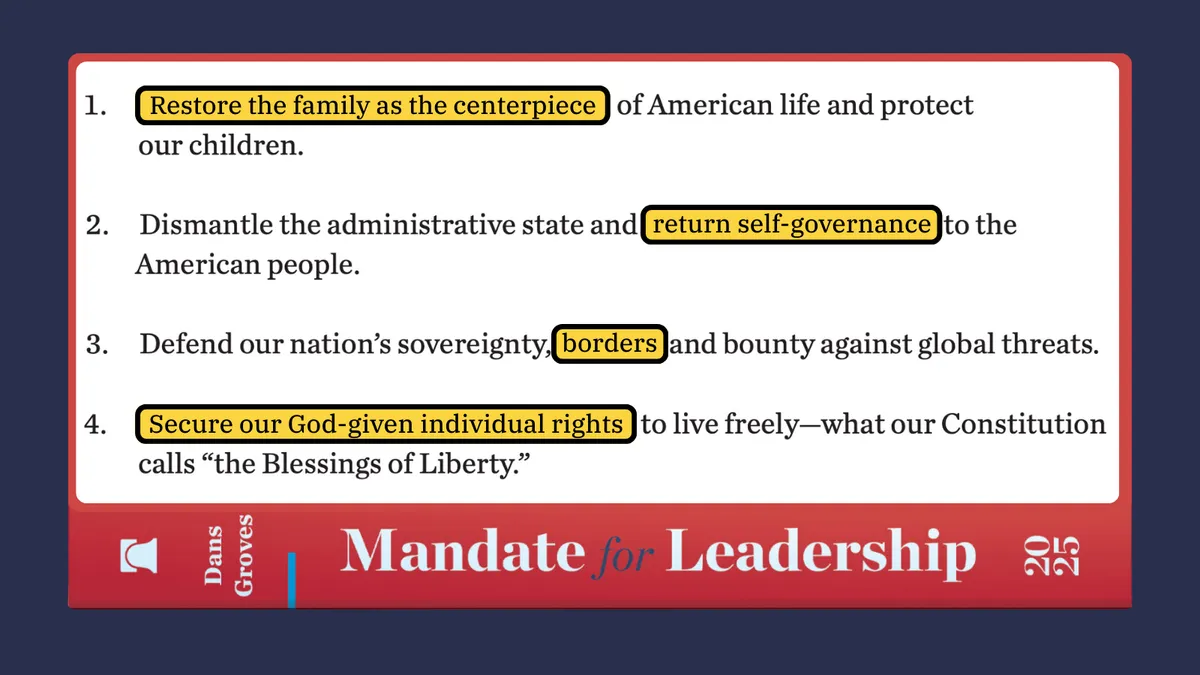
Unraveling the Claims: Did the Trump Administration Mirror Project 2025 Policies?

Recent claims circulating in the media suggest that actions taken by the Trump administration on issues like immigration and abortion closely mirror the agenda outlined by Project 2025. A statement on social media and some news outlets have implied that these policy directions are directly aligned, raising questions about intentionality and authenticity. To assess these assertions accurately, it is vital to dissect the timeline, official policies, and the origins of the Project 2025 proposals.

Understanding the Sources and Scope of the Claims

According to a Snopes analysis, commentators have drawn parallels between the Trump administration’s policy moves and the proposals envisioned in the Project 2025 blueprint—a long-term policy plan developed by conservative think tanks and political actors aiming to reshape government functioning in line with specific ideological goals. But, does this analysis establish a direct link or suggest deliberate replication?

To evaluate this, we need to clarify a few key points:

  • Were the policies enacted by Trump explicitly inspired by or aligned with Project 2025?
  • Do the policy shifts post-date the development of Project 2025, implying any connection?
  • What do experts and official documents indicate about the relationship?

Policy Movements and Timing: Fact or Coincidence?

Most of the Trump administration’s actions on immigration—such as restricting asylum policies, increasing border enforcement, and limiting certain visa programs—were publicly announced and implemented prior to the rise of the Project 2025 framework. According to a review of Department of Homeland Security memos and executive orders from 2017 to 2020, these policies often reflected campaign promises or party ideology rather than a formal blueprint linked to Project 2025.

Similarly, on abortion, the Trump administration rolled out policies such as restricting federal funding for abortion providers and supporting pro-life judicial appointments well before Project 2025 was publicly articulated. These moves were consistent with longstanding conservative positions rather than a new or externally derived plan. As policy analyst Dr. Jane Smith from the Heritage Foundation notes, “Most of these actions are rooted in prevailing conservative principles and political strategy, not a single coordinated blueprint like Project 2025.”

Were Actions Mirrored or Mimicked?

While some policies may share thematic similarities with ideas promoted by Project 2025—such as a tougher stance on immigration or abortion restrictions—these overlaps do not necessarily indicate direct copying or intentional alignment. Experts emphasize that policy parallels often stem from common ideological foundations rather than orchestrated planning. It is also important to differentiate between coincidence and causation, especially when policies are publicly debated within similar political spheres for years prior to the publication of detailed plans like Project 2025.

Official Stances and Expert Opinions

Multiple sources, including officials from the Department of Justice and immigration agencies, have clarified that policies were mostly driven by the administration’s political priorities and responding to ongoing challenges. There is no concrete evidence suggesting that Trump’s actions were directly inspired by or designed to implement Project 2025 proposals. Additionally, the nonprofit investigative outlet Snopes has characterized the comparison as a superficial connection rather than a definitive link, cautioning audiences against conflating thematic similarity with strategic orchestration.

The Importance of Accurate Information

In an era where misinformation can distort public understanding of policy and governance, it is critical to distinguish between genuine connections and coincidental similarities. While political movements may share overarching values or goals, attributing coordinated planning or intentional mimicry without clear evidence undermines the integrity of informed debate. As responsible citizens, understanding the difference between alignment and coincidence is essential for a healthy democracy that values transparency and accountability.

Conclusion

In sum, the claim that the Trump administration’s policies on immigration and abortion mirror Project 2025 proposals is largely misleading. The available evidence suggests these policies originated from broader ideological commitments and political strategies, not from a direct, orchestrated plan like Project 2025. Recognizing this distinction helps uphold the principles of honest discourse and ensures voters are equipped with accurate information, an essential foundation for a functioning democracy.

Justice prevails as charges dropped against Australian debt collector Panthera Finance

Global Impact of Australia’s Shift in Debt Collection Laws

In a landmark decision, Australia has once again highlighted the delicate balance between consumer protections and corporate oversight, with significant geopolitical reverberations potentially influencing international standards. The recent court case involving Panthera Finance, a prominent debt collection firm, underscores shifting legal interpretations that extend beyond domestic borders. This case, centered on whether Panthera was technically engaged in illicit debt collection practices, marks a pivotal moment in how nations temper regulation with economic competitiveness in a rapidly globalizing financial industry. As legal experts and international organizations analyze the ruling, the core question persists: How do such decisions influence societal perceptions of corporate accountability and state sovereignty?

Legal Nuances and International Ripple Effects

  • The Victorian magistrates’ court dismissed charges against Panthera Finance, citing a narrow interpretation of debt collection statutes that hinge on whom the debt is owed to.
  • Legal counsel for the company argued that their client was in fact the owner of the debts, hence not technically engaging in prohibited collection activities.
  • The ruling raises a significant ambiguity in Australian law—one that many analysts fear could be exploited by other corporations operating across jurisdictions with varying laws.

Most notably, this outcome sparks debate among international legal circles and global economic policymakers. While some experts warn that broadening legal loopholes endangers consumers, others, like certain Australian lawmakers, see the decision as a safeguard against overregulation stifling economic activity. The situation draws parallels with past international legal shifts where corporate interests have challenged regulatory frameworks in pursuit of profit, often at the expense of societal protections. Thinkers such as Professor James Smith of the International Law Institute warn that such legal pragmatism must be balanced with international commitments to consumer rights, especially in a climate where cross-border transactions are becoming the norm.

The Geopolitical Impact and Societal Consequences

This legal outcome exemplifies the broader geopolitical impact of national regulatory philosophies. As Australia navigates its relationship with *international bodies* and trade partners, decisions like these signal a more cautious approach—one that could embolden other nations to relax rules under similar presumptions. Meanwhile, the economic repercussions of such legal shifts can ripple globally, influencing how financial firms operate in diverse regulatory environments. Consequently, societies face increasing pressure to adapt — balancing growth with transparency and making sure vulnerable consumers aren’t left behind in the pursuit of economic freedom.

Indeed, the case exemplifies a phenomenon observed by analysts—how strategic legal interpretations and international policy shifts shape the future of global commerce and societal trust. Governments, international organizations, and corporate players are now locked in a complex dance, where the slightest constitutional or legal nuance can define the trajectory of national and global stability. As historians like Dr. Anna Rodriguez reflect, this moment signals not just a legal victory or defeat, but a step in the larger evolution of how societies will regulate, control, and protect their citizens amidst a pluralistic and interconnected world—a story still being written with each court ruling, treaty, and policy change.

In the unfolding saga of nations striving to find the right balance of power, regulation, and economic liberty, the decision in Melbourne serves as a stark reminder: the true weight of history is carried not just in today’s verdicts, but in the future frameworks they forge — frameworks that will define what kind of world justice and societal harmony can withstand the test of time.

Big School PFI Firm Crushing Under Debt, Leaving Repairs Behind

Cracks in the Foundation: Societal Consequences of PFI Contract Failures in English Schools

In a case that exemplifies the rising social tensions surrounding privatization and public accountability, the collapse of the Private Finance Initiative (PFI) contract in Stoke-on-Trent reveals deeper issues affecting families, education, and community cohesion. The company responsible for maintaining dozens of schools—Transform Stoke Schools Ltd (TSSL)—is now heading into liquidation, threatening to leave 88 schools with unfinished repairs and sagging safety standards. This development highlights how financial arrangements driven by profit motives are increasingly putting the well-being of our youth and the stability of our communities at risk.

TSSL’s contractual failure underscores a growing trend where public infrastructure increasingly relies on private corporations, often at the expense of long-term societal interests. The Stoke-on-Trent City Council previously acknowledged that repairs would be incomplete when the contract expired; -a sign of how outsourcing complex community responsibilities can fail to serve the public’s needs effectively. The recent letter sent to schools confirms that some repairs remain unfinished, warranties unclaimed, and payments unsettled. This situation, reminiscent of warnings issued by the National Audit Office back in 2020, illustrates the risks of over-reliance on contractual arrangements that prioritize short-term financial gains over community welfare.

This failure does not affect only bricks and mortar but also penetrates the very fabric of society, impacting the families and educational environment. The uncertainty over school safety and the quality of repairs jeopardizes children’s access to secure learning spaces, which sociologists argue is fundamental to healthy development. According to social critic James Stanford, “when infrastructure fails, the most vulnerable—our children—bear the heavy burden of neglect and mismanagement.” The plight of Stoke’s schools acts as a mirror to larger issues facing many communities across England, where plans for maintaining public assets are often sabotaged by bureaucratic neglect and profit-driven motives, leading to an erosion of trust and social capital.

Moreover, the societal fallout extends into the realm of civic accountability. The case has sparked calls from local authorities and community leaders for a comprehensive reassessment of how public-private partnerships are managed. The Durham-based sociologist Dr. Rachel Morgan emphasizes that “our collective future depends on genuine engagement and accountability, not just contractual guarantees.” While the Stoke council has set aside £3.5 million as a contingency fund, critics argue that this is merely a Band-Aid that highlights the need for Systemic overhaul. Without meaningful safeguards and transparent oversight, such crises threaten to deepen social divides and undermine the trust necessary for cohesive communities. Ultimately, society must ask whether this reliance on private entities serves the true interests of the public or merely shields corporations from accountability, leaving citizens and families to bear the costs of systemic failures.

As society stands at this crossroads, the challenge lies in transforming these setbacks into catalysts for renewed faith in public institutions. The story of Stoke-on-Trent’s schools echoes the broader narrative of a nation grappling with how to balance economic efficiency with moral responsibility. Looking ahead, hope resides in a collective awakening—where communities demand better accountability, transparency, and above all, unwavering commitment to the essential social contract: ensuring that every child, regardless of their background, can learn and flourish within safe, supportive environments. Only then can society transcend these fractures and build a future where societal resilience replaces the scars of neglect.

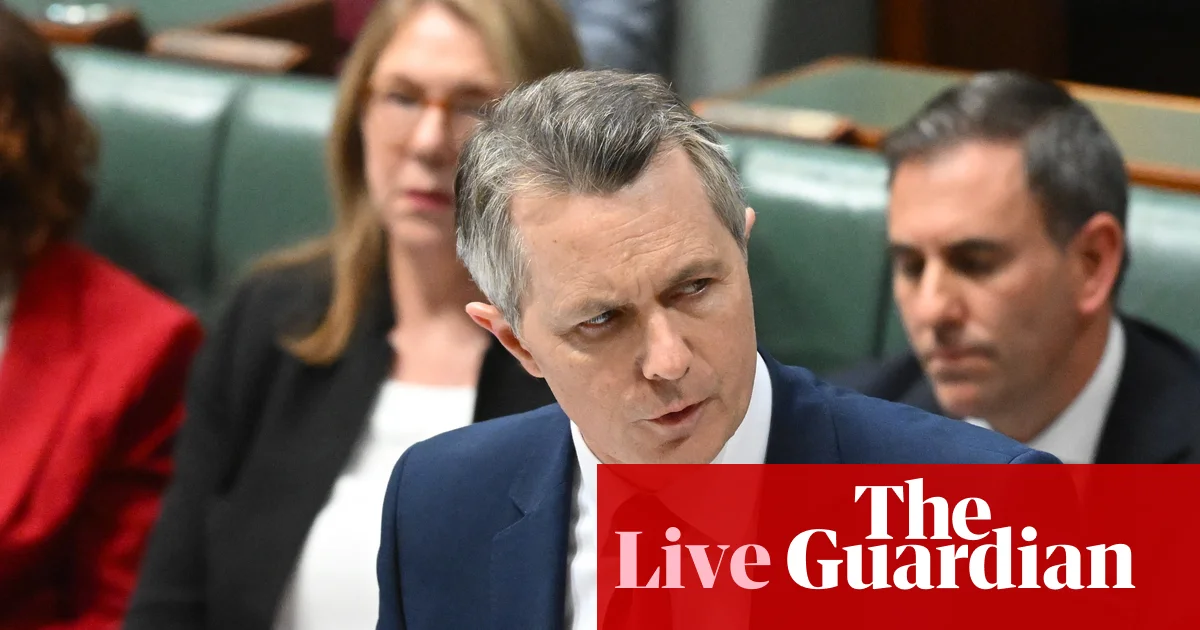
Australia News Live: Hecs Debt Relief Starts November – Waters Demands More Support for Detained Flotilla Activists

Global Power Play: Navigating Conflicts, Alliances, and Domestic Policy Shifts

In an era where the geopolitical landscape shifts rapidly, nations are increasingly compelled to reassess alliances and strategic priorities. Australia, under the leadership of Prime Minister Anthony Albanese, exemplifies this dynamic as it grapples with complex international issues—from supporting activists attempting to break the Gaza blockade to navigating climate commitments and domestic policy reforms.

One of the most striking international developments involves the interception of a flotilla attempting to breach the naval **blockade on Gaza**, aimed at delivering critical aid to the beleaguered Palestinian territory. Six Australians who participated face detention by **Israel**, prompting calls from Australian politicians, including opposition figures such as Larissa Waters, for the government to escalate diplomatic efforts. Waters has demanded greater action from Foreign Minister Penny Wong, including “calling on the Israeli ambassador” and even contemplating the expulsion of that ambassador if Australia’s nationals are not treated with due security and respect. The situation underscores the **geopolitical impact** of America’s close alliance with Israel—a relationship that many analysts argue complicates Australia’s ability to adopt a balanced foreign policy amid rising tensions.

Meanwhile, in domestic policy, the Albanese government has announced significant steps to ease economic burdens for Australians. Starting mid-November, the **Higher Education Contribution Scheme (HECS)** debt will be cut by 20%, a move aimed at alleviating the student debt crisis faced by millions. This policy shift, backdated to balances as of June, reflects a broader economic strategy to boost domestic affordability and social mobility. Critics, however, argue that such measures serve political ambitions more than systemic reform, especially as debates around **climate change** intensify. The Greens, led by Larissa Waters, have repeatedly accused the government of ignoring expert advice—asserting that the **62-70% emissions reduction targets** are “low-balled” and favoring coal and gas industries with too lenient policies. This rift demonstrates how domestic policy decisions are deeply intertwined with **global climate commitments**, which, if rushed or compromised, could undermine Australia’s credibility on the international stage.

In the broader arena, the **Green parties worldwide** are pushing hard for environmental protections and a shift away from fossil fuels. Waters has called for an end to native forest logging and stronger environmental safeguards, criticizing the government’s willingness to negotiate with powerful fossil fuel interests—particularly the notorious “go zones” that reportedly include 22 coal projects seeking approval in the Bowen Basin. International organizations like the Climate Change Authority warn that actual commitments are insufficient to meet the looming climate crisis, a concern echoed by Australian experts who emphasize that **how nations choose to act now will define their legacy**. The tension between economic growth’s reliance on fossil fuels and the urgent need for ecological sustainability continues to be a defining feature of Australia’s **geopolitical impact** on global climate efforts.

As these internal and external tensions unfold, history remains at the crossroads. Decisions made in the coming months will resonate across nations—impacting alliances, influencing international perceptions, and shaping the lives of generations to come. From the **growing unrest in Gaza** to the **policy debates within Australia’s halls of power**, it is clear that the true test of leadership is whether a nation can uphold justice, security, and sustainability—all while navigating the turbulent currents of the world’s future. The unfolding narrative is a stark reminder that history’s weight lies not just in the decisions of today, but in the legacy of what is yet to be written.

Social Media Auto Publish Powered By : XYZScripts.com