Matox News

Truth Over Trends, always!

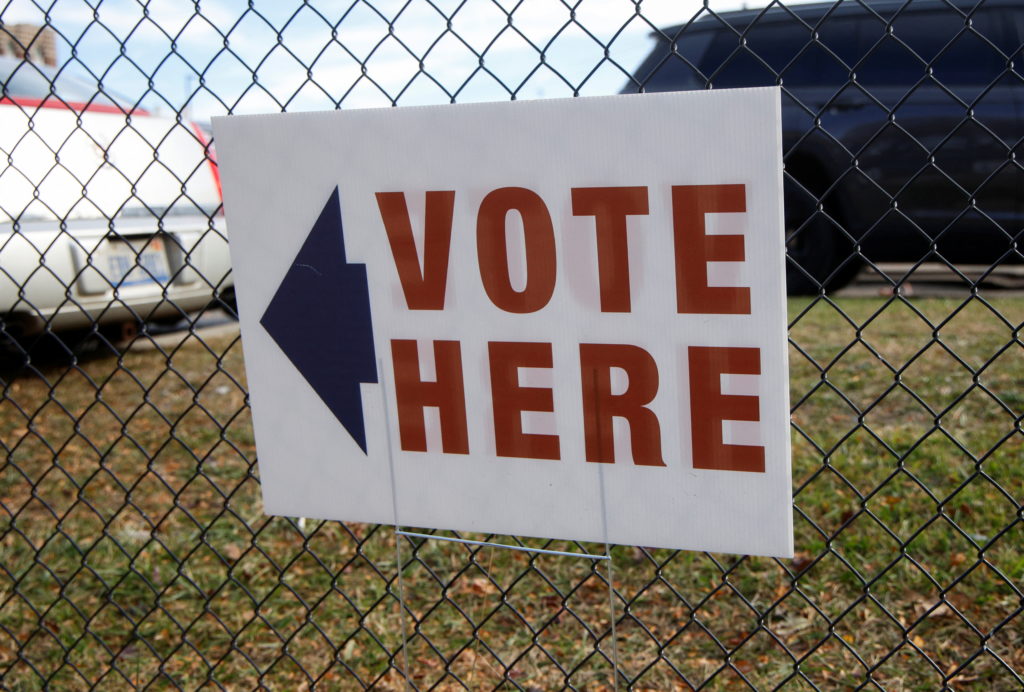
State redistricting heats up after Supreme Court’s Voting Rights Act decision

The recent Supreme Court decision to strike down a *majority-Black congressional district* in Louisiana has sent shockwaves across the political landscape, exemplifying the fierce power struggles that define American governance. This ruling not only revisits longstanding debates about fair representation but also exposes the fragile balance of influence between different branches of government, as well as between states and the federal judiciary. It signals a pivotal moment in the ongoing fight over how demographic realities are translated into political power.

The court’s decision underscores the growing tendency among conservative justices to interpret the Voting Rights Act and related civil rights laws through a lens of *strict constitutionalism*. By ruling against Louisiana’s district maps, which were designed to ensure minority representation, the majority of justices have emphasized a strict adherence to the original intent of the Constitution, effectively challenging recent trends that aimed to rectify historical injustices through *preferential districting*. The ruling mirrors the mindset of constitutional theorists like *Alexander Bickel*, who warned against judicial overreach, and symbolizes a pushback against what conservatives perceive as judicial activism. This sets the stage for a broader ideological debate, where the judiciary becomes a battleground for determining the limits of racial considerations in electoral politics.

At the state level, reactions have varied widely, reflecting the power struggles that play out on the ground. In Louisiana, opponents argue that the decision jeopardizes gains made to diversify political representation, threatening to skew districts toward a *more homogenous* electorate aligned with conservative interests. Conversely, some states have begun to reconfigure their redistricting processes—shifting toward *nonpartisan commissions* and transparency reforms—to preempt future judicial interference and safeguard their electoral maps from ideological distortions. This divergence highlights how state sovereignty becomes the arena for contesting the future of democracy, as legislatures and courts clash over issues of racial justice, political representation, and the constitutional framework that underpins them.

The implications extend beyond immediate electoral concerns, laying bare the consequences of constitutional interpretations on how power is distributed among the people. For political theorists like *James Madison*, the structure of American government was designed to prevent tyranny by balancing various branches, but in recent years, this delicate equilibrium has shifted toward a judicialized politics. Such shifts influence who wields authority and how decisions are made — ultimately impacting the very fabric of *democratic participation*. As historians draw parallels to the struggles over civil rights in the 1960s, it becomes evident that these battles over districting are part of a larger narrative: a contest over the soul of America’s democracy, where each legal victory or defeat rewrites the script of who truly governs and how.

In this high-stakes game, politics is no longer merely the art of compromise but the forge where societal destinies are forged, weaponized, and rewritten. Whether through the courts, legislatures, or grassroots movements, the decisions made today will echo through generations—shaping a nation where power is continually contested, and the future is always uncertain. As history demonstrates, in politics, the true conquest is not just control of government but the mastery over the story of a nation itself—a narrative still being written, sentence by sentence, on the grand stage of democracy’s enduring struggle.
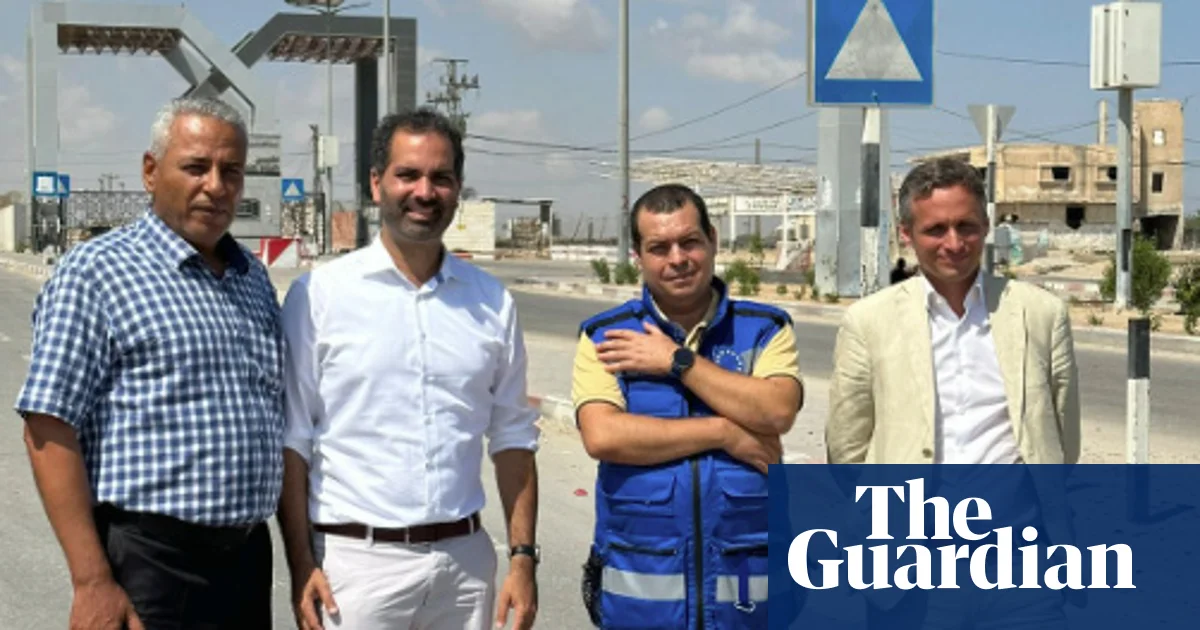
Palestinian man ousted from Gaza border aid role to challenge EU decision

The European Union, long heralded as a beacon of international cooperation and diplomacy, finds itself embroiled in a legal controversy that underscores the complex intersections of geopolitics, national laws, and human rights. Mohammed Baraka, a Palestinian man who served at the EU border assistance mission (EUBam) in Rafah since 2006, has filed a lawsuit in a Belgian court, alleging discrimination and breach of Belgian employment law. His case illuminates the often overlooked domestic repercussions of international policy and the repercussions of decisions made within the EU’s diplomatic machinery amid ongoing regional conflicts.

During the escalation of the conflict in Gaza, the EU had evacuated Baraka to Cairo, along with other colleagues in the West Bank, as part of a broader effort to safeguard its personnel. However, subsequent to the EU’s decision to close the Rafah office, Baraka was dismissed earlier this year, despite his longstanding service. His legal representative, Selma Benkhelifa, contends that Baraka’s firing was not based solely on security concerns but was victim to discriminatory practices, asserting that other colleagues—of different nationalities—were transferred rather than dismissed outright. The lawsuit hinges on claims that the EU’s practice of renewing fixed-term contracts for personnel in Lebanon and Gaza violates Belgian labor laws, which stipulate that after three consecutive contracts, employees must be made permanent. This contractual loophole, as argued, permits international institutions to circumvent workers’ rights and public policy protections, leading to what Baraka’s team characterizes as systematic exploitation.

This legal battle exposes a broader geopolitical impact that resonates well beyond the courtroom. Belgium, often considered a hub for European diplomacy and bureaucratic influence, faces scrutiny for enabling such practices that undermine national labor standards. Critics and analysts warn that EU institutional flexibility—crafted under the guise of operational efficiency—may be eroding the very legal safeguards that uphold workers’ protections across member states. International organizations like the International Labour Organization (ILO) have long emphasized the importance of safeguarding workers’ rights, particularly in conflict zones where international institutions are operating as quasi-sovereign entities. This case amplifies the debate about how international diplomacy sometimes conflicts with domestic legal frameworks, affecting not just individual lives but also the integrity of international law itself.

The fallout from Baraka’s case extends into the realm of international diplomacy and regional stability. As Israel and Palestine continue to be mired in conflict, the EU’s role as a mediator and aid supporter faces increased scrutiny. The decision to close the Rafah office—a move justified on security grounds—raises questions about transparency and accountability. The European Commission, declining to comment officially, leaves unresolved tensions that could influence future EU policy, especially in conflict zones where the line between diplomacy and moral responsibility becomes alarmingly blurred. Many international observers, including historians and consider researchers, warn that these internal disputes threaten to weaken the EU’s moral authority at a crucial juncture.

As history continues to unfold, the impact of this legal confrontation will be felt far beyond Belgium’s borders. The case of Mohammed Baraka serves as a stark reminder that the decisions made in Brussels and other diplomatic capitals are not just abstract policies—they shape the lives of those caught in the crossfire of geopolitics. As the world watches, the question remains: will the EU uphold its promises of justice and fairness, or will it let bureaucratic convenience override human rights? The answer could very well define the future of international cooperation, the rule of law, and the enduring struggle for dignity amidst chaos—leaving behind a legacy that history cannot afford to ignore.

Social Media Auto Publish Powered By : XYZScripts.com



