
Australia’s Urban Transformation: A Local Solution with Global Ramifications
In a move reflecting both dedication to modern urban planning and a broader international push toward sustainable, affordable housing, New South Wales (NSW) has unveiled a series of innovative mid-rise apartment designs aimed at addressing the nation’s housing crisis. These new pattern books, a product of the recent government’s design competition, lay the groundwork for constructing over 112,000 homes in the next five years. The move, while rooted in local policy, emerges against a backdrop of rising global concerns over urban overcrowding, housing affordability, and climate resilience. It underscores how decisions made in Sydney could influence urban development models worldwide.
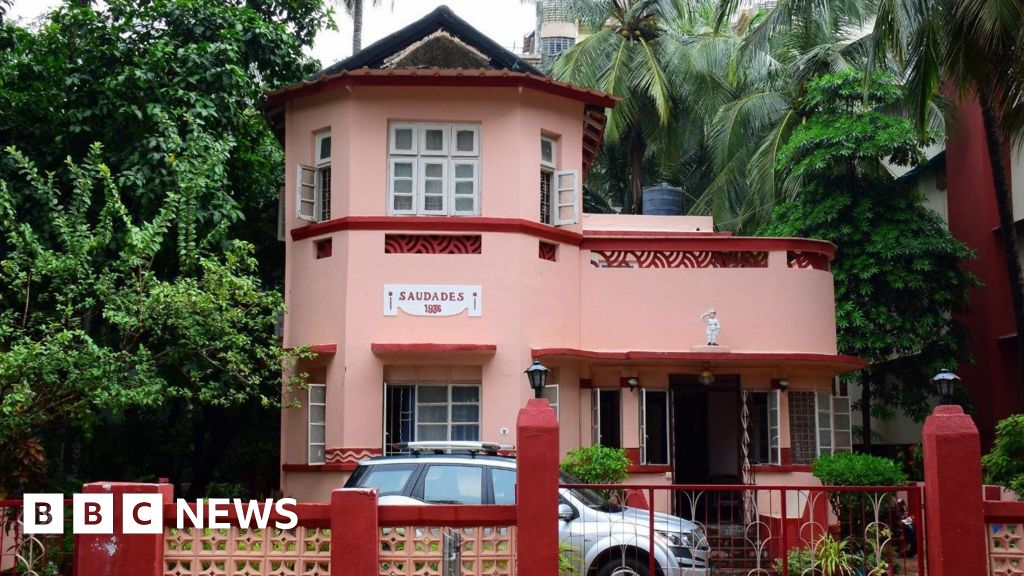
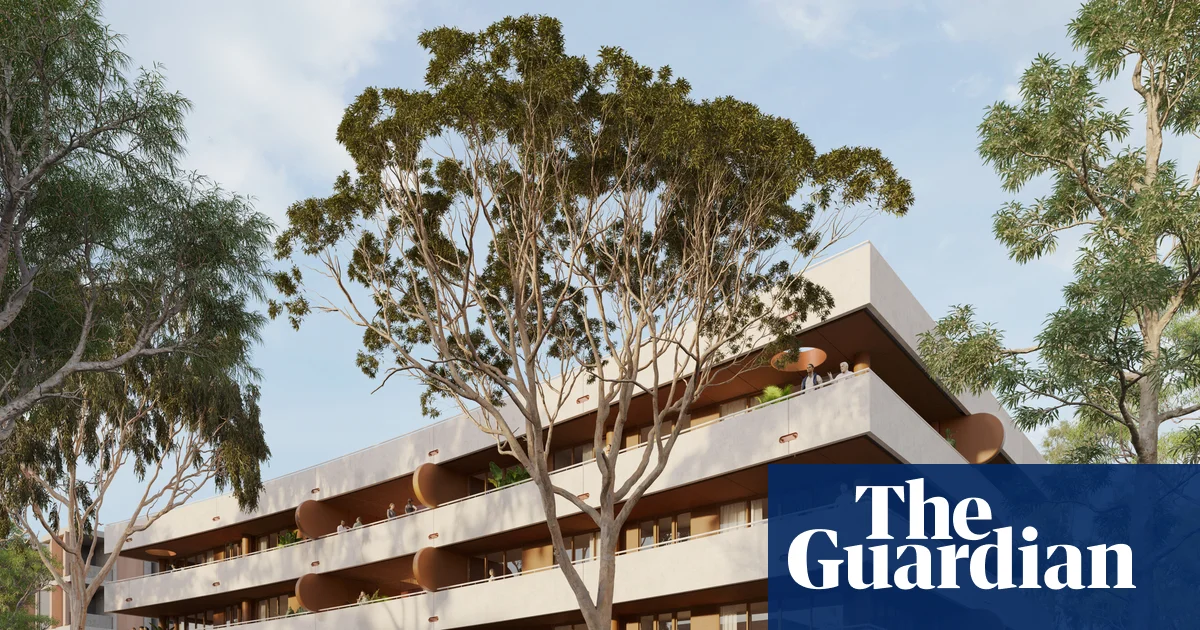
The core of NSW’s reforms is a set of nine mid-rise building design patterns, ranging from three to six stories, tailored to suit diverse lot sizes and city districts. These patterns, developed by leading Australian and New Zealand architectural firms, incorporate energy-efficient and cross-ventilated features—reflecting a broader international trend towards sustainable living solutions. The designs are not merely aesthetic; they intend to facilitate a more rapid, streamlined construction process by simplifying approval procedures with local authorities. As analysts and historians note, this approach echoes Sydney’s historic use of pattern books dating back to the colonial period—building a bridge between the city’s architectural past and its future ambitions. Yet critics warn that such reforms, if not properly managed, could threaten the city’s cherished historic neighborhoods that feature art deco and red brick styles, raising questions about the preservation of cultural identity amidst relentless urban expansion.
Global Impact and International Concerns
This localized initiative resonates far beyond Australia’s borders. The push for “missing middle” housing—denser, affordable, and sustainable—has become a hot topic in global urban planning dialogues, especially in countries grappling with housing shortages like the United States and Canada. The NSW government’s strategic move aims to address the alarming exodus of youth from Sydney—a trend highlighted by the recent NSW Productivity Commission report, revealing that 45,000 young residents left the state for other regions or countries last year alone. The NSW premier, Chris Minns, emphasizes that “the onus is on us, builders, and architects, to design buildings that stand the test of time, are beautiful, and serve the most urgent societal needs.” Such rhetoric echoes a broader international demand for urban centers to become hubs of innovation, lifestyle, and economic vitality.
However, critics and international observers warn that these reforms have potential pitfalls. While the government claims the new designs will expedite housing projects and curb urban sprawl, questions remain about their long-term social and cultural impacts. Some argue that the rush to develop “highly sought-after” properties commodifies historical neighborhoods, risking the loss of local character. The United Nations and other international organizations have long called for sustainable, community-focused urban design—yet the rapid pace of development in Sydney suggests a tension between growth and preservation. As historians such as Dr. Elizabeth Evans caution, “urban reform must balance progress with cultural memory, lest cities become soulless mosaics of glass and concrete.”
The Future of Urban Development and the Weight of History
As the NSW reforms gain momentum, the question remains: how will this wave of change shape the city’s future and influence global urban policies? The design’s emphasis on speed and economy may serve as a blueprint for other nations seeking quick, affordable solutions to their housing crises. Yet, history teaches that rapid development often inadvertly erodes the very fabric that gives a city its identity. The decision to prioritize new, energy-efficient mid-rises over cherished historic districts symbolizes a broader geopolitical narrative—one of modernization versus preservation, speed versus sustainability.
In the shadows of these policy shifts, the world watches and debates—each city nervously contemplating how to move forward without losing its soul, each leader weighing the cost of progress against the weight of heritage. The unfolding story of Sydney’s urban transformation is not merely local—it is a chapter in the larger story of 21st-century civilization, where the choices made today will echo through generations. As history pivots on these crossroads, the question endures: will the future be built on the foundations of tradition or the visions of innovation? Beneath the bright facades, the true import of this moment lies in what cities and societies decide to preserve—and what they choose to leave behind.