Matox News

Truth Over Trends, always!

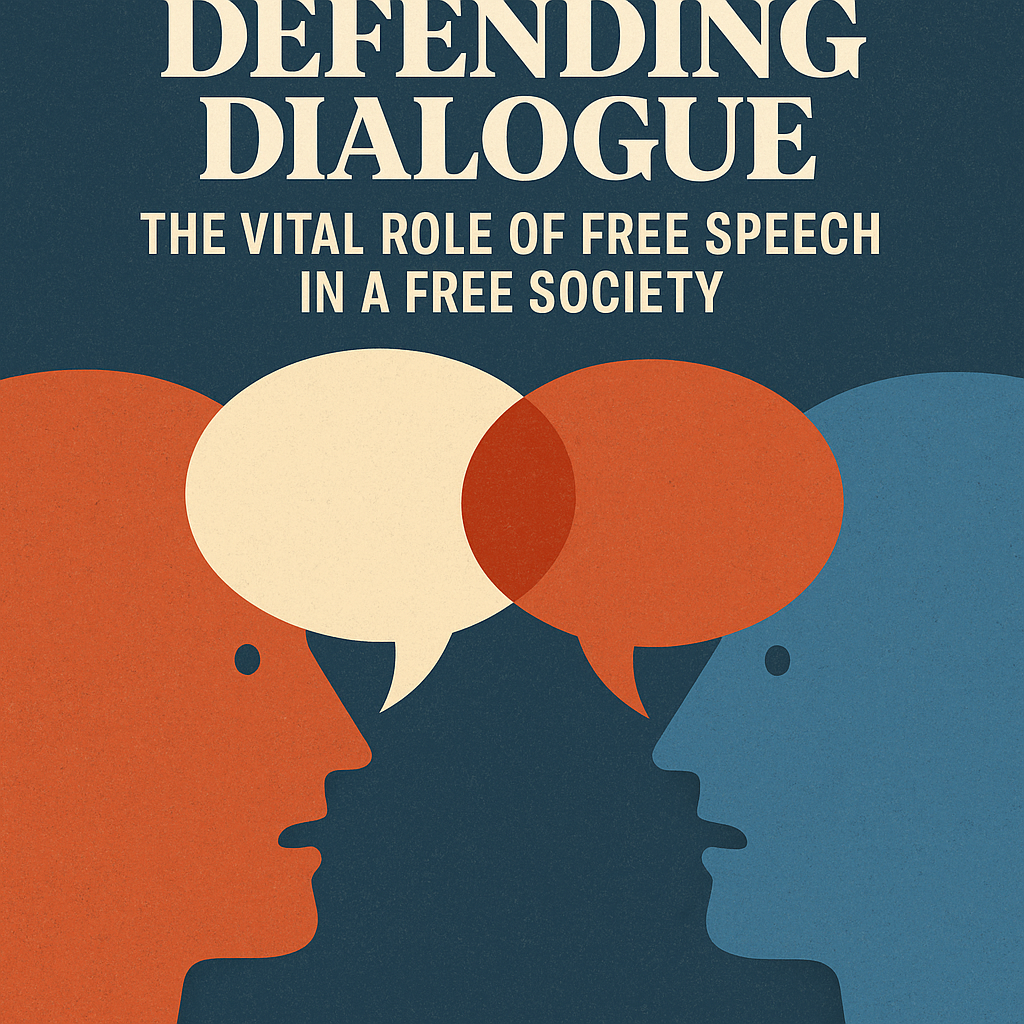
Defending Dialogue: The Vital Role of Free Speech in a Free Society

In an era marked by digital interconnectedness and rapid information exchange, the fundamental importance of free speech in maintaining a vibrant, healthy society cannot be overstated. Critics often posit that unchecked dialogue can foster divisiveness or misinformation, but history and empirical evidence suggest otherwise. John Stuart Mill, in his seminal work On Liberty, argued that the free exchange of ideas is essential not only for discovering truth but for preventing tyranny of the majority. When societies impose undue restrictions on speech, they risk silencing dissent, which can stifle innovation, suppress minority views, and erode the very foundations of democracy. The challenge lies in safeguarding open discourse without allowing harmful content to proliferate, a balancing act that underscores the importance of free and fair dialogue.

Supporters of free speech emphasize that censorship often backfires by driving controversial ideas underground, where they become more difficult to address openly. Economists like Friedrich Hayek have pointed out that free markets of ideas require safeguarding to foster societal progress. Moreover, the digital age has amplified the reach of individual voices, allowing youth-led movements and marginalized communities to challenge entrenched narratives effectively. Nevertheless, critics argue that platforms must moderate content to prevent harm; yet, overreach risks transforming these spaces into echo chambers. Protecting free speech entails constructing boundaries that deter abuse without curtailing authentic debate, a nuanced pursuit that defies simple solutions but remains central to societal resilience.

From a historical perspective, societies that champion liberty of expression tend to experience greater innovation and social cohesion. When citizens are empowered to voice dissent, governmental abuses are held accountable, and policies are scrutinized more effectively. Analysts suggest thatn an environment of robust debate fosters a culture of critical thinking—vital for adapting to complex challenges like technological change or global crises. Limiting speech, on the other hand, can cultivate a climate of conformity, where fear suppresses dissent and free inquiry diminishes. As thinkers like Alexis de Tocqueville observed, “Democratic societies flourish when the individual feels free to speak and think for themselves, even if their views are unpopular.”

Yet, amid the noise and chaos of our digital age, it is essential to remember that free speech is more than a right; it is a moral obligation. It demands responsibility—both from those who exercise it and from societies that protect it. If the future of free societies depends on anything, it is on their ability to defend this sacred space where ideas collide, challenge, and evolve. The weight of this responsibility is immense, for within the marrow of free speech lies the future of human progress itself—an enduring testament to our collective resilience and boundless aspiration, echoing through time as an unbreakable chorus that calls us to remain vigilant and unwavering in the pursuit of truth and liberty.
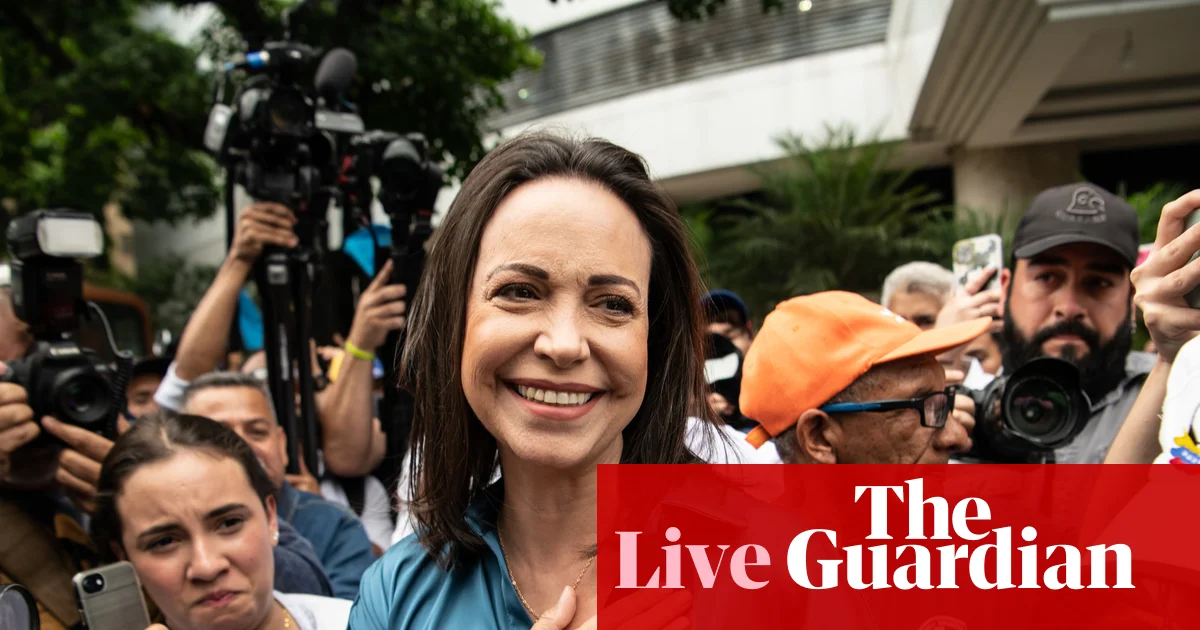
Nobel Peace Prize 2025: María Corina Machado Recognized for Defending Democracy in Venezuela

Global Impact of the 2025 Nobel Peace Prize: A Reflection of Shifting Geopolitical Currents

In a move that has resonated across continents and stirred debate among international observers, María Corina Machado, Venezuela’s most prominent opposition leader, was announced as the recipient of the Nobel Peace Prize 2025. Her recognition is not merely a testament to her personal resilience but signals a broader geopolitical statement, emphasizing the importance of democratic advocacy amid worsening authoritarian regimes. The Norwegian Nobel Committee lauded her efforts for promoting democratic rights, yet critics and analysts argue that this year’s decision also subtly addresses pressing global conflicts and the wake of recent diplomatic fissures.

Historian and geopolitical analyst Dr. Jonathan Steele notes that the choice “strikes a chord in a world teetering on the brink of regional and global crises.” He highlights that current conflicts in Ukraine, the Middle East, and tensions surrounding US-Norway relations serve as the backdrop for this year’s award. The Norwegian committee, infamous for maintaining strict confidentiality about nominations, appeared to have intentionally sent a clear message — one of resilience and defiance in the face of authoritarianism. Meanwhile, the committee’s emphasis on “courage and integrity,” especially in a climate where global order appears fragile, underscores how *the Nobel Peace Prize is often a reflection of international moral resistance* against tyranny and violence, a view supported by international organizations assessing the shift in global realpolitik.

  • The committee’s recognition of Machado, who has been forced into hiding amidst threats for her activism, frames the award as a beacon of support for oppressed populations globally. Her statement that “this is an award for an entire movement” resonates with the international community’s understanding that democracy depends on persistent resistance and that fighting against authoritarianism is a universal cause.
  • In contrast, the decision to sideline controversial figures, notably former US President Donald Trump, who publicly lobbied for the prize, highlights the committee’s emphasis on moral clarity. As Nobel experts explain, this year’s choices are shaped not only by individual merits but also by *the geopolitical symbolism* they convey, especially as nations grapple with internal unrest and external threats.
  • Machado’s recognition is also seen as a quiet rebuke to Nicolás Maduro’s regime, which the committee describes as increasingly authoritarian — a judgment echoed by independent human rights groups. This stance reflects a broader international narrative casting Venezuela as a cautionary tale for autocracies, with the prize serving as a reminder how *authoritarian machinery crushes dissent and human rights*.

International organizations and democracy advocates alike interpret this event as a declaration of moral steadfastness—a call for nations to uphold principles of justice and human dignity during turbulent times. Yet, beneath the public accolades lies a complex diplomacy. The committee’s explicit acknowledgment of Machado’s sacrifices, combined with veiled criticisms of Maduro’s government, exemplifies how awards like these influence **geopolitical alignments** — potentially softening or hardening international responses to crises. As Dr. Stein concludes, *“The Nobel Peace Prize remains a potent tool in shaping the moral contours of international diplomacy, especially when conflicts threaten global stability.”* And in an era where the future remains unpredictable, these decisions are not just awards—they are signals in the ongoing chess game of world politics.

As history continues to unfold, the true significance of this year’s Nobel Peace Prize will be measured in how it sustains or shifts the global balance of power. From the streets of Caracas to the corridors of global power, the choices made today might just echo for generations, reminding us that in the struggle for peace, moral conviction remains a formidable force.

Social Media Auto Publish Powered By : XYZScripts.com



