Matox News

Truth Over Trends, always!

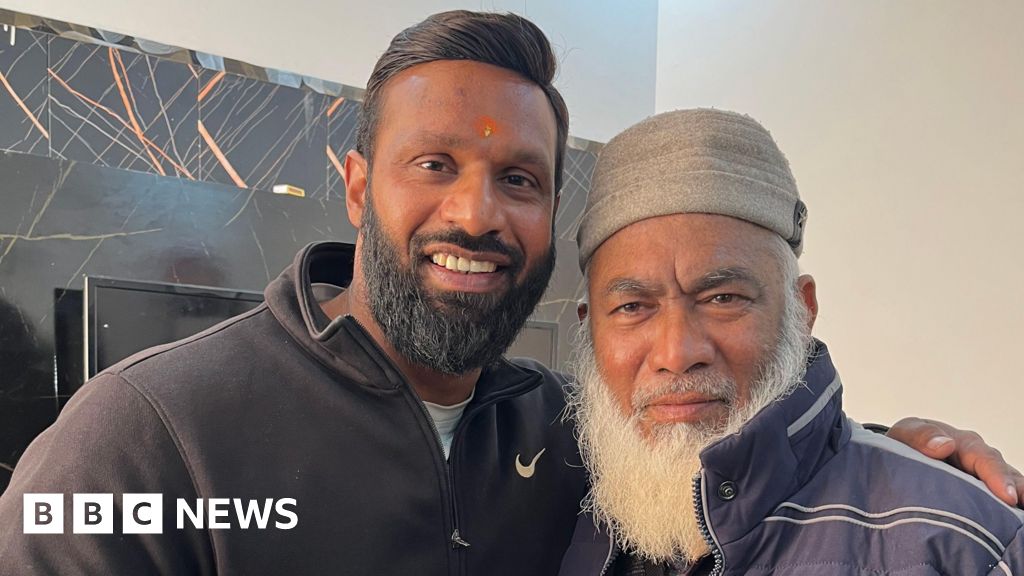
Young Hindu Hero Defies Odds to Stand Up for Muslim Friend

In a striking display of moral courage, Deepak Kumar, an activist and social leader, has publicly confronted rising Hindu vigilante groups in India. His stance, which challenges the growing tide of extremism and lawlessness, is being hailed by many human rights advocates as a rare act of heroism amid an increasingly polarized political landscape. However, this act of defiance has also come with a high cost—Kumar now faces impending death threats from those who see his confrontation as an attack on their ideological worldview. His case underscores the fraught social dynamics within India and illustrates a deeper confrontation over the future of rule of law, national identity, and societal cohesion.

This incident occurs against a backdrop of intense geopolitical shifts, both within South Asia and the broader international arena. Analysts from the International Crisis Group and regional security think tanks warn that hindu nationalist groups are not merely internal threats but have pivotal roles in shaping broader regional stability. Their aggressive tactics have prompted debates about the limits of free expression, religious freedom, and government authority. The government of India, led by Prime Minister Narendra Modi, finds itself at a crossroads—balancing rising nationalist sentiments with global diplomatic pressures to uphold secular principles embodied in the country’s constitution. This delicate balancing act is being closely scrutinized by international organizations such as the United Nations, which continues to assess reports of human rights violations linked to vigilantism.

Historians and geopolitical analysts point out that the decision of individual actors like Kumar to challenge vigilante groups represents a broader resistance to dangerous narratives that threaten the nation’s social fabric. The implications extend beyond India, influencing strategic calculations across the Indian Ocean region and neighboring Pakistan. The underlying warning is clear: allowing unchecked extremist groups to operate could spiral into regional unrest, destabilizing governments, and undermining the very institutions meant to uphold order. It is a testament to the fact that individual acts of bravery can catalyze larger societal debates about the rule of law, collective identity, and national security.

As debates intensify, the international community watches with growing concern. China and Russia have expressed cautious support for India’s internal sovereignty while voicing skepticism about Western criticisms. Meanwhile, the United States and European Union emphasize the importance of protecting minorities and democratic values. The ongoing struggle over these values signifies a pivotal chapter in the global contest for ideological dominance amidst rising nationalist fervor. The choices made now—how India and other nations respond to such challenges—will carve the geopolitical landscape for decades to come. As historians look back, they will see these moments as either turning points towards stability or precursors to further chaos in an increasingly fragile world order.

In the shadow of these turbulent currents, the story of Deepak Kumar becomes more than a single act of heroism—his confrontation marks a crucial point in history, reminding all nations that the fight for justice and social cohesion often begins at the individual level. The world holds its breath, aware that these choices are not isolated but interconnected threads woven into the vast tapestry of global history—where every decision echoes in the corridors of power, and the unfolding narrative leaves us all witnesses to the ongoing battle for the soul of civilization.


Texas centenarian bus driver, 95, defies age with no plans to stop

Age, Work, and Societal Shifts: The Lifelong Dedication of Raymond Hager Sparks Broader Reflections

In an era marked by mounting economic pressures and evolving social norms, the inspiring story of Raymond Hager, the 95-year-old bus driver from Texas, resonates as a microcosm of a worldwide phenomenon. Recognized by Guinness World Records as the oldest active bus driver, Hager’s unwavering dedication to his career exemplifies the changing landscape of work and retirement across nations. While his personal story focuses on individual perseverance, it also underscores the broader implications of demographic shifts, economic realities, and societal values, influencing international debates on aging, labor policies, and economic resilience.

Hager’s commitment to his profession reflects a broader trend—an aging workforce that challenges conventional retirement norms. In the United States, economic stagnation, soaring living costs, and stagnant wages are pushing individuals to extend their working years well beyond traditional retirement age. According to international labor analysts, this trend is not isolated; many advanced economies face similar realities, prompting policymakers to reconsider social security systems and labor laws. Experts point out that this shift could reshape national economies, strain social safety nets, and influence societal perceptions of aging. Nations such as Japan and Germany are already grappling with these complexities as their populations age at unprecedented rates, threatening to redefine productivity parameters and social cohesion on the global stage.

The international community observes such individual stories with mixed emotions. On one hand, they highlight resilience and personal purpose; on the other, they raise questions about how societies can sustain economic vitality and social stability amid demographic transformations. Global institutions like the United Nations and the World Bank have issued reports emphasizing the importance of adaptable socio-economic policies that address the aging phenomenon. These organizations warn that unprepared societies risk increased healthcare costs, labor shortages, and diminished economic growth if they fail to implement reforms that encourage lifelong employment and flexible work arrangements.

The geopolitical impact of these demographic trends extends further when considering international migration, workforce mobility, and shifting power dynamics. Countries with youthful populations, such as India and parts of Africa, could find themselves at the cusp of new economic opportunities by attracting aging professionals from the West. Meanwhile, nations with declining populations may become increasingly dependent on foreign labor, potentially fueling migration debates, diplomatic negotiations, and geopolitical alliances. These shifts will unquestionably influence global power balances, economic alliances, and even cultural perceptions of aging and productivity.

As this chapter of history continues to unfold, the story of individuals like Raymond Hager serves as a symbol of perseverance and an indicator of systemic change. His story is a reminder that societal progress demands adaptability—not only in laws and policies but also in cultural attitudes towards aging and work. With the weight of emerging demographic realities pressing down on national leaders worldwide, the legacy of such figures warns us that the future hinges on our ability to redefine aging—transforming it from a symbol of decline into one of enduring contribution. In the ongoing narrative of human history, the choices made today will resonate for generations, leaving an indelible mark on how societies will navigate the uncharted territories of aging and economic resilience.

Social Media Auto Publish Powered By : XYZScripts.com


