Matox News

Truth Over Trends, always!

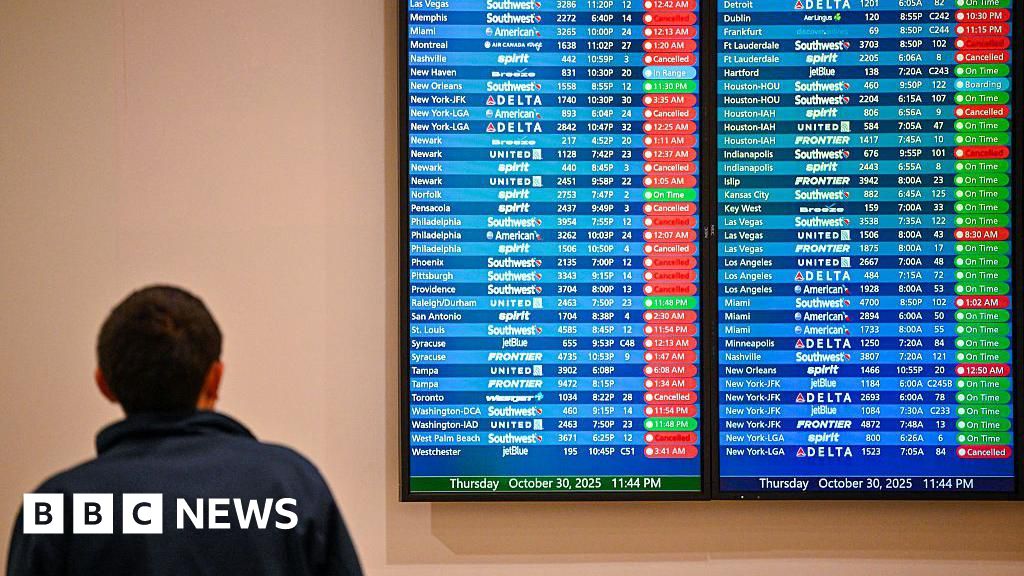
Staff shortages from government shutdown hit US airports, causing delays for travelers

The ongoing United States federal government shutdown has precipitated a crisis extending far beyond Capitol Hill, revealing vulnerabilities in America’s critical infrastructure, notably its aviation sector. With nearly 13,000 air traffic controllers working without pay, widespread delays and cancellations have become the new norm at major hubs like Newark Airport. On Sunday morning alone, a ground stop was issued at one of the country’s busiest airports, exemplifying the severity of staffing shortages that threaten both safety and economic stability. According to the Federal Aviation Administration, approximately half of the 30 major US airports are experiencing significant staff deficits, as controllers grapple with the ethical dilemma of working unpaid versus risking safety. This situation underscores a broader systemic failure that has alarmed not just domestic observers but international stakeholders tracking the stability of global air traffic flow.

Officials, including Transportation Secretary Sean Duffy, have issued stark warnings over the potential fallout: “Flights will be canceled across national airspace to ensure safety,” he declared. The FAA has resorted to restricting flight traffic to mitigate risks associated with an overburdened and underpaid workforce operating under extreme stress. Analysts warn that the consequences of this shutdown extend beyond the skies, disrupting commerce, tourism, and international diplomacy. Flight data from Saturday showed over 4,500 delays within the US and more than 500 cancellations, illustrating how delinquent internal governance directly impacts global connectivity. This crisis is unfolding at a pivotal moment, raising urgent questions about the capacity of American institutions to maintain their global leadership role amidst internal chaos.

International organizations and geopolitical analysts emphasize that US stability is crucial to the global balance of power. As the world navigates complex geopolitical shifts, turmoil within the US government sends ripples through alliances and economic networks. Here, the failure of bipartisan negotiations over budget appropriations not only exposes domestic political fragility but also fosters uncertainty for allies and adversaries alike. The inability of lawmakers to compromise, as Democrats demand extensions of tax credits and reversal of Medicaid cuts, highlights a deeper conflict over the nation’s future direction. Many experts warn that such dysfunction, if prolonged, could diminish the nation’s soft power and challenge its role as the world’s economic anchor, fostering an environment where authoritarian regimes might seek to exploit American vulnerabilities to reshape the geopolitical landscape in their favor.

Historians and international analysts warn that this internal chaos could serve as a precursor to larger unravelings, as the US faces rising challenges from rising powers such as China and Russia. The decision-making paralysis at the federal level exemplifies a fragile democracy strained by internal divisions, threatening to weaken the safeguards that underpin global stability. The implications for societies worldwide are profound: economic disruptions cascade into social unrest, migration crises, and a newfound uncertainty about the future. As history continues to be written amidst this chaos, the world watches intently, acutely aware that the unfolding crises in America may well influence the course of global history for decades to come. Will this rising tide of internal disintegration force a reevaluation of American supremacy, or will resilience emerge from the crisis? The answer remains unwritten, but the weight of history presses heavily on today’s shoulders.

Gaza Kids Suffer Amid Delays in Evacuation Blink—Israel Under Pressure

The Human Toll in Gaza: A Cry for International Action

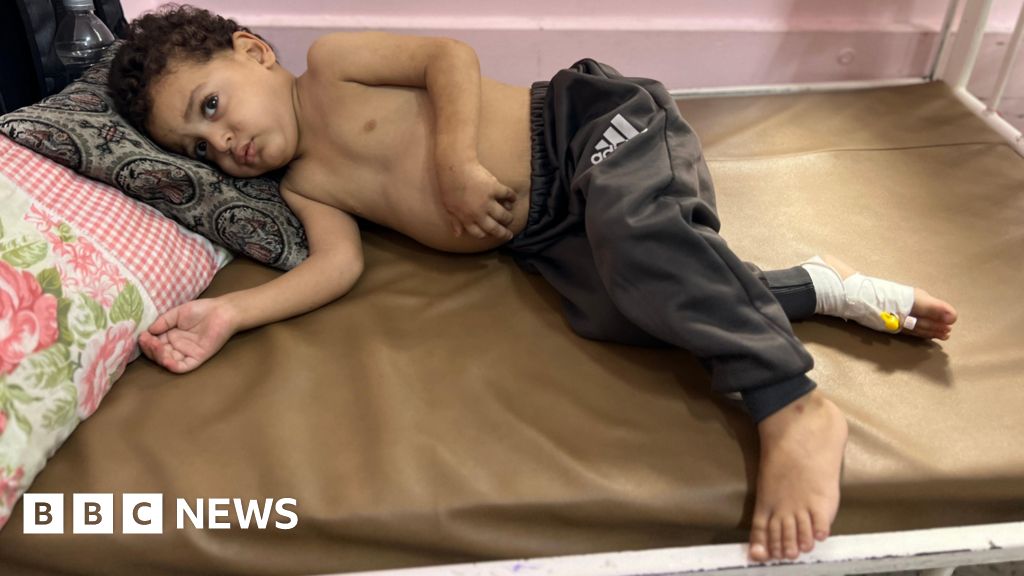
Amidst the fragile ceasefire in Gaza, the true magnitude of the humanitarian crisis remains painfully visible. Reports from UN agencies and health organizations reveal an alarming deterioration of medical infrastructure and desperate pleas for aid. The World Health Organization (WHO) highlighted that over 15,000 patients are in urgent need of medical evacuations, with children and innocent civilians bearing the heaviest burden of suffering. Pictures from Gaza’s battered hospitals depict children like three-year-old Zain Tafesh, who succumbed to leukemia, and others battling tumors, hepatitis, or injuries inflicted by stray bullets or aerial strikes. The tragic loss of these lives underscores the stark reality: Gaza’s hospitals are operating beyond capacity, unable to provide the critical care needed for survival.

Geopolitical Stalemates and the Impact on Humanity

The core issue fueling this humanitarian disaster is the prolonged blockade and political impasse that continues to choke Gaza’s borders. Despite the ongoing ceasefire, .Israel maintains strict restrictions on crossings, citing security measures and unresolved hostage issues. Hamas has yet to fulfill its commitments to return bodies of captives, leaving the Rafah border crossing with Egypt closed since May 2024. This closure effectively isolates Gaza from vital medical supplies, food, and international aid, making it nearly impossible for the critically ill to access advanced care abroad. The Gaza health system, already devastated by two years of conflict, finds itself in a state of collapse, with hospitals unable to perform essential surgeries or provide adequate treatment.

Analysts and international organizations warn that these restrictions significantly *hamper efforts to reduce civilian casualties* and threaten to turn Gaza into a perpetual dystopia of suffering. Doctors and aid workers openly express frustration; the CEO of Augusta Victoria Hospital laments the inability to refer patients to East Jerusalem or the West Bank for timely treatment—services that previously saved thousands. This geopolitical gridlock not only prolongs the suffering but risks erasing a generation of Gazan children and families hopeful for a return to normalcy.

International Response and the Call for Change

Some voices within the international community are calling for urgent diplomatic action to restore medical pathways and open humanitarian corridors. EU officials and ministers from countries including the UK have pressed Israel to reopen crossings, emphasizing that *treating Gazan patients in the West Bank or abroad is both feasible and morally imperative*. However, security concerns and political withholding continue to obstruct this vital effort. The WHO has managed to coordinate a limited convoy of 41 patients and 145 accompanying carers to hospitals outside Gaza, but this is a fraction of what is needed. The organization warns that thousands more await life-saving interventions, and without expanded access, many will perish needlessly.

Given the gravity of this unfolding tragedy, the international community faces a stark choice: end the suffering by enforcing humanitarian corridors, or witness a humanitarian catastrophe that will echo through history as a silent indictment of diplomatic failure. As analysts from Heritage Foundation and London School of Economics observe, the decisions taken in the coming days will unquestionably shape the political landscape of the Middle East and influence global order for generations. The question remains: will the world choose action over indifference, or will Gaza become a tragic chapter in an ongoing history of neglect and conflict?

Conclusion: The Unfolding of a Humanitarian Crisis

The weight of history presses heavily on these present moments. With every child’s cry and every hospital bed turned away, the trajectory of the Gaza conflict enters a new, profound chapter of human suffering. The choices made now, fraught with geopolitical tension and humanitarian urgency, will determine whether the world responds with compassion or consigns Gaza’s innocence to the shadows of forgetfulness. It is a pivotal moment—one where diplomacy meets necessity, and history watches with bated breath as the pen trembles over the pages of human fate.

Social Media Auto Publish Powered By : XYZScripts.com


