
Matox News

Truth Over Trends, always!

Hundreds of youth hubs aimed at empowering Britain’s isolated youth, delivering hope and opportunity.

In recent years, the fabric of youth engagement and community building in England has been frayed by decades of austerity and neglect. Recognizing this, the government has announced a significant investment of £500 million over the next four years aimed at rejuvenating youth services—an initiative that signals acknowledgment of the critical role these spaces play in shaping the next generation. This funding promises the construction and refurbishment of 250 youth centres and the launch of 50 new Young Future hubs, designed as comprehensive sites where existing services can converge under one roof. The hope is to reinstate a sense of belonging and purpose for millions of young people wandering a landscape increasingly isolated and digitally disconnected, yet yearning for genuine community connection.

The social landscape for youth in England has shifted dramatically, with young people now spending more time online, often retreating into bedrooms rather than communal spaces. As Culture Secretary Lisa Nandy emphasized, these spaces are disappearing in various parts of the country, leaving youths vulnerable not only to physical isolation but also to digital solitude, which can foster loneliness and mental health challenges. Sociologists like Richard Sennett have long warned society that disconnected communities weaken social cohesion and undermine the moral fabric. The establishment of these hubs aims to counteract this, offering not just safe physical environments but also opportunities for face-to-face mentorship and connection with trusted adults. The initiative also aligns with the wider societal understanding that early intervention and community support are fundamental to preventing social problems before they take root.

The impact on families, education, and communities is profound. For families, these hubs can serve as a vital support network, providing guidance and a safe space amid socio-economic challenges. In educational terms, youth centres foster skills development, career guidance, and mental well-being initiatives that complement formal schooling. Communities stand to gain by re-establishing trusted communal spaces where youths can participate in constructive activities, thus reducing risks associated with antisocial behavior and fostering social responsibility. However, social commentators such as Rosie Ferguson OBE warn that “fifteen years of cuts have left deep scars,” making the current investment a necessary, but only preliminary step towards long-term societal healing. Much like the work of sociologists analyzing post-industrial cities, it is clear that **sustained commitment and holistic support** are essential for meaningful rehabilitation of collective social health.

As society stands at this crossroads, society’s collective narrative must evolve from viewing youth issues as mere policy challenges to recognizing them as a reflection of where future generations are headed. The government’s approach, while promising, faces both political and practical challenges: ensuring these centers are adequately staffed, accessible, and genuinely engaging for diverse communities. It also calls for a moral reflection on society’s obligation to nurture its most vulnerable—those who often bear the brunt of social neglect. As history shows, without robust investment and community-driven efforts, the risk is that the “disappearing spaces” will only deepen the divide. Yet, amid these challenges, the hope remains that society can transform these spaces of isolation into grounds of renewal—regenerating resilience, fostering hope, and reminding us that the future, after all, is built not just in policies but in the hearts and minds of its young people.
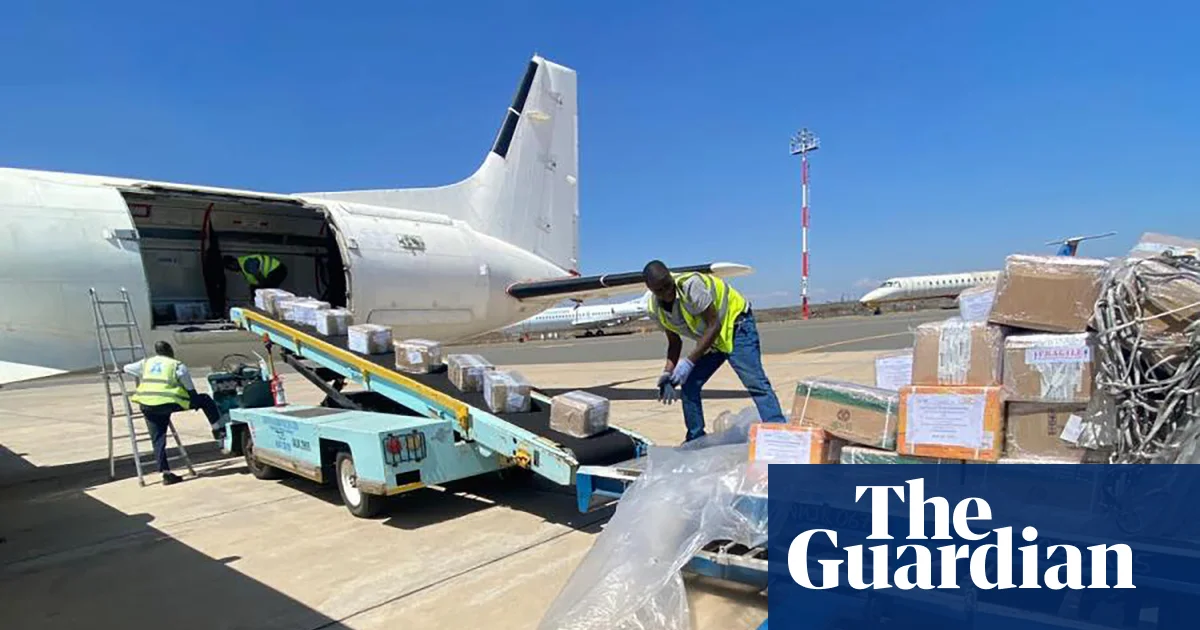
UK’s top arms maker BAE halts ‘lifeline’ aircraft delivering aid to the world

BAE Systems’ Withdrawal from Humanitarian Support: A Catalyst in Global Power Dynamics

In a move that underscores the shifting priorities within Britain’s top defense contractor, BAE Systems has quietly ended its support for a fleet of aircraft crucial for delivering life-saving humanitarian aid across some of the world’s most fragile regions. The decision, announced amidst record profits exceeding £3 billion, appears driven by BAE’s strategic pivot to bolster its hand in the ongoing global arms race spurred by increased defense spending among NATO allies. This change not only exemplifies the seeping influence of geopolitical tensions into humanitarian operations but also signals a disturbing trend where military interests undermine aid efforts in crises-ridden nations.

Key destinations such as South Sudan, Somalia, and the Democratic Republic of Congo are already suffering from escalating humanitarian disasters, with millions facing famine and acute malnutrition. Recent reports from international agencies highlight that nearly 7.7 million people across South Sudan and over 27.7 million in the DRC are caught in a maelstrom of conflict, climate crisis, and rising food prices. Hundreds of thousands of vulnerable lives depend on aid delivered via aircraft with short airstrips in remote regions—an operation that BAE’s aircraft model was uniquely suited to support. Yet, the firm’s abrupt withdrawal of support has grounded these vital missions, breaking a vital lifeline for countless civilians and raising questions about the true priorities of Western military-industrial complexes.

  • The cancellation of humanitarian contracts, including a 10-year operation in the DRC and aid deliveries in Somalia, underscores a calculated shift towards defending commercial interests, with BAE Prime among the beneficiaries.
  • The voluntary surrender of the aircraft’s type certificate by BAE, which renders the aircraft effectively obsolete for commercial use, signifies a strategic move to cease support while limiting legal liabilities.
  • Legal contention has emerged, with EnComm Aviation, the last known operator of these aircraft, claiming that they were misled about the duration of BAE’s support commitments and now face catastrophic losses—highlighting a troubling dissonance between corporate promises and actions.

Analysts and historians warn that these developments mark a dangerous departure from the longstanding tradition of leveraging military technology not only for power projection but also for humanitarian purposes. According to reports from prominent think tanks, the strategic reorientation of defense firms like BAE towards increased arms sales amid burgeoning global instability risks amplifying conflicts rather than mitigating suffering. Organizations such as the World Food Programme have warned that aid disruptions could exacerbate crises, fueling unrest and displacement, with far-reaching geopolitical consequences for regional stability and international diplomacy.

As Britain and its allies continue to allocate billions toward military expansion, the true price may be paid by the most vulnerable populations on Earth. The historic moment we find ourselves in is a stark reminder of how the collision of economic interests and geopolitical strategy can reshape the landscape of global aid. With each aircraft grounded, each contract canceled, the weight of history hangs heavily—an unfolding chapter that urges vigilance. Humanity stands at a crossroads in a world where the decisions made in smoke-filled boardrooms may determine whether millions will survive or succumb to the shadows of neglect and conflict enduring into the unknown future.

Social Media Auto Publish Powered By : XYZScripts.com



