
Across our communities, the battle against social isolation and the neglect of vulnerable populations exposes an unsettling truth about society’s moral fabric. Dementia, a progressive neurological decline, is often dismissed or misunderstood, leaving families and caregivers grappling with the emotional, financial, and practical tolls. As sociologists like Dr. Laura Smith argue, the way a society treats its most vulnerable reflects its true character. Yet, amidst the struggles, stories emerge that challenge societal apathy, reminding us that **people with dementia remain human beings** with capacities for love, connection, and dignity. These stories aren’t just reflections on individual resilience—they are calls for societal reform, urging policymakers, educators, and healthcare systems to prioritize compassionate approaches to care.
At the heart of these issues lies **the impact on families and educational institutions**. When a loved one faces dementia, the disruption extends beyond the individual, fracturing families and pulling communities into long, often exhausting caregiving roles.
- Many families lack access to comprehensive support and resources needed for proper care, leading to increased stress and strained relationships.
- Educational programs that raise awareness about dementia are critical but underfunded, perpetuating misconceptions and social stigmas.
- Historians like Dr. Peter Reilly emphasize that societies which invest in preventative care and community support create stronger bonds and more resilient communities.
In school settings, **the cultural shift towards understanding neurodiversity and mental health** is slowly gaining ground, but significant gaps remain. Without a societal focus on empathy, children grow up in environments that sometimes overlook the humanity of those with cognitive impairments, shaping attitudes that lead to social exclusion and discrimination. Addressing this requires a fundamental cultural shift—one that values **dignity and compassion** over indifference and neglect.
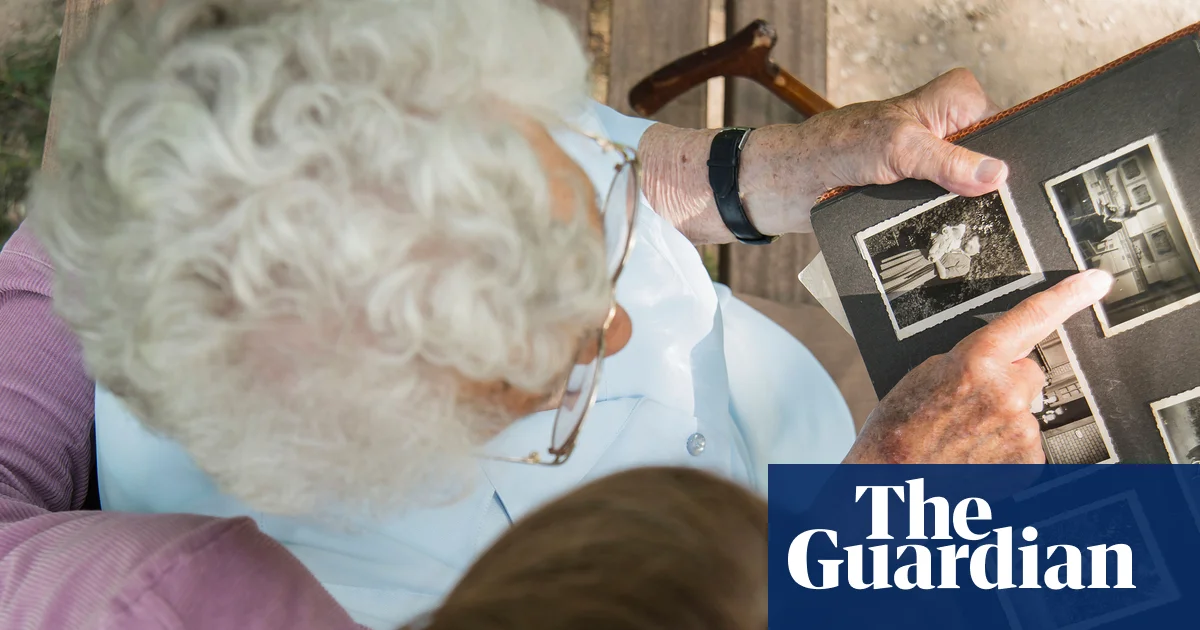
The stories shared by individuals like Jo Glanville and Catherine Roome powerfully illustrate **the transformative potential of simple acts—reading, music, and storytelling**—that bridge the gap between society’s neglect and human connection. Jo Glanville eloquently captures how reading was more than just a pastime for her parents; it was a vital link to their identity and humanity, even in the face of dementia’s relentless march. Meanwhile, music therapy and creative storytelling demonstrate that **yet again, society’s most vulnerable can find moments of joy and recognition** when given the chance. These humanistic approaches highlight a profound truth: *respect and love are not commodities—**they are the moral bedrock of any thriving society**.* When we resist reducing individuals with dementia to mere “zombies” or burdens, we uphold the ethical standards that define a compassionate civilization.
In facing society’s ongoing social issues surrounding dementia and care, it becomes evident that **our collective responsibility** extends beyond hospitals and homes—to each of us as members of a society that must guard its moral integrity. Historians like Yuval Noah Harari suggest that only through shared stories and community effort can we foster a society where differences are respected and the dignity of every individual is upheld. As families, educators, and policymakers grapple with future challenges, the hope remains that society can evolve—prioritizing **empathy over neglect**, **community support over isolation**, and **respect over judgment**. Society’s true strength lies in its capacity to care for its most fragile, transforming despair into hope, silence into song, and indifference into a collective embrace. Ultimately, the measure of our society is whether we rise to uphold the humanity in others, illuminating a path toward a future where dignity is restored, and no one is left to fade into the fog of forgotten stories.