Matox News

Truth Over Trends, always!

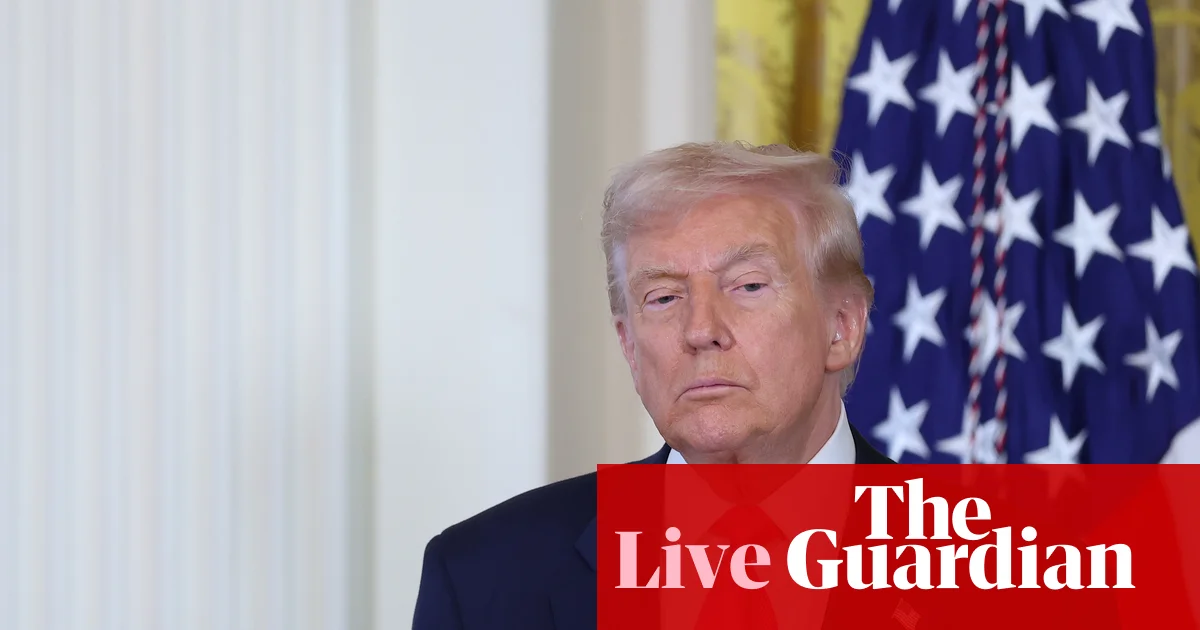
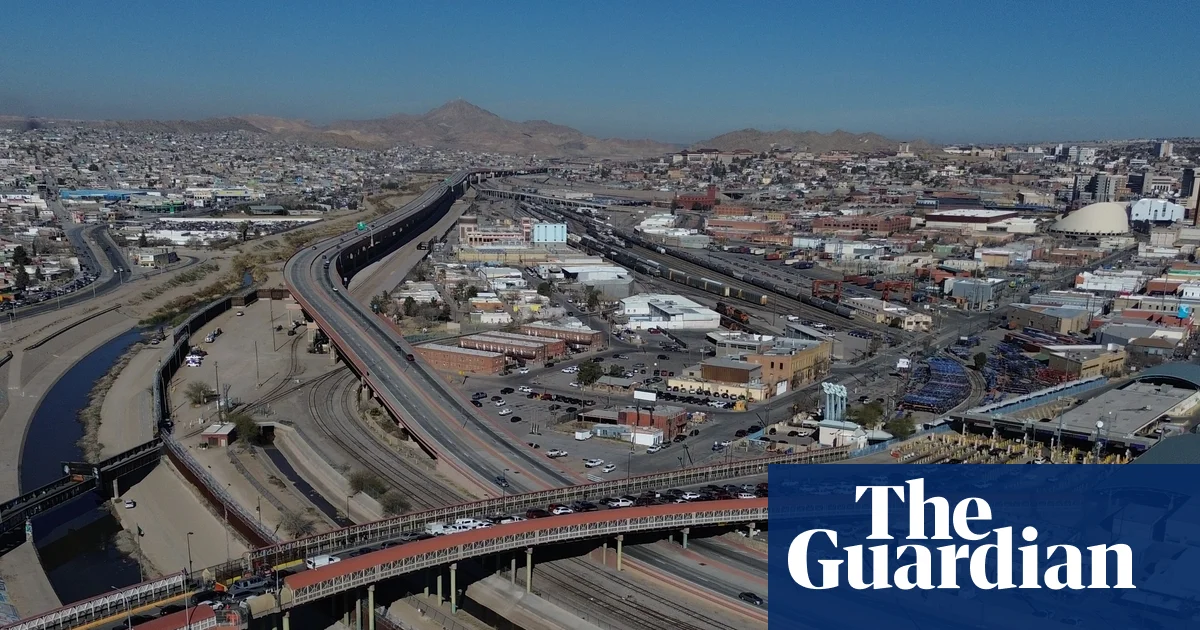
Democrats criticize US military for shooting down CBP drone at border—are they putting politics over security?

U.S. Border Security and the Flawed Logic of Anti-Drone Operations

The recent series of incidents along the U.S.-Mexico border reveals a troubling trend in America’s border security and aviation management. With airspace closures, drone misidentification, and intra-agency conflicts, the American federal government appears to be caught in a cycle of chaos and indecision. The latest event involving the U.S. military shooting down a drone presumed to be a threat, only to discover it belonged to U.S. Customs and Border Protection, underscores a misjudged strategy that threatens not just national security, but also public trust. Analysts warn that such reckless operations, powered by improvised high-energy laser deployments, could escalate into larger diplomatic and military miscalculations, especially given the sensitive border region.

The strategic missteps were compounded by inter-agency disagreements—particularly between the Pentagon, the FAA, and CBP—illustrating a fractured command structure. Congressional critics, especially Democratic members like Senators Tammy Duckworth and representatives Rick Larsen and Bennie Thompson, have voiced grave concerns about the lack of coordination and the “incompetence” fueling these border violations. These incidents are a clear reflection of a broader deficiency in strategic planning and oversight, fueling fears of escalation that could create international tensions or even unintended conflicts.

International observers and historians have repeatedly warned about the peril of uncoordinated military actions near contested borders. Such blunders can rapidly spiral into crises, especially in a geopolitically sensitive region like North America. The use of high-energy lasers—a technology still in its infancy—raises questions about its safety and efficacy. The FAA’s call for a comprehensive safety review underscores the technology’s emerging risks, and experts warn that deploying such systems without proper regulation could violate international norms and invite retaliation. This chaos occurs amid a backdrop of ongoing debates about border security, drug trafficking, and migrants—pressing issues that demand prudent, coordinated responses rather than reckless show-of-force tactics.

The U.S. border remains a flashpoint for geopolitical contention, with organized crime, drug cartels, and increased militarization making the region volatile. The incident near Fort Hancock, adjacent to one of the world’s most active smuggling corridors linked to the Sinaloa cartel, demonstrates how missteps in security operations risk fueling violence and destabilization. As international organizations like the United Nations assess the implications of U.S. border policies, history teaches that haphazard military interventions only deepen conflicts and undermine sovereignty. The continuing dispute over the management of drone technology serves as a stark warning: decisions taken in haste today could cast long shadows over future geopolitical stability. In the evolving chessboard of global power, mishandled border security operations threaten to become catalysts for far larger conflicts, echoing historic failures in reckless militarization.
Democrats target DoJ for withholding Epstein files amid Trump abuse claims

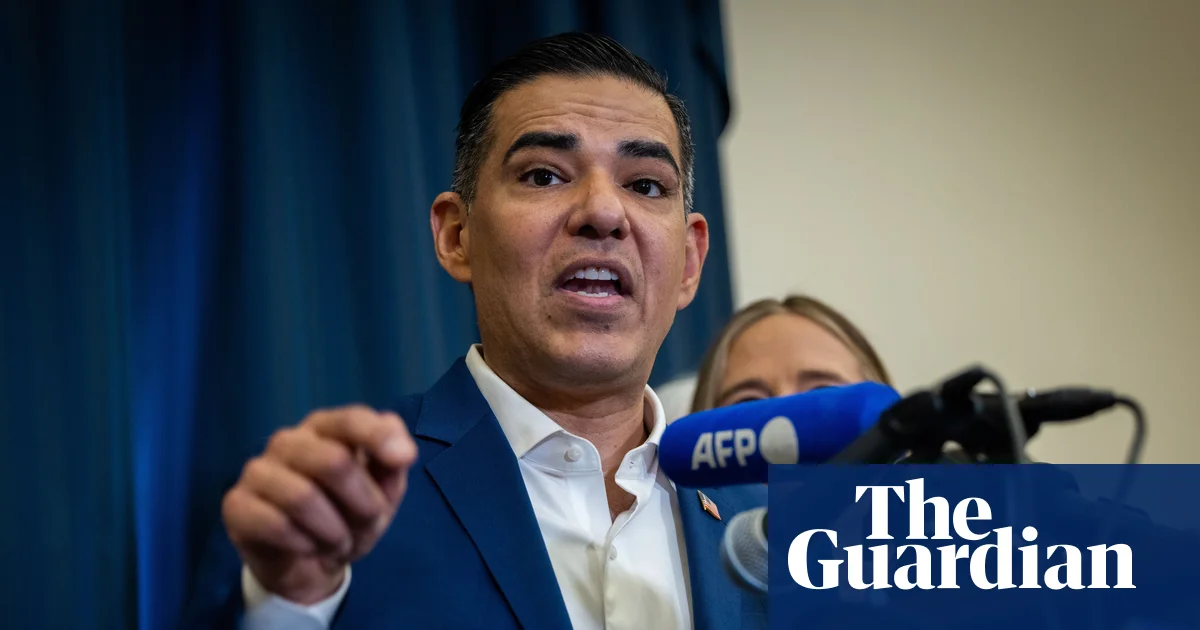
The United States is once again embroiled in a high-stakes political controversy that underscores the delicate balance between justice, transparency, and partisan influence. Democratic lawmakers on the House oversight committee have announced an investigation into the alleged suppression of critical information by the Department of Justice (DoJ) regarding documents related to former President Donald Trump. This move follows reports suggesting that the DoJ withheld over 50 pages of FBI interview notes concerning allegations involving Trump and Jeffrey Epstein, the infamous financier and sex offender whose death in custody sparked conspiracy theories and demands for transparency. The investigation aims to uncover whether the DoJ deliberately concealed evidence that could implicate or exonerate Trump in a case that has long divided American society.

Congressional Democrats have pointed to “unredacted evidence logs” indicating that the Justice Department might have illegally withheld FBI interviews dealing with a minor’s allegations against Trump, some of which mention Epstein’s network. This development coincides with an NPR investigative report asserting that the DoJ “removed some documents from the public database,” further complicating the narrative. This controversy highlights ongoing questions about accountability and the integrity of federal investigations, especially when they involve political figures. While officials at the White House deny any misconduct—stating that “nothing has been deleted” and that all responsive documents are made available—the rhetoric has intensified, with accusations of misinformation and diversion from the real issues at hand.

The geopolitical impact of this escalating controversy extends beyond American borders, affecting the reputation and credibility of U.S. institutions worldwide. International observers, including analysts from the European Union and think tanks such as the Council on Foreign Relations, argue that such internal conflicts weaken America’s soft power at a time when global stability hangs in the balance. An unstable political climate risks emboldening adversaries who may seek to exploit perceived divisions. Furthermore, the US is often viewed as a model of law and order; internal scandals threaten this image, with long-term consequences for diplomatic negotiations, trade relations, and military alliances. Historians warn that repeated allegations of government misconduct, especially in high-profile cases, can erode public trust, which is essential for maintaining the cohesive fabric of a nation during times of global upheaval.

  • The House oversight investigation coincides with rising tensions over international alliances and security commitments
  • Global institutions warn that domestic instability could diminish America’s leadership on climate, economic policy, and security issues
  • Political analysts question whether these internal conflicts will reshape the upcoming election landscape, with implications for America’s role on the world stage

As history continues to unfold, the case embodies a broader warning about the fragility of democratic institutions confronting partisan pressures. Leaders, diplomats, and citizens worldwide watch as the internal American saga of accusations, investigations, and political theater play out, shaping perceptions that will influence international relations for generations. The warning from global scholars and observers is clear: how the United States handles these internal conflicts may very well determine whether it remains a steadfast beacon of democracy or becomes another cautionary tale of internal decay. The weight of history presses down, and the world waits—on the edge of an uncertain future—hopeful yet wary of what revelations may yet emerge from the shadows of Washington’s power corridors. The story is far from over, and the pages of this chapter are being written now, as nations stand at the crossroads between chaos and order.

Senate Democrats probe CBS over blocked Colbert interview—questioning media bias against conservatives

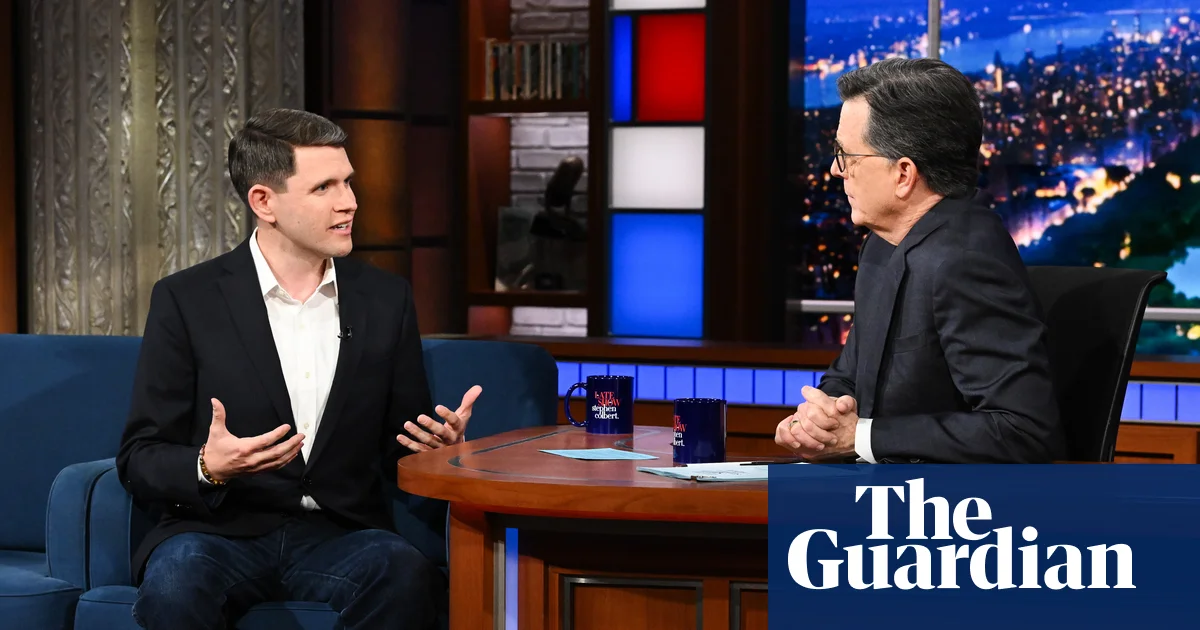
In a move reflecting the intensifying intersection of media control and domestic geopolitical strategies, the US Senate has launched an investigation into alleged censorship practices by the Federal Communications Commission (FCC) and Paramount. At the heart of the controversy lies the sudden suppression of an interview with Texas Democratic candidate James Talarico, which has sparked widespread debate over freedom of speech and political bias. Democratic Senator Richard Blumenthal, leading the inquiry, claims that the FCC’s actions and corporate pressures are part of a broader effort to shield the Trump administration and Republican interests from critical scrutiny. Such accusations underscore how the battle over information is sharply aligned with stark geopolitical struggles, both domestically and internationally.

This controversy is not isolated. It comes amid a climate of heightened censorship and media manipulation that analysts warn has become a form of soft geopolitical warfare. Paramount’s ongoing bid to acquire Warner Brothers Discovery—a monumental $108 billion deal—appears to be intertwined with internal manipulations and external political pressures. Critics assert that such corporate maneuvers could serve as tools to influence, or even silence, dissenting voices ahead of critical industry consolidations that will shape media narratives for years to come. Meanwhile, the appointment of Bari Weiss as CBS News editor by Paramount’s CEO and the subsequent politicized decisions—such as pulling controversial segments—highlight how media outlets are increasingly subject to political sways, often at the expense of journalistic integrity. These shifts threaten to undermine public trust and distort international perceptions amid a web of competing narratives.

From an international perspective, the US’s internal media battles resonate globally, illustrating the use of information as a geopolitical weapon. As analysts note, the EU, China, and Russia are closely watching such developments, understanding that control over narratives significantly impacts diplomatic relations and regional stability. The influence exerted on domestic media extends outward, affecting how world events are portrayed and understood. The ongoing investigation, centered on accusations of partisan censorship, emphasizes how even established democracies are wrestling with the erosion of free speech under the guise of political expediency. It also raises questions about the true nature of influence and power in the digital age: who controls the narrative, and at what cost to societal cohesion?

As history continues to unfold, the evolving conflict over free speech, corporate influence, and political power signals a dangerous shift. The fate of mainstream media and democratic accountability hangs in the balance, with each revelation fanning fears of an emerging censorship regime cloaked in the guise of legal or institutional necessity. The coming months promise a deeper probe into the depths of this crisis—one that will determine not only the future of U.S. society but also serve as a cautionary tale for democracies worldwide. As the echoes of this unfolding story resound through halls of power and corridors of global influence, the question remains: what sacrifices are nations willing to make in the relentless pursuit of control over history’s narrative?

Democrats reassure Europe: America’s still got your back post-Trump

In 2024, the international community observed a seismic shift as the United States elected Donald Trump once again to the White House, signaling a definitive turn away from traditional diplomatic norms and towards an “America First” approach. This policy stance, characterized by a focus on national sovereignty, economic protectionism, and a skeptical view of multilateral institutions, has reverberated across the global stage. As historians analyze previous eras, many recognize that Trump’s leadership style, marked by confrontational rhetoric and unilateral actions, distinguished a period of heightened geopolitical volatility. Notably, the resurgence of Trump’s influence underscores how a nation’s internal political shifts can reshape entire alliances, trade dynamics, and global security frameworks.

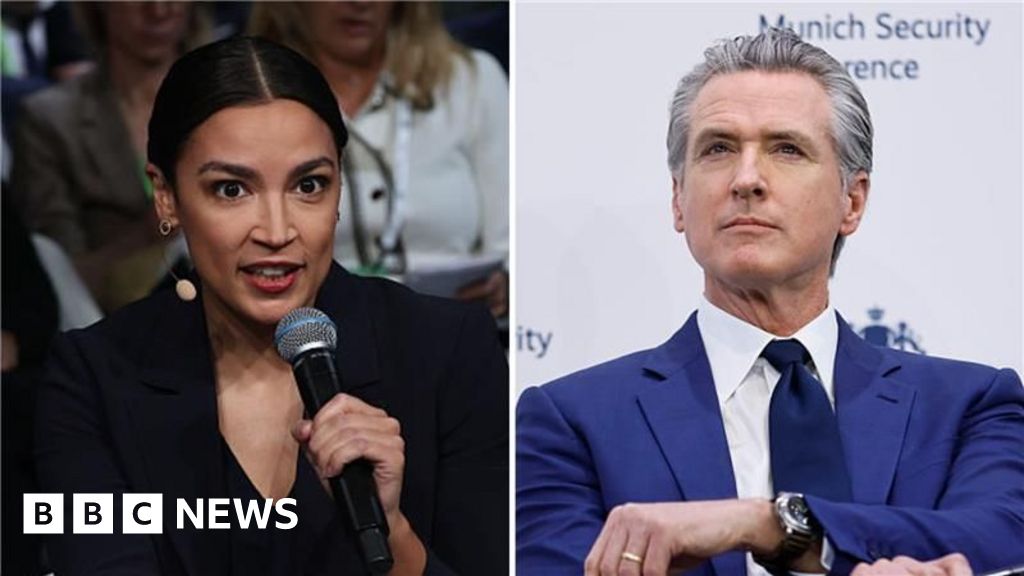
This renewed American assertiveness has catalyzed a series of international reactions, most notably within institutions and alliances once committed to multilateralism. Global analysts warn of the potential unraveling of established treaties and partnerships, including NATO—whose cohesion is now under strains amid contrasting visions on defense and security. The speech delivered by Vance at the Munich Security Conference epitomized this new climate; his confrontational tone aimed to rally Western allies against perceived threats from both Russia and China, while signaling that confrontation, rather than cooperation, might define the West’s strategic posture in the coming years.

  • The shift in U.S. foreign policy under Trump has brought about a reevaluation of international commitments, with some nations increasingly questioning the efficacy and longevity of existing alliances.
  • European nations, especially in Eastern Europe, see renewed urgency to bolster their defenses as U.S. commitments appear more transactional than ever, hinting at a divergence from previous bipartisan consensus.
  • Global institutions, such as the United Nations and World Trade Organization, face mounting skepticism as the U.S. pushes for policies prioritizing sovereignty over multilateral cooperation, igniting fears of a new bipolar world order.

According to analysts like Dr. Emily Carter, a senior geopolitical strategist, the danger resides in how decisions made today could fracture the existing international order. As nations brace for what many perceive as a turbulent chapter, international organizations warn of the risks associated with increased nationalism and the erosion of diplomatic norms—factors that could lead to enduring instability. The policies of the new American leadership are likely to influence regional conflicts, trade negotiations, and global peace initiatives for decades to come. Meanwhile, critics caution that U.S. retrenchment might embolden authoritarian regimes, risking a realignment of global power that could destabilize the delicate balance maintained since the Cold War.

As history continues to unfurl, the question remains whether this era of heightened confrontation and nationalism will forge a new global order or unravel the fragile peace built over generations. The weight of this moment bears heavily on future generations—their societies, their sovereignties, and their very understanding of international cooperation—awaiting the reckoning that only time can reveal. The shadows of history stretch long as the world stands at a crossroads, with the past whispering warnings and the future yet unwritten.

Congressional Democrats Promise Justice for Americans Hurt by Immigration Agents: “You Deserve Peace” | US Congress

The recent congressional hearings in the United States have thrown a stark spotlight on the ongoing controversy surrounding the federal government’s aggressive immigration enforcement policies. Witnesses, including family members of victims and victims themselves, recounted harrowing encounters with federal agents, raising serious questions about the human rights abuses and accountability failures of agencies like Immigration and Customs Enforcement (ICE) and Border Patrol. This unflinching testimony reveals a deeply troubling picture: a government-authorized crackdown that has, in numerous cases, turned deadly, exposing the darker consequences of unchecked federal power. Such revelations have ignited a fierce debate about the geopolitical and social impact of U.S. immigration policies, with critics warning that these actions threaten to harm American societal fabric and international standing.

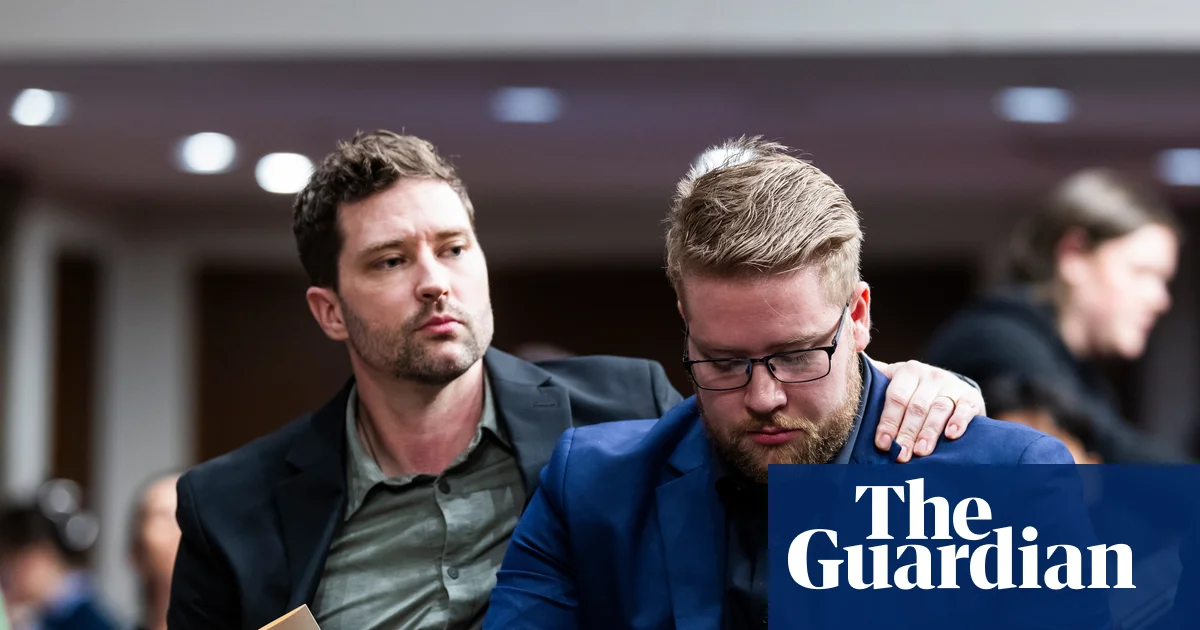
Key to the hearings was the emotional testimony of families who have lost loved ones in encounters with federal agents. Brothers Luke and Brent Ganger vividly described the death of their sister, Renee Good, shot by ICE officers during a routine traffic incident. Their grief was compounded by reports of further violence, including the fatal shooting of protester Alex Pretti by border patrol agents. These stories underscore a troubling pattern: federal agents engaging in violence with impunity, often with little oversight or accountability. Critics, including prominent analysts and international organizations, argue such conduct damages the credibility of the U.S. on the global stage, where it claims to champion human rights and the rule of law. Moreover, these incidents have far-reaching implications, fueling societal divisions and eroding faith in institutions meant to protect citizens and non-citizens alike.

The hearing also brought to light stories of trauma inflicted on ordinary Americans, such as Marimar Martinez and Aliya Rahman. Martinez, a Chicago native, was shot five times by a border patrol agent who later circulated her gruesome hospital images as trophies — an act exposing a culture of misconduct that seems embedded within certain enforcement arms. Meanwhile, Rahman, who suffers from autism and traumatic brain injury, was forcibly removed from her vehicle while trying to access medical care, with agents referencing her as a mere “body.” Her account highlights the dangers faced by vulnerable populations caught in the crossfire of national security policies. Such practices, often carried out with little regard for due process or human dignity, threaten to alienate communities, spread fear, and deepen societal fractures—facts acknowledged by many international watchdogs.

These revelations have stirred a powerful call for reform, with many voices from the political realm demanding justice. Richard Blumenthal, a senator from Connecticut, framed the testimonies as a “defining moral moment,” questioning the moral integrity of those responsible. Meanwhile, Alex Padilla pointed out the absence of Republican engagement, emphasizing the partisan divide that hampers bipartisan oversight of such crises. Critics argue that this political inaction emboldens agencies to operate above scrutiny, thus risking the destabilization of American values and the erosion of international credibility. As these stories unfold, historians and analysts warn that America faces a pivotal reckoning: whether to uphold its founding ideals of justice and human rights or to succumb to policies that, in the name of security, violate the very principles that underpin the nation’s identity. The weight of this moment falls heavily on the shoulders of policymakers — for the tide of history remains uncertain, yet undeniable: the choices made today will echo through generations, shaping the face of the nation and the global order for decades to come.

House Democrats push for release of Jack Smith classified report in showdown with Republicans

In a bold move that signals ongoing domestic chaos, the Democrats on the House Judiciary Committee are pushing to unveil classified portions of special counsel Jack Smith’s report concerning former President Donald Trump. The report, which scrutinizes allegations of mishandling classified documents and interference in the 2020 election, remains shielded by court orders, but the Democratic-led committee aims to challenge these restrictions. This standoff is not merely a matter of American political theater; it resonates deeply beyond U.S. borders, impacting global perceptions of the rule of law and the stability of the world’s leading democracy.

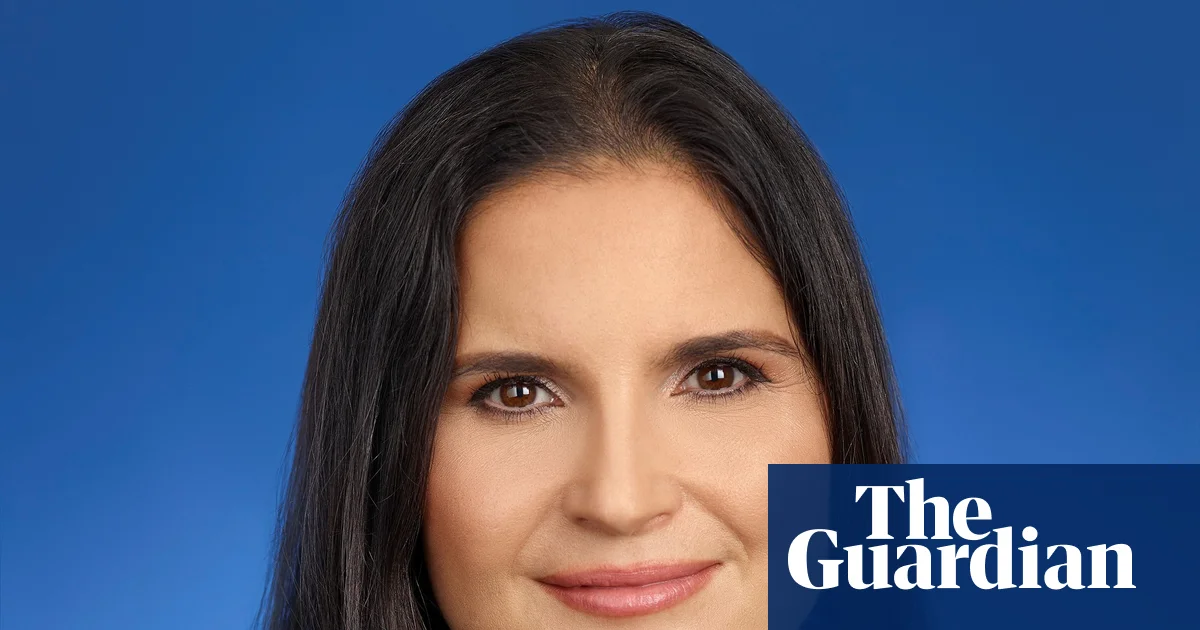
Recent developments reveal powerful implications for geopolitical stability. Judge Aileen Cannon has refused to release the classified content, citing ongoing court protections, while House Democrats argue it is essential for transparency, especially with Jack Smith scheduled to testify in closed-door sessions. The clash underscores a broader fight over transparency versus legal boundaries—a tension that could unsettle international peace if perceived as a sign of lawfare or political weaponization. According to international analysts and critics of U.S. politics, these events serve as a stark reminder that internal political strife can escalate into a signal of internal erosion of legal integrity, threatening global alliances predicated on American stability.

As Republicans led by Jim Jordan escalate their efforts, including issuing subpoenas for Smith’s appearance, the situation emphasizes a dangerous polarization. Locally, these proceedings could influence legislation and law enforcement policies, but what’s truly alarming is how this chaos fuels uncertainty on the international stage, especially among allies and adversaries alike. The ongoing drama also ignites fears of politicized justice, reminiscent of narratives that global power players like Russia and China exploit to undermine American credibility. The geopolitical impact amplifies as nations watch Washington’s internal struggles unfold, questioning American endurance and the durability of its democratic institutions.

Historians and policy analysts warn that these events mark a pivotal moment—a test of the principles of justice, sovereignty, and leadership. The decision by Judge Cannon to withhold certain documents, combined with the congressional push for transparency, inputs into a broader conversation: Are American elites capable of balancing legal integrity amidst political turmoil? Or are we witnessing the dismantling of trust in the foundational pillars of democracy? As the world’s preeminent superpower. stares into this abyss, one thing is clear: history is being written in real time — and its consequences will echo across generations. The weight of these decisions extends far beyond the Capitol, shaping the narrative of power, justice, and national resilience for decades to come.

Democrats push Pentagon to release footage of suspected drug boat strike — returning to tough on crime stance from Trump era

Controversy Erupts Over US Navy Strike in the Caribbean

In a development that could have far-reaching geopolitical impact, the United States is facing mounting scrutiny over a deadly naval attack in the Caribbean, where eleven individuals lost their lives. The controversy revolves around the Pentagon’s refusal to publicly release video footage of the incident, stirring international and domestic objections. Democratic leaders and security analysts argue that transparency is vital to assess the legality and moral standards of such military actions, especially given the disturbing reports of a second strike that targeted alleged survivors clinging to wreckage.

This incident has highlighted a broader debate about the limits of military authority and accountability. The attack, which took place on September 2, involved an operation against what US officials described as a drug-smuggling vessel. However, critics, including Democratic Senator Adam Schiff, emphasize that the absence of visual evidence fuels accusations of reckless conduct and potential war crimes. As some members of Congress demand transparency — with Senator Schiff calling for the release of the video — others, like Pentagon officials, cite concerns about safeguarding classified information, revealing a tension between national security and public oversight.

International and Strategic Ramifications

The refusal to share the footage comes at a critical juncture for global perceptions of US military engagement. The incident underscores the risk of escalation in the region, where such actions may erode the US’s image as a defender of moral standards. Analysts warn that this controversy could embolden rival powers like China and Russia, who have been keen to exploit perceived American overreach to justify their own aggressive postures elsewhere. How the Biden administration chooses to handle this controversy will influence the future of American military diplomacy and credibility, especially in unstable regions marked by lawlessness and turmoil.

International organizations, including human rights watchdogs, have expressed concern over the potential violation of international law. Historians note that such incidents, if unresolved or perceived as unjust, tend to serve as catalysts for broader regional conflicts. Furthermore, military experts remind that decisions made in the fog of conflict often bear consequences long after the firing stops, transforming battlefield actions into symbols of moral and strategic dilemmas. As the debate intensifies, the world watches closely — realizing that every clandestine attack, every withheld video, becomes another chapter in a narrative of power, justice, and the fragile morality of warfare.

Reader’s Reflection: The Weight of Unfolding History

As the dust settles and more information surfaces — or is concealed — the core question remains: what echoes will this bequeath in the annals of history? Will the US’s refusal to provide clarity strengthen its resolve and moral authority, or will it diminish its standing and invite doubt? The unfolding story is a stark reminder of the potent consequences when military force is wielded in the shadows, shaping not only the immediate battlefield but also the very fabric of international justice and sovereignty. The world stands at a precipice, evaluating whether the current path embodies strength or peril, and history’s verdict still hangs in the balance, waiting to be written.

House Democrats unveil new photos of Epstein’s private Caribbean island

Unveiling the Shadows: Jeffrey Epstein’s Private Island and its Geopolitical Ripple Effects

The recent release of photographs and videos from Jeffrey Epstein’s private Caribbean island signifies more than just a glimpse into a scandalous secret; it underscores a broader geopolitical narrative intertwined with global power structures and the pursuit of accountability. The materials, obtained from law enforcement authorities of the US Virgin Islands, surface at a critical juncture as investigations intensify, revealing the depths of Epstein’s notorious operations. These images, dating back to 2020—just a year after Epstein’s controversial death—invite a cautious reflection on the international implications of this high-profile case and the forces that may have enabled such atrocities.

The properties owned by Epstein, including Little St James, broadly referred to by locals as “pedophile island,” symbolize the convergence of illicit activity and the complicity of powerful entities. The US Virgin Islands’ Attorney General settled in 2022 for more than $100 million with Epstein’s estate, highlighting the institutional attempts to reckon with the trafficking and abuse allegations that tarnished Epstein’s reputation. Such settlements not only represent a pursuit of justice but also serve as a stark reminder of how financial and political interests can obscure accountability until those interests are challenged by persistent investigations. The release of these new images seems to coincide with a broader congressional effort to maintain pressure on authorities, particularly as the Justice Department faces an impending deadline in December for releasing sensitive files relating to Epstein’s operations.

Analysts see these disclosures as a reflection of how international and domestic power can intertwine to protect or expose scandal. The bipartisan push—urging the Attorney General Pam Bondi to update on pending investigations—signals a strategic move to sustain congressional oversight amid calls for transparency. Moreover, documents such as records from financial institutions like JP Morgan and Deutsche Bank further complicate the picture, hinting at sophisticated financial networks that may have facilitated Epstein’s trafficking and obfuscated the extent of his influence. International organizations and historians warn that this case is a cautionary emblem of systemic corruption, with the potential to reshape how nations confront organized abuse embedded within elite circles.

As global eyes remain fixated on the unfolding revelations, the situation underscores how critical decisions at the national and international levels have long-lasting, far-reaching consequences. How countries manage transparency, uphold justice, and prevent the abuse of power directly affects societal stability and public trust in institutions. The ongoing investigation, poised to unearth further truths, leaves a sobering question: can justice truly be served in a landscape where power often shields the powerful? The narrative remains unresolved, with history itself still scribbling its chapters into the dark corners of a world grappling with the shadows cast by its most influential figures. The story of Epstein’s island is not just one of scandal but a stark reminder that beneath the veneer of civility, the battle between light and darkness continues—one that will shape the destiny of nations for generations to come.

Debate heats up as ‘Illegal Orders’ video sparks clash with Democrats over American patriotism

In an era defined by increasingly polarized politics, the dialogue surrounding patriotism has taken on new and contentious dimensions. Last week, a short yet provocative video emerged from six Democratic lawmakers—each with military or national security backgrounds—challenging the very notions of loyalty and obedience within the American military. By emphasizing the right—and perhaps the obligation—to disobey “unlawful orders,” these representatives sparked a firestorm in the political landscape. Their critique, whether seen as a call to uphold constitutional principles or as an act of political provocation, underscores a broader debate about the meaning of service, patriotism, and duty in contemporary America.

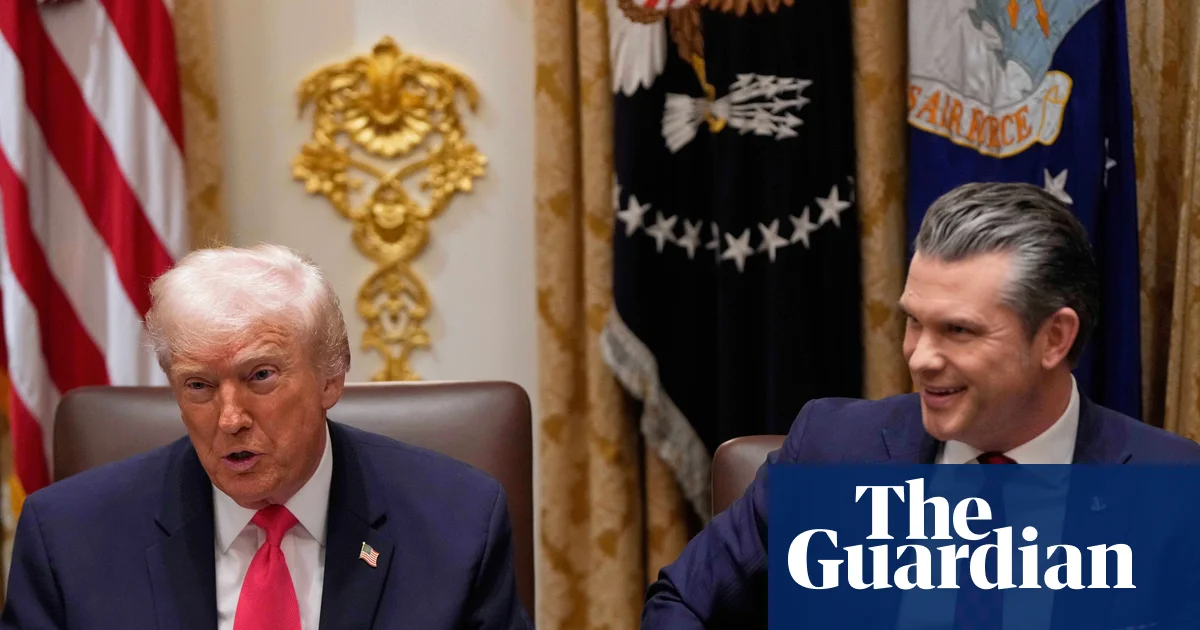
The responses, particularly from the Trump administration, have been swift and assertive. With Secretary of Defense Pete Hegseth and other officials scrutinizing whether these lawmakers violated military law, the situation has unfolded into a compelling example of America’s ongoing struggle over loyalty and loyalty’s limits. Legal experts like Rachel VanLandingham dismiss the possibility of a military law violation, describing efforts to recall lawmakers to active duty as “dead on arrival”—highlighting, perhaps, the disconnect between political rhetoric and the realities of military regulation. This controversy demonstrates that, in today’s climate, patriotism isn’t merely a matter of waving flags or attending rallies—it’s now intertwined with questions about the loyalty of those in power and their interpretations of the truth.

Meanwhile, the broader cultural narrative frames patriotism as a core element of American identity, especially within the Republican base. Popular icons like Donald Trump have long championed a vision of the United States as an exceptional nation, emphasizing strong national pride, military strength, and unwavering loyalty to the Constitution. His rallies, often set against the backdrop of patriotic anthems and American flags, serve as a reminder of the cultural importance of tradition and a sense of purpose—concepts that resonate with millions who believe that America’s greatness is rooted in a shared national pride. On the opposite side, polls reveal a stark divergence: only about 36% of Democrats consider themselves “extremely” or “very” proud to be American, compared to over 90% of Republicans. Such statistics underscore the cultural divide—the growing chasm between two visions of American identity.

In response to these shifts, many Democrats are attempting to reframe patriotism through a more inclusive lens—highlighting the importance of fighting for the country’s core ideals rather than a blind loyalty to leadership. Speeches by figures like Vice President Kamala Harris and the recruiting of military veterans into politics suggest that, on their side, patriotism is linked to ideals and the defense of constitutional values. Even as partisan sparks fly, the underlying reality remains: the journey toward understanding what it means to serve, to honor, and to be truly patriotic is increasingly a personal internal voyage, illuminated by the enduring desire to be part of something greater than oneself.

Ultimately, contemporary American lifestyle—shaped by the ongoing tension between tradition and change—invites a reflection: what will it take for the next generation to embrace their role as stewards of their nation’s legacy? It may be in embracing those disputed narratives and complex truths that young Americans can forge a meaningful, resilient identity. In a nation where symbols of unity are sometimes used more as battlegrounds than bonds, the challenge lies in cultivating a sense of purpose rooted not in division but in a shared vision of self-reliance, duty, and hope. As citizens and future leaders step into this ongoing story, they are invited to ask themselves: how will I carry the torch of patriotism without losing sight of my own authenticity and principles? The path forward is less about blind allegiance and more about heartfelt commitment—a journey that begins within us all, grounded in the indomitable spirit of American resilience.

Trump under fire for allegedly suggesting executions of Democrats – Breaking US politics

Shaping the Future: The Geopolitical Aftershocks of Recent US and World Events

In an era defined by rapid political shifts and intense international conflicts, recent developments signal a deeply uncertain yet fiercely consequential chapter in global history. Across the Atlantic and beyond, key decisions and statements by leaders are not only shaping domestic narratives but are also echoing through the corridors of power worldwide. The recent hostility between President Donald Trump and the new civic leadership of New York City exemplifies the fragility of American political stability and foreshadows conflicts that could pit city, state, and federal authorities against each other, destabilizing one of the world’s major economic hubs.

Just as Trump‘s rhetoric, filled with threats against Democratic lawmakers, draws condemnation, it underscores a broader pattern seen in many democracies: the rise of populist leaders who oppose the established political order. His call for the arrest and trial of elected officials accused of “sedition,” alongside claims of “punishable by death,” open the door to spiraling violence and undermine the very fabric of constitutional governance. Savvy analysts warn that this rhetoric, if left unchecked, could lead to further polarization and even violence—a turning point that history will scrutinize for generations. In reaction, figures such as Chuck Schumer have rightfully condemned the threats, emphasizing that such language threatens the core principles of American democracy. However, the underlying grappling with law enforcement, civil liberties, and political violence remains emblematic of a nation on edge, risking the descent into chaos if institutions falter.

Meanwhile, international scenes are equally tense. Ukrainian President Volodymyr Zelenskyy recently indicated an openness to negotiate with Donald Trump over a peace plan that calls for painful concessions from Kyiv—a stark reminder of how \_diplomatic negotiations\_ have become intertwined with the volatile domestic politics of the United States. The potential for such negotiations to influence the Kremlin’s calculus signals what could be a crucial shift in the \_geopolitical chessboard\_: the possibility of a diplomatic breakthrough amidst warfare that has threatened regional stability for over a year. That Zelenskyy, who is receiving pressure from Washington, might navigate this complex web of diplomacy under the shadow of American partisan tumult highlights the intertwined destinies of nations.

In a broader context, the recent announcement by the Trump administration to expand offshore oil drilling off the coasts of California and Florida signals a shift in the United States’ energy policies amidst a time of economic and environmental debate. This move, opposed by many state and local leaders, serves as a case study of how energy and climate priorities are becoming battlegrounds for national identity and economic interests. The decision, against the backdrop of a declining global oil market, underscores the importance of energy independence and resource security—yet also raises questions about the long-term sustainability and geopolitical influence of the US in energy markets.

With these developments unfolding concurrently—ranging from fiery rhetoric to diplomatic negotiations, and environmental policy shifts—the message for the world’s nations is clear: the stage is set for a tumultuous period where decisions made today will echo in history’s chronicles for generations to come. All eyes remain fixed on the unfolding drama, where the consequences of leadership, ideology, and power will determine not just the fate of individual nations, but the stability of the international order itself. As history’s wheels turn, one must wonder—how will the chronicles of this turbulent era be written, and who will emerge as the architects of the future?

Social Media Auto Publish Powered By : XYZScripts.com