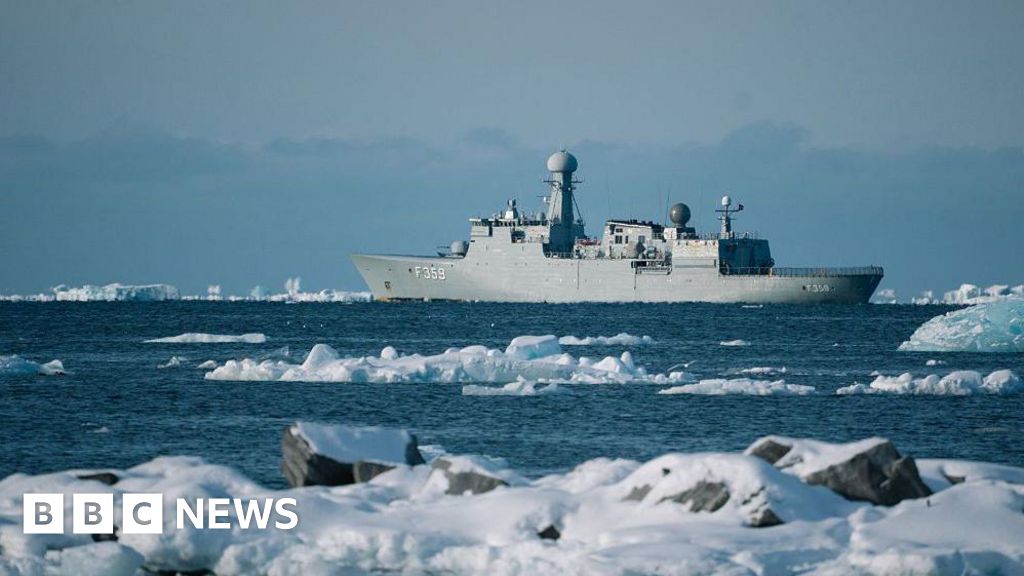

As 2026 unfolds, the geopolitical landscape is rapidly transforming, driven by strategic interests that threaten to reshape the international order. Recent developments highlight a distinct shift in power dynamics, with the United States aggressively asserting its influence over Greenland, while Europe grapples with domestic and international challenges. Danish Foreign Minister Lars Løkke Rasmussen has openly expressed cautious optimism after renewed, constructive talks with Washington regarding Greenland, a strategic enclave whose control has long tantalized global powers. This diplomatic dance has come nearly a week after Donald Trump delivered a rambling speech at Davos, repeatedly emphasizing his desire to take control of Greenland—a move seen as part of the broader American push to secure Arctic dominance amidst melting ice and rising interests.
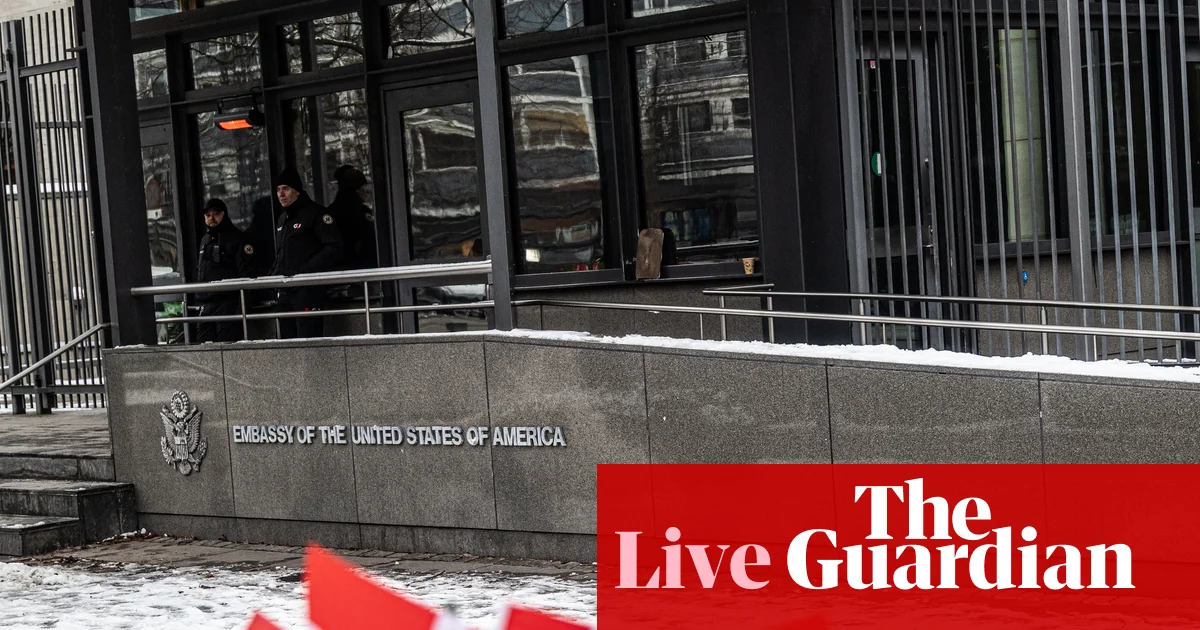
The renewed optimism in Danish-U.S. talks signals a significant shift from the escalation of tensions earlier this month. Marco Rubio, the U.S. State Secretary, confirmed that high-level discussions focused on safeguarding U.S. security interests without infringing on Denmark’s sovereignty. This behind-the-scenes negotiation underscores the geopolitical impact of Arctic control; nations are recognizing that the melting ice opens new corridors for resource extraction and military positioning. Many analysts, including geopolitical experts at the International Institute for Strategic Studies, warn that the Arctic is swiftly becoming the new battleground, compelling nations to navigate a careful balance of power that could spark conflicts or forge alliances depending on the outcome of current negotiations.
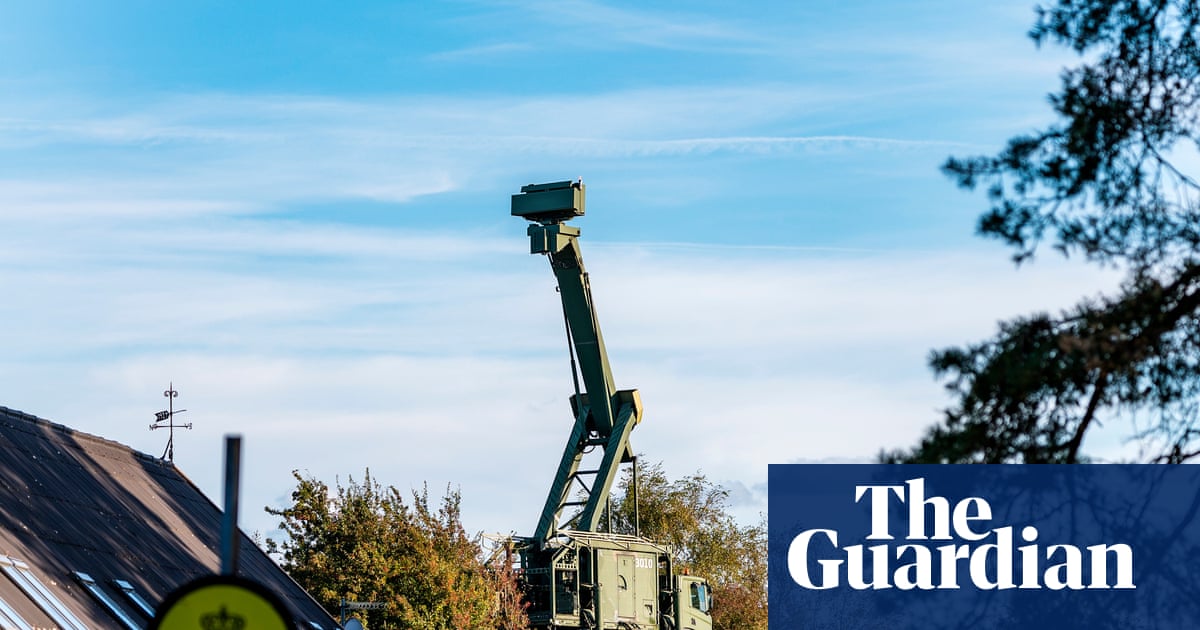
Meanwhile, in Brussels, the EU foreign ministers convened with a “very packed agenda” centered on Ukraine, the Middle East, and the evolving EU-US relationship. Kaja Kallas, the bloc’s foreign policy chief, voiced concern over Russia’s ongoing war in Ukraine and the escalating humanitarian crisis. She described Russia’s actions as attempts to “bomb and freeze” Ukrainians, emphasizing the dire winter suffering and the impending threat of a humanitarian catastrophe. The discussion on Ukraine reveals the EU’s increasing frustration with Russia’s refusal to negotiate in good faith, and a call for intensified pressure on the Kremlin to force concessions. European leaders are at a critical crossroads—balancing diplomatic efforts against a clear recognition that Moscow’s military strategy remains uncompromising, with some experts warning that the window for a peaceful resolution is rapidly closing. According to analysts at Harvard’s Belfer Center, the risk of an extended conflict spilling over into NATO territories could escalate into a broader confrontation, pressuring the international community to reconsider its strategies.
Within the Middle East, the focus shifted to Iran, with discussions about designating the Iran Revolutionary Guard on the EU’s terrorist list, aligning them with groups like Al Qaeda and Daesh. Shedding light on the EU’s toughening stance, Kallas emphasized that acts of terrorism warrant designations akin to those used against recognized terrorist organizations, signaling a stepping-up of sanctions and diplomatic pressure. This move comes as Iran’s regional influence continues to grow, complicating the geopolitical landscape and posing a threat to stability from the Persian Gulf to Syria. The Biden administration’s efforts to de-escalate have been undercut by Iran’s persistent refusal to rein in its proxies, prompting international concerns about the risk of a wider regional conflict. Navigating this complex terrain, many analysts see Europe’s hardening stance as a reflection of the broader shifting alliances and the resurgence of great-power rivalries, reminiscent of Cold War tensions but with new, unpredictable stakes.
As history continues to unfold in 2026, the decisive moves of nations in the Arctic, Ukraine, and the Middle East foreshadow a future where the borders of influence are redrawn with every diplomatic meeting, military build-up, and policy shift. The decisions made today—about Greenland, Ukraine, Iran, and the broader global order—will echo through the corridors of history, shaping societies and societies’ security for decades to come. The world stands on a knife edge, watching as the players of this new geopolitical chess match maneuver beneath the weight of a rapidly evolving, unpredictable landscape, leaving us all to wonder—what will be the new borders of power in this restless age?