Matox News

Truth Over Trends, always!

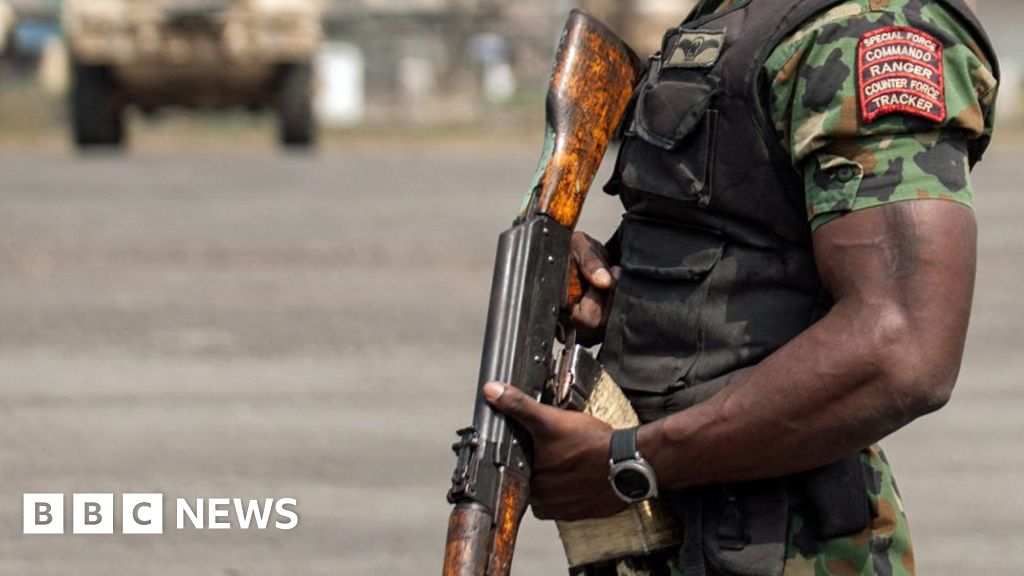
Gunmen massacre dozens in Nigeria amid U.S. military deployment escalation

The recent violence in the western state of Kwara has once again underscored the fragile security architecture in Nigeria’s socio-political landscape. According to local officials and eyewitness reports, shops and homes were torched in a brutal attack on two villages. The incident not only highlights persistent local tensions but also raises alarms about the broader stability of the region, which has long been a hotspot for communal conflicts and insurgent activity. As Nigeria grapples with multiple security challenges, analysts warn that uncontrolled violence could threaten national unity, calling into question the effectiveness of government strategies aimed at restoring peace.

The attack, described by a Kwara lawmaker, mirrors patterns seen elsewhere in Nigeria, where militant groups and ethnic tensions collide, often with devastating consequences. While authorities remain tight-lipped about the motives behind this specific assault, it comes amidst a rising tide of unrest across several northern and western states. International organizations, including the United Nations and regional bodies like the Economic Community of West African States, have repeatedly emphasized the importance of addressing root causes of violence—poverty, political marginalization, and unchecked militancy. Yet, the persistent outbreaks of violence suggest that these efforts are insufficient or perhaps hindered by deeper failures in governance and security cooperation.

Historically, analysts like Dr. Monica Brown of the International Crisis Group have pointed to Nigeria’s complex federation and ethnic mosaic as underlying factors complicating peace processes. As violence spreads and villages burn, fears are mounting among neighboring nations; the geopolitical impact extends beyond Nigeria’s borders, affecting trade, regional stability, and international perceptions of West Africa’s resilience. Countries such as Benin and Nigeria’s southern neighbors are on alert, knowing that unchecked violence can easily spill over borders—exacerbating an already volatile security environment.

In this turbulent landscape, the international community’s role remains critical. Some analysts point to the need for a cohesive strategy that combines military action with socio-economic reforms, emphasizing that true peace requires addressing systemic issues. As global powers weigh their interests, questions about sovereignty, intervention, and aid become increasingly fraught. The unfolding saga in Kwara is a stark reminder: history is never static, and today’s violence may well shape the continent’s future for generations to come. The flames of conflict burn fiercely, hinting at a turbulent chapter yet unwritten, and leaving the world to face the profound consequences of unresolved conflicts in Nigeria’s heartland.
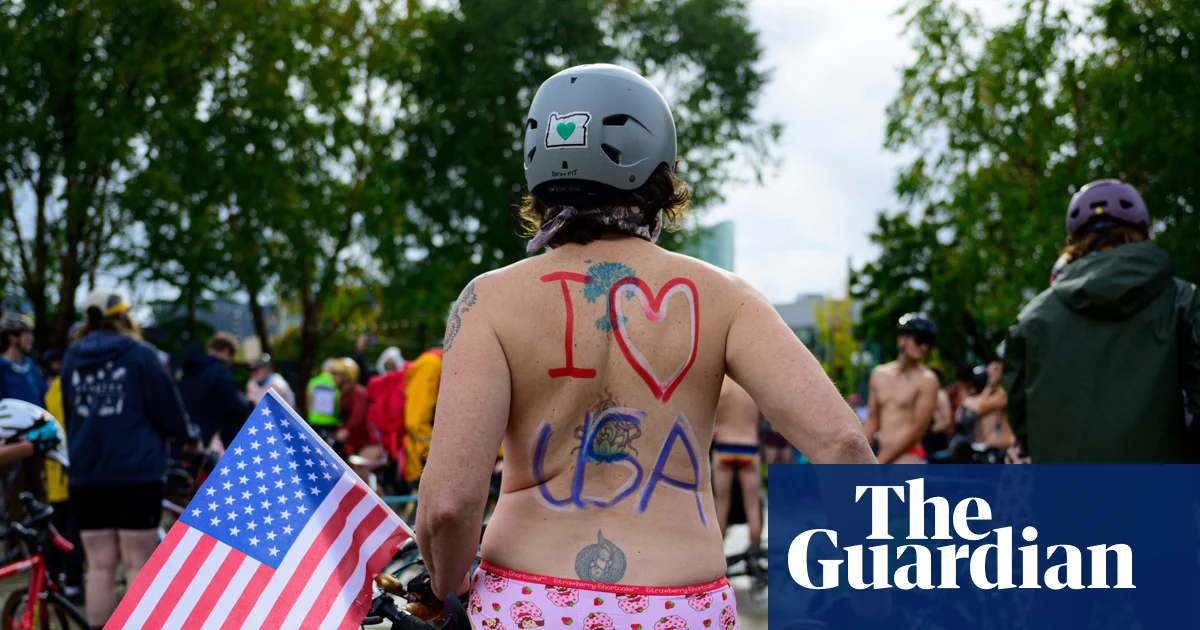
Portland Nudists Stand Up Against National Guard Deployment Amid Tensions

The recent scenes in Portland serve as a vivid reminder of how internal protests, even of a quirky and unconventional nature, often have broader geopolitical implications. The city’s annual World Naked Bike Ride, long an emblem of local counterculture, took on a new meaning amid rising tensions surrounding the U.S. federal government’s aggressive response to civil unrest. As protesters adorned themselves in absurd costumes or stripped to the bare, their actions symbolized a resilient pursuit for civil liberties amid a climate of government overreach. The confrontation at the ICE facility highlights the deep internal divisions that are resonating beyond local borders—questions about sovereignty, the reach of federal authorities, and the limits of state and civic protests.

In the geopolitical context, these protests unfold during a period of intense scrutiny of the Trump administration’s use of federal force. Legal challenges and court rulings, like the recent temporary halt ordered by a federal judge on the deployment of federal troops, reflect an ongoing struggle between executive authority and judicial oversight. International observers and analysts note that U.S. domestic disputes under this administration have become a source of concern for allies and adversaries alike, signaling a potential weakening of American influence on the world stage. Historians underscore that internal instability, particularly in a nation regarded as a global superpower, compromises its ability to pursue diplomatic objectives or enforce commitments—setting dangerous precedents for international stability.

Moreover, global institutions such as the United Nations and NATO have watched with cautious interest. While ostensibly neutral, these organizations have issued vague statements calling for peace and respect for human rights, yet many analysts warn that the clash within America’s borders could embolden autocratic regimes elsewhere. Countries like Russia and China see the unrest as an opportunity to undermine U.S. credibility and to push their own narratives of stability and order. The decisions made within the labyrinth of American politics—whether court rulings against federal deployment or local protests challenging government authority—shape how other nations perceive the robustness of American governance and its commitment to democratic principles. As experts warn of a potential decline in U.S. global standing, the long-term consequences threaten to ripple outward, impacting international security frameworks and economic alliances.

History has long shown that moments of internal upheaval in major powers often serve as catalysts for geopolitical realignments. The unfolding events in Portland remind observers that, beneath the surface of a seemingly local protest, lies a much larger narrative about sovereignty, government accountability, and social resilience. As the world watches, these acts—ranging from civil disobedience to legal battles—are forging a new chapter in the ongoing saga of American history. The outcome remains uncertain, but what is clear is that the decisions made today—whether to uphold constitutional rights or deploy federal troops—will echo through generations, shaping the global order and the legacy of a nation still fighting to define itself amid the chaos of its own making.

Trump authorizes National Guard deployment to protect Chicago's streets
Trump authorizes National Guard deployment to protect Chicago’s streets

U.S. Domestic Unrest Sparks International Debate Over Military Deployment

The United States continues to navigate a tumultuous chapter of its history, as federal authorities increasingly resort to military measures to address rising civil unrest and escalating crime. President Donald Trump recently authorized the deployment of 300 National Guard troops to Chicago, citing concerns over what he describes as “out-of-control crime.” However, this decision underscores a deeper rift within the American geopolitical landscape, raising serious questions about the limits of federal power and the sovereignty of individual states.

While Chicago faces mounting protests over immigration enforcement, authorities reported escalate violence, including a shooting incident involving an armed woman whose vehicle rammed into law enforcement and immigration vehicles. These events occurred amidst a backdrop of political division and mounting legal pushback. A federal judge in Portland, Oregon—another Democratic stronghold—temporarily blocked the Trump administration’s attempt to deploy 200 soldiers, warning that such actions risk “blurring the line between civil and military federal power.” Judge Karin Immergut’s ruling highlights concerns among legal analysts that the unilateral deployment of troops for domestic issues threatens the constitutional balance enshrined in U.S. law.

Legal and Constitutional Struggles Mark Biden Administration’s Response

The deployment efforts by the Trump administration have ignited a fierce debate across legal and political circles. Critics argue that using the military to manage civil unrest compromises the foundational principles of American federalism. According to historical scholars, such large-scale domestic military involvement is unprecedented in recent decades—raising alarms about the potential for authoritarian overreach. The National Guard, traditionally under the command of state governors, is now being mobilized by federal authorities, thus challenging the established legal frameworks that limit military intervention within domestic borders.

International organizations like Human Rights Watch warn that such deployments could inflame tensions, undermine civil liberties, and create dangerous precedents. Opposing voices, including Illinois Governor JB Pritzker, accuse Trump of “attempting to manufacture a crisis.” This political fight over control of the public space is more than local; it reflects a broader ideological struggle about the role of government, security, and the rights of citizens. Such policies risk setting a dangerous precedent where law enforcement, backed by military force, could gain extraordinary powers that threaten democratic accountability.

Geopolitical Impact and Societal Consequences

The international community watches keenly as this internal conflict unfolds. The United States, once a bastion of democratic stability, appears increasingly divided, with its federal institutions tested by executive actions that bypass traditional legal channels. Analysts from the Council on Foreign Relations warn that the chaos could weaken America’s global standing, as allies question the stability of a nation where military power is wielded domestically under a partisan banner. The image of bustling cities like Chicago and Portland turning into militarized zones sends a troubling signal, not just to Americans, but to nations watching from afar, questioning whether the U.S. remains a beacon of constitutional governance.

Historians warn that such internal strife risks provoking wider conflicts, both political and social, that could reshape the socio-economic landscape of the nation for decades. As emerging generations of Americans are confronted with scenes of military presence on streets once reserved for peaceful protests, the fabric of civil society faces profound strains. The decisions made today will undoubtedly influence how governments across the world interpret the boundaries of authority, security, and civil liberties in the 21st century.

As the standoff intensifies and the weight of history marches forward, one thing remains clear: how the United States manages its internal tensions will leave an indelible mark. Will it uphold the principles of restrained governance and respect for civil rights, or will it succumb to authoritarian impulses cloaked in the guise of national security? The answers lie in the unfolding story—a story that continues to shape the course of not only American history but the future of liberty itself.

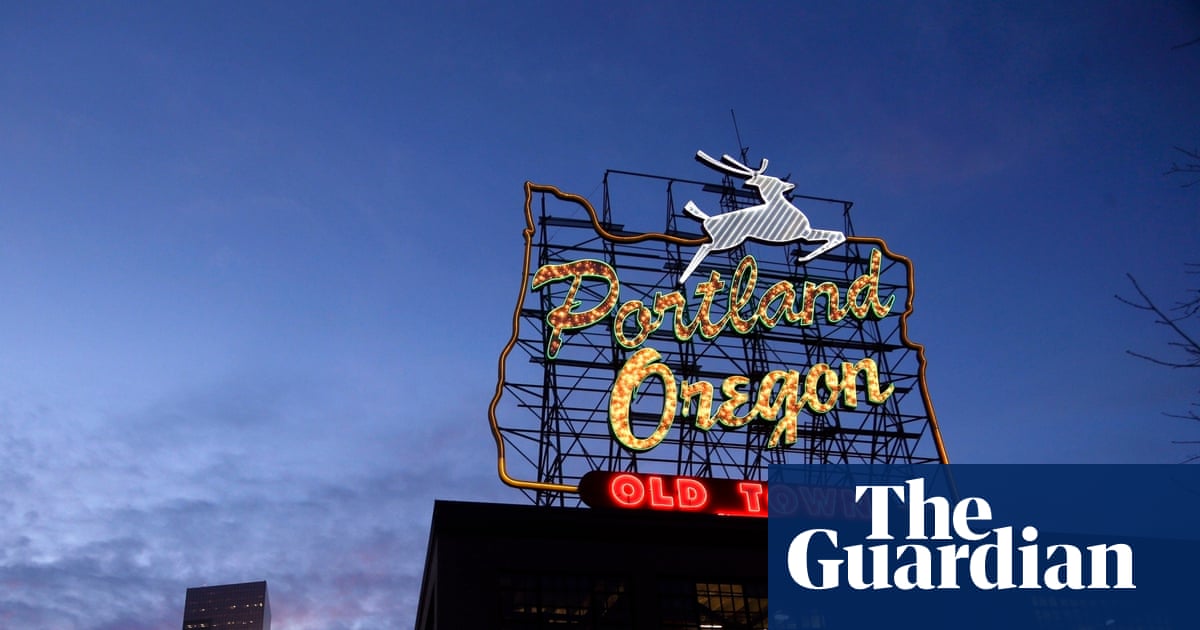
Trump Announces Troop Deployment to Portland to Restore Order

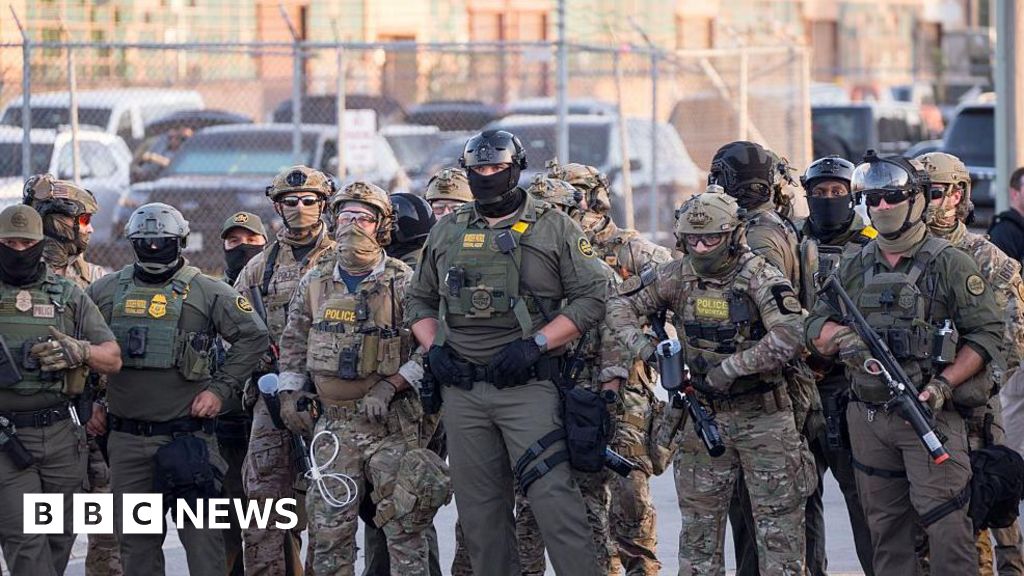
In a move that has sent shockwaves through the international community, President Donald Trump announced the deployment of federal troops to Portland, Oregon. This decision, outlined via social media, signals a controversial escalation in the ongoing unrest that has gripped the city since 2020, and raises profound questions about the trajectory of America’s internal stability and democratic values. Trump’s unilateral deployment of forces—despite opposition from local officials and members of Congress—reflects a broader pattern of asserting federal authority over Democratic-led cities, with significant geopolitical impact on U.S. stature both at home and abroad.

The political narrative surrounding this deployment centers on the administration’s claims of a persistent state of chaos, with Trump accusing local protesters outside an ICE facility of orchestrating violent acts, and describing the city as “amazing” yet “anarchy out there.” However, these claims have been widely contested by local authorities and independent observers. Oregon’s Mayor Keith Wilson voiced concern about the sudden influx of federal agents, asserting that their presence was neither requested nor justified. Meanwhile, video evidence from local media revealed peaceful protesters being subjected to force by federal officers, casting doubt on the administration’s portrayal of the situation. Analysts suggest this gambit may be rooted in an attempt to justify an authoritarian crackdown, reminiscent of historical interventions where order is claimed as a pretext for power consolidation.

International organizations and renowned historians have quickly weighed in on the transformative significance of such developments. Political scholars warn that the escalation of federal intervention in American cities could set a dangerous precedent, undermining the principles of federalism and peaceful protest. The United Nations and human rights watchdogs have expressed concern over reports of excessive force and the potential erosion of civil liberties. How decisions made in the coming weeks will shape the fabric of American society remains a pressing question for geopolitical stability and the future of democratic governance.

As the tumult unfolds, there is an unmistakable sense that the struggle reflects deeper fissures within the United States: a clash between the desire for federal authority and the principles of decentralized governance. The rhetoric employed by Trump and his supporters echoes historical attempts to portray domestic dissent as treacherous, framing vigilantism as a solution. However, critics contend this strategy risks tipping the nation into a more authoritarian phase, with potential ripple effects through allied democracies across the globe. The specter of militarized police and federal agents wielding power over American cities echoes darker moments in history that many nations have fought to overcome. As the nation holds its breath, the story of Portland becomes a microcosm of the global debate over liberty, order, and the limits of state power—a conflict that may very well redefine the course of 21st-century history.

Social Media Auto Publish Powered By : XYZScripts.com