
Global Power Blocs on the Edge: Iran under Siege as US and Israel Escalate Military Operations
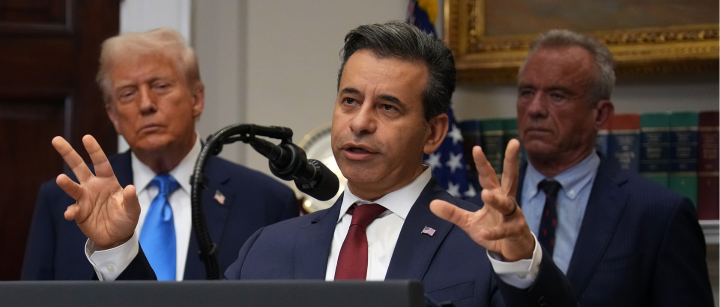
The Middle East stands at a precarious crossroads amid a series of dramatic military confrontations that could redefine regional and global power dynamics. In a display of unyielding resolve, President Donald Trump has proclaimed that Iran will face “very hard” retaliation, as he vows retribution for what he describes as a long history of violence and provocation. His inflammatory rhetoric coincides with intense military strikes targeting Iran’s capital and strategic infrastructure, signaling an escalation in the longstanding confrontation. Observers note that the rhetoric from Washington echoes its historical posture of aggressive containment and a strategic desire to curb Iran’s influence, yet the recent actions suggest a shift that authorities worldwide are watching closely.
Escalating Violence in Iran, Lebanon, and Surrounding Gulf States
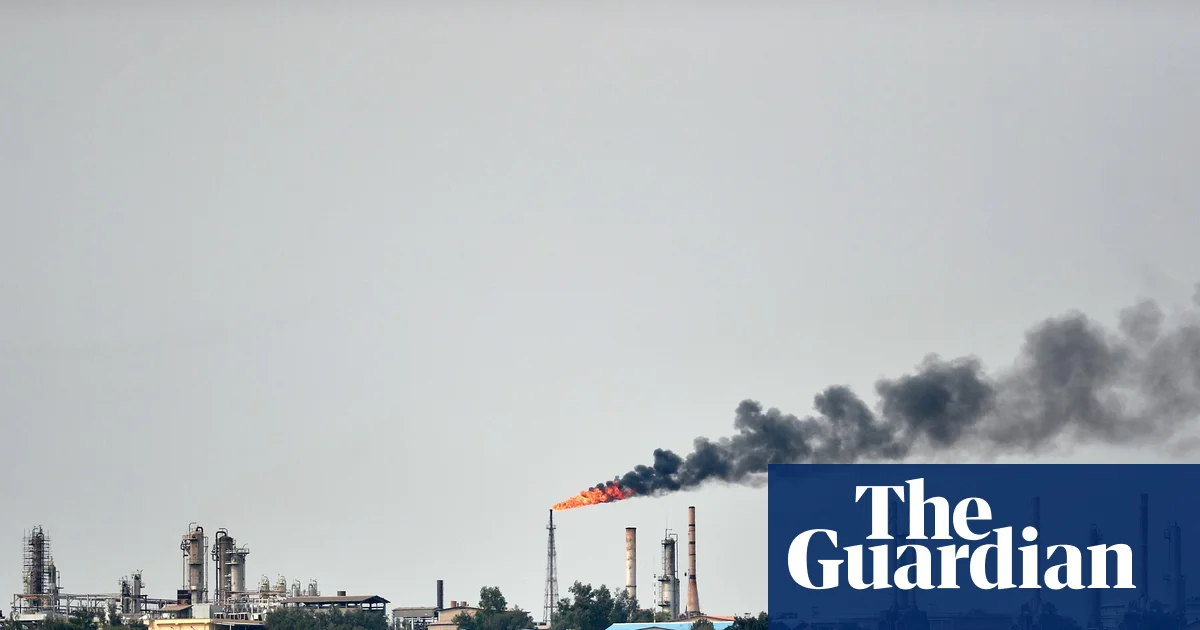
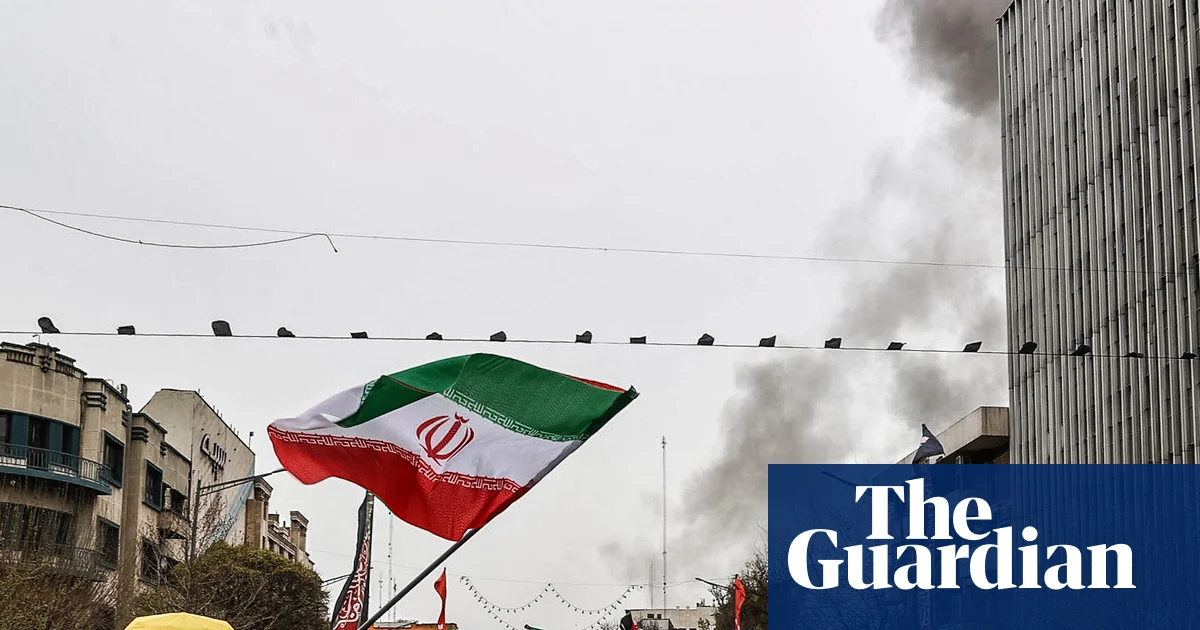
The recent wave of Israeli and US-led attacks focus heavily on Iran’s military capabilities and economic lifelines, with successive strikes reported near Tehran University as crowds gathered in support of the regime. Charging the Iranian leadership with desperation and underground activity, US officials described Iranian forces as “hiding” and “on the run,” signaling a concerted effort to weaken the nation’s capacity to retaliate. Meanwhile, Iran has responded fiercely, with missile and drone attacks targeting Israeli and Gulf infrastructure, escalating the conflict into what analysts describe as a regional war. Notably, Iran has targeted oil export facilities, including the crucial Kharg Island—its primary oil terminal—threatening the global oil supply and risking economic destabilization far beyond the Middle East. This move, viewed as both a strategic and symbolic attack, has prompted warnings from international organizations to prevent a broader energy crisis.
Regional Consequences and the Strain on Global Markets
The conflict’s geopolitical impact extends beyond regional borders, with global markets reacting sharply to the escalation. As oil prices surged, the economic implications threaten to pit nations worldwide against a backdrop of mounting scarcity and price instability. European nations have begun informal negotiations with Tehran, seeking guarantees of safe passage for their shipping in the Strait of Hormuz, which Iran now effectively blocks after launching attacks that have disrupted roughly a fifth of the world’s oil and gas supplies in transit. These diplomatic efforts underscore the dangerous interplay between military action and economic diplomacy, with analysts warning that any miscalculation could ignite a worldwide energy crunch and destabilize global markets. The potential for conflict to spill into the broader Gulf region fuels fears of a domino effect, as neighboring Gulf states scramble for defensive alliances and prepare for extended hostilities.
Endgame Uncertain as Regional Powers and Superpowers clash
The narrative of this escalating crisis is shaped by the words of military and diplomatic leaders, with Israeli Prime Minister and defense officials asserting that the current strikes are “just the beginning,” threatening Lebanon’s infrastructure and escalating confrontation with Hezbollah. The United States, for its part, emphasizes a military campaign targeting “over 15,000 enemy targets,” with the potential for further strikes on Iran’s energy infrastructure if the Strait of Hormuz becomes compromised. Historical analysts like Bernard Lewis have warned that such conflicts often intensify and spiral out of control, potentially igniting a broader regional war with devastating consequences. Meanwhile, Iran’s leadership, emboldened by its resistance and aligned with longstanding allies such as Hezbollah, signals that the conflict may escalate into a protracted and brutal struggle, with tragic tolls on both civilian and military populations. As explosions echo across the Middle East and the world watches, the question remains—will diplomacy prevail or shall the pages of history be written in fire and blood? The true outcome of this confrontation lies yet unwritten, its narrative unspooling in the chaos and smoke of today’s battlefield.