Matox News

Truth Over Trends, always!

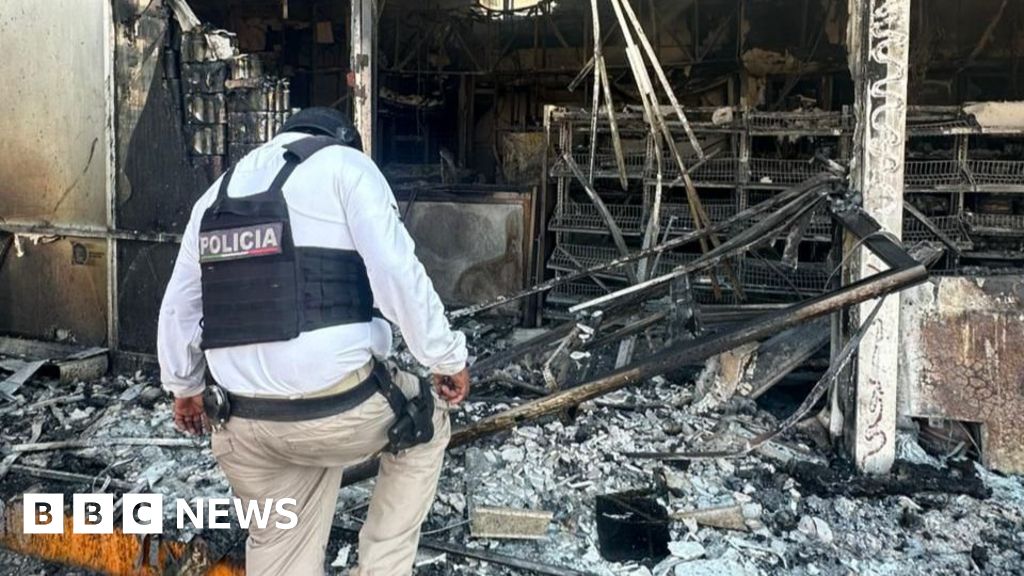
Mexico chaos: Locals and tourists warn of widespread destruction

In a dramatic turn of events that has sent shockwaves through Mexico and the broader *North American* region, violence has erupted across multiple states following the confirmed death of the notorious cartel leader, El Mencho. The operation, which resulted in the elimination of one of the most powerful and elusive figures in organized crime, underscores the fragile stability of the country’s ongoing war against drug cartels. As authorities celebrate this development, many analysts warn that the repercussions could be far more destabilizing than the initial victory suggests.

The death of Rubén Oseguera González, known as El Mencho, the presumed head of the CJNG (Cártel de Jalisco Nueva Generación)—arguably the most formidable drug cartel operating in Mexico—marks a significant milestone in Mexico’s long-standing struggle to contain organized crime. According to official reports, security forces carried out a high-risk raid that culminated in his death, a move hailed by some in *Washington* and *Mexico City* as a major blow to transnational drug trafficking networks. However, the surge of violence that has followed demonstrates the precarious nature of relying solely on decapitation strategies in the fight against powerful criminal syndicates.

Historian and security analyst Carlos Mendoza notes that this episode highlights how the *U.S.-Mexico* security cooperation and *Mexico’s* internal policies remain insufficient to fully dismantle entrenched cartels. Many warn that the cartel’s fragmentation post-El Mencho’s death could trigger a violent power vacuum, leading to internecine conflicts that destabilize entire regions and further harm vulnerable communities. Moreover, international organizations like the United Nations have expressed concern over the potential for increased violence to cause a surge in migration and regional instability. The impact extends beyond borders, placing pressure on *U.S.* border security and straining diplomatic relations between *Mexico* and *Washington* as the fight against narcotraffic continues to dominate diplomatic agendas.

  • The recent spike in violence has been characterized by violent clashes, murders, and threats across *Jalisco*, *Michoacán*, and *Guerrero*, with innocent civilians caught in the crossfire.
  • Security analysts warn that cartel factions are now vying for control, turning peaceful communities into battlegrounds and destabilizing local economies.
  • International law enforcement agencies are mobilizing additional resources, though experts contended that dismantling these criminal enterprises necessitates comprehensive socio-economic strategies.
  • The *U.S.* administration has renewed calls for increased cooperation, emphasizing the importance of targeting illicit financial flows that sustain cartel operations.

The *international community* faces a moment of reckoning, as the death of a cartel kingpin exposes the limitations of purely militarized approaches. Historians see this as a pivotal point—an enduring testament to the fact that criminal organizations adapt and evolve beyond the constraints of leadership decapitation. As John Moore, a renowned geopolitical analyst, states, “The collapse of one figure often merely opens a new chapter in the brutal saga of organized crime, requiring a holistic approach that integrates law enforcement, social reform, and regional cooperation.”

As Mexico grapples with this rising tide of violence, the shadow of history looms large—an ominous reminder that the true cost of waging war against entrenched criminal networks is often paid in blood and societal upheaval. The death of El Mencho is neither an end nor a beginning but rather a stark chapter in a complex narrative that continues to unfold, leaving the world on edge — waiting to see if lessons learned will finally forge a path towards stability, or if history will merely repeat itself in a violent cycle of revenge and chaos.
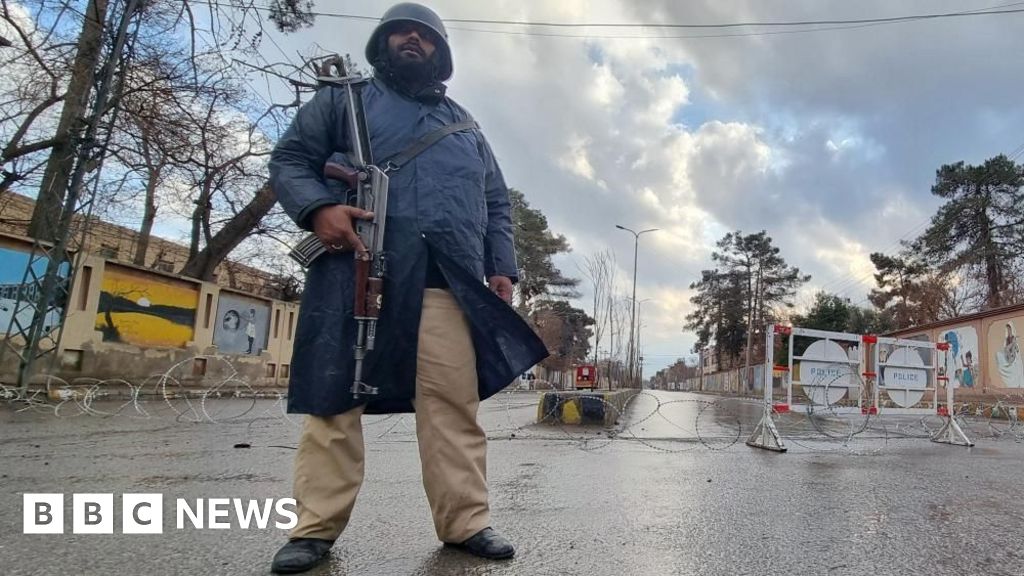
Pakistan Military claims destruction of 92 militants in Balochistan crackdown

The recent wave of militant violence in Pakistan has ignited alarm across the international community, revealing an escalating security crisis that threatens regional stability. According to reports, a brutal series of attacks has claimed the lives of at least 15 security personnel and 18 civilians, with militants launching coordinated assaults across multiple cities within the province. These violent episodes underscore the persistent challenge Pakistan faces from extremist factions that continue to operate with reckless abandon, exploiting vulnerable security conditions and expanding their influence amid ongoing political and economic turbulence.

Analysts and international security experts have expressed concern over the rising complexity and frequency of militant operations across Pakistan’s urban centers. The attacks, characterized by strategically timed assaults on military outposts, public spaces, and government buildings, demonstrate a disturbing level of planning and coordination. Historians contextualize these events as part of a long-standing pattern of insurgency fueled by regional rivalries, ideological extremism, and unresolved socio-political grievances. The situation has prompted calls from organizations such as the United Nations for greater regional cooperation to counteract militant networks that often operate with impunity along porous borders, especially attaching to Afghanistan’s unstable terrain.

The geopolitical impact of this violence extends beyond Pakistan’s borders. As a nuclear-armed nation, its internal security directly influences the stability of South Asia and the broader Indo-Pacific region. India has long maintained that Pakistan’s assistance in counter-terrorism efforts remains inadequate, blaming Islamabad for harboring militant groups that threaten regional peace. Meanwhile, the United States and allied Western nations continue to monitor the situation closely, although geopolitical priorities shift amid rising tensions with China and Russia. The stability of Pakistan, which is a critical player in the global fight against terrorism, depends heavily on internal security and the capacity of its government to suppress extremist elements and restore order.

This ongoing turmoil underscores a pivotal turning point: the fragile balance between combating militant insurgencies and maintaining civil authority. Critics argue that current policies are insufficient and that broader reforms—ranging from military measures to socio-economic development—are urgently needed. The stability of Pakistan is intricately linked with international security; a failure to contain the insurgents will only deepen regional conflicts and embolden terrorist networks, risking a broader chain reaction of instability. As history continues to unfold, nations stand at a crucial crossroads – one that could determine whether the region slides into further chaos or finds a path toward renewed stability. For now, the specter of violence persists, serving as a stark reminder that the fight against extremism is far from over, and the world must remain vigilant as the storm of instability continues to swell on the horizon.

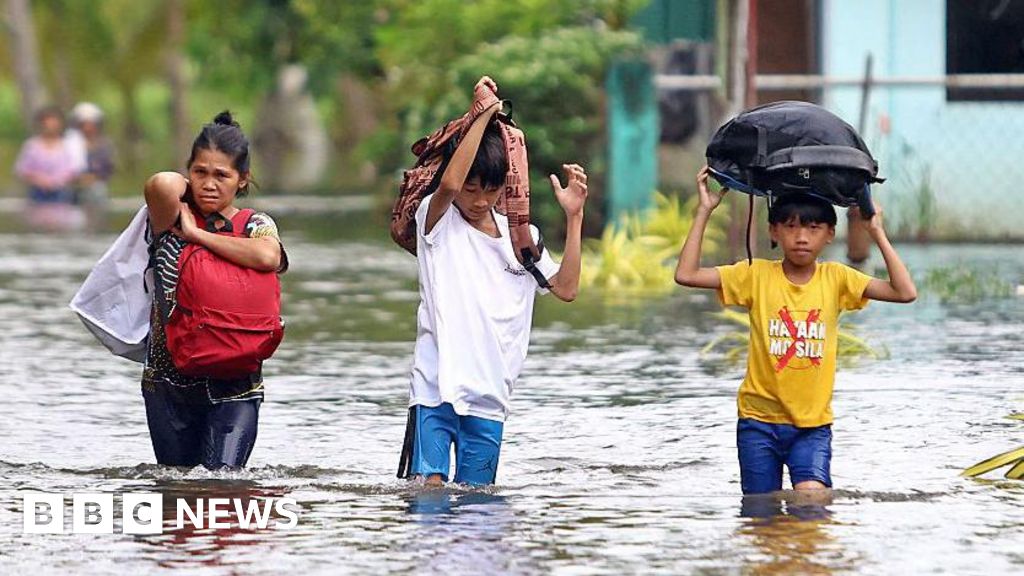
Typhoon Fung-wong approaches Philippines as Kalmaegi's destruction lingers
Typhoon Fung-wong approaches Philippines as Kalmaegi’s destruction lingers

In a stark reminder of the Earth’s volatile climate and its **geopolitical** implications, the Philippines faces yet another catastrophic natural disaster as Typhoon Fung-wong — also known locally as Uwan — threatens to intensify into a super typhoon. Less than a week after a previous storm, Kalmaegi, devastated the nation with floods and claimed at least 204 lives, the specter of Fung-wong looms large, exposing the persistent vulnerabilities of this archipelago situated on the Pacific’s cyclone corridor. As the storm approaches Luzon, the country’s most populous and economically vital island, authorities have initiated urgent evacuations, highlighting the ongoing peril faced by millions unprepared for what may be an even more destructive force.

The forecast warns of sustained winds exceeding 185 km/h (115 mph) along with heavy rains and potentially life-threatening storm surges, which could once again cripple regional infrastructure and exacerbate a humanitarian crisis. The **Philippine meteorological service**, Pagasa, has issued cautious alerts, urging residents in low-lying coastal areas and small islands like Catanduanes to move to higher ground. The storm’s trajectory aims it directly at Luzon’s northern provinces, where evacuations are underway and schools are either closed or shifted online, reflecting a nationwide state of alert. This preparedness underscores a disturbing pattern—each storm’s ferocity seemingly amplified by **climate change**, which, despite not increasing the frequency of tropical cyclones, enhances their intensity through warmer oceans and atmospheric conditions.

International analysts and climate scientists have long warned that such conditions are not coincidental but are rooted in the broader **geopolitical** challenge of climate adaptation and environmental management. Notably, researchers warn that **climate change’s** impact creates a new, more dangerous normal, with storms capable of producing unprecedented wind speeds and rainfall. Countries like the **United States** and **China**, which contribute significantly to global emissions, find themselves under increased pressure to lead international efforts in climate mitigation. Meanwhile, vulnerable nations such as the Philippines, with limited resources, bear the disproportionate burden—faced with the devastating consequences of these weather events and with little capacity to effectively prepare or respond. Experts from institutions like the **World Meteorological Organization** emphasize that **these natural disasters** are reminders that international cooperation must be matched with robust local resilience strategies.

As history continues to writhe beneath the fury of the storm, some analysts caution that the pattern of devastation in the Philippines foreshadows a more turbulent future for the region. The death toll from Kalmaegi and subsequent storms underscores an ongoing humanitarian crisis, with poverty, inadequate infrastructure, and environmental degradation acting as catalysts for tragic loss of life. The world remains watchful, aware that each typhoon not only reshapes the islands but also redefines **global geopolitics**—where climate, economy, and security collide in the face of an evolving climate crisis. With every hurricane season, the weight of history presses upon us, reminding all that the forces shaping our collective destiny are still unfolding, and in their wake, they leave behind a trail not only of destruction but of urgent, unresolved questions about humanity’s resilience in the face of nature’s fiercest storms.

Social Media Auto Publish Powered By : XYZScripts.com



