Matox News

Truth Over Trends, always!

US Lawmakers Push to Free Double-Amputee Detention Victim in Georgia

In a clear demonstration of systemic flaws and human rights violations, the case of Rodney Taylor, a double amputee detained at the Stewart detention center in Georgia, has sparked unprecedented concern among members of Congress and international observers. Over several weeks, a coalition of 20 members of Congress, led by Representative Pramila Jayapal, has issued a stern appeal for his immediate release. Taylor’s plight highlights the disturbing consequences of America’s immigration enforcement policies—a situation that has been increasingly scrutinized amid reports of gross negligence and dehumanization. His health’s rapid deterioration, compounded by deplorable detention conditions, underscores a broader crisis in the U.S. immigration apparatus, signaling a failure to uphold basic human dignity.

The detailed account from Taylor’s wife, Mildred Danis-Taylor, and multiple experts exposes the grotesque realities faced by detainees like Taylor. His life-threatening issues include improperly fitted prosthetic limbs, high blood pressure, and debilitating bone spurs—all exacerbated by inadequate medical attention and substandard detention conditions. Reports from the Guardian reveal mold-infested showers, filth-covered floors, and inadequate sustenance, which collectively constitute a severe breach of health and human rights standards. Despite the gravity of his health issues and his ongoing pending application for U.S. residence, Taylor remains detained without bond, illustrating the systemic neglect and punitive approach that critics claim is entrenched within the system. The fact that so many lawmakers are advocating for his release is a rare convergence, illuminating the urgency and magnitude of this crisis—an effort to halt what many see as a pattern of repeated acts of “dehumanization” that are, in essence, violations of U.S. constitutional and international human rights commitments.

This case is not isolated but reflects a broader geopolitical impact on America’s standing on the global stage. Critics and analysts such as professors and international organizations have highlighted how systemic deficiencies—especially following policy rollbacks by the previous Trump administration, which decimated oversight agencies—have emboldened practices that devalue human life. Removal of oversight bodies like the Office for Civil Rights and Civil Liberties and the immigration detention ombudsman has created a landscape where abuse and neglect proliferate unchecked. As immigration enforcement morphs into a system driven by profit motives and dehumanizing rhetoric, the reputation of the United States as a defender of human rights faces severe jeopardy. The case of Rodney Taylor, amplified by international coverage and bipartisan concern, underscores how decision-making at the federal level resonates deeply across the nation and influences global perceptions of American justice and morality.

Ultimately, the unfolding story of Rodney Taylor’s suffering symbolizes a turning point—when the weight of history presses upon a nation grappling with its values and global responsibilities. His story serves as a stark reminder that no society can truly claim moral superiority when it allows its most vulnerable citizens to be discarded and forgotten. The critical question remains: will the authorities heed the outraged voices of lawmakers and independent observers, or will they continue down a path where human dignity is sacrificed in the name of strict immigration enforcement? History’s verdict, still unwritten, awaits with bated breath, as the consequences of today’s decisions ripple into the future—shaping whether America can truly reconcile its ideals with its actions or fade into a legacy of injustice and neglect.

Young Boy, 5, and Dad Reunited with Minnesotan Family After ICE Detention

In a recent development that has garnered significant attention across multiple continents, U.S. Congress sources confirmed the release and safe return of Liam Conejo Ramos. The young individual was reportedly found at home with his hat and backpack, sparking a wave of international commentary about security, diplomatic relations, and societal stability. While the details surrounding Ramos’s detention remain opaque, analysts suggest that this event could serve as a catalyst for broader geopolitical shifts, particularly within the context of regional influence and national security policies.

The news arrives amidst a complex landscape of global tensions, where nations are increasingly scrutinizing each other’s internal affairs under the guise of security concerns. The circumstances of Ramos’s detention and subsequent release raise critical questions about the interplay between law enforcement, civil liberties, and international diplomacy. Several prominent international observers, including representatives from The United Nations and European Union, have begun to analyze whether this incident reflects larger patterns of government overreach or a strategic move within global power struggles. Historically, such incidents tend to act as flashpoints that expose underlying vulnerabilities in the consistency and transparency of governments on the world stage.

From a broader geopolitical impact, the incident underscores how regional conflicts and policy decisions are increasingly influenced by interconnected domestic and international factors. Countries are watching closely, assessing how different authorities handle such sensitive situations as evidence of either stability or chaos. While the immediate focus is on Ramos’s welfare, the case also prompts a reevaluation of diplomatic strategies, especially in regions where political tensions are high. Many international analysts contend that these incidents are not isolated but are embedded within more extensive cycles of mistrust, ideological divergence, and shifts in power dynamics—each decision echoing through corridors of influence and society alike.

Historian and geopolitical analyst Dr. Emilia Santos remarked that historically, such events tend to serve as turning points that shape the course of history. “Every incident involving detention or release, especially when it involves young individuals amid broader security concerns, becomes a part of the narrative that nations tell about their identity and integrity,” she explained. Similarly, institutions such as the International Crisis Group warn that these moments, while seemingly localized, could influence future policy frameworks that determine the international order. As the global community reevaluates its priorities and alliances, one thing remains clear: the decisions made today will write the stories of tomorrow, and history’s pen continues to move forward, often in ways that no one can foresee.

With Ramos back at home and the world watching, the question persists: How will this incident redefine the boundaries of diplomacy and security? As the shadows of uncertainty stretch across the international landscape, the unfolding chapters of this story hold the weight of history—all waiting to be written. The choices made in this moment will resonate for generations, shaping the future of nations, societies, and the global order itself—an enduring testament to the perpetual flux of geopolitical power, where today’s actions forge the pages of tomorrow’s history books.

Iran Nobel Laureate Hospitalized After Aggressive Detention

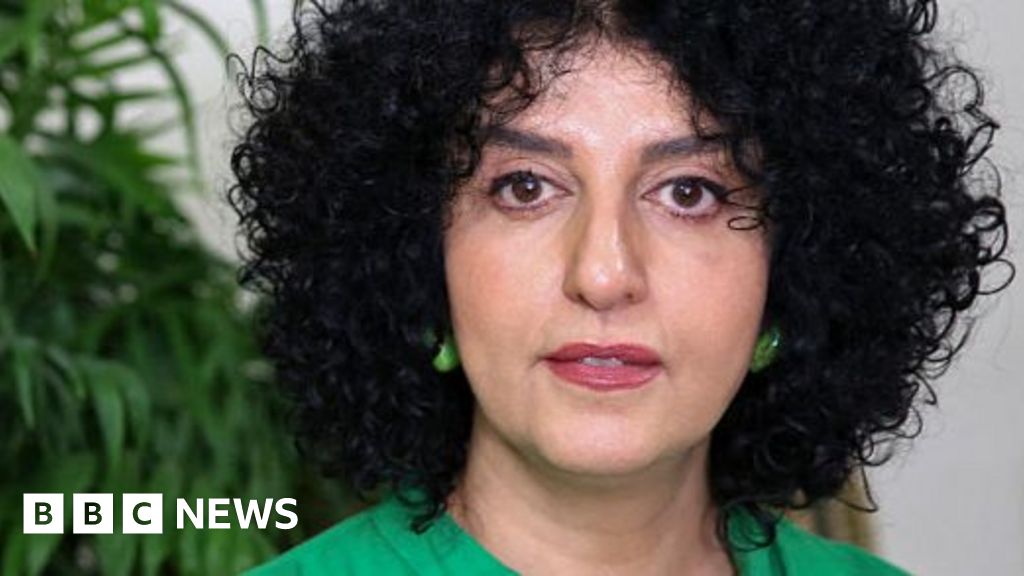
In a disturbing escalation of Iran’s ongoing crackdown on dissent, prominent Nobel Peace Prize laureate Narges Mohammadi was violently detained last week, sparking international outrage. The Nobel Committee and global rights advocates condemned her treatment, which reportedly involved severe beatings by plainclothes agents—an alarming sign of authoritarian repression intensifying under the current regime. The 53-year-old activist, known for her relentless campaign against female oppression and human rights abuses, was hospitalized after being attacked while attending a memorial ceremony for human rights lawyer Khosrow Alikordi. Her family described her injuries as severe, with multiple emergency room visits, emphasizing the brutal nature of her detention. The international community, including respected analysts and organizations, interpret these actions as a deliberate attempt by the Iranian government to quash voices of dissent amid a nationwide push for reform, but at what cost to human dignity and international norms?

Iranian authorities justified her detention by claiming she made “provocative remarks” during a memorial gathering, but critics contend this is merely a pretext for silencing influential figures. Mohammadi, who has spent over a decade in prison for her activism, was serving a 13-year sentence on charges broadly viewed by experts as politically motivated—specifically, “propaganda activity against the state” and “collusion against national security”. Her recent temporary release for medical reasons did little to stem the repression, as reports indicate she was targeted again at the event, with eyewitnesses describing her being pulled by the hair and assaulted with clubs. Disturbingly, she was accused of collaborating with foreign entities, a charge frequently used in theocratic regimes to justify crackdowns on civil society. This pattern of violence and intimidation, analysts warn, underscores how Iran’s leadership seeks to send a chilling message to activists and the international community alike—complete dominance over dissent, no matter the cost.

The geopolitical impact of Iran’s internal repression extends far beyond its borders. Western nations and international organizations have expressed growing concern over the regime’s authoritarian crackdown—a reflection of the broader regional instability and a test for global diplomacy. The European Union and United States have increased sanctions, framing these acts as violations of human rights and a threat to regional security. Historically, Iran’s internal strife is often a precursor to broader upheaval, with analysts warning that these episodes of suppression could embolden more aggressive regional postures, especially in the context of a Middle East fraught with conflicts. The international community faces a dilemma: uphold diplomatic engagement, or confront Iran’s brutal tactics head-on, risking destabilization or confrontation. Organizations such as Human Rights Watch have called for tangible action, urging Tehran to cease the crackdown and respect the rights of its citizens—a stance that continues to challenge the regime’s narrative of sovereignty over human rights.

The unfolding events at the memorial and the regime’s response are a stark reminder that history is being written in the shadows of violence and repression. As young people worldwide observe these developments, the question remains whether international vigilance and pressure can effect change—or if Iran’s government will continue to tighten its grip, sacrificing societal progress for control. The fate of Narges Mohammadi and countless others symbolizes a broader struggle—one that intertwines human rights, regional power dynamics, and the very essence of political legitimacy. As the dust settles, the world must ask: which future will emerge from this crucible of repression? Will justice and freedom prevail, or will history accelerate into further darkness, leaving those who dared to speak out to become casualties of an unyielding regime?

Gaddafi’s Youngest Son Freed After a Decade in Lebanese Detention

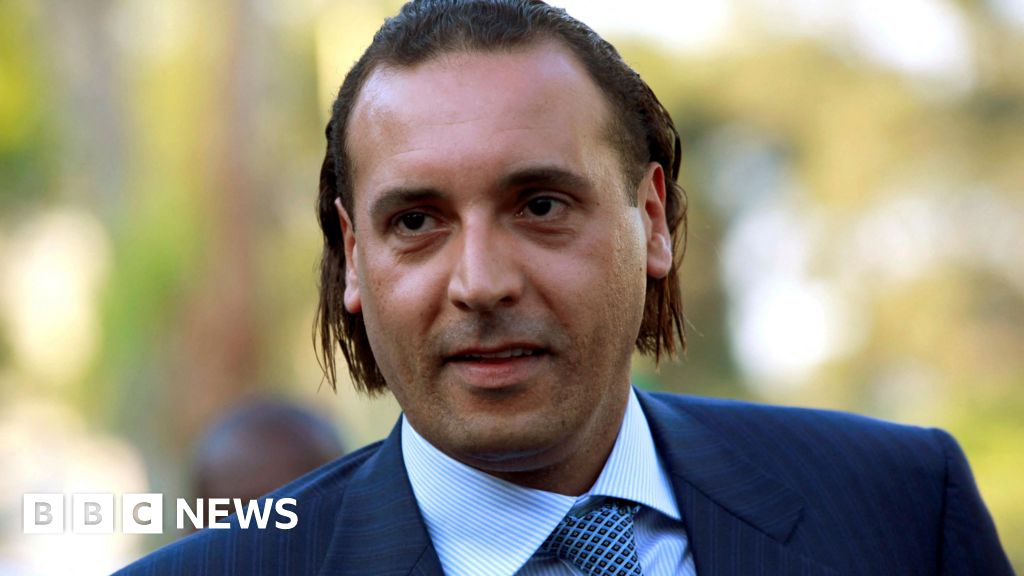
Hannibal Gaddafi, the youngest son of the late Libyan dictator Muammar Gaddafi, has recently been released from nearly a decade of detention in Lebanon, marking a noteworthy chapter in the complex geopolitical aftermath of the Arab Spring. His liberation after ten years underscores shifting paradigms within Middle Eastern politics, while also spotlighting the lingering shadows of regional conflicts and international interests. Despite the controversial circumstances surrounding his detention—initially linked to accusations over the disappearance of a Lebanese Shia cleric in 1978—his release raises questions about the influence of external forces and the fragility of justice in politically charged environments.

  • In 2015, Lebanese authorities detained Gaddafi, alleging he concealed information related to the longstanding disappearance of Musa al-Sadr, a pivotal figure in Lebanese Shia politics. However, human rights groups condemned these accusations as politically motivated, emphasizing potential abuses of Lebanon’s justice system. The legal proceedings, involving hefty bail amounts and appeals, illuminated how geopolitical scars still impact judicial independence across the Middle East and North Africa. His release was facilitated after a reduction in bail to approximately $900,000, marking the end of a chilling chapter for the Gaddafi family, which remains entangled in regional tensions and geopolitical rivalries.

Analysts from international institutions and historians have pointed out that Gaddafi’s detention and subsequent release exemplify the enduring influence of authoritarian legacies and regional power struggles. The shifting sands of Middle Eastern geopolitics, particularly the fall of Muammar Gaddafi in 2011 and the ensuing chaos, have profoundly affected legal and political systems across the region. Libya’s ongoing chaos has created a vacuum exploited by various factions, complicating diplomatic efforts toward stability. Meanwhile, Lebanon’s internal divisions have periodically spilled over into international disputes, particularly surrounding historical grievances like al-Sadr’s disappearance, which remains unresolved and a source of persistent tension. These tensions are emblematic of a broader, intertwined geopolitical battle in which external powers often manipulate regional actors to serve their strategic interests.

Despite Gaddafi’s transient presence as an individual, his case symbolizes broader ideological and political currents shaping the Middle East and Mediterranean. The decision to release him—amidst whispers of behind-the-scenes negotiations and shifting alliances—reflects the fragile balance of power and the influence of international actors like France, Italy, and the United States. The consequences of such decisions are profound, as they reverberate through diplomatic channels, influence regional stability, and impact local societies. The long shadow of Muammar Gaddafi’s rule—once a formidable force on the world stage—continues to cast a pall, as his legacy remains a potent symbol of both Arab nationalism and authoritarian resistance, now competing with new regional dynamics.

As international observers, including analysts from the United Nations and independent think tanks warn of the unstable trajectory of Middle Eastern geopolitics, Gaddafi’s release serves as a sobering reminder of history’s ongoing unwritten narrative. The unfolding story—the return of a figure once seen as a symbol of strength—may portend new challenges for regional stability and global diplomacy. In a world where alliances are ever-shifting and old grievances simmer beneath the surface, the echoes of this release will resonate far beyond Lebanon and Libya, inscribing yet another chapter in the relentless march of history’s tumultuous tide.

Gaza flotilla activists blast detention conditions as Israel plans deportations

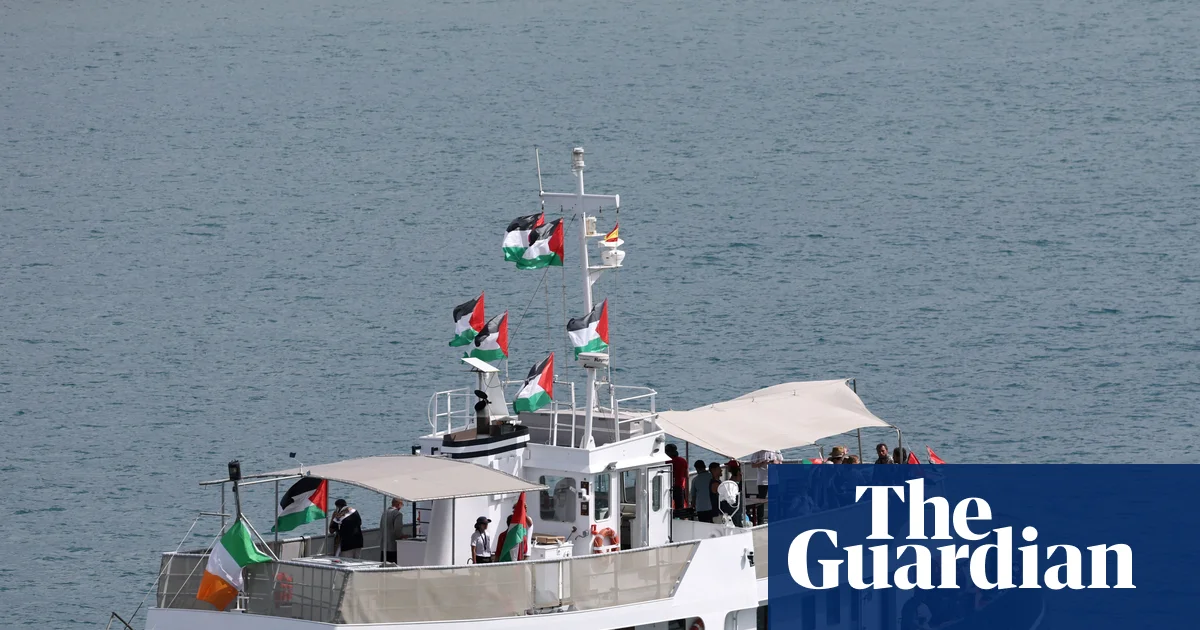
In a significant escalation of geopolitical tensions, Israel recently intercepted the Global Sumud Flotilla, a coalition of over 40 vessels attempting to breach the longstanding maritime blockade of Gaza. This incident underscores the ongoing international struggle over the fate of the Palestinian enclave and the strategic approaches nations are taking to influence regional stability. The flotilla aimed to deliver humanitarian aid to Gaza, a territory submerged under a 16-year-long blockade justified by Israel and its allies as a security measure. However, critics argue that such actions perpetuate suffering and hinder prospects for peace, with Western nations divided on how to address this crisis. The interception, which occurred in international waters, resulted in the arrest of dozens of activists—among them citizens from New Zealand, Sweden, France, Greece, and Italy. These nations now grapple with diplomatic repercussions, as families and international observers question the treatment of detainees and the broader implications of Israel’s aggressive stance.

  • Israeli forces seized all vessels in international waters and detained 437 activists, including parliamentarians and legal advocates, sparking an international debate about sovereignty and humanitarian responsibilities.
  • The detentions have been accompanied by allegations of mistreatment, including inadequate access to water, medical care, and legal counsel, raising serious concerns about human rights abuses amid an already tense regional context.
  • Notably, environmental activist Greta Thunberg was among those detained, and reports indicate she faced harsh conditions—including being held in a cell infested with bedbugs and denied basic necessities. Her case, along with others, has ignited a wave of protests and diplomatic protests worldwide.

The international community, including human rights organizations and historians, has sharply criticized Israel’s actions. Many analysts interpret the interception as a significant marker of how the Gaza conflict continues to be a flashpoint for global polarization. Israel’s foreign ministry has dismissed allegations of mistreatment, asserting that “all detainees’ legal rights were fully upheld,” despite reports from Adalah, an Israeli legal center, of abuses and physical violence. Meanwhile, governments of affected nations have issued calls for the safe release of their citizens, with New Zealand’s government publicly expressing concern over the wellbeing of their nationals, who reportedly remain in detention without proper access to water or legal expertise. The political rhetoric is heating up, as opposition voices from countries like New Zealand demand decisive action and greater accountability from their governments, who are caught between diplomatic pragmatism and moral responsibility.

Beyond the immediate human rights concerns, this incident holds profound geopolitical impact. It reveals how regional conflicts are multilateral crises, involving a web of alliances, strategic interests, and ideological divides. The interception exemplifies the precarious balance of power, with Israel asserting its security measures amid international pressure. At the same time, the incident underscores the global stakes—where activism, sovereignty, and humanitarian aid collide in a theatre of geopolitical chess. Some analysts warn that such unilateral actions threaten to deepen divisions, potentially fueling further instability and resistance in the region. As historians and international observers watch closely, the question remains: how much longer can the world ignore the toll of impasse and the echoes of history, still being written, on the shores of Gaza?

In these turbulent waters of diplomacy and conflict, the true weight of history presses down with undeniable force. The fate of those detained, and the international response to such challenges, will shape the narrative of an era defined by ideological clashes and human resilience. As silent witnesses to history, we are left to ponder: will this be a turning point that sparks meaningful change, or merely another chapter in a cycle of unresolved conflict? The answer, elusive as ever, remains embedded in the unfolding story of a world struggling to reconcile security with justice, power with morality, and the present with the enduring legacy of history’s most profound struggles.

Greta Thunberg alleges she’s held in Israeli detention with bedbugs amid Gaza flotilla clash

The recent detention of Greta Thunberg during a controversial aid flotilla mission underscores the intensifying geopolitical conflict surrounding Gaza’s maritime blockade. Thunberg, an internationally renowned environmental activist, was detained by Israeli forces along with 436 other activists, members of the Global Sumud Flotilla (GSF), in an effort to breach a 16-year-long blockade aimed at restricting the flow of goods and aid to the Palestinian enclave. Israel’s decision to intercept and arrest all vessels not only exemplifies its strict maritime policies but also triggers a broader debate about humanitarian access versus security concerns. These events are more than isolated incidents—they are a flashpoint in a larger geopolitical struggle that could ripple across the Middle East and influence international relations for years to come.

This effort to challenge Israel’s blockade is viewed by many in the global community as a critical act of resistance, symbolizing the struggle for Palestinian self-determination. However, Israel’s response has been characterized by forceful suppression, with the perpetrators’ treatment of detainees raising alarm among human rights groups and international observers. According to reports from lawyers working with the flotilla, crew members have experienced “systematic violations” of their rights, including denial of water, food, and legal access, alongside physical and verbal abuse. The detention at Ketziot prison, a facility primarily used for Palestinian security prisoners, signals a geopolitical message: Israel remains unyielding in its assertion of sovereignty and security, regardless of international criticism. Analysts warn that such treatment adds fuel to the fire of international outrage, complicating diplomatic efforts and exacerbating tensions with sympathetic nations seeking to challenge Israel’s policies.

The broader geopolitical impact of this incident cannot be understated. Led by hardliners like Itamar Ben-Gvir, Israel’s far-right national security minister, the narrative framing activists as “terrorists” reveals a shift towards increased militarization and a confrontational stance. The image of Ben-Gvir publicly branding peaceful aid workers as enemies signals his broader intention to consolidate control and discourage future similar acts of defiance. Meanwhile, nations like Sweden are engaging diplomatically, with their foreign ministry openly expressing concern over Thunberg’s treatment and their efforts to secure her legal rights. For global actors, these events serve as a stark reminder of how local conflicts have global repercussions, impacting diplomatic relations, influencing international law debates, and fueling narratives about security, sovereignty, and human rights. Moreover, the incident raises profound questions about how international activism intersects with geopolitical stability and the future of humanitarian aid in conflict zones.

As history continues its relentless march, the arrest and alleged mistreatment of Greta Thunberg encapsulate a moment of high tension that could define regional stability for decades to come. With each act of suppression and defiance, the world witnesses a chapter in the ongoing struggle over Gaza—a pivotal nexus where human rights, sovereignty, and international diplomacy collide. The weight of this moment will echo throughout history, compelling future generations to ask: Was justice sacrificed in the name of security? Or did the heavy hand of conflict forever etch this chapter into the fabric of global conflict? As international organizations and nation-states grapple with their roles, the unfolding saga reminds us that beneath the headlines, the tides of history are shifting forever, shaping the destiny of nations and societies in an uncertain world.

Social Media Auto Publish Powered By : XYZScripts.com