Matox News

Truth Over Trends, always!

Iran’s risky game: Counting on endurance and deterrence to hold the line

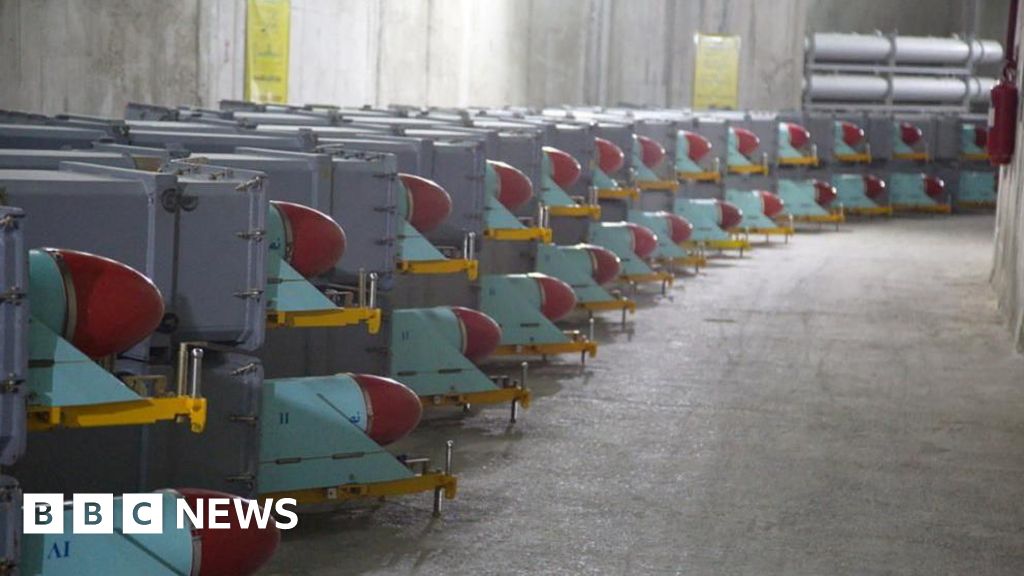
Recent assessments by BBC Persian analyst Amir Azimi highlight a noticeable shift in Tehran’s strategic outlook amidst escalating tensions in the Middle East. The Iranian leadership seems to operate under a fundamental belief: it can withstand prolonged external aggression, absorbing strikes and enduring economic sanctions longer than its adversaries can sustain their pain. This doctrine of resilience underscores Iran’s evolving approach to regional and global conflicts, positioning itself as a formidable power capable of weathering sustained pressure while pursuing its strategic objectives.

Historically, Iran has navigated a landscape fraught with external hostility, from the post-1979 revolution era through the Iran-Iraq War to the current complexities involving the United States, Israel, and their allies. These persistent conflicts and diplomatic confrontations have shaped Iran’s mindset: resilience is its most valuable card. Azimi’s analysis suggests that Tehran believes this long game approach compels its rivals to either relent or exhaust their resources trying to diminish Iran’s position. This form of strategic endurance is rooted not just in military doctrine, but also in the ideological conviction that external coercion cannot break Iran’s ideological unity or its resolve to pursue autonomous regional interests.

The implications of this approach have significant geopolitical impact. Decisions made in Tehran—whether in response to U.S. sanctions, foreign military threats, or regional alliances—are increasingly characterized by a calculated patience. This tactic aims to shift the conflict from direct confrontation to an endurance contest, where Iran seeks to leverage its resilience to outlast economic and diplomatic pressures. International organizations and geopolitical analysts warn that this could lead to a protracted standoff, with each side exhausting its capacity for costly escalation. While some global pundits refer to Iran’s strategy as a form of “geopolitical gamble,” others consider it a dangerous game that risks further destabilizing an already volatile region.

Experts such as John Bolton and Middle East analysts warn that this calculus could have profound consequences. As Iran continues to develop its missile programs, expand its influence in Syria, Iraq, and Yemen, and push back against external interference, the region faces a potential escalation that many say is inevitable, unless diplomatic breakthroughs occur soon. Meanwhile, the United States and its allies remain divided on whether to pursue direct military action or to double down on economic measures—both strategies engaging in a high-stakes game of endurance, with the entire world watching.

In this evolving geopolitical chess match, the question remains: how long can the players sustain their respective strategies before history decides the final move? As Iran’s leadership appears prepared to absorb and outrun its opponents’ efforts, the world stands on the precipice of a chapter still unwritten, where patience, resilience, and strategic endurance may define the course of the 21st century’s most complex conflict. The echoes of history remind us that in the realm of global power conflicts, endurance often becomes the ultimate weapon—and the defining factor in the long-term balance of influence.
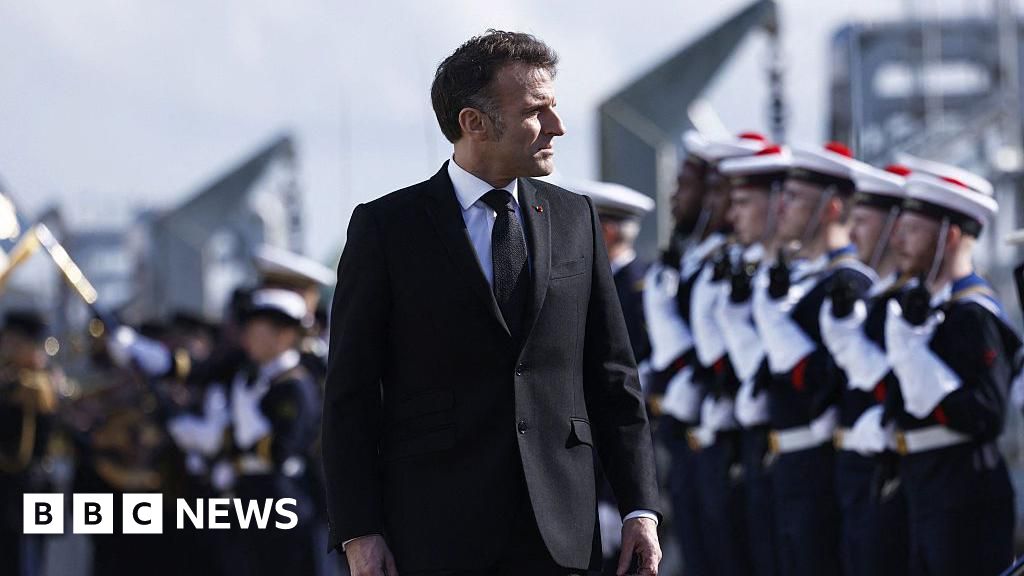

France plans to strengthen its nuclear forces and extend deterrence to tighten security across Europe

In a move that signals a shift in European and global security dynamics, France‘s President Emmanuel Macron announced that eight countries could soon benefit from Paris’s nuclear protection, a development that has sent ripples across international corridors of power. While the explicit intent is to bolster regional security—and potentially reposition France as a central player in nuclear diplomacy—the decision underscores a complex balancing act: extending protective umbrella without relinquishing sovereignty.

According to Macron, these nations will enjoy nuclear protection, yet all remains under the strict control of Paris. “France will retain sole decision-making power,” Macron asserted in a recent statement. This assurance emphasizes that, even as alliances and security commitments deepen, France seeks to maintain its strategic independence. This approach resonates with traditional Gaullist principles, framing nuclear security as a sovereign prerogative that cannot be shared or delegated. The European security landscape, historically dominated by NATO and the United States, is now witnessing a nuanced reconfiguration, with Paris positioning itself as a pivotal regional power.

International analysts suggest that this move may be aimed at countering the influence of Russia and China in Europe and beyond. By extending nuclear deterrence to select allies, France appears to be creating a layered security posture that could challenge the existing transatlantic dominance. Historian Pierre Lorrain, an expert on French military policy, notes that this move “reasserts France’s unique role as a nuclear power capable of independent influence, signaling a subtle but clear rejection of American hegemony in Europe.” The decision may also foster a sense of sovereignty among these nations, but how this impacts NATO cohesion remains uncertain.

From a geopolitical perspective, the nuclear sharing arrangement reveals broader strategic ambitions. The United States and European Union are closely watching how this development may recalibrate alliances. The shift could inspire other small or medium-sized states to push for independent deterrent options—thus complicating existing security architectures. Conversely, critics warn this could fragment collective defense, weakening established alliances, especially if nations begin to question their reliance on American nuclear umbrella. According to an analysis by the International Crisis Group, sustainable security depends on trust and shared sovereignty, which are challenged by unilateral decisions like Macron’s recent announcement.

As history unfolds, the international community watches with bated breath, aware that such decisions—though carefully couched in sovereignty and security—can have unforeseen consequences. The move by France could either fortify regional security or deepen divisions, depending on how the proposed alliances are maintained and if they evolve into competing power centers. One thing remains certain: the delicate balance of global diplomacy hinges on these choices, and the world’s future may soon be shaped by how these nations and their leaders navigate the treacherous waters of nuclear diplomacy, leaving an indelible mark on the fabric of international security. With history watching silently, the question lingers—who truly controls the ultimate defensive firepower, and at what cost to global stability?

Social Media Auto Publish Powered By : XYZScripts.com


