Matox News

Truth Over Trends, always!

Liberal Leaders Shut Down Review of Devastating 2025 Election Loss

In a dramatic twist of Australian domestic politics, the Liberal Party has chosen to bury its most candid and potentially damaging post-mortem of its 2025 election defeat, guaranteeing that critical insights remain hidden from public scrutiny. This decision not only signals a political attempt at a “fresh start” but also raises questions about accountability and transparency within the party, with wider implications for Australia’s geopolitical credibility. As the party’s internal review, which uncovered substantial failures—including weak candidate selection, strategic missteps, and damaging communication blunders—remains classified, some analysts interpret this move as a sign of internal chaos masking itself from the nation and the world.

The review’s findings reportedly cast harsh light on leader Angus Taylor and his deputy Jane Hume, both of whom are key figures in the party’s current hierarchy. Their connections to the campaign’s failures, such as opposition to Labor’s tax reforms and controversial comments about espionage, reflect a broader ideological and strategic instability. Historically, such internal conflicts within the Liberal Party have had ripple effects beyond Australian borders, disturbing regional stability and undermining alliances, especially as the country navigates an increasingly volatile Asia-Pacific theater. By shutting down transparency, Canberra’s leadership risks fostering an internal culture of denial rather than learning, which analysts warn could embolden adversaries in the Indo-Pacific domain.

  • Despite the election loss being the worst in the party’s 80-year history, the decision to suppress the review forecasts a pattern of resistance to introspection.
  • Some voices within the party fear that releasing the report could open old wounds, legal battles, or damage leadership ambitions, paralleling recent internal conflicts in other centers of power worldwide.
  • International observers, including major think tanks and analysts like those featured by the Australian Strategic Policy Institute, suggest that this refusal to confront mistakes hampers Australia’s leadership role in regional security and economic resilience.

The incident exposes a troubling dichotomy: a focus on political expediency over genuine reform, which could have broader consequences for international trust. The global community watches cautiously as Australia, a key partner in the Anglosphere and Pacific region, appears to retreat from accountability at a critical juncture—raising fears of internal fragility that could be exploited by rising powers like China and Russia. Such internal concealment, some argue, portends a future where Australia’s ability to project strength and defend democratic values is compromised. As the nation’s political stage remains a battleground of power and secrecy, the unresolved questions about Australia’s internal health echo as a warning. In the shadows of leadership decisions, the weight of history continues to weave its story—one where the true toll of concealed truths could determine the continent’s role on the world’s future stage, for better or worse.

Ukraine-Russia Talks Underway in Abu Dhabi After Devastating Kyiv Strikes

Amidst ongoing geopolitical tensions, Ukraine and Russia are once again at the forefront of international concern as they prepare for their second round of peace talks in Abu Dhabi, brokered by the Trump administration. These negotiations come after a series of devastating events, including Russia’s recent large-scale missile and drone attacks on Ukrainian energy infrastructure, which have severely impacted life in Kyiv and beyond. President Volodymyr Zelenskyy condemned Moscow’s attack, describing it as a “massive” and “deliberate” assault involving a record number of 71 ballistic missiles and 450 drones aimed at crippling energy supplies during the brutal winter. Such actions underscore the persistent lack of seriousness about peace that international leaders point out, emphasizing the fragile state of diplomacy and the danger of escalation.

International responses remain sharply divided. While President Donald Trump has dismissed Moscow’s recent strikes as not breaching Russia’s commitment to cease attacks on Ukrainian infrastructure, NATO’s Secretary Mark Rutte dismissively labeled the actions as a “signal of serious intent” against peace. This divergence reveals a geopolitical landscape marred by conflicting narratives and strategic interests. Analysts warn that ongoing hostilities and the apparent rejection of peace signals by key actors threaten to entrench the conflict, risking a protracted war with profound global repercussions. Furthermore, a comprehensive military response plan has been discussed among Ukrainian, European, and American officials, stipulating that repeated breaches of ceasefire agreements by Russia could trigger a coordinated US-Europe military escalation. This development signals a clear posture of deterrence, but it also raises the specter of a wider regional or even global conflict should diplomacy continue to falter.

Compounding the crisis, the impending expiration of the New Start treaty between the United States and Russia on Thursday marks a dark chapter in the ongoing nuclear arms race. As Julian Borger reports, this treaty’s dissolution will remove the last remaining mutual limits on the world’s two largest nuclear arsenals, escalating fears of an irreversible slide towards nuclear confrontation. International organizations and nuclear non-proliferation experts warn that the loss of these constraints could usher in a new era of destabilization, fundamentally altering the global strategic balance. The geopolitical impact of such a move cannot be overstated; it signals a potential to set back decades of efforts towards arms control and arms reduction, and, more ominously, it raises the risk of miscalculation on both sides in an already volatile environment.

This unfolding scene of renewed violence, diplomatic deadlock, and nuclear uncertainty underscores a historic turning point. As historians and international security analysts debate whether we are witnessing the rebirth of Cold War-era tensions or the escalation of a new, more dangerous phase, the weight of history presses heavily on this generation. The decisions made now will determine the future of global stability, sovereignty, and peace. The world watches, perched on the precipice of a potentially transformative era—one where diplomacy hangs by a thread, and the echoes of past conflicts warn us of the delicate balance we are perilously poised to lose. The unfolding narrative remains unwritten, but its consequences are indelibly etched into the fabric of history, waiting to be shaped by the actions and choices of those at the helm.

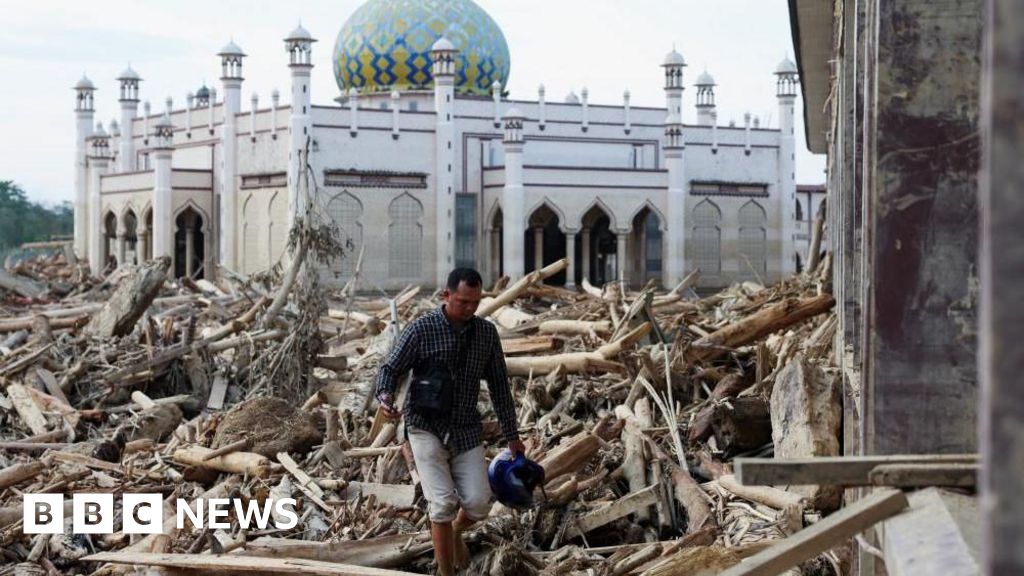
Indonesia Floods Claim Over 900 Lives in Devastating Disaster

Disasters Strike Asia: A Wake-Up Call for Global Geopolitics

The recent surge of extreme weather events across Asia underscores a troubling development in the climate and geopolitical landscape. In Indonesia, catastrophic flooding resulting from a rare and powerful cyclone has claimed over 900 lives and left hundreds more missing. The devastation is compounded by the destruction of more than 100,000 homes, displacing thousands and overwhelming local authorities’ ability to respond effectively. As Indonesia grapples with this unprecedented calamity, the event highlights the tangible consequences of climate change, which global organizations warn could intensify in the coming decades, thereby destabilizing fragile infrastructures and societies.

The damage isn’t limited to Indonesia; neighboring countries such as Sri Lanka, Thailand, Malaysia, and Vietnam are also experiencing a surge in extreme weather, with cumulative death tolls nearing 2,000. Experts, including climatologists and geopolitical analysts, argue that these synchronized disasters expose vulnerabilities in regional cooperation and preparedness. The floods in Aceh Tamiang and other affected areas have revealed a stark reality: governments are often ill-equipped to handle natural crises of this magnitude. Rescue operations are ongoing, with aid being airdropped into inaccessible regions, illustrating a growing dependence on international assistance, yet also exposing deficiencies in domestic resilience.

The geopolitical impact of these events extends beyond immediate humanitarian concerns. As nations scramble to respond, questions of climate migration, resource scarcity, and internal stability loom large. Many have pointed to recent statements by international organizations warning that such disasters could exacerbate political tensions, particularly in nations with fragile governance structures. Furthermore, the crisis has laid bare the risks of looting and law enforcement challenges, highlighting vulnerabilities in the social fabric of affected societies. As the world watches Indonesia’s struggles unfold, the stakes for global stability escalate, raising the question of how prepared the international community is to address climate-induced crises at scale.

Moreover, some experts, including renowned historians and regional analysts, suggest that these disasters are not isolated incidents but rather harbingers of a new era—one where climate malleability will reshape geopolitical alliances and demands for urgent, coordinated action. The Indonesian floods serve as a stark reminder: how decisions made today regarding climate policy, resource allocation, and international cooperation will determine the future stability of nations and societies. With the nation’s infrastructure stretched thin and communities in ruins, the aftermath of this disaster could reverberate long into the future, affecting regional politics and economic stability for years to come. As aid workers navigate muddy, treacherous roads to reach survivors, the echoes of this historic event are a somber call to the world—these are not merely environmental crises, but battles for sovereignty, resilience, and survival in a rapidly changing world.

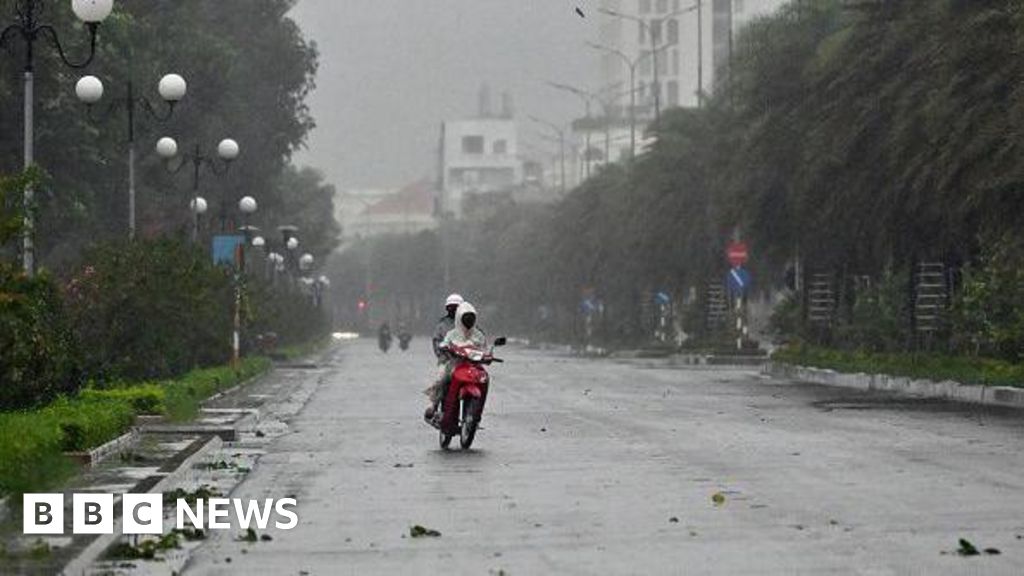
Typhoon Kalmaegi strikes Vietnam after devastating Philippines, death toll surpasses 114

Typhoon Kalmaegi Leaves Trail of Destruction Across Asia, Starkly Revealing the High Stakes of Climate and Geopolitical Decision-Making

As Vietnam, the Philippines, and neighboring nations grapple with the aftermath of Typhoon Kalmaegi, the storm underscores the profound geopolitical impact of climatic forces. Making landfall in Vietnam Thursday evening, Kalmaegi—locally known as Tino—brought with it winds exceeding 92 mph, flooding entire towns, uprooting trees, and crippling vital infrastructure. With over 114 fatalities already reported in the Philippines, and thousands evacuated, the disaster exemplifies how natural calamities are increasingly intertwined with geopolitics and global stability. Experts from international organizations and historians emphasize that the storm’s devastating course is not merely a random act of nature but a stark reminder of the vulnerability inflicted by uncooperative climate policies and regional tensions.

The Vietnamese government has responded with an unprecedented mobilization, deploying more than 260,000 soldiers and utilizing over 6,700 vehicles to contend with the crisis. Such massive state-led efforts highlight how nations, especially in Southeast Asia, are under immense pressure to organize complex disaster responses in a climate-altered world. Meanwhile, local authorities warned of flooding risks in seven provinces and urged sustained vigilance amid forecasts of waves reaching 8 meters in the South China Sea. This profound threat to coastal communities—especially fishing fleets and tourism hotspots—aligns with warnings from the Vietnamese National Center for Hydro-Meteorological Forecasting and echoes prior catastrophes like Typhoon Damrey in 2017. As NIEHS, an influential think tank, warns, these recurring natural disasters are symptoms of a broader “climate crisis fueled by geopolitical inertia,” with vulnerable populations bearing the brunt.

Across the Philippines and Vietnam, historic floodwaters and storm surges have devastated communities, transforming vibrant cities like Cebu into scenes of chaos and despair. Deadly floods in the Philippines have wiped out entire neighborhoods, and President Ferdinand Marcos Jr. has declared a state of emergency, signaling the severity of the crisis. Such events are not isolated but are symptomatic of a region increasingly troubled by _climate-induced_ upheavals—an issue that analysts predict will only worsen without international cooperation. As Vietnam’s deputy director Nguyen Xuan Hien alludes, these storms serve as harsh warnings: “Typhoon Damrey was less intense but still caused damage; Kalmaegi is a message that we must remain vigilant.” At its core, this reminds the world that decisions made in distant capitals—regarding climate policy, military readiness, and regional alliances—directly influence the fate of millions.

As history unfolds and the storm’s aftermath gives way to recovery and reflection, the geopolitical landscape faces a decisive moment. The profound destruction leaves underlying questions about discipline, preparedness, and international solidarity. Will nations recognize the interconnectedness of environmental and security issues? Or will they continue to prioritize short-term economic and political gains over sustainable, collaborative responses? The rising tide of Kalmaegi and its relentless march through Asia’s heartland leaves a haunting message—one that echoes through the corridors of history, calling for urgent unity or risking that the next chapter in this unfolding tragedy may be even darker. This is a story not just of weather but of a world at a crossroads, where the choices today will write the final lines of tomorrow’s history books.

Uganda tragedy: Over 60 lives lost in devastating road crash

In a devastating incident that has sent shockwaves across Uganda, a catastrophic highway crash resulted in the deaths of 63 people, highlighting ongoing issues with road safety and the broader socio-economic challenges faced by the East African nation. The tragedy unfolded at approximately 00:15 local time on the Kampala-Gulu Highway, a critical artery connecting the capital with northern regions. Police reports indicate that two buses traveling in opposite directions collided head-on during an attempted overtaking maneuver—an act often driven by economic necessity and the pressures of rapid mobility in developing nations.

This incident underscores a deeper, systemic problem—the dangerous practice of overtaking on busy highways, which authorities have consistently linked to cause and consequence of fatalities. The police statement emphasizes that such reckless actions “remain one of the leading causes of crashes in the country,” revealing a societal issue intertwined with economic hardship and infrastructural deficiencies. Many analysts suggest that Uganda’s transportation infrastructure has not kept pace with population growth and urban expansion, forcing drivers into risky behaviors at the expense of safety. This tragedy echoes similar patterns seen in other developing nations, where quick economic growth often comes with a toll—an increasing number of preventable deaths and injuries that threaten to destabilize local communities and undermine development efforts.

From an international perspective, this incident is emblematic of broader regional challenges. East Africa, with countries like Kenya and Tanzania, faces infrastructural gaps that constrain economic progress and regional integration. It also raises questions about the effectiveness of governance and regulation, as governments grapple with balancing development and safety. Notable analysts, including those at the United Nations Economic Commission for Africa, warn that without targeted investments and stricter enforcement of safety protocols, such tragedies will persist, further entrenching social inequalities and hindering sustainable growth. Meanwhile, local governments are under mounting pressure to improve transport safety standards and public awareness, efforts that are often hampered by limited resources and corruption.

Historically, such events serve as poignant reminders of how decisions made today shape the future fabric of societies. The Ugandan crash is a stark symbol of the costs borne by nations in a period of rapid transition—costs that are amplified by geopolitical shifts and economic ambitions. As Uganda and other African nations seek to position themselves within the global economy, the need for resilient infrastructure and stronger institutions becomes crucial. The implications extend beyond transportation, touching on issues of governance, social justice, and national security, which are all interwoven in the quest for stability and prosperity. With international organizations calling for more comprehensive approaches, the question remains: how long can societies continue sacrificing safety in the rush towards modernization?

As history unfolds, the tragic echoes of this traffic collision leave a haunting message: the path forward is fraught with peril, and the choices made today will determine the legacy left for future generations. Will Uganda and similar nations heed the warning and prioritize safety and governance, or will they risk more preventable crises that threaten to unravel their social fabric? The weight of history presses down, reminding us that each decision—on roads, in policy, and in leadership—takes us one step closer to either progress or profound disaster. The story of Uganda’s roads is still being written, and its chapters could define the future of an entire region.”

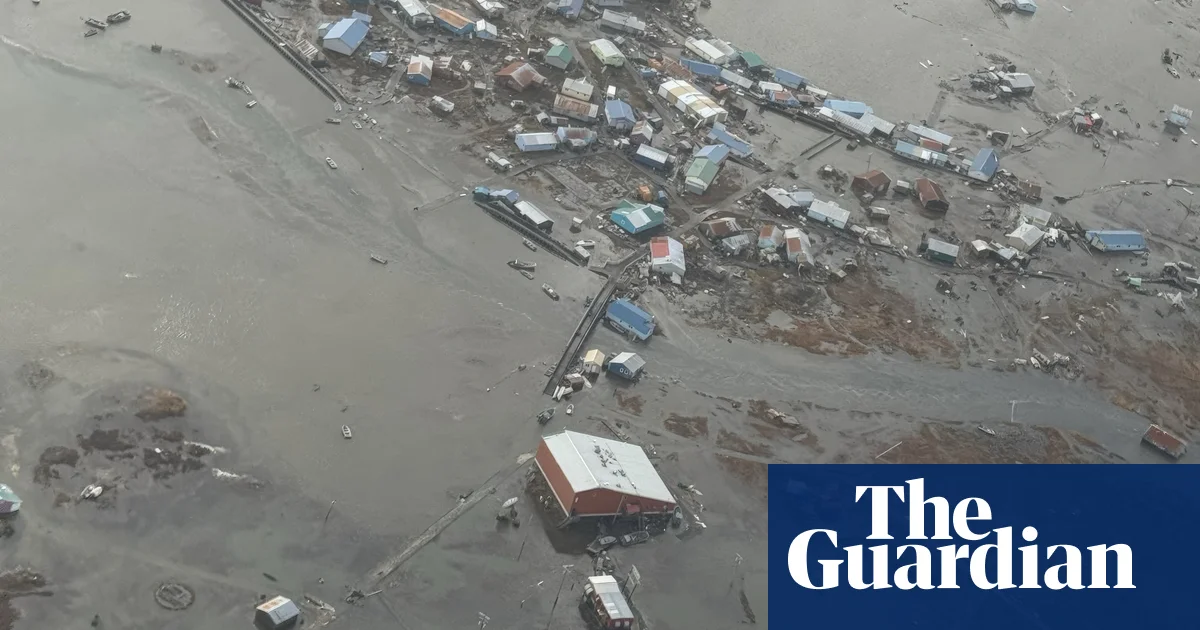
Alaska Communities Face Years of Struggle After Devastating Storm

The recent devastating storm in Alaska exemplifies the escalating toll of climate-related disasters and highlights the precarious balance between national preparedness and federal support. The storm, fueled by the remnants of Typhoon Halong, battered remote communities, leaving over 1,500 residents displaced, human casualties, and extensive infrastructural destruction. Local officials, including Senator Lisa Murkowski and Governor Mike Dunleavy, have issued stark warnings about the prolonged recovery process, with Dunleavy predicting it could take up to 18 months for many communities to restore basic livelihoods. Their appeals for urgent federal aid underscore the critical geopolitical issue that arises when a nation faces natural calamities that outstrip regional capabilities.

This crisis not only exposes the vulnerability of Alaska—a state already at the forefront of climate change’s tangible impacts—but also sparks a broader conversation about how the United States manages its resources and its strategic role in disaster response. The decision by the Trump administration to cancel a $20 million EPA grant aimed at coastal erosion and flood prevention in Kipnuk in May raised eyebrows, especially as climate experts warn of increased storm intensity and rising sea levels. Critics argue such cuts reflect a dangerous underestimation of the threat, highlighting a pattern where fiscal austerity and political ideology often undermine preparedness. An international analysis by think tanks underscores that climate-related disasters like this do not respect borders and signify a geopolitical challenge that demands sustained, proactive intervention more than reactive measures.

Moreover, the incident in Alaska reverberates beyond local borders, pressing into international terrain as global climate policies and U.S.-China rivalry on environmental issues come into play. While the Biden administration has signaled a renewed focus on climate resilience, critics argue that actual policy shifts lag behind the rhetoric, leaving vulnerable regions exposed. As United Nations-backed organizations and climate analysts warn of escalation, the importance of strategic alliances and technological innovation in disaster mitigation becomes undeniable. How the most powerful nation in the world responds to natural crises now will shape geopolitical stability for decades—whether it emerges as a leader in resilience or retreats into neglect.

This ongoing saga reminds us that climate disasters are intertwined with geopolitical uncertainties and societal resilience. As winter looms and Alaska struggles to rebuild amidst limited transportation and broadband connectivity, the weight of history presses heavily—signaling that decisions taken today will echo through generations. Will this moment serve as a wake-up call, prompting renewed commitment and strategic foresight? Or will it be just another chapter in the slow unraveling of governance amid global crises? The Earth’s climate and geopolitical landscapes are shifting rapidly, and the world watches keenly as the pages of this unfolding story are written with the stakes of all humanity in mind.

Namibia Calls in Army to Battle Devastating Wildfire in Etosha

Namibia has taken urgent steps to address a rapidly spreading wildfire that has devastated approximately one-third of the Etosha National Park, one of Africa’s most critical ecological and tourism landmarks. The government’s decision to deploy an additional 500 soldiers underscores the severity of this environmental crisis, which not only threatens countless species and fragile ecosystems but also highlights the geopolitical importance of safeguarding natural resources that are vital for regional stability and international reputation.

The fire, ignited on 22 September, has burned through nearly 8,600 square miles, destroying habitats and risking the extinction of endangered species such as the black rhinoceros. Experts from organizations like the International Union for Conservation of Nature (IUCN) have sounded alarms about ecological irreparability. As analysis from environmental specialists underscores, these fires often result from unsustainable land-use practices and lack of adequate fire management policies—factors that in many cases are exacerbated by economic hardships or weak enforcement of environmental regulations. The Concerns over ecological degradation underscore an urgent need for greater international cooperation to protect biodiversity in Africa’s fragile environments.

The decision to deploy troops reflects not just Namibia’s national crisis management but also reveals important geopolitical implications. As the country grapples with environmental emergencies, it signals the importance of national sovereignty in protecting natural assets against external pressures and illegal activities like charcoal production, suspected to be the fire’s origin. The government’s effort to mobilize military resources demonstrates that environmental security is no longer just an ecological issue but integral to national stability and regional influence. Countries with vested interests in Namibia’s natural resources—such as neighboring nations and global powers with stakes in Africa’s strategic corridors—are watching closely, recognizing that ecological crises can destabilize broader geopolitical frameworks.

  • In response to the disaster, Namibia’s government has increased environmental regulation and emphasized the importance of sustainable land management, a move praised cautiously by analysts who warn that economic reliance on resource extraction complicates conservation efforts.
  • International organizations, including the United Nations Environment Programme (UNEP), have offered aid, emphasizing that this fire serves as a stark warning for the continent’s broader environmental vulnerabilities.
  • Historically, Africa has faced recurrent challenges with wildfires, but the scale of this incident underscores a potential turning point in how nations coordinate responses and integrate environmental resilience into national security strategies.

As flames continue to consume the unique Etosha salt pan and its surrounding plains, Namibia’s crisis exemplifies the intertwined fate of environmental stewardship and national sovereignty. The world watches as the young nation strives to contain the fire’s destructive path, a metaphor for the larger battles being fought across the globe—battles for survival, security, and a sustainable future. With the historical weight of ecological neglect and geopolitical competition bearing down, Namibia’s response in the coming days will serve as a pivotal chapter in the unfolding story of environmental resilience and sovereignty, shaping the legacy that future generations will inherit from a land scarred but not defeated by the flames of crisis.

Social Media Auto Publish Powered By : XYZScripts.com