Matox News

Truth Over Trends, always!

DHS Officials Confront Lawmakers Over Immigration Funding Deadlock — Live Update

The unfolding news from Washington D.C. underscores a pivotal moment in American and international geopolitics, marked by internal turmoil, high-stakes negotiations, and escalating conflicts over immigration policies. As President Donald Trump faces scrutiny and opposition over aggressive immigration enforcement and recent deadly incidents involving federal agents, the U.S. Congress remains deeply divided on how to proceed with funding for Homeland Security and managing the chaos at the border. This domestic gridlock and upheaval are sending ripples across the global stage, with regional alliances and trade relations hanging in the balance.

The recent testimony by top officials from ICE, CBP, and USCIS before Congress reveals a Department engulfed in crisis. Acting ICE Director Todd Lyons boldly declared that agents are facing “the deadliest operating environment in agency history,” citing unprecedented border crises fueled by policies from the previous administration. Meanwhile, congressional hearings highlighted disturbing accusations of excessive force and lack of accountability, with calls from Democrats for immediate leadership changes. These internal conflicts—alongside revelations of misconduct, such as the pepper spraying of civilians including children—are fueling fears of a wider erosion of trust in U.S. law enforcement and governance.

Simultaneously, the administration’s ongoing negotiations over DHS funding expose a broader struggle for control and authority. With funding set to lapse on February 13th, bipartisan efforts to resolve the deadlock are stymied by fundamental disagreements over immigration enforcement, transparency, and oversight. The GOP insists on measures like expanded vetting and restrictions on protests, whereas Democrats demand reforms to curb abuses and restore public confidence. As analysts warn that a government shutdown would weaken national security, the geopolitical fallout becomes increasingly evident—not just as an internal American matter but as a challenge to U.S. credibility on the world stage.

Adding an international dimension, President Trump’s recent aggressive rhetoric against Canada—threatening to block a vital bridge and falsely claiming that trade with China would include a ban on ice hockey—illustrates his unpredictable approach to diplomatic relations. Formerly a supporter of the Gordie Howe International Bridge, Trump’s threats threaten to disrupt a critically important economic link between the two North American neighbors, jeopardizing regional stability and economic cooperation. Experts at the International Institute for Strategic Studies warn that such provocative tactics risk reigniting old tensions and undermining longstanding alliances. As the geopolitical weight of the U.S. shifts inward amid political chaos, allies and adversaries alike are recalibrating their strategies, watching with cautious suspicion as America’s internal divisions threaten to spill over into global influence.

Historians warn that moments like these—marked by internal disputes, public unrest, and foreign policy unpredictability—are often when nations’ fates are truly decided. Whether the U.S. can address its core issues of accountability and reform will determine not only its future stability but also its standing among the free nations of the world. As the weight of history presses down, the unfolding drama in Washington promises one thing: the next chapter in America’s story is still being written, and the outcome remains painful, uncertain, and profoundly consequential for the arc of global power.
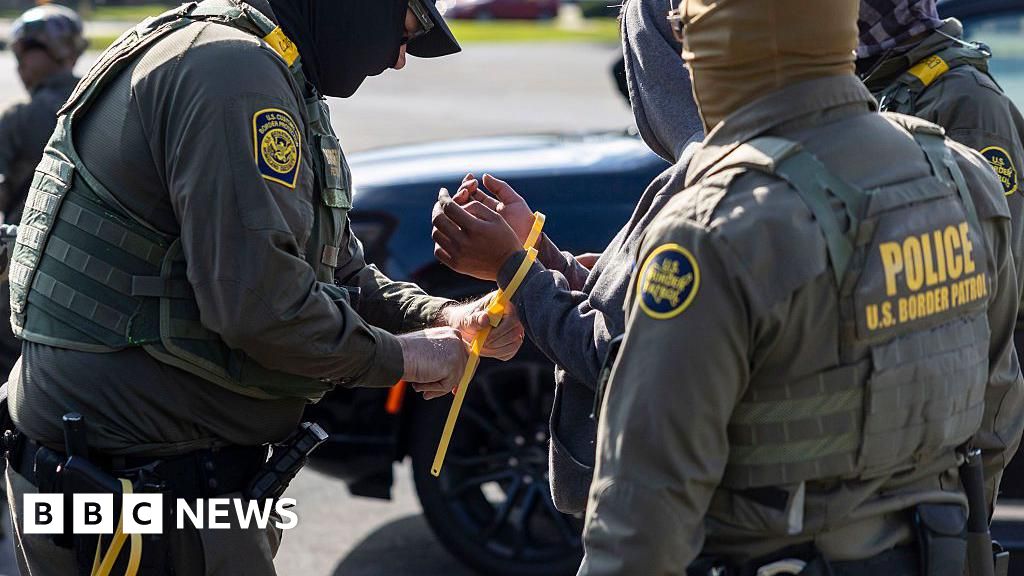
Charlotte braces for DHS crackdown on illegal aliens linked to crime

The recent surge of aggressive immigration enforcement by the United States, led by President Donald Trump, has reshaped the landscape of domestic policy and ignited intense debates about national security versus immigrant rights. With the announcement of “Operation Charlotte’s Web”, US homeland security officials have conducted large-scale raids in Charlotte, North Carolina, targeting what they describe as “criminal illegal aliens.” This operation, involving armored vehicles and special operations teams, marks a significant escalation in the Trump administration’s ambitious pledge to deploy the “largest deportation programme” in US history, a move that continues to draw both staunch support and widespread condemnation.

From an international perspective, the geopolitical impact of this crackdown cannot be understated. Critics argue that such aggressive tactics not only intensify domestic social divisions but also influence America’s standing on the global stage, especially among allied nations that emphasize immigration inclusion and human rights. While the DHS defends its actions, claiming they are necessary to uphold law enforcement in cities like Charlotte—which, notably, is a “certified welcoming city”—the repercussions extend beyond internal politics. International organizations, such as the United Nations, have historically voiced concern over mass deportations and the treatment of migrants, warning that such policies risk undermining basic human dignity and international norms.

Furthermore, the geopolitical implications ripple across the Atlantic and beyond as neighbors and allies monitor the United States’ internal policies with wary eyes. How such aggressive measures influence bilateral relations, especially with Mexico and Caribbean nations whose citizens are often targeted or affected, remains a critical concern. Esteemed analysts, including those at the International Crisis Group, have noted that prolonged enforcement actions could deepen existing tensions, destabilize regional migration flows, and complicate cooperation on transnational issues like security and trade. The debate over the balance between national sovereignty and international humanitarian obligations has become more urgent in this era of interconnected crises and shifting alliances.

As the operation unfolds, reports from Charlotte describe a community gripped with fear and uncertainty, illustrating the tangible societal cost of these policies. Youths and families fleeing into the woods and communities grappling with the reality of their neighbors’ detention underscore the internal societal strain caused by this crackdown. Critics, including local officials and civil rights advocates, argue that a policy rooted in harsh enforcement alienates vulnerable populations and threatens the social fabric of multicultural cities like Charlotte, which boasts a considerable foreign-born population.

In the broader historical narrative, these events signify a pivotal moment of transformative change in U.S. immigration policy, echoing debates that have raged since the country’s founding. As historians like Douglas Massey and Julie Siddiqi suggest, policies of this scale can redefine national identity, affecting not only the fabric of society but also positioning the nation on the global stage. With the next targets on President Trump’s list reportedly including New Orleans and possibly Chicago, the global community must prepare for a new chapter—one where the decisions made today will echo for generations.

In this unfolding drama of policy and power, the world watches as America grapples with the question of how far a nation should go to defend its borders and uphold its laws. With the weight of history looming large, this chapter in the story of a divided nation remains far from over, leaving the international community to wonder: what legacy will these turbulent times leave for future generations to learn from?

DHS Hid Chicago Police Data for Months, Flouting Espionage Laws

US Government Accelerates Digital Surveillance Infrastructure, Signaling Major Disruption for Tech and Security Sectors

The recent revelations about the Department of Homeland Security’s (DHS) expanding ambitions highlight an aggressive push towards integrating public safety and commercial data through groundbreaking technological innovations. As DHS’s budget nears $191 billion, its focus on eliminating information silos signals a new era of *disruptive* government-driven data fusion, setting a precedent that could reshape both security operations and industry standards. The March 2025 executive order that urges federal agencies to streamline and consolidate data repositories indicates a strategic move to leverage cutting-edge AI capabilities for enhanced surveillance and enforcement, marking a significant shift in how national security apparatuses operate.

At the heart of these initiatives lies the FBI’s watch-listing system, including the Terrorist Screening Dataset and the Threat Screening Center’s TADP list, which, according to newly obtained records, is evolving beyond its initial scope. While explicitly excluding U.S. citizens and lawful residents, authorities are broadening definitions of threat-related entities—sometimes blurring lines to include individuals with *vague associations* with groups like Latin Kings or drug cartels. This approach harnesses *innovation* in data analytics and AI to connect seemingly disparate information sources—ranging from border crossings to social support networks—creating a comprehensive digital footprint that could revolutionize enforcement strategies but raises serious privacy and civil liberties concerns.

Disrupting Traditional Boundaries in Security and Business

The recent decision by the FBI to expand its TADP list to include the Latin Kings exemplifies the shifting *industry landscape*. The move illustrates a departure from traditional law enforcement boundaries, integrating commercial and public data to facilitate broader targeting mechanisms. This is compounded by the DHS’s ongoing efforts to merge domestic and international data sources, effectively creating a unified, real-time monitoring ecosystem. Such integration not only disrupts legacy security models but also opens new avenues for innovative *private sector* technologies, including advanced AI, real-time analytics, and large-scale data management systems. Industry leaders like Palantir or Darktrace are already positioning themselves as critical enablers of this new intelligence paradigm—offering tools capable of processing vast datasets with unprecedented speed and accuracy.

  • Key features of this digital overhaul:
  • Fusion of sensitive public and commercial data streams for comprehensive surveillance.
  • Implementation of AI-driven watch-list algorithms, with real-time updates and alerts.
  • Expanding scope to include broader definitions of threat entities, blurring conventional lines of suspicion.

This technological disruption signals a potentially **transformative** period for national security, but it also presents *significant risks*. Critics warn that the expansion of surveillance and data aggregation without sufficient oversight may lead to *overreach*—targeting innocent individuals, infringing privacy rights, and undermining constitutional protections. As MIT’s Digital Intelligence Lab advocates for balance, industry giants and policymakers must navigate the fine line between innovation and civil liberties — a challenge that will define the future of American security policy.

Looking Ahead: The Future of Surveillance Innovation and Industry Impact

The rapid integration of AI and big data into federal security efforts underscores an urgent call for strategic adaptation across sectors. With *industry disruptors* poised to capitalize on government contracts and technological advancements, competitive pressure will intensify to develop more sophisticated, yet ethical, data management tools. Inspired by visionaries like Elon Musk and Peter Thiel, the outlook suggests a future where *disruption* becomes an essential element of national security, fostering a high-stakes race to build the next-generation surveillance ecosystem.

As the government accelerates its digital transformation, stakeholders across industry and civil society are compelled to stay vigilant. The path forward involves harnessing *innovation* to bolster security, while safeguarding fundamental freedoms. The stakes have never been higher—timing and strategic foresight will determine whether these technological leaps serve as instruments of protection or tools of unchecked surveillance. The question remains: in this new frontier, who will shape the future, and how quickly will industry adapt to meet the challenge?

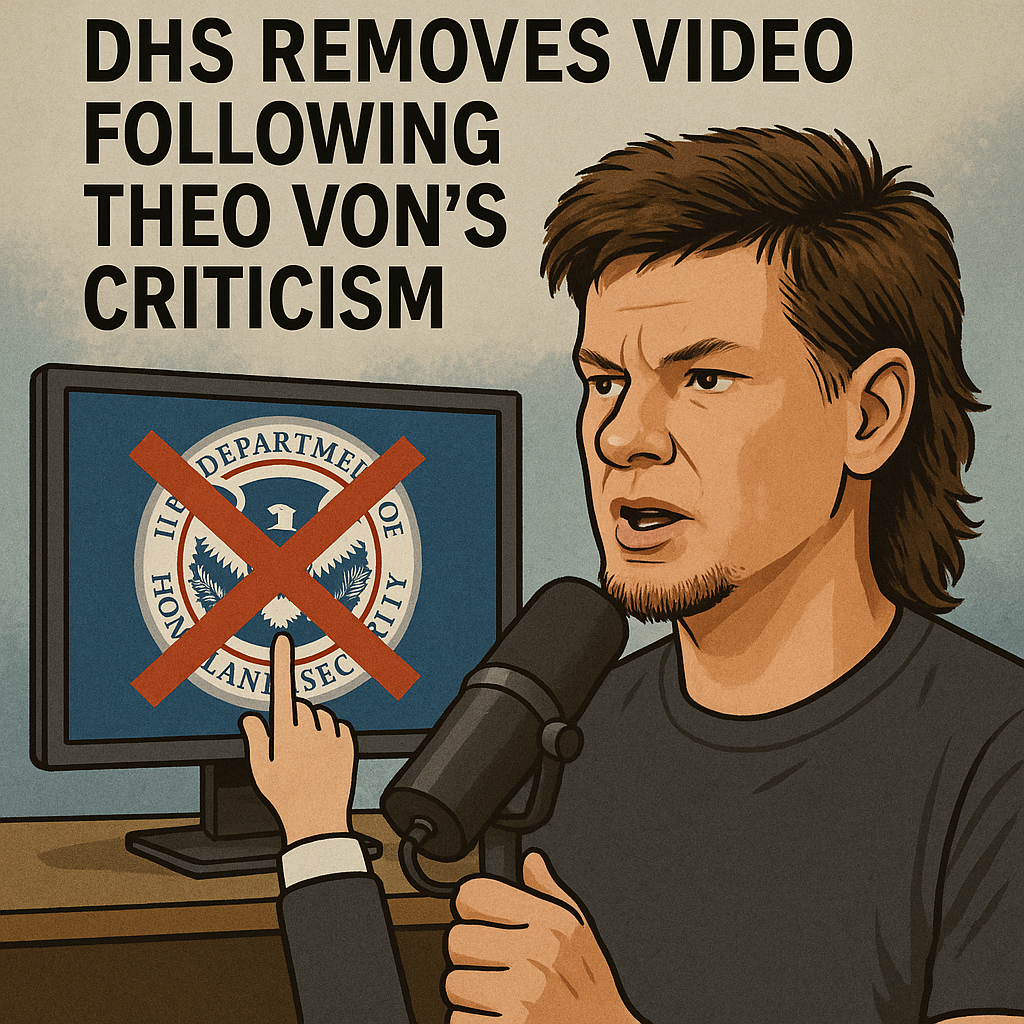
DHS removes video following Theo Von’s criticism

In an era where government agencies increasingly become arenas of public spectacle and power struggles, recent events involving the Department of Homeland Security (DHS) highlight the fragility of authority and the selective nature of political messaging. The DHS, a key instrument in shaping national security and immigration policies, found itself embroiled in controversy after it reportedly removed a social media post featuring internet personality Theo Von. The incident underscores how power dynamics within bureaucratic institutions can influence public perception and reveal underlying tensions between governmental control and individual rights.

According to reports, the DHS posted a video in which Von appeared engaging directly with his audience, making remarks that could be interpreted as humorous or provocative concerning deportation. However, after Von expressed his disapproval at being featured without his consent—citing an invasion of privacy—the agency deleted the content. This move exemplifies a broader trend in contemporary politics: decision-makers navigating the fine line between transparency and suppression. Such acts of digital curation demand scrutiny from constitutional experts who question whether the DHS’s actions represent a form of censorship or an attempt to manage political narratives in an increasingly polarized climate. As historian Charles Beard noted, governance is often a game of “control over information,” a principle as relevant today as it was during the inception of modern bureaucratic states.

This incident also demonstrates how *internal power struggles* within government agencies shape how policies are communicated and executed. It invites an examination of how decision-making hierarchies influence public engagement—a tension rooted in debates over freedom of speech, government transparency, and the authority of bureaucracies. The incident echoes historical parallels; similar disputes over control of the narrative have occurred during the Cold War and other periods of ideological conflict. Today, the digital realm amplifies these struggles, making them increasingly accessible to the public eye and, consequently, more impactful.

Ultimately, the controversy around the DHS’s handling of Von’s video reveals that politics remains a stage where destiny is written through power dynamics. As the nation witnesses this clash of interests—between individual rights and institutional authority—it becomes clear that the decisions made within bureaucratic walls have far-reaching consequences. The establishment’s attempt to manipulate or suppress content not only affects perceptions of legitimacy but also challenges foundational principles such as free expression and government accountability. As political theorists warn, when power consolidates unchecked within the state apparatus, the very fabric of democracy begins to fray, transforming the landscape into a battleground where the eventual winners are those who control the narrative itself.

In this struggle for influence and control, the digital age has rendered traditional political boundaries obsolete. Today, the stage where history is written is no longer solely in legislative chambers or courtrooms but in the fleeting, ever-changing arenas of social media. Here, every post, every deletion, carries the weight of ideological conflicts and the pursuit of ultimate authority. As the dust settles on the DHS’s digital purge, one thing remains undeniable: politics is the story of power – the raw, unyielding force shaping the destiny of nations and individuals alike. In this ongoing game, those who grasp the reins of influence will ultimately determine who writes history and who is forgotten in the shadows of its pages.

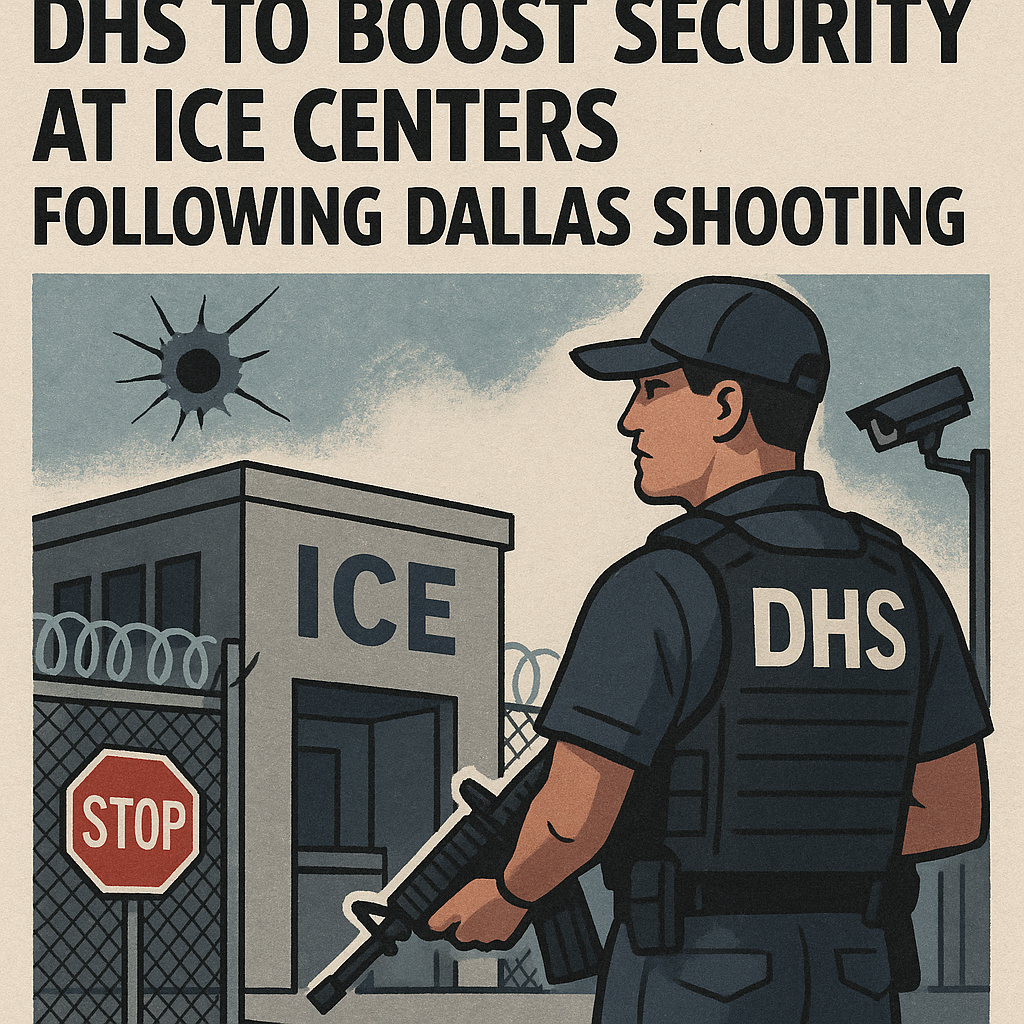
DHS to Boost Security at ICE Centers Following Dallas Shooting

The recent deadly shooting at an ICE facility in Dallas has ignited a surge of responses from the Department of Homeland Security (DHS), signaling a shift in the federal government’s approach to national security and immigration enforcement. In the aftermath of this tragic event, DHS announced it would “immediately increase security” at Immigration and Customs Enforcement (ICE) facilities nationwide, a move that underscores the ongoing power struggles between a government committed to border security and factions advocating for more lenient immigration policies. This escalation reflects a broader political confrontation, where decisions made in the halls of power directly impact law enforcement tactics and the safety of personnel working on the front lines.

The attacker’s motivations, reportedly driven by hatred for ICE, underscore the volatile atmosphere surrounding immigration enforcement agencies. This incident, a rare but alarming act of violence, has been exploited by hawks who argue for tougher security measures and stricter immigration policies, framing the shooting as a consequence of perceived governmental leniency or failure. On the other side, critics question whether this act of violence is being used as a pretext to justify draconian reforms and increased militarization. Constitutional experts and political analysts have long debated the balance of power when it comes to federal agencies like ICE, emphasizing the importance of safeguarding individual rights without compromising national security—a delicate tug-of-war that echoes throughout American history, reminiscent of debates during the early Cold War era.

Within the ideological fissures driving today’s politics, the right-wing factions see the DHS’s new directives as essential to defending the sovereignty of the nation and protecting American citizens from threats that are often marginalized in mainstream discourse. Campaign promises by leadership often included sentiments of restoring law and order and equipping agencies with the tools to combat what they deem an era marked by chaos and lawlessness. Conversely, those on the left caution against an approach that risks turning immigration enforcement into a militarized apparatus that erodes civil liberties. These conflicting visions of security mirror profound power struggles over the soul of American democracy—whether it is a nation of open opportunity or a fortified fortress determined to guard against external and internal threats.

As history’s currents continue to shift, it becomes clear that such moments are recorded as more than isolated incidents—they are defining chapters in the narrative of a nation wrestling with its identity. Decisions made today at DHS and across the political spectrum are not mere policy shifts but mirror the deeper contest of how freedom and security are balanced. In this ongoing saga, politics remains the grandstage where the destiny of the republic is scripted, with each movement and counter-movement setting the course for generations to come. Ultimately, the true power lies in the choices made now—choices that will shape the very fabric of society, for politics is where history’s pen finds its ink.

Social Media Auto Publish Powered By : XYZScripts.com