
Matox News

Truth Over Trends, always!

Dignitas Founder, Pioneering Assisted Suicide Advocate, Passes at 92

The Death of Ludwig Minelli Marks a Pivotal Moment in the Global Debate Over Assisted Dying

In a significant development that underscores the evolving landscape of human rights and individual sovereignty, Ludwig Minelli, the founder of the Swiss right-to-die organization Dignitas, passed away by assisted suicide at the age of 92, just days before his 93rd birthday. His death signifies more than the end of a controversial figure’s life; it highlights a burgeoning global debate over the morality, legality, and societal implications of assisted dying. As Europe’s long-standing neutrality in social issues begins to be tested, Minelli’s legacy continues to influence the international discourse surrounding self-determination at life’s end, a fundamental human right that many advocates argue should extend beyond Swiss borders.

Global Shifts in the Right-to-Die Movement and Their Geopolitical Impact

Since Minelli’s pioneering efforts in 1998, several countries, including Australia, Canada, and New Zealand, have embarked on legislative journeys to legalize assisted dying, recognizing an emerging consensus that personal choice should be respected in the face of suffering. However, this movement remains divisive, with critics warning of potential abuses and coercion against vulnerable populations, including the disabled and the elderly. The UK House of Lords is currently deliberating on similar bills, with international organizations like the European Court of Human Rights reaffirming in 2011 the sanctity of individual judgment regarding end-of-life decisions. This political shift not only signifies a changing moral landscape but also demonstrates the strategic geopolitical implications of regulatory sovereignty—each nation balancing traditional values against demands for personal freedom.

How Decisions on Assisted Dying Reshape Societies and International Relations

The decisions of these nations carry profound consequences for societal norms and international influence. Countries embracing assisted dying often position themselves as champions of human rights, influencing others to reconsider outdated ethical standards. Yet, critics argue that such policies could lead to a slippery slope where vulnerable populations are coerced into compliance, raising ethical concerns that transcend borders. Historians and analysts cite these legal battles as a reflection of deeper societal tensions, often echoing debates from history’s darkest corners. The prospect of legalizing assisted dying could also impact international relations—both as a point of moral contention and as an indicator of a nation’s stance on personal sovereignty amidst a global push for rights-based policies.

Looking into the Future of Human Rights and Self-Determination

The death of Minelli and the ongoing legislative debates serve as a stark reminder that the battle over human rights at life’s end is far from over. As international institutions and nations continue to navigate these contentious waters, the legacy of figures like Minelli remains a catalyst for those advocating for dignity and personal choice. Historians warn that these turning points could reshape the very fabric of societal values, potentially redefining the boundaries of lawful individual decision-making. The future of assisted dying is poised on the precipice of a new era—one where the weight of history is yet to be written, and where the right to make choices about one’s final moments could become a defining axis in the global struggle for human freedom and sovereignty.
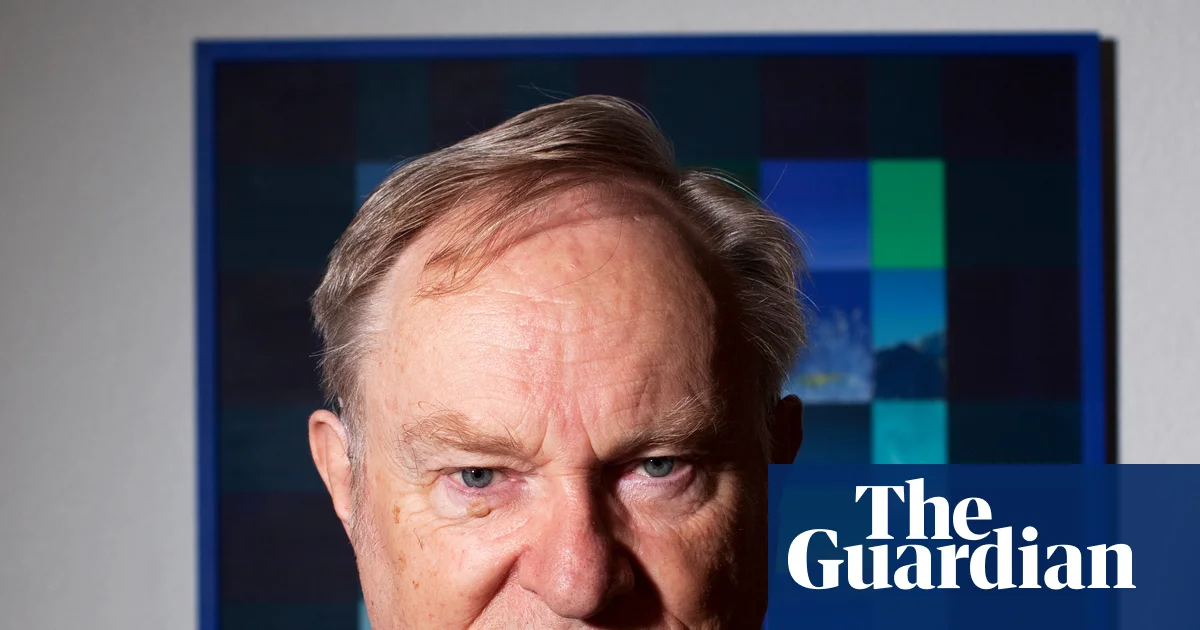

Dignitas Founder Chooses Assisted Death, Making Bold Statement on End-of-Life Choices

The recent passing of Ludwig Minelli, founder of the Swiss right-to-die organization Dignitas, marks a significant milestone in a rapidly evolving global debate over assisted dying. Minelli’s choice to end his own life at nearly 93, through an assisted death he championed for decades, encapsulates the profound ideological shift occurring across the world — from legal battles to cultural acceptance. He dedicated his life to the principle of self-determination in end-of-life choices, and his impact on Swiss law and the broader international legal landscape underscores the importance of these evolving norms. As the world witnesses this transformation, analysts emphasize that Minelli’s legacy continues to shape societies’ perceptions of dignity, autonomy, and the moral questions surrounding assisted death.

The case of Switzerland stands as a testament to the country’s progressive stance. While euthanasia—where a third party directly administers lethal assistance—is illegal, assisted dying remains legal and culturally accepted. This legal framework was notably influenced by Minelli’s persistent activism, which culminated in landmark rulings such as a 2011 European Court of Human Rights decision affirming the right to self-determination in end-of-life decisions. These legal precedents have inspired debate and legal reform across Europe and beyond, prompting countries like France, Spain, and Austria to enact laws permitting assisted dying under specific circumstances. The global geopolitical impact of this expansion is profound, as it challenges traditional values rooted in sanctity of life, compelling nations to reconsider their legal and ethical boundaries amidst shifting societal norms.

This wave of change is not confined to continental Europe. In North America, more than ten U.S. states have legalized assisted death, reflecting mounting support for personal autonomy in the face of terminal illness. Meanwhile, Canada and Australia have likewise embraced legislative reform in recent years, signaling a broader geopolitical realignment. However, within the UK, the debate remains fiercely contested. Despite a parliamentary vote in June backing the legal framework for terminally ill patients to seek assisted death, the legislation faces relentless scrutiny in the House of Lords. Critics argue the bill requires rigorous safeguards to protect vulnerable populations, and opponents have successfully delayed passage, emphasizing ongoing societal divisions over moral and legal dimensions. This illustrates how, even in democracies with long-standing traditions of debate, the transformation toward acceptance of assisted dying is not guaranteed but hinges on complex, high-stakes decision-making.

The influence of Minelli and Dignitas, and their advocacy, extend well beyond Swiss borders, shaping international discussions about personal sovereignty and the ethics of assisted death. As historian and legal analyst Dr. Amelia Carter notes, Minelli’s persistent legal challenges—culminating in appeals to the European Court of Human Rights—have helped reframe assisted dying as a matter of human rights rather than mere moral controversy. Yet, this evolving landscape comes at a cost, as societies grapple with the moral implications and societal risks of legislating individual choice over life and death. As Minelli’s legacy persists, the global community finds itself at a crossroads: do we uphold rigid sanctity of life, or embrace a future where autonomy, dignity, and personal choice dictate the terms of our final moments? As history continues to unfold, the answer will shape the moral fabric of nations and forge a new chapter in the ongoing debate over the right to die with dignity.

Social Media Auto Publish Powered By : XYZScripts.com


