
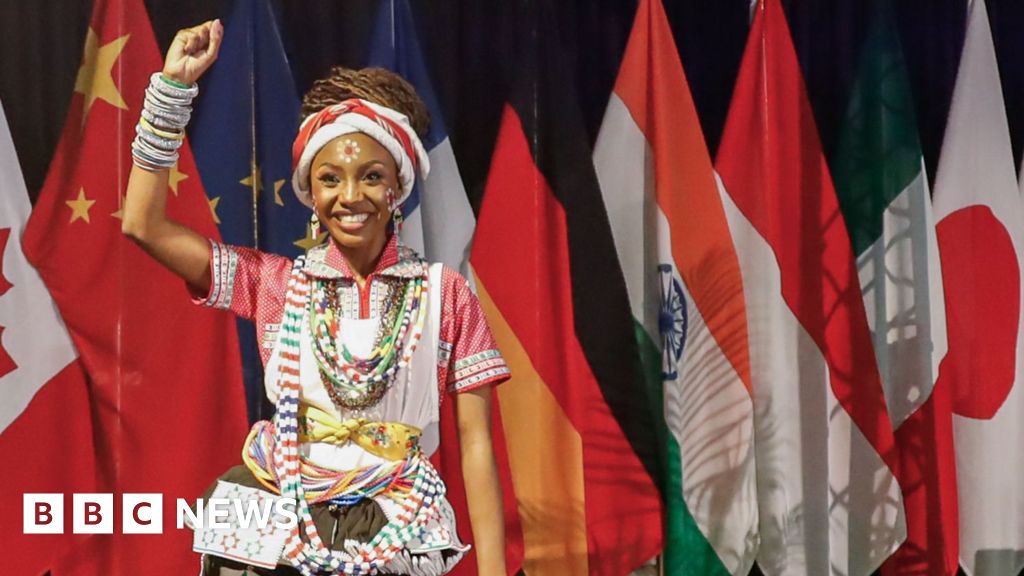

South Africa’s G20 Presidency: A Test of Diplomacy Amidst Geopolitical Tensions
As South Africa takes the helm of the G20 this year, its ambitions are clear: to amplify the voices of developing nations on the global stage and push for reforms that could reshape international economic governance. With a storied history of navigating complex diplomatic waters, Pretoria has positioned itself as a champion for economic fairness, advocating for lower borrowing costs for emerging markets, climate finance, and the strategic utilization of Africa’s critical minerals. This year’s summit, hosted amid a climate of rising global instability, underscores the crucial role that middle powers can play in steering the world away from exclusive oligarchic decision-making towards broader, more inclusive multilateral cooperation.
However, the summit is overshadowed by a significant diplomatic crisis that reflects broader geopolitical conflicts and a deepening rift between South Africa and the United States. President Donald Trump has publicly excused himself from the gathering, citing discredited claims about violence against South Africa’s white minority and alleged land seizures. The decision to withdraw US participation — initially signaling only a diplomatic boycott and later reinforcing it by refusing to send high-level representatives — signals not just a diplomatic shift but a realignment of global alliances and influence. Relations have frayed; the US expelled South Africa’s ambassador, cut aid, and imposed tariffs of up to 30%, the highest in sub-Saharan Africa, pointing to how decisions at this summit could influence future international cooperation.
Adding to the tension is the absence of key global leaders such as Vladimir Putin, Xí Jinping (sending only his Premier, Li Qiang), and Javier Milei from Argentina. These withdrawals, combined with the US’s stance, threaten to diminish the summit’s influence—raising questions about whether the assembly can produce meaningful outcomes without the participation of the world’s leading powers. Some analysts believe this could open a window for pushback from emerging economies and middle powers, who might seize the opportunity to foster consensus outside the shadows of superpower influence.
Despite the absences, South Africa remains resolute. Foreign Minister Ronald Lamola emphasized that the summit would proceed, asserting that the priorities of pressing issues—climate change, technology, and resource management—must be addressed regardless of US participation. As the summit unfolds, the key test lies in whether these nations can forge a collective vision that transcends the discord from Washington and Beijing, aiming to build a more resilient and equitable global order.
In the shadow of this unfolding diplomacy, the question endures: Will history remember this as a turning point towards a more multipolar world or as a failure of international collaboration in an era of relentless upheaval? With each wavering alliance and diplomatic absence, the stakes are higher than ever, as the world watches the fragile dance of power and principle, knowing that the decisions made in Johannesburg could resonate through the corridors of history long after the summit concludes. The unfolding story of Africa’s rise and the retreat of old alliances paints a vivid tableau—one where the future remains unwritten, yet undeniably shaped by the choices of today.





