Matox News

Truth Over Trends, always!

OpenAI dismisses employee over insider trading in prediction markets

Insider Trading Scandal Signals Disruption and Urgency in Prediction Market Technology

In a move that underscores the increasing risks associated with technological innovation, OpenAI has terminated an employee amid investigations linking them to the misuse of confidential data on prediction market platforms like Polymarket. The incident reveals a critical vulnerability at the intersection of advanced AI development and blockchain-based trading, highlighting how emerging technologies are being exploited for personal gain. This breach not only disrupts trust within the industry but also raises broader questions about the integrity and regulation of these rapidly growing markets, which are poised to redefine the landscape of financial and technological disruption.

The surge in popularity of prediction markets over recent years exemplifies their capacity to impact industries ranging from sports and entertainment to the core of tech innovation. These platforms, allowing users to bet on the outcomes of future events—from corporate earnings to geopolitical decisions—represent a disruptive force capable of altering traditional information symmetry. Companies like Kalshi have taken steps to combat insider trading, reporting suspicious activities to regulatory agencies such as the Commodity Futures Trading Commission. Meanwhile, Polymarket remains largely silent on the burgeoning scandal, prompting concern among industry analysts about the potential for unchecked manipulation and abuse.

Experts warn that the underlying technology underpinning prediction markets is ripe for exploitation. Insider knowledge, when combined with pseudonymous blockchain transactions, creates a fertile ground for market manipulation and unfair profit-making. The recent findings, including clusters of suspicious activity surrounding OpenAI-themed events prior to major product launches, evoke memories of the infamous “Google whale,” a pseudonymous trader who profited over $1 million by trading on Google-related events. This pattern signals that even highly innovative platforms are vulnerable to malicious activities, forcing industry leaders and regulators to confront the risks of technology-driven insider trading.

Innovation in disclosure and regulation is imperative for industry stability

The promising trajectory of prediction markets as tools for real-time forecasting and market intelligence is now under threat from these shadowy activities. What was once heralded as a revolutionary way to democratize information dissemination and disrupt traditional finance is now facing the pressing need for robust oversight and technological safeguards. Institutions such as MIT and industry analysts like Gartner emphasize that integrating AI-driven monitoring systems and increasing transparency could mitigate market manipulation, fostering investor confidence and regulatory compliance. The implications are profound: without intervention, the very essence of innovation within these platforms risks being undermined by misconduct and lax oversight.

Looking ahead, the tension between disruption and stability in prediction markets represents a defining challenge for the emerging tech economy. The rapid pace of innovation demands that companies and regulators act swiftly to establish rigorous compliance frameworks and leverage AI for fraud detection. As industry figures like Elon Musk and Peter Thiel champion, the future belongs to those who can balance cutting-edge development with responsible governance. The evolving landscape of prediction markets will undoubtedly be a battleground for technological supremacy, regulatory influence, and ethical standards — with the stakes higher than ever for the future of innovation.

Minister dismisses Mandelson's Epstein outrage as overblown—UK politics live
Minister dismisses Mandelson’s Epstein outrage as overblown—UK politics live

International Watch: UK Political Shake-up and the Rift over Peter Mandelson’s Controversy

The unfolding saga within Britain’s political landscape signals more than just internal strife; it echoes across the corridors of global power. Recent revelations concerning Peter Mandelson, a veteran political figure, have ignited widespread debate about accountability, morality, and national security. As he faces fallout from allegations linked to Jeffrey Epstein, the ripple effects threaten to reshape diplomatic and parliamentary standards worldwide. The controversy underscores how decisions made within Britain’s political elite are now dissected through a global lens, emphasizing the geopolitical impact of leadership scandals in an interconnected era.

Leading political voices, such as Ed Davey of the Liberal Democrats, are demanding a public inquiry into Mandelson’s associations, particularly citing concerns over national security and the rule of law. They argue that the leak of sensitive government information, allegedly by a minister acting as a mole, could have posed a grave threat to Britain’s institutional integrity. International analysts and organizations, including security experts, emphasize THAT lack of transparency in such cases fuels public distrust and weakens diplomatic credibility. In an age where soft power and diplomatic resilience are paramount, the fallout from internal scandals can weaken Britain’s stature on the world stage, especially if elites dodge accountability or dismiss serious allegations as ‘disproportionate’.

In the midst of the controversy, Mandelson’s own comments accentuate a troubling narrative. His assertion that “hiding under a rock would be a disproportionate response” to emails—some of which have linked him to misconduct—appears to dismiss the gravity of the allegations. Historians and political commentators warn that such dismissals only deepen international skepticism of Britain’s political class. As Katy Balls, a respected political journalist, highlights, Mandelson’s lack of contrition and his claims of naivety may serve to further erode public trust in a time when integrity is desperately needed. The UK’s decisions to address this crisis will inevitably influence how other nations hold their elites accountable, potentially setting a precedent for transparency or deterioration into diplomatic shadows.

Meanwhile, within Western democracies, the debate about the role of elites, morality, and security has intensified. The discourse underscores a broader, turning point: nations worldwide are revisiting their ethics and vetting processes for political and diplomatic appointments. With the US and European countries watching, the UK’s handling of Mandelson could be interpreted as either a reaffirmation of accountability or a capitulation to political expediency. Decisions made now will influence the future of governance standards across liberal democracies, impacting societies’ trust in their institutions and their leadership’s capacity to confront uncomfortable truths.

In the saga’s shadow, the words of security analysts and historians remind us that this is more than a scandal; it is a vonerable moment that could define Britain’s role on the world stage for generations. As the government prepares for a busy day of parliamentary debates and policy discussions, the weight of history settles heavily. The question remains: will Britain emerge from this crisis with renewed integrity and transparency, or will it perpetuate the shadows that threaten to undermine both its democracy and its international reputation? The answers lie in the choices made today—choices that will forever mark the course of history as the world continues to watch and judge.

Clive Palmer dismisses Bannon's claim he plotted 2019 Aussie election ad gambit
Clive Palmer dismisses Bannon’s claim he plotted 2019 Aussie election ad gambit

Global Political Power Plays Unveiled: The Hidden Hands Behind Elections and Their Geopolitical Impact

In recent developments that underscore the complex web of international influence, controversial revelations have emerged concerning the 2019 Australian federal election. While official narratives often emphasize local democratic processes, evidence suggests that covert foreign interventions and international strategists may have played a significant role in shaping the outcome. An investigation into documents released by the US Department of Justice has shed light on communications allegedly involving Steve Bannon, a notorious figure in American right-wing politics, and the enigmatic figure linked to Jeffrey Epstein. These messages seem to imply that strategic foreign-backed advertising campaigns targeted Australian voters, aiming to polarize politics and influence policy directions.

Specifically, the messages purport that Bannon claimed to have orchestrated a \u201c$60 million anti-China and climate change\u201d advertising blitz for billionaire Clive Palmer. Such assertions are currently under skepticism, with Palmer’s spokesperson dismissing them as mere “bullshit.” Nonetheless, the implications of these claims point to a broader pattern: the use of shadowy political meddling as a tool to sway elections on a national level, with far-reaching geopolitical consequences. As analysts observe, these tactics not only distort democratic processes but also weaponize misinformation to bolster strategic allies and weaken adversaries in Asia-Pacific—a region of escalating importance in global geopolitics.

How Decisions to Influence Elections Reshape Society and Global Power Dynamics

Historically, commentators and analysts such as Professor Anne-Marie Slaughter have warned that the lines between domestic politics and international influence are blurring dangerously. The recent Australian case exemplifies this, with local elections being affected by foreign-funded campaigns that amplify fear and suspicion—particularly regarding China, a rising superpower. The 2019 election’s aggressive advertising campaigns, which included claims of a \u201cclanestine\u201d Chinese takeover, exemplify how powerful narratives can be used to mobilize voters, often based on outright misinformation or fearmongering. This phenomenon exemplifies a new battleground for global influence, where national sovereignty and societal trust are increasingly vulnerable to covert foreign manipulations.

Moreover, influential international organizations such as the United Nations have expressed concerns over these trends, warning that such covert interventions threaten the very foundation of democracy. At the same time, Western governments face a critical challenge: how to combat misinformation without infringing on sovereignty or free speech. The case of Clive Palmer’s campaign also highlights how preferential deals and monetary influence can significantly shift voter behavior, often negatively affecting political stability and public trust. As Western democracies confront these clandestine tactics, the mounting question remains: how much longer can nations remain resilient against a new era of invisible warfare that seeks to manipulate societies from behind the curtain?

The Rising Tide of Influence and the Weight of History

The current controversy encapsulates a crucial turning point in the international arena—where power is no longer confined to traditional military and economic dominance but expands into the digital and informational realms. Historians warn that these covert strategies, if unchecked, risk unleashing a novel form of global instability. As nations like Australia become battlegrounds for influence, their societies are drawn into the larger contest between Western liberal democracies and authoritarian regimes seeking to reshape global governance.

The unfolding story does not merely involve distant political actors wielding influence in foreign elections; it echoes a broader narrative of how decisions made behind closed doors impact countless lives across continents. As state-sponsored misinformation campaigns grow more sophisticated, the boundary between truth and manipulation becomes perilously thin. History whispers warnings—that the struggle for sovereignty and societal integrity hinges on vigilance and resistance to unseen forces. The next chapter in this unfolding drama remains unwritten, but the weight of history presses heavily on the present, urging nations and societies to confront their vulnerabilities before they are forever altered by shadows in the halls of power.

Grand Jury Won't Re-Indict Letitia James After Judge Dismisses First Case
Grand Jury Won’t Re-Indict Letitia James After Judge Dismisses First Case

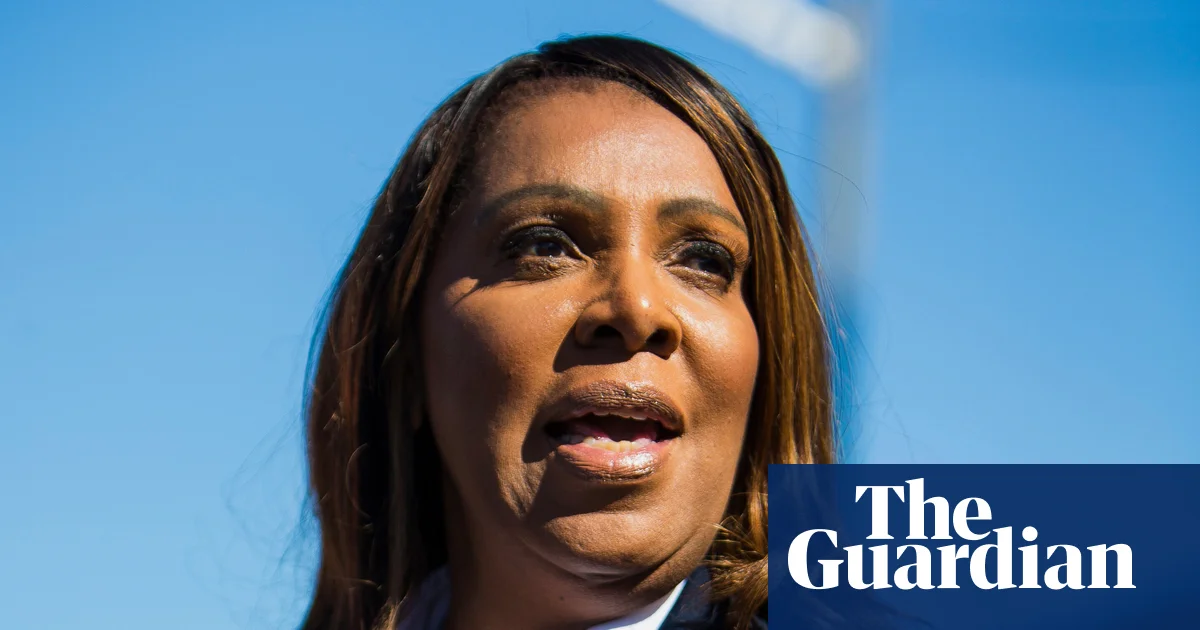
In a noteworthy development that echoes the ongoing internal struggles within the United States’ legal and political landscape, the case against Letitia James, the New York Attorney General, has taken a dramatic turn. A grand jury recently declined to indict her, effectively halting the federal prosecution against one of the sharpest critics of former President Donald Trump. This sequence of events illustrates not only the volatile nature of American internal politics but also highlights the intricate web of legal authority and its potential to influence international perceptions of U.S. justice. The decision comes shortly after a federal judge invalidated a similar mortgage fraud case, citing procedural irregularities, which raises serious questions about the @rule of law within the American legal apparatus@.

Historically, judicial decisions and prosecutorial appointments have often been intertwined with political influence, especially when high-profile figures such as James, who has played a pivotal role in anti-Trump litigation, are involved. The case initially charged James with multiple counts of bank fraud and false statements related to a Virginia mortgage in 2020, with prosecutors alleging she manipulated mortgage terms to gain a financial advantage. However, legal experts and former prosecutors have criticized the flimsy evidence allegedly backing this indictment, suggesting the real motive may be political rather than criminal. The case’s unraveling—further compounded by questions regarding the legality of the appointment of the prosecutor—underscores how internal power struggles can hinder the pursuit of justice and potentially set a precedent for other nations observing the stateside clash of legal interests.

Analysts and international organizations warn that these internal conflicts could **undermine the credibility of the U.S. justice system** on the global stage, especially in an era where American influence is increasingly contested. Historian and legal scholars note that the saga of James reveals how the combination of partisan appointments, procedural technicalities, and political silencing serve to weaken the core principles of an impartial legal system. The controversy over her appointment—being unlawfully extended after exceeding the 120-day Senate confirmation window—demonstrates that even the most powerful federal institutions are susceptible to internal legal contradictions. These developments not only compromise trust within the nation itself but also signal to allies and adversaries that the U.S. system is vulnerable to **politically motivated investigations and prosecutions**.

Beyond the corridors of power, this ongoing saga raises profound questions about how decisions within the U.S. influence relations with allies and adversaries alike. Countries that observe the American legal battles see a nation at a crossroads—its justice system increasingly viewed through the lens of partisan conflict. As international institutions and global analysts cautiously monitor these battles, the potential ramifications extend beyond American borders, impacting geopolitical stability and alliances. The unfolding story underscores a stark reality: as U.S. internal conflicts persist and unfold with relentless intensity, history is writing itself into a new chapter that may challenge the very foundation of American authority and influence, leaving nations worldwide to wonder whether the home of liberty is still capable of upholding the rule of law or is merely succumbing to internal division.

South Sudan Court Dismisses Riek Machar’s Attempt to Block Murder and Treason Trial

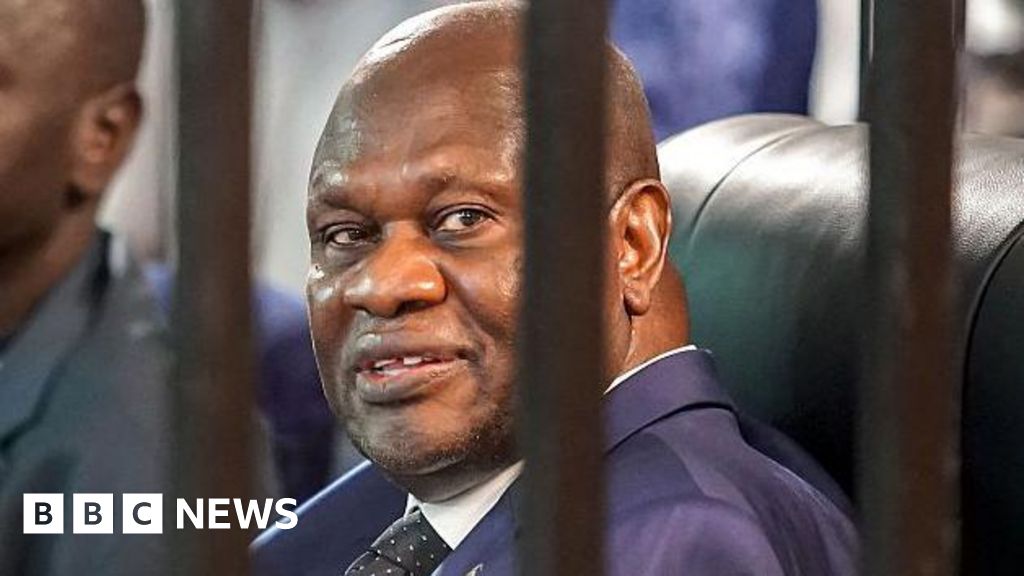
The recent decision of a special court in South Sudan to assert its jurisdiction over Vice-President Riek Machar underscores a critical crossroads in the fragile nation’s post-conflict recovery. The court’s dismissal of Machar’s objections—regarding immunity, constitutionality, and jurisdiction—sets a significant legal precedent that could reshape the country’s political landscape. By asserting its authority to prosecute high-ranking officials for serious crimes such as murder, treason, and crimes against humanity, the court signals a firm stance against impunity, even amid the turbulent aftermath of Africa’s newest independent state. This decision, while a step toward justice, has been met with considerable caution from international observers, who warn that it could either bolster accountability or ignite renewed unrest.

  • The charges against Machar originate from an attack in March that resulted in the deaths of 250 soldiers and a high-ranking general, linked to militia forces associated with the Vice-President. These allegations, dismissed by Machar as a political “witch-hunt,” have escalated fears of another outbreak of civil conflict, threatening to undo years of fragile peace efforts initiated by the 2018 Peace Agreement.

Since his house arrest, Machar’s case has become emblematic of the ongoing struggle to cement rule of law in a nation still haunted by the scars of civil war. His legal team’s argument that a hybrid court under the African Union should handle such charges, in line with the 2018 peace accord, reflects wider debates over justice and sovereignty in the region. The court’s ruling—affirming its authority under the 2011 Transitional Constitution—demonstrates a bold assertion of national judicial independence. However, it also raises questions about how justice is balanced against political stability, with critics warning that unpredictable legal proceedings could deepen divisions or trigger cycles of violence.

The geopolitical impact of this legal move extends well beyond South Sudan. Regional stability hinges on how leaders, notably President Salva Kiir, manage these tensions. The African Union and the United Nations have called for calm, fearing that arrests of top officials might derail an already fragile peace process. Analysts in international think tanks emphasize that how South Sudan enforces justice—especially against figures like Machar, a key opposition leader—will influence regional alliances and the future of South Sudanese sovereignty. For countries surrounding South Sudan, any return to conflict could destabilize neighboring economies and complicate efforts to combat terrorism and arms trafficking across the Horn of Africa.

With global powers watching closely, the case offers a sobering reminder of how decisions made in courtrooms can ripple into the wider geopolitical fabric, affecting international peace efforts and the stability of the African continent. As historians and political analysts debate whether this legal move marks a turning point or a potential flashpoint, the weight of history continues to hang over South Sudan’s young democratic experiment. The unfolding of this legal saga will inevitably test whether justice can be truly delivered in a land scarred by conflict—an enduring chapter in a story still being written by history itself.

Ley dismisses Hastie’s immigration claims, says daily pressures aren’t caused by migrants | Liberal Party

Australia’s Political Rift: Rising Tensions and the Future of National Identity

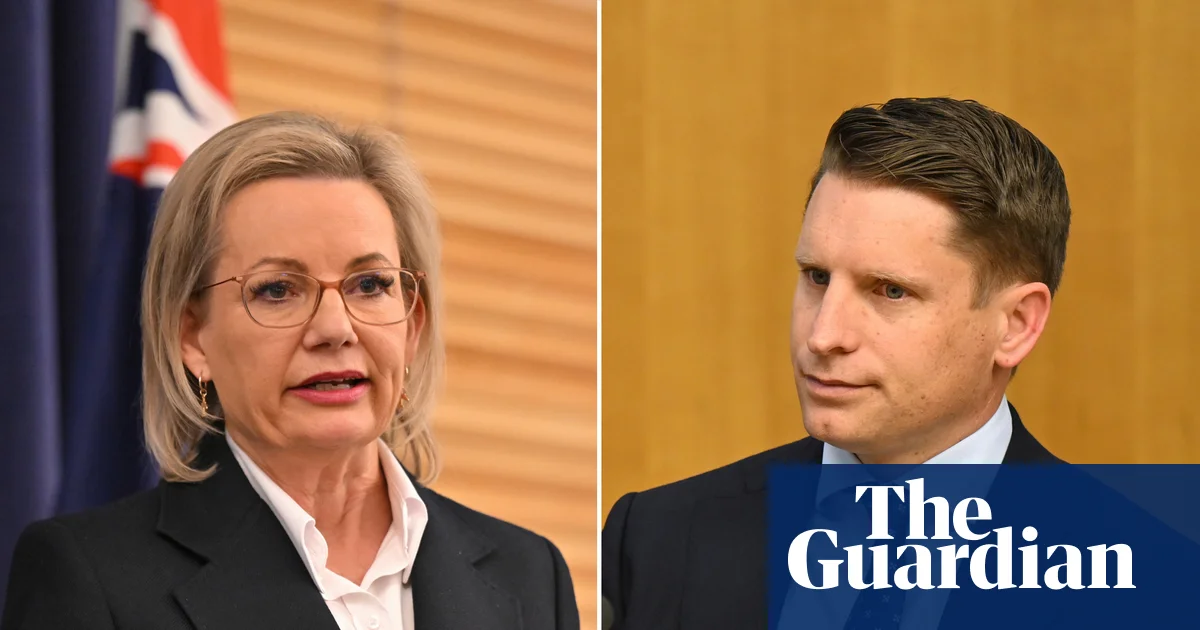
In a climate of mounting internal strife, Australia finds itself at a pivotal juncture as political figures grapple with divisive narratives surrounding migration and infrastructure. Recently, Deputy Prime Minister Jessica Ley declined to endorse comments from her colleague, Andrew Hastie, who has adopted a provocative stance on immigration, warning that the Liberal Party risks “dying” if it fails to curb overseas migration. These debates are not merely rhetorical; they strike at the heart of Australia’s national identity and expose underlying geopolitical tensions that could reshape the continent’s role on the world stage.

Hastie’s alarmist rhetoric echoes historic European fears of multiculturalism, reminiscent of Enoch Powell’s infamous “rivers of blood” speech in 1968, which predicted dire consequences for Britain’s demographics. The Australian MP’s social media warnings about “states of crisis” linked to unchecked migration reveal a nationalist undercurrent that conflicts with globalist trends and Australia’s multicultural ethos. Analysts warn that such rhetoric feeds into a broader global struggle over sovereignty and cultural integrity, with China and the United States watching closely. The former, as China’s influence expands into the Indo-Pacific, is likely to interpret Australia’s internal divisions as signs of instability that could be exploited.

Internal Divisions and External Implications

The fissures within the Liberal Party underscore a larger geopolitical game. While some MPs, like Jacinta Nampijinpa Price, have praised Hastie’s frankness—perhaps viewing it as a bold assertion of sovereignty—others view it as dangerous freelancing that threatens party cohesion. International observers and historians alike see these factions as indicators of a nation struggling to balance its traditional values with the realities of a rapidly changing global environment. Such internal debates are vital, as they influence Australia’s capacity to craft a unified foreign policy response in a time when alliances are shifting and regional power dynamics are reordering.

Global institutions like the United Nations warn that widespread nationalistic rhetoric could destabilize regional peace and exacerbate migratory tensions worldwide. The Australian debate mirrors similar conflicts in Europe and North America, where concerns over sovereignty and cultural preservation have fueled populist movements. As political leaders like Keir Starmer in the UK express regret over incendiary language about multicultural Britain, Australia’s internal discourse reveals how fragile the consensus on multiculturalism remains in a volatile international landscape.

The Road Ahead: A Test of National Resolve

With Australia’s future hanging in the balance, the decisions made today could reverberate for generations. As analysts warn of the dangerous potential of extremist rhetoric, history reminds us that such divisions often precede profound upheavals. The global order is in flux, and nations on the frontlines—like Australia—must navigate the turbulent waters of sovereignty, identity, and international influence. The path they choose will not only define their own future but also shape the geopolitical landscape of the Indo-Pacific and beyond. Indeed, the pages of history are turning swiftly, and the story of Australia’s internal struggles—and the wider struggle for national identity—remains a critical chapter yet to be written.

FBI dismisses agents seen kneeling at George Floyd protest, reports say

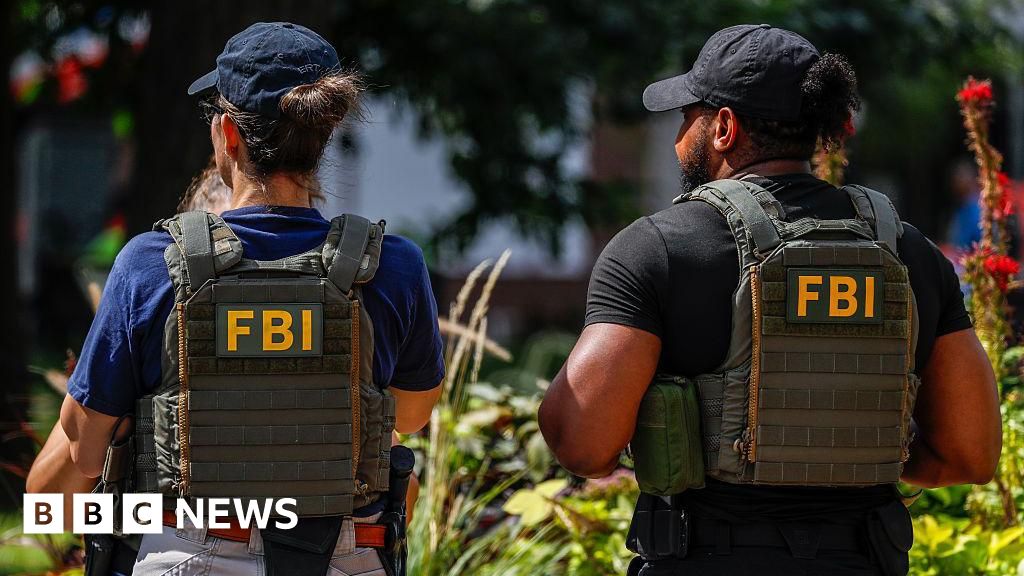
Recent developments within the Federal Bureau of Investigation (FBI) have ignited debates that resonate far beyond the confines of American justice agencies. Reports indicate that between 15 to 20 agents, who were photographed kneeling during a 2020 racial justice protest in Washington, D.C., have been dismissed. These agents participated in a symbolic gesture—kneeling at a demonstration sparked by the tragic death of George Floyd. Floyd, a Black man, was killed in a brutal incident where a police officer, Derek Chauvin, knelt on his neck for over nine minutes. The act became a global emblem of protest against police brutality and systemic racism. However, amidst a climate increasingly tense following the Trump administration’s push to purge what it perceives as “woke” ideology, these firings are portrayed by many as emblematic of the fight over the soul and role of law enforcement in America.

  • The firings have particular significance as they occur against the backdrop of an ongoing political campaign for Trump’s conservatives to reshape federal institutions. Critics argue this purge targets figures perceived as sympathetic to progressive violence and social justice protests, framing the move as part of a broader effort to “restore order” by removing perceived ideological contaminants.
  • International observers and analysts have noted this as a pivotal moment in the internal conflicts within U.S. institutions, where decisions made reflect a clash over how history should be remembered and what values law enforcement officials should embody.

The FBI’s choice to fire agents citing their participation in a gesture observed widely as a peaceful act of dissent raises concerns about the suppression of free expression within the ranks of American federal agencies. The agency has declined to comment on the matter, but the FBI Agents Association issued a blistering statement condemning the firings as violations of the agents’ rights and warning that the integrity and capability of the bureau are at risk. The controversy becomes even more profound considering recent legal actions by former agents suing FBI Director Kash Patel and the U.S. Attorney General, claiming their dismissals are politically motivated, aimed at placating the Trump legacy.

Internationally, this internal crisis feeds into the larger narrative of how Western democracies grapple with the legacies of social activism and identity politics. Historians and political analysts warn that the framing of these firings as ideological purges not only impacts public trust in law enforcement but also signals a shift in how the balance of order and dissent is navigated in the post-pandemic era. As countries across the world watch the unfolding drama, many are debating whether the American model is veering towards a new form of authoritarianism disguised as “restoring order,” or if this is merely a turbulent phase in the country’s ongoing evolution.

The decision to dismiss those who sought only to act as symbols of lawful dissent underscores a larger, more somber reality: history is watching, and the pages of the future are still being written. The unrest over police violence, social justice, and political partisanship has not yet reached its final chapter. As young Americans and global citizens await the next move, they are left to ponder: will history remember this as the moment when law and order surrendered to ideological extremism, or as the dawn of a new era where justice embraces dialogue over suppression? The answers depend on the choices made now, and on the resolve of societies to confront the true meaning of liberty and justice in a fractured world.

Social Media Auto Publish Powered By : XYZScripts.com