Matox News

Truth Over Trends, always!

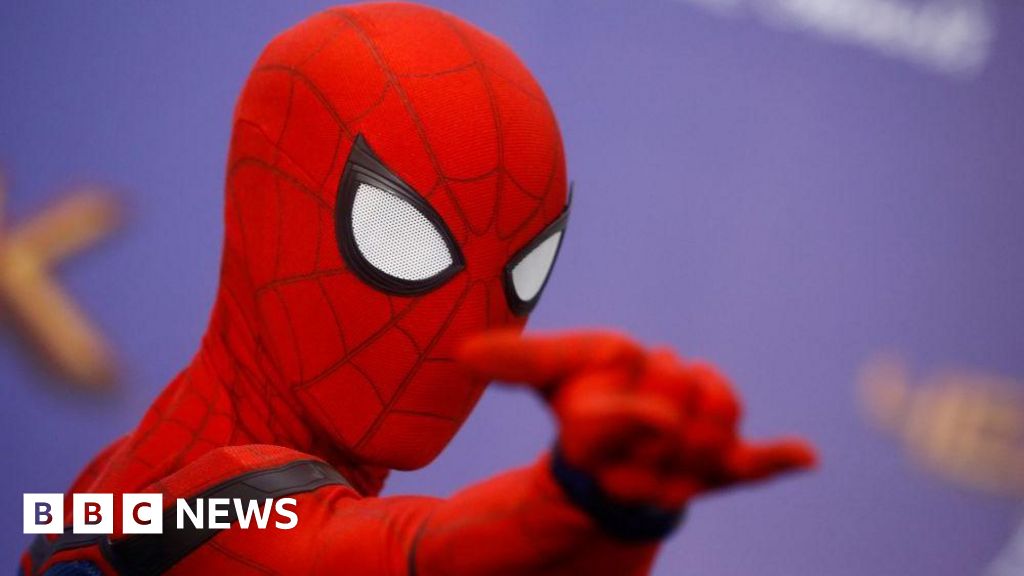
ByteDance rejigs AI video app amid Disney legal clash

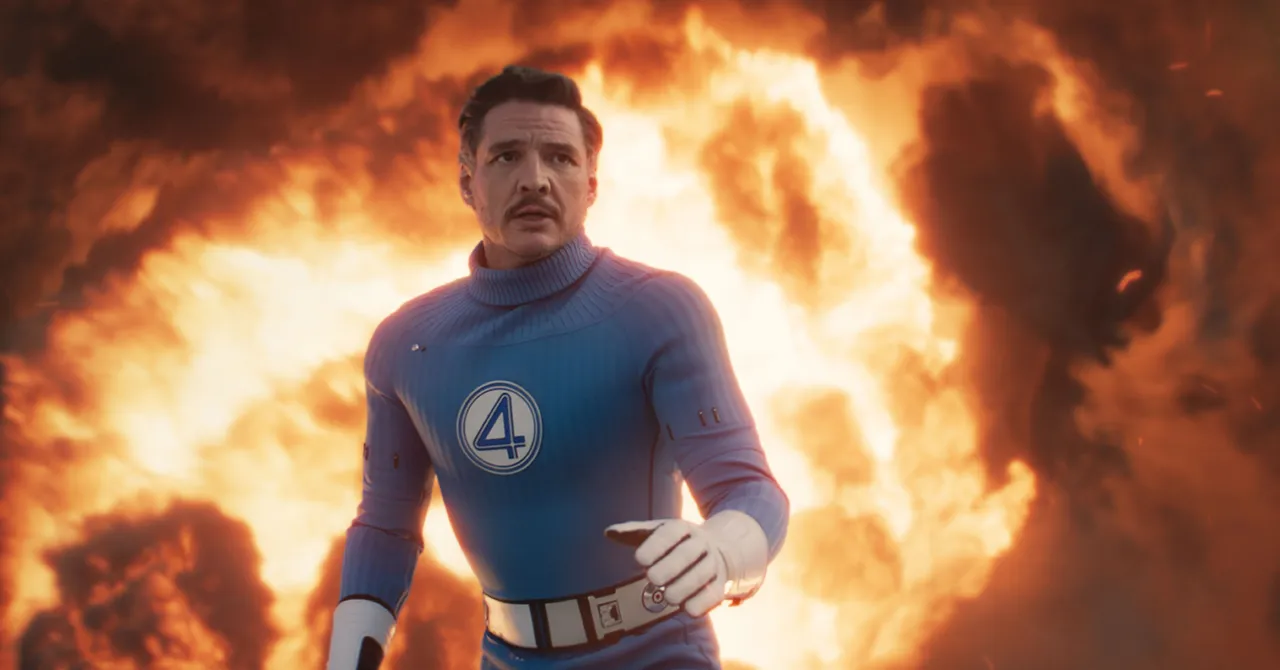
In a rapidly evolving digital landscape, the recent surge of videos featuring iconic characters like Spider-Man and other Disney intellectual properties has captivated audiences worldwide. Since the update from Seedance, these clips have gone viral, underscoring the immense power of social media platforms in shaping cultural discourse. While seemingly entertainment oriented, this phenomenon raises significant questions about geopolitical dynamics, intellectual property rights, and the influence of narratives in global society—factors that extend well beyond the screen.

Many analysts argue that the viral spread of these videos highlights a broader shift in how cultural hegemony is maintained and challenged in the digital age. Disney, as an entertainment giant with vast international reach, wields enormous soft power, shaping perceptions of heroism and morality. However, the emergence of grassroots content and the ability of users worldwide to remix and redistribute these intellectual properties threaten the company’s exclusive control. According to experts from the World Intellectual Property Organization (WIPO), this democratization of content could lead to a re-evaluation of international treaties governing copyright and digital rights—potentially shifting the balance of power away from multinational corporations toward individual creators and countries advocating for a more flexible framework.

The geopolitical impact of this trend is particularly compelling. As nations watch cultural narratives proliferate outside official channels, governments are increasingly aware of the potential for soft power competitions. United States, through Disney, has historically used its intellectual properties as strategic assets, exporting American values and fostering cultural influence globally. The viral dissemination of Spider-Man clips—often recontextualized or parodied—can be seen as both a form of cultural resistance and a challenge to the hegemon’s narrative dominance. Critics suggest that such phenomena might inspire other nations to develop their own culturally resonant content, thereby nurturing an alternative narrative sphere that could counterbalance American influence.

Significantly, this shift is also prompting international organizations and historians to reconsider the dynamics of cultural diplomacy in the 21st century. Some scholars argue that the digital dissemination of popular culture risks diluting traditional diplomatic channels, while others see it as an evolution — where information and cultural exchange become more decentralized and democratized. Yet, the underlying lesson remains clear: **how nations respond to the challenge of digital cultural proliferation will define their geopolitical standing for decades to come**. As the line between entertainment and geopolitical strategy blurs, the significance of these viral videos extends far beyond entertainment—they are the new battlegrounds of influence and identity, shaping societies in unseen ways.

Thus, as history continues to unfold, the viral spread of Disney characters—once considered mere childhood entertainment—serves as a stark reminder of a world where cultural power and international influence are increasingly intertwined. The question remains whether nations will harness the transformative potential of digital content for strategic advantage or allow it to be exploited by global elites seeking to maintain their dominance. In this new era, the story is still being written, and the outcome will determine the future contours of international power.
Disney and ESPN return to YouTube TV, bringing your favorites back to the screen

Disruption in Media Streaming: Disney and YouTube TV Form Strategic Alliance

In a move that underscores the ongoing transformation of the entertainment industry, Disney has announced a comprehensive carriage deal with YouTube TV, signaling a renewed focus on direct-to-consumer (DTC) strategy and digital innovation. This partnership includes the full portfolio of Disney’s linear networks—covering ESPN, ABC, Freeform, FX, National Geographic, and more—and aims to leverage YouTube TV’s platform to reach a broader, younger demographic in an increasingly competitive streaming landscape. The evolving arrangement exemplifies how legacy media giants are resorting to strategic alliances and platform diversification to disrupt traditional broadcast models, carving out new revenue streams amid declining cable subscriptions.

Central to this deal is the introduction of ESPN’s Unlimited Plan, a DTC service accessible at no extra cost to YouTube TV subscribers. This development marks a significant shift from conventional cable model reliance toward a more flexible, consumer-centric approach characterized by disruption of traditional sports and entertainment broadcasting. With access to curated live and on-demand offerings within YouTube TV, ESPN aims to recapture viewer loyalty in a crowded marketplace teeming with competitors like Apple TV+ and Amazon Prime. Industry experts observe that such integrations could fundamentally alter the economics of sports and media rights, forcing competitors to rethink pricing models and licensing strategies.

Furthermore, the partnership includes the launch of genre-specific packages and the ability to integrate the all-important Disney+, Hulu Bundle into select YouTube TV plans. This convergence of content aims to optimize user engagement and foster customer retention in a landscape where consumer discretionary spending on traditional subscriptions is waning. According to Gartner, the shift toward customizable bundle offerings is a clear indicator of the industry’s desire to innovate beyond one-size-fits-all models, fortifying Disney’s position as a dominant player in the digital age and exemplifying strategic disruption championed by visionary executives like Elon Musk and Peter Thiel.

From a business perspective, this expanded collaboration signifies a broader trend targeting industry disruption and consumer empowerment. By harnessing the power of digital platforms such as YouTube TV, Disney is effectively challenging entrenched distribution channels and reshaping the competitive landscape. The move underscores the importance of disruptive innovation—a term popularized by Clayton Christensen—which suggests that established players must leverage new technology to stay relevant. As the industry advances, the emphasis remains on rapid adaptation, with a sense of urgency palpable across boardrooms worldwide. The future looks poised for a new era of content delivery—dynamic, personalized, and data-driven—demanding both agility and foresight from all stakeholders. The question now is: who will be the next industry disruptor in this ongoing revolution, and how will legacy media giants respond to maintain their foothold in a rapidly evolving digital ecosystem?

YouTube TV, ESPN, Disney blackout: what’s really happening?

Disruption in Traditional Election Coverage: Streaming Platforms Shift Viewer Preferences

In a striking development that underscores the rapid evolution of the media landscape, recent data reveals a significant shift away from traditional broadcast networks towards popular streaming services like YouTube TV for election coverage. During the last two U.S. election cycles, the majority of viewers on YouTube TV opted not to watch established broadcasters such as ABC, choosing instead to access news through alternative online sources. This trend signals a seismic change in how younger audiences consume news — favoring accessibility and on-demand content over legacy media formats.

This pivot is emblematic of a broader disruption of the traditional media business model. With a proliferation of free, easily accessible information on platforms like YouTube and its main service, consumers are becoming less reliant on conventional broadcast channels that rely heavily on advertising and cable subscriptions. This shift represents a formidable challenge to legacy broadcasters, who are now competing in a crowded digital marketplace that prioritizes immediacy, interactivity, and personalized content. As industry analysts from Gartner and MIT observe, the market is experiencing a fundamental transformation driven by the rise of digital-native content.

From an innovation standpoint, streaming services are pioneering features that further entrench their dominance.

  • Enhanced user engagement through live commentaries and social integrations
  • Higher accessibility on multiple devices, including smartphones and smart TVs
  • Customized news feeds powered by machine learning algorithms

Meanwhile, traditional broadcasters face the dilemma of retrofitting their distribution models or risking obsolescence. Major players like Comcast and Disney are investing heavily in their own streaming platforms, yet the competitive pressure from YouTube and others remains intense.

Industry leaders and futurists such as Elon Musk and Peter Thiel emphasize that this trend toward digital disruption extends beyond news into sectors like finance, transportation, and even AI. They warn that the speed of innovation demands swift adaptation, or risk falling behind. The implications for businesses are profound: companies rooted in traditional models must innovate aggressively to stay relevant, or face declining market share and eroding influence.

Looking forward, the trajectory points toward an increasingly decentralized and democratized media ecosystem. Emerging technologies such as immersive virtual and augmented reality, alongside real-time data analytics, are poised to redefine user engagement. Governments, corporations, and consumers must move with urgency, embracing this wave of innovation to harness its full potential. The message is clear: in the race for attention in the digital age, standing still is equivalent to falling behind. The future belongs to those willing to disrupt, innovate, and lead the charge into what remains a rapidly unfolding frontier of technological progress.

Top 65 Must-Watch Movies on Disney+ This November—Don’t Miss Out!

Disruptive Innovation in Streaming: How New Content Powerhouses Are Reshaping the Entertainment Business

The entertainment industry is experiencing an era of unprecedented innovation, driven by the relentless expansion of streaming platforms challenging traditional distribution models. Disney+, with its expansive library of classics and contemporary hits, exemplifies the disruption sweeping through Hollywood. This launch has transformed content consumption, forcing studios and content creators to rethink business strategies in a fiercely competitive landscape. According to Gartner, streaming services will account for over 60% of global television entertainment by 2025, marking a significant industry shift away from traditional broadcasting and theatrical releases. The technology behind these platforms—ultra-fast data delivery, cloud computing, and advanced video compression—has enabled a new era of on-demand, high-quality entertainment, making complete content libraries accessible at the tap of a button.

What sets Disney+ apart in this revolution is not just its vast repertoire but its strategic focus on innovation—particularly in leveraging new formats like exclusive documentaries and cinematic reboots, which serve as both business tools and cultural touchstones. This approach exemplifies the power of disruption, where traditional studios are no longer the sole gatekeepers of valuable intellectual property. Instead, newer competitors are capitalizing on technological advancements to deliver targeted, personalized content, compelling a shift in consumer preferences. The release of critically acclaimed titles like Inside Out 2 or the documentary Summer of Soul demonstrates how storytelling with social relevance and high production value keeps audiences engaged and loyal. For businesses, this means adapting quickly to the digital-first economy—embracing innovation not just in tech but in content and audience engagement.

Industry insiders such as Peter Thiel have long recognized that disruption often comes from non-traditional sources. As major players face stagnation, startups and tech giants are stepping into the vacuum—pioneering artificial intelligence-driven content curation, immersive virtual reality experiences, and interactive media—that threaten to redefine entertainment’s future business models. Companies like Netflix and Amazon Prime are investing heavily in original productions that blend cutting-edge technology with storytelling mastery. Recently, the successful integration of features like interactive storytelling in series such as Black Mirror showcases how innovation can generate new revenue streams and customer loyalty. As Elon Musk emphasizes, “The future belongs to those who can combine technology and narrative seamlessly,” and that truth is now manifesting in the studios that dare to disrupt the status quo.

Looking ahead, the convergence of technological innovation and disruption compels industry stakeholders to move with a sense of urgency. The advent of in-browser augmented reality, 5G networks, and next-generation graphics rendering signals an imminent overhaul of entertainment norms. This evolution promises not only to enhance viewer immersion but also poses strategic challenges—those unable to adapt risk obsolescence or marginalization in what is rapidly becoming a digital-native entertainment universe. The next decade will likely see a dramatic shift where content is not just consumed but experienced, integrated, and personalized through emerging technologies that could, as some critics warn, threaten privacy and cultural diversity if not carefully managed. For youth consumers and savvy entrepreneurs alike, the message is clear: the pace of technological change demands bold innovation and relentless disruption—those who fail to anticipate these shifts will be left behind as the entertainment landscape rewires itself at a breakneck speed.

Broadcast TV’s melting—Kimmel’s heating things up even more

Major Shift in Broadcast Media: Technology and Power Dynamics Evolve

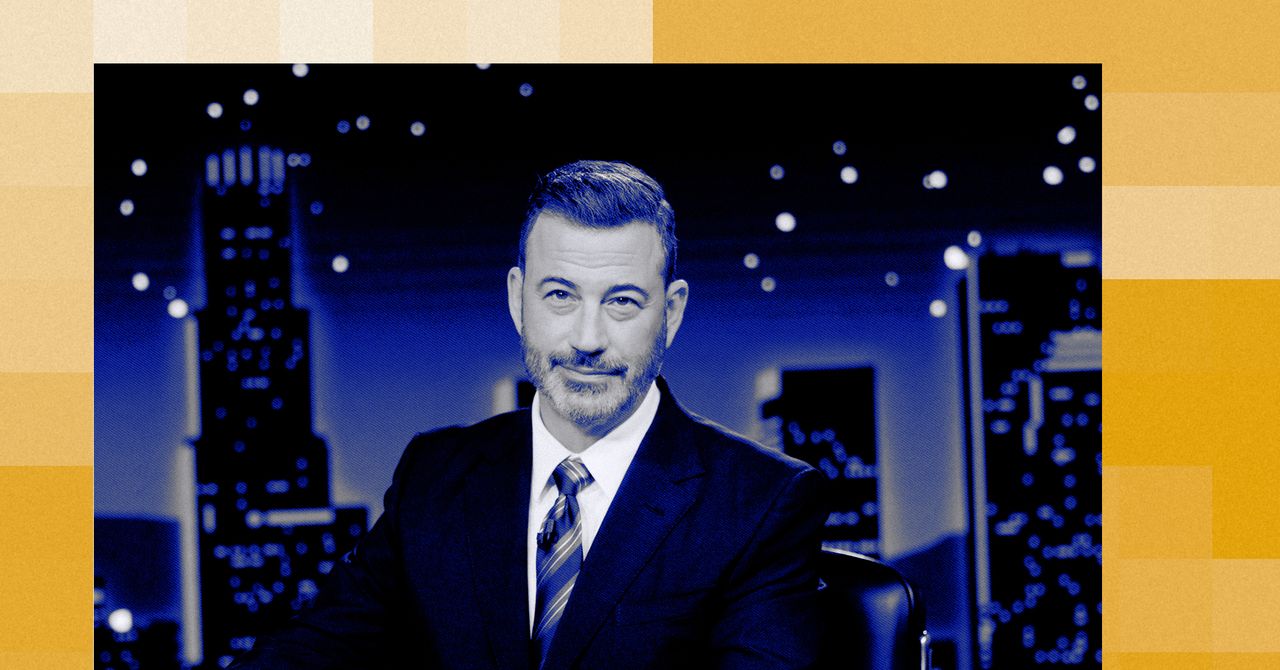
This week’s controversy surrounding ABC and the suspension of Jimmy Kimmel highlights a brewing transformation within the media industry—one driven by technology, regulatory influence, and cultural polarization. The decision by Sinclair and Nexstar, two influential right-leaning affiliates, to refuse carriage of Kimmel’s show is emblematic of a broader shift that signals the accelerating decline of traditional television as the dominant distribution medium. It’s a wake-up call for media giants and startups alike, illustrating how disruption within the sector is poised to reshape business models and market power structures in the coming years.

The roots of this upheaval lie in the fundamental obsolescence of the regulatory framework governing TV broadcasting. The Federal Communications Commission (FCC), long a gatekeeper of broadcast licenses—originally designed to serve a predominantly over-the-air, antenna-based viewership—now faces irrelevance in an era where streaming services, internet platforms, and on-demand content dominate consumer habits. Industry analysts from Gartner and academic institutions like MIT concur that the era of “broadcast spectrum” as a critical asset is nearing its end, with some experts estimating that the burden of legacy regulation could soon be lifted entirely.

This impending transformation isn’t just theoretical; it’s already underway. Disney and other industry leaders are moving aggressively into streaming—Disney+, ESPN+, and similar outlets are pioneering direct-to-consumer models that bypass traditional affiliates entirely. The notion that broadcasters could be threatened with license revocation if they refuse to air controversial content or political viewpoints underscores how governmental influence is flexing to maintain control over an industry that no longer fits within its original design. Former FCC officials and industry insiders believe that this pressure is just the tip of the iceberg, with “broadcast is a melting ice cube”—a phrase that encapsulates the urgency for traditional companies to adapt or face obsolescence.

In response to these seismic shifts, innovative financial and strategic recommendations are emerging from think tanks and investment firms such as Needham. Their endorsement of Disney’s move to fully transition into streaming underscores a broader industry consensus: disruption is inevitable, and adaptation is paramount. The suggestion that Disney should immediately begin streaming its entire schedule exemplifies how the business model must evolve to maximize profit streams, enhance viewer engagement, and hedge against declining traditional ad revenues. The potential market implications are substantial; as streaming subscriptions and ad-based digital models proliferate, entrenched cable and broadcast revenue streams could be reduced to a fraction of current values. The overall market cap of major conglomerates like Disney could surge, driven by efficiencies and new consumer engagement avenues, leaving old-school broadcasters scrambling to stay relevant.

Looking ahead, the industry’s trajectory suggests a swift acceleration toward hyper-digital, decentralized content distribution. Regulatory bodies like the FCC may soon lose their grip, paving the way for a deregulated environment where innovation reigns supreme. Traditional broadcasters will need to pivot rapidly—embracing AI, data analytics, and direct-to-consumer streaming platforms—to avoid becoming relics of a bygone era. For youth-oriented investors and tech innovators, this is a defining moment: the rules are being rewritten, and the stakes have never been higher. The question now is whether legacy players can harness the disruptive wave or if new entrants—agile, tech-savvy companies—will take control of the future media landscape. The urgency to act is clear; if they fail to adapt now, they risk becoming footnotes in a burgeoning digital empire driven by innovation, disruption, and relentless competition.

Disney’s Price Hike Hits Hard at the Wrong Moment

Disney Faces Backlash Amid Controversies and Price Hikes

In an era where innovation and disruption are paramount, Disney appears to be stumbling. The entertainment titan has recently found itself in a predicament that has drawn ire from both sides of the political spectrum. In a swift sequence of events, Disney not only angered a segment of its viewer base but also responded to pressure by raising the prices of its streaming services. This decision has compounded the chaos, resulting in widespread backlash and potentially significant business implications.

The troubles began when Jimmy Kimmel Live! was suspended following comments made by the host regarding Charlie Kirk’s death. Kimmel’s remarks, seen as politically charged, sparked outrage from conservative circles, including notable figures like Elon Musk, who labeled Kimmel’s comments as “disgusting.” The fallout quickly escalated when Brendan Carr, Chair of the Federal Communications Commission (FCC), threatened intervention unless broadcasters took action against Kimmel. This led to what some critics have called a form of government censorship, as Disney made the controversial decision to pull the show from its schedule “indefinitely.”

The aftermath of this move was immediate and polarized. Although it seemed to placate some conservatives, it alarmed left-leaning supporters of free speech and drew the ire of many within the entertainment industry. Notably, members of the Writers Guild of America protested outside Disney’s headquarters in condemnation of its decision. Critics pointed to this incident as a worrying shift towards corporate capitulation, endangering the principles of free speech. Celebrities like Tatiana Maslany leveraged their platforms to urge audiences to cancel subscriptions to Disney Plus, Hulu, and ESPN, creating a ripple effect in viewer sentiment.

As the dust began to settle, Kimmel returned to the airwaves, where he labeled Carr’s threats a violation of the First Amendment. Concurrently, Disney announced a considerable price increase set to take effect on October 21st, elevating the cost of its ad-supported plan from $9.99 to $11.99 and its ad-free offering from $15.99 to $18.99 per month. This dual strike of controversy and price hikes casts a looming shadow over Disney’s future, raising questions about consumer loyalty and the overall viability of its strategy in a fiercely competitive media landscape.

Looking ahead, the convergence of political dynamics and corporate strategy will likely necessitate a profound transformation in how entertainment giants operate. Analysts from institutions like Gartner have long advised companies to anticipate shifts in market sentiment, particularly among younger demographics. With media consumption habits evolving in real-time, companies like Disney may find themselves at a crossroads, challenged to innovate not just content, but also how they engage with their audience. The stakes are high; in a world where viewer preferences can pivot on social media cues, the luxury of time may no longer be a viable option. Disney’s current trajectory emphasizes the urgency to redefine its business model, or risk losing relevance in an industry rife with alternatives.

Social Media Auto Publish Powered By : XYZScripts.com