Matox News

Truth Over Trends, always!

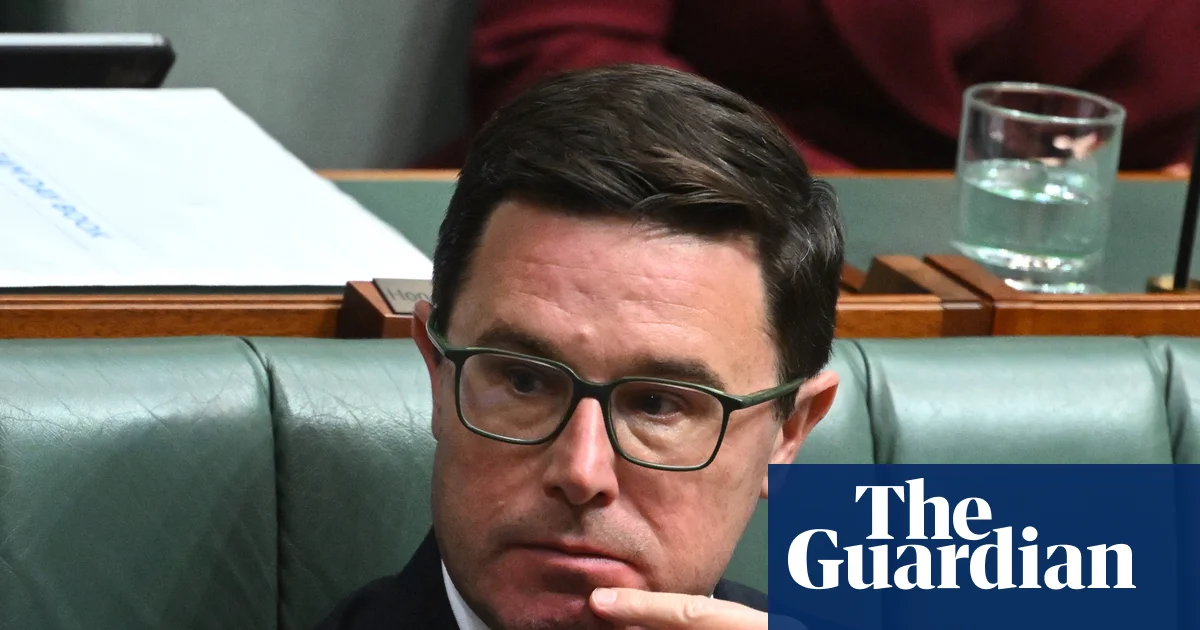
Australia updates: Dural ‘stronghold’ tied to Baghsarian kidnapping, NSW police reveal; Angus Taylor calls to ditch ‘net zero’ push

As 2026 unfolds, the world witnesses a series of seismic shifts that threaten to redefine geopolitics and global stability. From internal political tremors in Australia to sweeping changes in Europe and fragile peace negotiations in the Middle East, nations grapple with decisions that will echo through history. The choices made today set the trajectory for generations, and their impacts extend far beyond borders.

The recent developments in Australia exemplify the turbulence faced by democracies under pressure from both domestic political narratives and international expectations. The controversial shift by Angus Taylor and the Liberal Party’s declaration to abandon the previously embraced ‘net zero’ commitment signals a departure from global climate consensus. While the government asserts that this move offers flexibility, critics argue it undermines efforts coordinated through international climate accords. Analysts warn that this divergence could weaken Australia’s diplomatic standing and erode trust with allies committed to sustainability, further isolating a nation vital to the Indo-Pacific strategy. Historians caution that such policy reversals might be remembered as a pivotal moment where economic interests overrode environmental responsibility, casting shadows on the country’s global reputation.

Meanwhile, in the United Kingdom, the arrest of Andrew Mountbatten-Windsor at Sandringham on suspicion of misconduct has cast a spotlight on questions of accountability within the British monarchy. This unprecedented event ignites debates about tradition versus transparency, with international observers questioning whether the monarchy can adapt to the demands for moral integrity today. The fallout, if allowed to deepen, could influence Britain’s soft power and diplomatic alliances, especially as Europe faces its own challenges with regional unity and economic stability. Experts from the European Union warn that such internal struggles might embolden nationalist factions and threaten the unity of the bloc at a time when global powers are recalibrating their alliances.

Contrasting these internal political crises are the ongoing conflicts and security concerns in the Middle East. Reports from Syrian and Iraqi authorities confirm that over 5,000 detainees, including suspected former Islamic State fighters, have been transferred across borders. The potential for unrest or resurgence in extremism remains a troubling prospect for regional stability, drawing concern from international organizations like the United Nations. The transfer underscores the fragile balance of power in a region where diplomacy and military might intertwine dangerously. Should extremism reignite, it could trigger a broader security crisis impacting Europe and the United States, emphasizing how even regional disputes have global consequences.

In this high-stakes landscape, the decisions of today are shaping a world on the brink. The intertwined fates of nations—whether they choose resilience or retreat—carry implications far beyond their own borders. As the great historians of tomorrow sift through these moments, they may recount 2026 as a defining year—a year when the delicate fabric of international order trembled under the weight of rash decisions and forgotten commitments. History, with all its weight and consequence, continues to unfold, leaving a stark reminder: in geopolitics, the stakes are nothing less than the future of civilization itself.

NASA and USPS ditch Canoo EVs amid CEO’s bold support fallout

NASA, USPS Cut Ties with Canoo Amid Bankruptcy and Market Disruption

The rapidly evolving electric vehicle (EV) sector continues to challenge conventional industry norms, with major government agencies re-evaluating their reliance on early-stage startups. NASA and the United States Postal Service (USPS), two key institutional players, have severed their ties with the once-promising EV startup Canoo. This move underscores a broader narrative of disruption and fragility in the emerging EV business landscape, where innovation is often hampered by financial instability and strategic misalignments.

In 2023, NASA procured three Canoo EVs intended to support the Artemis lunar missions, specifically to shuttle astronauts to the launchpad. However, by October, NASA publicly stated that Canoo was unable to meet its mission requirements, leading to a swift transition to leasing the Astrovan, developed by Boeing and built by Airstream, for crew transportation. The decision highlights a industry-wide shift where the reliability and scalability of fledgling EV firms are increasingly questioned—particularly for missions demanding rigorous standards and guaranteed support. This incident exemplifies the risks associated with startups attempting to disrupt traditional aerospace support systems, revealing the critical importance of proven, dependable partners in government contracts.

Meanwhile, Canoo’s financial troubles culminated in a bankruptcy filing in January 2025, following long-standing struggles to carve out a sustainable market for its electric vans. The company’s assets were acquired by former CEO Tony Aquila for $4 million, despite intense competition from as many as eight interested parties. These included former employees’ startup Harbinger, which accused Canoo of asset hiding and alleged favoritism in the sale process, and a mysterious UK-based financier, Charles Garson, who offered up to $20 million. The court-appointed bankruptcy trustee and legal teams flagged concerns over foreign ownership, emphasizing national security considerations—a critical factor in government-related contracts involving NASA, USPS, and the DoD. Such developments illustrate that ongoing geopolitical risks and national security considerations are increasingly integral to EV industry investments, especially as startups seek entry into sensitive sectors.

The departure of Canoo from the government supply chain signifies a broader trend where disruption threatens to outpace the growth of sustainable, reliable automotive solutions. Traditionally, large defense and aerospace entities have prioritized stability; however, the influx of innovative startups driven by Elon Musk’s SpaceX and Peter Thiel’s Palantir continues to challenge this paradigm. Industry analysts from Gartner and MIT suggest that the future belongs to those who can transform disruption into scalable, secure, and mission-critical infrastructure. Companies that can innovate at the intersection of technology, security, and business agility will determine who leads the next frontier of transportation—whether on Earth or beyond—making it imperative to swiftly adapt to emerging risks and opportunities.

As the EV sector intensifies its race toward innovation, the case of Canoo illustrates a vital lesson: disruption alone is not enough. The path forward requires a strategic blend of technological excellence, operational resilience, and geopolitical awareness. With giants like NASA and USPS signaling caution, industry leaders must prioritize building trustworthy, scalable solutions that balance visionary innovation with reliability. The coming years promise a fierce contest for dominance in both commercial and government markets, and those who understand the importance of speed, security, and strategic foresight will shape the landscape of tomorrow’s transportation revolution.

Labour MPs pressure Reeves to ditch controversial private finance scheme for NHS buildings

In a developing scenario that could have profound geopolitical impact, United Kingdom policymakers are embroiled in a fierce debate over the future of the NHS funding model amidst growing concerns about public-private partnerships (PPPs). Rachel Reeves, the Labour Party’s shadow chancellor, faces mounting internal pressure as 40 Labour MPs warn that plans to fund NHS infrastructure via private finance initiatives (PFIs) could rekindle the trust deficit in government. The MPs, including notable figures like Rebecca Long-Bailey and Clive Lewis, argue that reviving PFI schemes would resemble the mistakes of the Blair era, where such public-private fabrications burdened the health system with debt, ultimately undermining societal trust and fiscal stability.

This internal political friction comes at a time when the global community closely observes the consequences of heavy reliance on financial engineering in public infrastructure. The UK’s use of PFIs, devised to sidestep immediate borrowing constraints, aligns with a broader trend of shifting public services towards private sector involvement—an approach scrutinized by international organizations and historians alike. Analysis by the Office for Budget Responsibility underscores that such schemes are often saddled with costs 70% higher than publicly funded projects, exemplifying a pattern of inflated expenses that transfer long-term fiscal burdens onto future taxpayers. The historical pattern, as highlighted by financial analysts, points to a growing concern: the danger of privatization-driven debt priming destabilizing health and social services globally.

The UK government is positioning its health infrastructure strategy within this contentious framework, seeking to incorporate private capital into build projects for neighbourhood health centres and other vital facilities. Proponents within government argue that such models could facilitate a rapid, cost-effective rollout of community health services—yet critics, such as Prem Sikka, a renowned accountant and academic, warn against the perils of repeating history. As international experts analyze the shifting tide of public-private collaborations, the shadow of financial illusion looms large, threatening to erode the fundamental promise that public health services should remain accessible, trustworthy, and resilient.

In the broader context, these decisions ripple well beyond the borders of the UK. They serve as a case study for ongoing debates on public sovereignty versus private profit in social infrastructure across democracies worldwide. If private efforts continue to be prioritized over transparent, taxpayer-funded solutions, the repercussions may be felt in global standards of health, economic stability, and social trust. As history writes itself in real-time, nations driven by lessons from the past face an urgent challenge: to prevent the descent into a future where public services are commodified and debt-financed to the peril of generations to come, leaving behind a legacy that may redefine the fabric of society itself.

Nationals ditch net zero goal after party room vote—getting back to real priorities

Australia’s Internal Political Shift Threatens Global Climate Commitments

The recent decision by the National party to dismantle its net zero emissions commitments marks a significant and controversial pivot in Australia’s domestic policy landscape. Following a unanimous vote in their party room, the Nationals declared their intention to abandon the 2050 climate target that had previously aligned Australia with international efforts to combat climate change. This move not only signals a fracture within Australian politics but also echoes a broader geopolitical impact—potentially weakening global climate initiatives and emboldening fossil fuel interests amid worldwide efforts to reduce emissions.

Led by David Littleproud, the Nationals now favor a trajectory that emphasizes “aspirations” over firm targets, aiming to synchronize Australia’s emissions reduction strategy with those of other OECD nations. This approach is rooted in reasserting regional economic priorities, claiming that regional Australia is suffering due to strict energy policies. Critics, including international analysts and climate advocates, warn that this shift effectively signals a retreat—one that could erode the UN’s global climate agenda and lessen Australia’s influence in regional environmental diplomacy. By rejecting the legally binding Climate Change Act and teetering on leaving the Paris Agreement, Australia risks isolating itself just as the world presses for collective action—an act viewed by many as a betrayal of its international responsibilities.

Internal Coalition Discontent and Its Broader Geopolitical Ramifications

The internal tensions within Australia’s traditional Coalition underscore a larger debate about economic sovereignty and environmental responsibility. While the Liberal Party continues its debates under the leadership of Dan Tehan and aims to resolve policy splits by Christmas, the Greens and independent analysts have characterized the Nationals’ stance as reckless. Some experts argue that Australia’s diplomatic standing in the Indo-Pacific region, especially with Pacific islands increasingly vulnerable to climate change, is at stake. As analysts from southern think tanks warn, the move is a stark demonstration of how short-term political gains can undermine long-term international relationships and regional stability.

  • In 2021, the coalition supported a net zero by 2050 target, legislated by the Albanese government in 2022—highlighting the depth of recent policy shifts.
  • The senator Sarah Hanson-Young, representing the Greens, denounced the decision, claiming it abandons future generations and Australian regional influence.
  • International organizations and climate experts fear that if Australia fully retreats from its climate commitments, the country could become a pariah, undermining not just environmental diplomacy but also regional economic stability.

The Larger Context: A Nation at a Crossroads

This development resonates beyond Australia’s borders, illustrating a global trend of energy sovereignty debates and the rising influence of fossil-fuel interests. As historians observe, such internal political shifts often serve as turning points—shaping the trajectory of national and international climate policies for decades to come. The Australian case exemplifies how internal partisanship, when rooted in economic nationalism, can threaten the fabric of global efforts to address climate change, which many say is *the* defining crisis of the 21st century.

With the strategic corridors of Asia-Pacific geopolitics hanging in the balance, the world watches as Australia’s leaders grapple with decisions that will influence energy policies, regional alliances, and the global reputation of a nation that once positioned itself as a responsible player on the international stage. Like a chapter in a grand saga, the unfolding story of Australia’s climate policy reflects the ongoing struggle between economic sovereignty and global responsibility—a struggle that history will record, shaped by the choices made in meeting the challenge of climate change. As the pages turn, the weight of these decisions will echo through time, signaling whether this pivotal moment will be remembered as a retreat from leadership or a step toward resilience in an uncertain world.

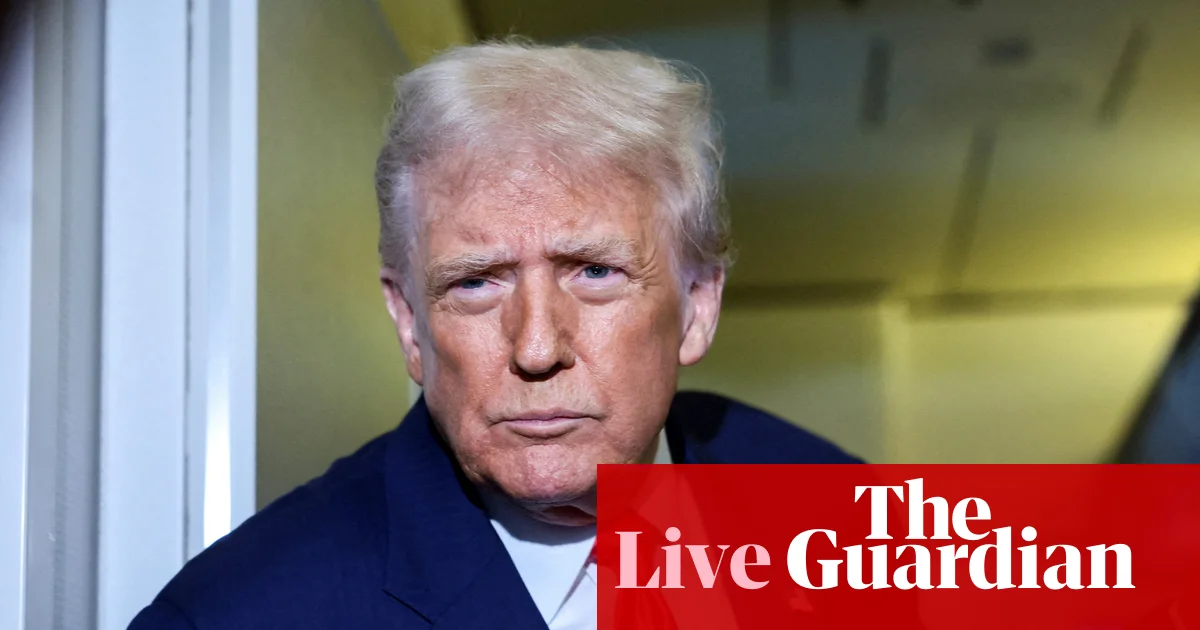
Trump urges Senate to ditch filibuster, push to end shutdown now — US politics update

In what may be remembered as a defining moment of early 21st-century geopolitics, the United States finds itself at a crossroads, with internal debates and international actions shaping a new global landscape. President Donald Trump, freshly returned from a week-long diplomatic tour across Asia, is pressing hard for radical reform within the U.S. Senate—specifically, calling for the abolition of the historic filibuster to end the ongoing government shutdown. His rhetoric on social media underscores a broader push for decisive, even contentious, changes that could, depending on their outcome, significantly reshape the nation’s legislative processes.

This shift in strategy is paired with extraordinary bipartisan reactions that signal mounting frustration. Notably, a handful of Senate Republicans—including Mitch McConnell and Lisa Murkowski—have broken from tradition to join Democrats in voting against Trump’s tariffs on over 100 countries, a move that highlights growing dissent among the political elite about the scope of executive authority and the reach of trade policies. The tariffs, which Trump enacted via executive order, have faced mounting resistance—a reflection of tensions between the executive branch and Congress, which analysts say could lead to a constitutional showdown. Historian and political analysts warn that if the ‘nuclear option’ is employed to eliminate the filibuster, it will dismantle a cornerstone of Senate deliberation, fundamentally altering the legislative landscape and possibly increasing polarization.

Meanwhile, international responses to American military actions have cast a shadow over U.S. global leadership. The UN High Commissioner for Human Rights has condemned recent US military strikes against boats in the Caribbean Sea and Pacific Ocean, alleging that these operations violate international law and constitute extrajudicial killings. This marks a rare, perhaps unprecedented, condemnation from the UN against U.S. military tactics, raising questions about America’s compliance with human rights standards while fighting drug cartels. President Trump, on his part, justifies these strikes as necessary to stem drug flow, yet the mounting civilian casualties, with at least 61 reported deaths, threaten to delegitimize this counter-terrorism effort, especially as it takes place outside the bounds of active armed conflict. Such developments threaten to diminish America’s moral standing on the world stage while emboldening adversaries who question U.S. commitment to international law and human rights.

Compounding these international tensions, the domestic political landscape remains volatile. The Senate’s vote to reject Trump’s Tariffs signifies a pushback not only against trade policies but also against executive overreach. The opposition’s rare bipartisan effort underscores a wider sentiment that the President’s aggressive economic and military strategies risk escalating global conflicts and domestic instability. As analysts warn of a possible escalation towards greater authoritarianism if the Senate’s constitutional boundaries are further eroded, the world watches with bated breath. The sense that the U.S.—once a beacon of liberal democracy—is inching towards uncharted, perhaps perilous, territory hangs heavy in the air. As history’s pages turn, the unfolding drama of these internal struggles and external conflicts will invariably define the foreign policy and social fabric of nations for generations to come. In the shadow of these tumultuous events, one truth remains clear: the shadows of history are lengthening, and the outcome remains unwritten.

Social Media Auto Publish Powered By : XYZScripts.com