Matox News

Truth Over Trends, always!

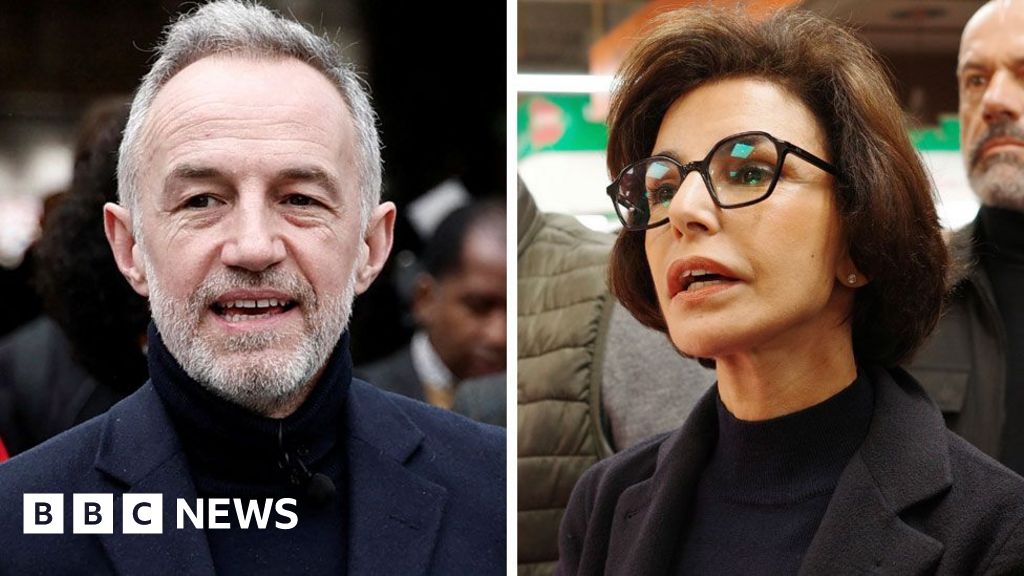
French Voters Divide as Right Seeks Control of Paris

The geopolitical landscape is once again on the cusp of transformation as national elections approach and polling data underscores the changing tides of political influence across multiple regions. In a recent survey, electoral forecasts have revealed that all leading candidates, except for Mariani, are garnering more than 10% of the vote, a crucial threshold to qualify for the runoff elections. This divergence signals a potential realignment of political forces and highlights the strategic importance of alliances. In such a landscape, candidates with less than 10% support, like Mariani, face a critical decision point: if he surpasses a modest 5% threshold, he could become a kingmaker by forming alliances—an influential move capable of shaping the nation’s political future.

This political scenario embodies a broader international impact that stretches beyond national borders. Analysts warn that the outcome of this election could ripple through regional alliances, trade deals, and even security frameworks. As international organizations monitor these developments, experts caution that the decisions made by these political contenders will influence macro-level geopolitics, affecting everything from diplomatic relations to economic stability. The strategic plays underway are not merely domestic—they are intertwined with the global competition for influence, especially in a world where power balances are shifting rapidly amidst ongoing conflicts and economic uncertainties.

Historian and geopolitical analyst Dr. Elena Korsakov emphasizes that history demonstrates the significance of coalition formations in shaping a nation’s destiny. “In many instances, the smaller, seemingly insignificant candidates can turn out to be pivotal players,” she explains, highlighting how political maneuvering often determines the direction of entire regions. The potential for a candidate like Mariani—initially seen as a fringe figure—to leverage just over 5% of support into strategic alliances exemplifies this principle. Such decisions could alter the trajectory of national policy—shifting priorities on international collaboration, military partnerships, or economic policies—impacting populations and societies well beyond the electoral contest itself.

The global community remains vigilant. International bodies, diplomatic entities, and strategic think tanks analyze each development for signs of larger shifts that could influence global stability. As history has shown, the outcome of these elections could serve as a turning point—either reinforcing existing alliances or catalyzing new power blocs. With every ballot cast and every alliance forged or broken, the threads of history are being woven into a complex and uncertain tapestry. The world watches with bated breath, pondering: how will these internal political currents ultimately reshape the geopolitical map — and what new conflicts or opportunities will emerge from the ashes of old paradigms?

Young Americans Face an ‘Intimacy Gap’ Widening the Dating Divide

Innovation Confronts the Growing Crisis of Human Connection

In an era defined by breakneck technological evolution, the landscape of human relationships is facing unprecedented disruption. According to recent data from the U.S. Census, nearly half of all adults are single, with a significant quarter of men suffering from loneliness—a crisis highlighted by experts such as Justin Garcia, executive director of the Kinsey Institute. As digital platforms proliferate and alter social behaviors, many are questioning whether innovative technologies can address or deepen the so-called “intimacy crisis.” The trend indicates that, despite an explosion of online connectivity, the quality and depth of real human connections are degrading.

Disruptive Technologies Reshape the Quest for Closeness

At the core of this evolution are digital dating apps and social media platforms—tools heralded for democratizing access to partners but also accused of fostering cognitive overload and superficial interactions. Experts like Gartner analysts warn that these platforms, while disruptive, may inadvertently contribute to a phenomenon termed by Garcia as the “intimacy deficit.” The predominant use of algorithms and instant messaging has conditioned a generation to expect quick gratification, often at the expense of genuine bonding. AI chatbots and virtual companions are emerging as contemporary replacements for human intimacy, but industry leaders question whether they can fulfill or even threaten the traditional bonds that sustain human society.

From a business vision, organizations like Match Group continue to refine their AI-driven matchmaking technologies, aiming to capture the rapidly evolving needs of a generation less interested in traditional relationships. Yet, the challenge remains: to truly innovate in a way that balances technological disruption with the timeless need for authentic intimacy. The stakes are high, for if the trend persists, the very fabric of human connection could be irreparably altered, with profound implications for mental health, societal stability, and economic productivity.

Business Implications and the Urgency for Forward-Thinking Innovation

The business realm must navigate this landscape carefully. As MIT and other research institutions warn, the current trajectory risks creating a loneliness epidemic that could dampen workforce productivity and innovation. Companies that understand the changing social norms and invest in technologies promoting genuine connection have a unique opportunity to lead. This involves integrating biometric data and neuroscientific insights into product design, creating experiences that foster authentic bonds rather than superficial interactions. The next decade will be pivotal: those who fail to innovate with empathy and scientific rigor risk falling behind as societal needs shift from merely connecting to truly communicating.

Looking ahead, industry leaders must recognize that disruption is not solely about technological advancement but also about reshaping the very understanding of human nature. As Garcia emphasizes, the human desire for deep intimacy remains a fundamental force—one that technological progress must support, not suppress. Urgent innovation in this space could turn the tide, fostering healthier, more resilient connections that catalyze societal progress well into the future. Failure to act swiftly may usher in a new era of social fragmentation with severe consequences; the opportunity for disruption is as immense as it is urgent.

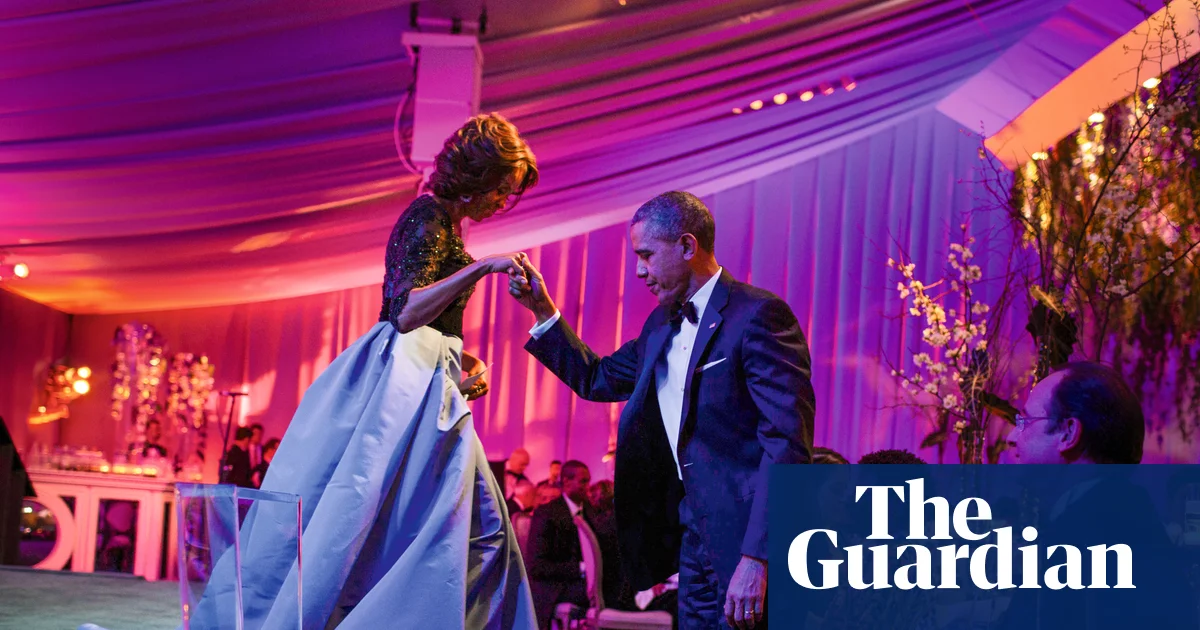
Michelle Obama Opens Up About Media Obsession with Her Arms and How It’s Used to Divide Us

In recent years, the cultural significance of fashion, especially among influential women in politics, has become impossible to ignore. The first lady of the United States has long served as a symbol of national identity and societal shifts. Michelle Obama’s iconic style, from her first official portrait to her daring sleeveless silhouettes, exemplifies this phenomenon. Her choice of fashion was not merely about aesthetics but a deliberate form of social messaging and visibility. In her recently released photo book, Michelle Obama Style, she delves into the social repercussions and cultural shifts her wardrobe choices generated, revealing how her style became an empowering tool for representation.

Obama’s bold fashion statements, including her prominent use of sleeveless dresses, sparked intense media scrutiny and public debate. Critics labeled her choices as “too informal” or “out of season,” but the underlying social tension was more profound. For many, her style was not just a reflection of personal taste—it challenged longstanding norms and questioned what it means to represent a diverse America. Sociologist Farah Jasmine Griffin emphasizes how her support for emerging Black, Asian, and Latina designers and her accessible aesthetic “lent style to her substance.” In a cultural landscape often defined by exclusivity among former first ladies—such as Jacqueline Kennedy’s haute couture—Obama’s high-low mix highlighted her commitment to inclusive representation and “inviting” the nation into a shared space of identity and change.

However, this shift did not come without controversy. The episode dubbed “Sleevegate,” where critics ridiculed her exposed biceps during a speech to Congress, underscored a deeper societal discomfort with a Black woman asserting her authority in a traditional political space. Obama reflects on how this public backlash was intertwined with broader racial and gender stereotypes. Influential analysts like Robin Givhan argue that Obama’s style and demeanor challenged the “rules” of political decorum and societal expectations—consequently sparking a cultural debate on Black womanhood and the politics of appearance. Despite the attacks, Michelle Obama’s authentic expression of style reinforced the idea that fashion can be a powerful act of assertion and visibility in a conservative society.

As influential as her style choices have been, Obama also used her platform to elevate lesser-known designers and foster inclusivity. Her decision to wear a gown from the emerging Taiwanese-born designer Jason Wu for her inaugural ball was a calculated stand against tradition, symbolizing her readiness to challenge the status quo. Her “high-low” approach—favoring markets like H&M, Target, and J.Crew—resonates with a younger generation yearning for authenticity and relatability in political figures. Today, fashion is increasingly recognized as a form of cultural activism, shaping perceptions and empowering marginalized voices. The real question now is whether this evolution signifies a permanent transformation in how public figures use style as a form of social engagement. As society continues to grapple with issues of representation and identity, the next big question may be: Will future leaders prioritize authentic expression over traditional decorum, and how will that redefine the cultural landscape for generations to come?

Social Media Auto Publish Powered By : XYZScripts.com