Matox News

Truth Over Trends, always!

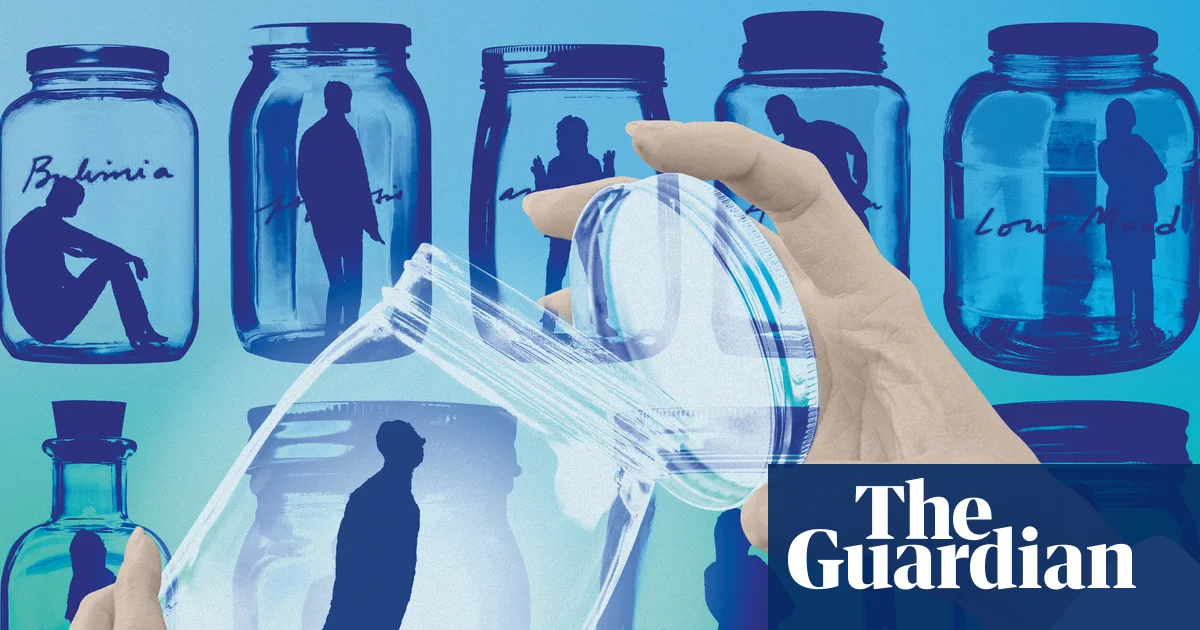
Are We Overdiagnosing Mental Illness? A Doctor Speaks Out on Society’s Labels

Recent reflections from a general practitioner highlight a societal crisis that transcends individual suffering: the expanding epidemic of mental health issues among populations worldwide. The toxic blend of cultural shifts, diagnostic overreach, and an increasingly mechanized healthcare model has woven a complex tapestry that deeply impacts families, education, and communities. Studies reveal that in the UK alone, two-thirds of youth report experiencing some form of mental disorder, a statistic that alarmingly illustrates a demographic in distress. This surge not only strains mental health services but also endangers the fabric of daily life—rupturing familial bonds, destabilizing classrooms, and fostering social alienation.

The core challenge lies in how society conceptualizes mental health. The proliferation of diagnostic tools like the DSM and ICD over recent decades, while useful in clinical contexts, has contributed to a pathologization of everyday human experiences. As sociologists critique, these models often impose rigid “constellations” of symptoms—**labels** that may not capture the fluid, interconnected nature of individual mental states. This tendency toward overdiagnosis and the widespread belief that internal suffering is predestined by biochemical imbalances risk reducing complex human emotions to mere categories, with significant moral and human costs. Instead, insights from cultural anthropologists suggest that different societies interpret mental distress through diverse, often more holistic lenses, emphasizing community, spirituality, and personal resilience rather than solely medicalized diagnoses.

Amidst this landscape, the role of medical practitioners emerges as both vital and challenging. The narrative of the healthcare system shifting towards protocol-driven, depersonalized care draws concern from clinicians and social observers alike. The contrast between compassionate, nuanced engagement—what Dr. M. describes as “the doctor as the drug”—and the cold prescribing practices of clinicians like Dr. Q exemplifies a broader societal drift towards efficiency at the expense of empathy. This approach risks turning mental health treatment into a series of checklist tasks rather than a process of healing rooted in understanding and human connection, which sociologists argue is essential for societies seeking to foster resilience and community cohesion.

Looking ahead, many voices in the medical and social sciences advocate for a shift from rigid labels toward a recognition of human diversity in mental experience. Philosopher and psychoanalyst Clarissa Pinkola Estés vividly describes the richness of human psychological states—“feeling powerless,” “feeling uncreative,” or “feeling stuck”—as part of the authentic human condition. The challenge involves cultivating a culture less fixated on categorization and more attentive to *each person’s unique narrative*. Societies that embrace this perspective—highlighted by figures like Shekhar Saxena—see mental health less as fate and more as a contextual, dynamic flow. Only through compassion, humility, and humility can communities foster environments where individuals can reweave their mental landscapes—transforming suffering from a sentence into an opportunity for growth.

As society stands at this crossroads, the hope is that greater understanding, less rigid classifications, and renewed compassion will empower families and communities to become safe havens of healing. The journey towards a society that recognizes mental health as part of the human tapestry—not a malfunction to be fixed but a natural variation—requires us to listen deeply, act kindly, and believe in the possibility of transformation. For, in the depths of society’s flaws and fractures, lies the enduring truth that even broken threads can be rewoven into something stronger, brighter, and more resilient—if only we dare to see beyond the labels and embrace the human story behind every mind.

NHS doctor suspended for alleged antisemitic social media posts—Concern rises among youth over hate speech

The recent suspension of Dr. Rahmeh Aladwan, a trainee in trauma and orthopaedics at the NHS, highlights a disturbing intersection of social media misconduct and the broader geopolitical tensions surrounding antisemitism in the digital age. The Medical Practitioners Tribunal Service (MPTS) in the United Kingdom placed her on a 15-month interim suspension amidst allegations that her online posts contained content supporting terrorist organizations such as Hamas, propagated antisemitic conspiracy theories, and even used Nazi imagery. These acts are not isolated incidents but are symptomatic of rising global concerns over hate speech and the erosion of social cohesion, especially within highly sensitive societal institutions like healthcare and law enforcement.

International observers and analysts are now wary of how such incidents ripple beyond the confines of national borders, affecting the public’s trust in institutions and the fabric of multicultural societies. According to prominent international organizations and senior historians, the proliferation of extremist rhetoric online, particularly when backed by figures within societal institutions, poses a serious threat to what national security experts term cultural stability. The case raises a pressing question: How should nations balance the right to free expression with the need to protect communities from hate and extremism? The GMC and MPTS have justified their cautious approach, emphasizing that Dr. Aladwan’s conduct could harm public confidence in the healthcare system and fuel social divisions—an outcome that transcends the UK and impacts the global image of medical professionalism amid geopolitical unrest.

This incident comes at a time when Western nations are grappling with their own internal divides, often exploited by those seeking to manipulate societal fears for political ends. As nations seek to clamp down on hate speech, the broader geopolitical impact becomes evident: policies regarding internationally proscribed organizations such as Hamas have become a flashpoint, affecting diplomatic ties and the fight against extremism. Many analysts warn that permitting unchecked hate speech under the guise of political debate; risks emboldening terrorist sympathizers and radicalizing segments of society, thereby undermining national security. Understanding these dynamics is crucial, particularly as civil rights advocates call for greater oversight, yet critics argue that overreach could threaten free speech and political dissent. The UK’s response, including the ongoing review of Dr. Aladwan’s case, underscores the delicate balancing act between safeguarding societal cohesion and respecting individual freedoms—an issue faced universally, from Europe to the Middle East.

Historically, societal shifts driven by extremism have often left a lasting scar on nations’ collective memories. As historians and international security analysts observe, the current wave of online radicalization mirrors past periods of societal upheaval, often leading to conflict, division, and loss of life. The unfolding case of Dr. Aladwan is, therefore, more than an isolated disciplinary action; it is a stark reminder that history is watching us, and the decisions made today could shape the geopolitical landscape for generations. The fight against hate and extremism is not merely a national concern but a chapter in the ongoing battle for global stability. As institutions examine their roles and responsibilities, the weight of history presses on regulators to carefully weigh free expression against the imperative to defend vulnerable communities. The world remains on a knife’s edge, with the echoes of past conflicts whispering that, in times of rising division, the choices of today may determine whether future generations will remember peace or be haunted by the shadows of extremism.

Louisiana issues warrant for California doctor over mailing abortion pills—state’s crackdown on reproductive rights heats up

Society at a Crossroads: The Impact of Restrictive Abortion Laws on Families and Communities

The ongoing legal battles surrounding abortion access in the United States have revealed deeply rooted societal tensions that extend far beyond the courtroom. Recently, Louisiana has issued a warrant for a California-based doctor accused of mailing abortion pills to residents in a state where virtually all abortions are banned. This development highlights the crumbling boundaries of state authority and underscores how social issues intersect with family life, education, and community stability. The case of Louisiana and other states enforcing strict anti-abortion measures illustrates a broader cultural shift that threatens to fracture the social fabric that holds families and communities together.

At the center of this legal and moral tug-of-war is the question of individual rights versus state restrictions. Sociologists such as Charles Murray have emphasized that when a society imposes rigid controls on personal choices—particularly those as morally charged as reproductive decisions—it risks alienating and stigmatizing families. The recent case of Rosalie Markezich, who decided to keep her pregnancy despite being pressured by her former partner to take abortive drugs, exemplifies how stringent laws and inaccessible healthcare create dangerous situations. Markezich’s account reveals that when women are denied moral agency and access to proper medical consultations, their health and autonomy suffer. Her story resonates as a moral reminder that society’s obligation extends to protecting the rights and safety of individuals, especially vulnerable women caught amid ideological conflicts.

Legal experts and social commentators warn that the escalation of these legal conflicts, with states like Texas and Louisiana actively pursuing or indicting doctors such as Dr. Remy Coeytaux and Dr. Margaret Carpenter, may lead to a fracture in federalism. These ongoing battles threaten to jeopardize the social stability of communities and challenge the moral foundations of American society. On one side, advocates argue that states have the right to define moral boundaries; on the other, defenders contend that the rights of individuals—families and women included—must be safeguarded against state encroachment. The potential for these disputes to reach the Supreme Court signifies a pivotal moment where societal values collide with constitutional principles. What hangs in the balance is not only access to medical care but also the future of community cohesion and the moral health of our society.

As these societal divisions deepen, the question remains: can society reconcile conflicting values while fostering environments where families thrive and communities remain resilient? Many sociologists, like Robert Putnam, warn that social trust erodes when communities are polarized by issues rooted in morality and individual rights. Nonetheless, hope exists in the form of moral resilience and societal reform. The history of social progress demonstrates that through open dialogue, respect for diverse perspectives, and the safeguarding of fundamental rights, communities can forge pathways toward justice, healing, and renewal. Society’s greatest challenge is not the legislation alone but our collective commitment to uphold the dignity of every human life and the moral integrity of the communities we cherish. As society stands at this crossroads, the future hinges on our ability to choose pathways rooted in compassion, respect, and unwavering hope for a society where families are empowered and communities are united by shared moral purpose.

Social Media Auto Publish Powered By : XYZScripts.com