Matox News

Truth Over Trends, always!

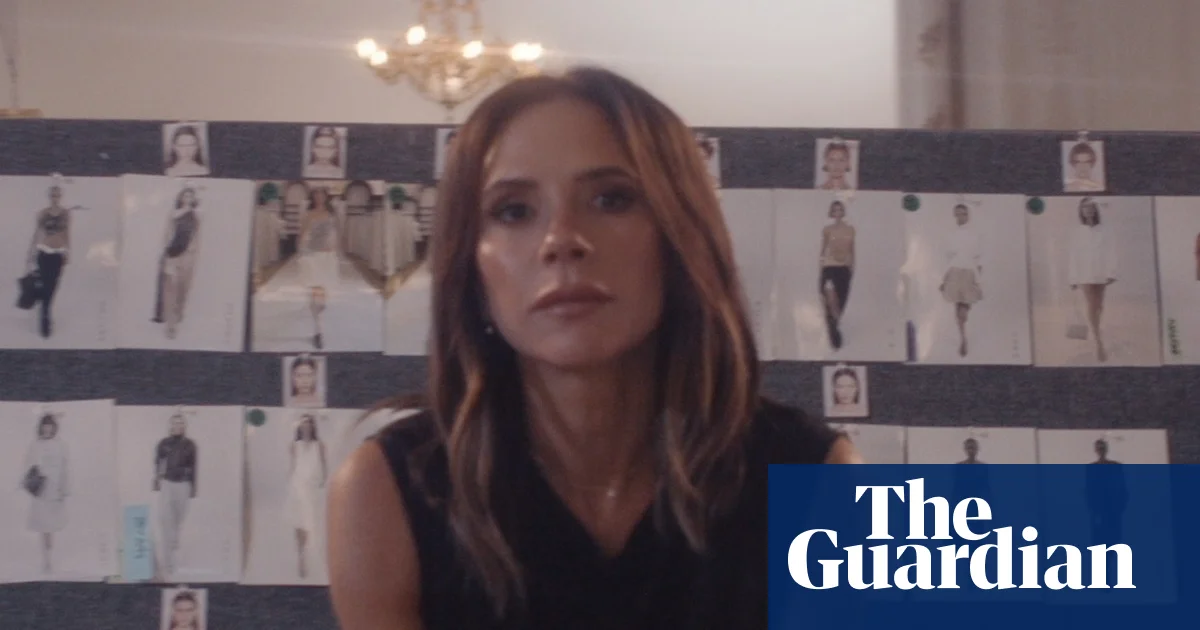
Nine Bold Lessons from Victoria Beckham’s Docuseries: Why We Had to End the Wag Era

The Beckhams continue to demonstrate that their social influence extends far beyond footballs and pop lyrics into the realm of lifestyle and societal trends. Their recent public appearances and candid moments reveal more than just celebrity gossip — they signify a larger shift in how the modern elite approaches personal branding and social relevance. Victoria Beckham’s increasingly curated habits, from her exclusive choice of drinkware to her carefully orchestrated public image, underscore a move toward a calculated minimalism that resonates strongly with today’s youth. Gone are the days of cluttered kitchen cabinets filled with questionable novelty mugs; instead, Victoria seems to embrace a less-is-more ethos, sipping from sleek sippy cups and monogrammed glass straws, signals of a subtle yet deliberate redefinition of luxury and authenticity.

This behavior highlights a bigger societal trend among the young, affluent, and aspirational — a push toward authenticity, simplicity, and personalized branding. Influencers like Kim Kardashian and Harry Styles have popularized a style of self-presentation that aligns with this shift, emphasizing curated minimalism and individual expression over ostentation. For sociologists and analysts, such as Dr. Lisa Buchanan, this transition indicates a broader cultural pivot: the image of effortless, almost mundane luxury that speaks to a generation eager to reject excess but still crave exclusivity. Victoria’s subtle walk-through of her daily rituals—such as her strategic positioning beside David for camera optics or her choice to “bury her boobs” for sleek elegance—emphasize her mastery at blending high fashion with relatable authenticity. This is an era where celebrity is crafted through nuanced behavioral cues.

And let’s not overlook her cultural power plays. Her interactions with legendary designers like Donatella Versace and media icons such as Anna Wintour serve as deliberate signals of her influence and credibility within the fashion world. Even her unconventional fashion choices — like her decision to customize her wardrobe by shortening dresses or altering runway pieces — challenge traditional notions of authority in the industry. Meanwhile, her home life, including a £70,000 investment in plants and the construction of a mansion dubbed “Beckingham Palace”, showcases how her identity now extends into her personal habitat as an extension of her brand. These seemingly superficial details actually function as social signals, reinforcing her status as a mogul who can blend lifestyle trends with cultural authority.

Yet, beneath the polished veneer lies a compelling question: as Victoria and David continue to navigate their personal narratives — from playful teasing about modestly-sized “magnificent” assets to tearful tears over fashion mentorship — we are left to wonder what the next evolution of this celebrity lifestyle will be. Will the rising generation of young influencers and entrepreneurs embrace this curated simplicity as a new form of luxury? Or are these carefully constructed images destined to be replaced by authentic, raw expressions that challenge the very notion of celebrity as a constructed identity? The future of celebrity lifestyle trends remains a fascinating conversation — one that blurs the line between authentic individuality and calculated social positioning. As we watch Victoria Beckham redefine elegance, the core question for tomorrow’s tastemakers might just be: how much authenticity can this curated minimalism sustain in a world obsessed with genuine connection?
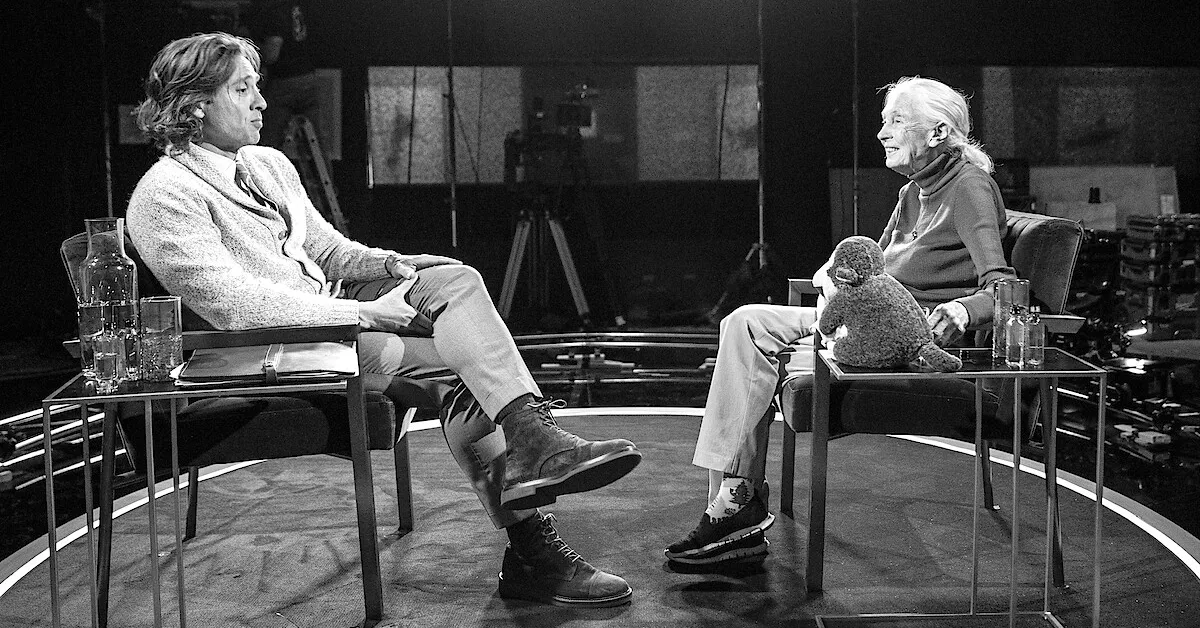
Jane Goodall’s passing sparks debut of Netflix’s latest docuseries for a new generation

Netflix Leverages Innovation in Media with Posthumous Interview Series

In a move that signals a bold shift in the entertainment industry, Netflix has launched a provocative new show, Famous Last Words, which premieres episodes only after the interview subjects’ passing. This strategy underscores the platform’s relentless drive to innovate and disrupt traditional media norms, pushing the boundaries of content creation and consumption. By integrating advanced remote filming technology, Netflix transforms the interview format into an intimate and unfiltered experience, often involving conversations that are remarkably candid because the subjects are no longer constrained by the need for public approval.

The adaptation of Denmark’s acclaimed series Det Sidste Ord exemplifies how disruptive technologies can redefine storytelling. This series employs remotely operated cameras and carefully curated interview scenarios, hosted by Brad Falchuk, previously known for his work on American Horror Story and Glee. These technological innovations enable production teams to access high-quality footage without traditional on-site filming. Industry experts, including analysts from Gartner, highlight this as an evolution driven by artificial intelligence, remote control tech, and data-driven insights—allowing creators to capture nuanced perspectives that were previously inaccessible or considered taboo.

Implications for the Business and Media Ecosystem

For media companies and content creators, this approach signals a broader trend toward leveraging cutting-edge tech for breakthrough storytelling. The business implications are significant: this model minimizes logistical costs while maximizing viewer engagement with raw, unfiltered content. The inclusion of outspoken figures like Jane Goodall in her final interview underscores a new era where authenticity and transparency are paramount—traits increasingly demanded by younger audiences who seek content with depth and realness. As the market shifts, we can anticipate a competitive surge among tech firms and studios investing in posthumous content production, AI-driven interviewing methods, and immersive viewing experiences.

  • Enhanced audience engagement driven by unprecedented access to candid and unedited insights.
  • New revenue streams from exclusives and memorabilia associated with iconic figures.
  • Potential ethical debates over consent and commodification of personal legacies, prompting regulatory scrutiny.

Strategic and Industry-Wide Considerations

This disruptive model is more than just a revenue play; it’s an indicator of how artificial intelligence, automation, and immersive tech will redefine industry standards. Leaders like Elon Musk and futurists such as Peter Thiel have long envisioned a future where reality and digital representation blur—this series exemplifies that vision. However, this also raises warning flags about the potential for misuse, fake content, and questions over the authenticity of these final interviews. Stakeholders must navigate these ethical terrains carefully.

As the industry advances its capabilities, it’s clear that innovation, disruption, and strategic pivots will determine winners and losers in this rapidly evolving landscape. With new forms of storytelling emerging at a breakneck pace, companies must adapt swiftly—embracing technology not just for operational efficiency but as a core driver of engaging, authentic narratives. The future demands a proactive stance; those who leverage these innovations will redefine cultural benchmarks and gain a significant competitive edge in the unfolding digital era.

Social Media Auto Publish Powered By : XYZScripts.com



