
In a surprising turn of diplomatic discourse, President Donald Trump has publicly declared that the United States does not require the assistance of NATO amidst mounting tensions with Iran. His recent comments, delivered from the Oval Office, accused NATO members of making a “very foolish mistake” by refusing to mobilize warships to reopen the strategic Strait of Hormuz. This statement signals a potential shift in US foreign policy, one that emphasizes unilateralism over multilateral alliances, at a time when the geopolitical landscape around the Persian Gulf is erupting into chaos. Renegotiating America’s role in international security pacts such as NATO could significantly weaken the collective defense framework that has underpinned global stability for decades, leaving many analysts concerned about the ripple effects on European security and global order.
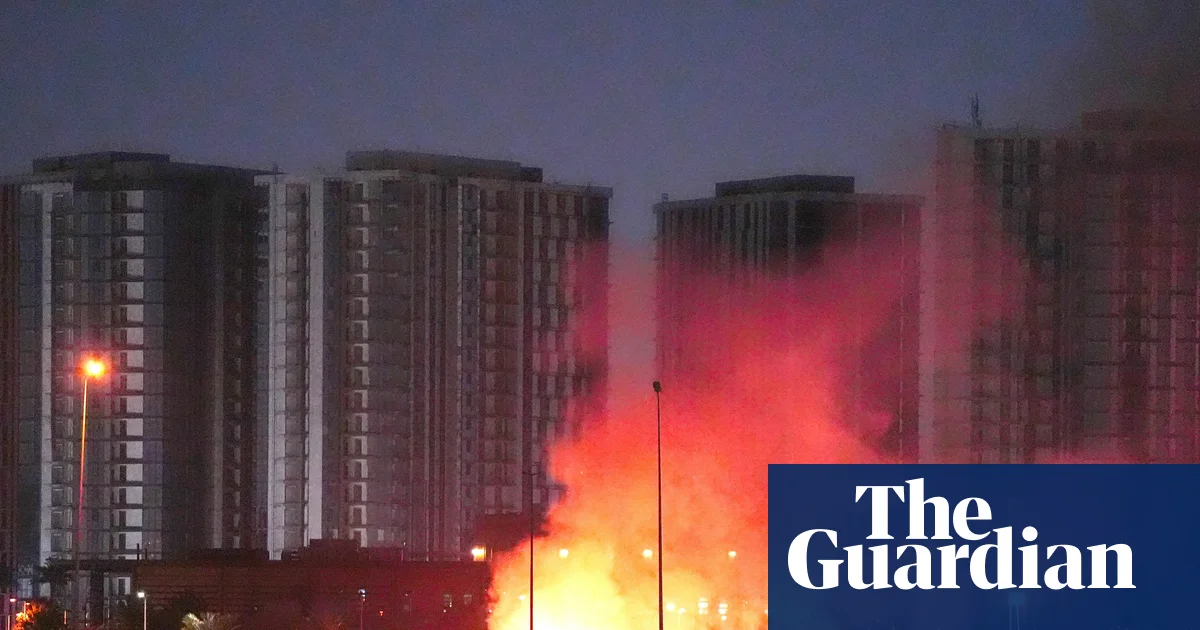
The unfolding crisis in the Middle East has revealed fractures not only among American allies but also within the US itself. Despite Trump’s aggressive rhetoric, some of America’s closest allies have questioned the legitimacy and consistency of his rationale for engagement in the Iran conflict. Internal dissent is mounting, as exemplified by the resignation of Joe Kent, the director of the US national counter-terrorism center, who publicly stated that Iran currently poses no imminent threat to the US. Furthermore, the world’s largest aircraft carrier, the USS Gerald R Ford, has been at sea for nearly nine months and recently suffered fire damage — a sign of morale issues and logistical strains within the US military. Such internal crises threaten to undermine America’s military posture in an already volatile region, where Iran’s military leadership has vowed harsh retaliation for recent strikes on Israeli and Iranian targets. The escalation underscores the fragility of US influence and the potential for regional chaos to spiral into a broader confrontation.
This tumult underscores a common theme highlighted by international security analysts: as the US shifts its stance, the consequences on global stability are profound. Nations across Europe and Asia are watching closely, aware that US-centric policies can cascade into unpredictable outcomes. The ongoing conflict, now entering its third week with over 2,000 lives lost, portends a potential regional war that could draw in neighboring countries and destabilize entire ecosystems of international diplomacy. Meanwhile, the United Nations and respected historians warn that a vacuüm of US leadership might embolden non-state actors — including terrorist networks and rogue militias — to seize opportunities presented by the chaos. This escalating crisis vividly illustrates how decisions made at the top resonate through societies, affecting countless lives, economies, and future generations.
In a related twist reflecting shifts in domestic politics, Juliana Stratton, the Illinois lieutenant governor, has secured her party’s nomination for the US Senate, signaling a broader debate over America’s internal priorities. Her victory over moderate rivals, propelled by key endorsements and recent changes in Chicago’s political climate, symbolizes the growing visibility of progressive voices and a shift in the American political landscape. Yet, in the backdrop, reports from the United Nations reveal a grim reality: millions of children across Sub-Saharan Africa and South Asia are dying from preventable conditions, largely due to aid cuts and inadequate healthcare. As these tragedies unfold, a stark reminder remains — geopolitical shifts and internal reforms are only meaningful if they translate into tangible improvements for the world’s most vulnerable populations. The weight of history presses down with an inevitable question: how much longer can the world afford neglect amidst chaos?
History is watching, and history is still being written. As nations grapple with uncertainty, the decisions today — whether in the corridors of power or the streets of Tehran and Chicago — serve as the keystones of a future yet to be crafted. Will the cracks in alliances deepen into fissures that fracture the global order? Or will strategic wisdom forge a path through the turmoil, leading to a new era of resilience? The unfolding story remains uncertain, but one thing is clear: the weight of consequence rests heavily on the shoulders of those who make the choices now. Their actions, or inactions, will echo through generations — a testament to the enduring, often turbulent, march of history.