Matox News

Truth Over Trends, always!

Top 32 Chinese Dishes Every Foodie Needs to Savor ASAP!

Embracing China’s Culinary Wonders: A Taste of Tradition and Heritage

The diverse flavors of China are akin to a vast landscape of culinary treasures, each dish telling its own unique story. With an unparalleled selection of gastronomic delights, travelers can find themselves both challenged and exhilarated as they navigate the extensive menu that this country offers. The art of eating well in China isn’t merely about satisfying hunger; it’s a gateway to cultural understanding and historical appreciation.

Those venturing to sample authentic Chinese cuisine must delve into must-try dishes that showcase the depth and richness of its traditions. For starters, Peking Duck stands as a hallmark of Chinese culinary heritage. This dish has enchanted taste buds for over 1,500 years, originally stemming from Nanjing’s royal kitchens. The duck, known for its crisp skin and flavorful meat, is traditionally served with thin pancakes, cut vegetables, and sweet bean sauce. A well-executed Peking Duck experience is much more than a meal; it’s an immersive encounter with history.

Additionally, one cannot overlook the beloved Dan Dan Noodles, named for their origin as street food sold by hawkers. This classic Sichuan dish is a dance of flavors, featuring a mix of spicy, salty, and nutty profiles, often enriched with finely chopped pork. Whether served dry or in savory broth, these noodles illustrate the essence of comfort food in a bustling cityscape.

Essentials for a Culinary Journey

As one embarks on a culinary exploration of China, keep in mind some essential dishes and tips to maximize the experience:

  • Steamed Fish: Master the art of steaming fish—it’s not just a cooking method but a testament to the skill of timing and technique.
  • Sweet and Sour Pork: Light and refreshing, this dish utilizes pineapple and tangy sauce, perfect for summer.
  • Dim Sum: An experience in itself, this serves as a brilliant way to sample a range of flavors in one sitting.

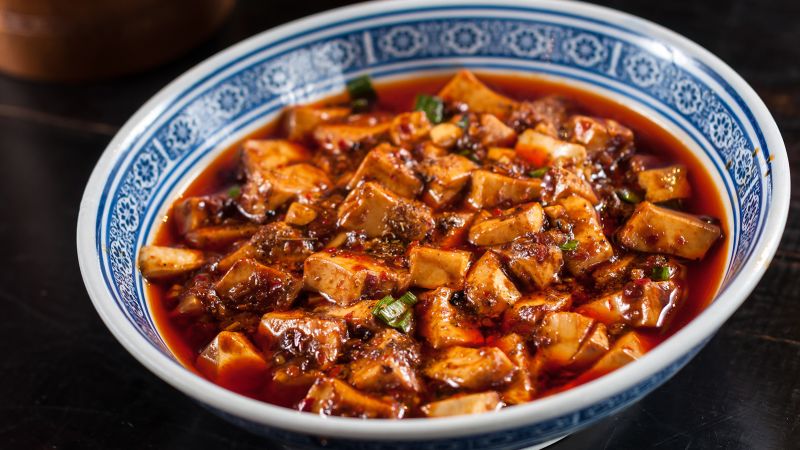
Moreover, specialties like Mapo Tofu and Hot and Sour Soup highlight regional differences that make Chinese cuisine so captivating. Mapo Tofu delivers a punch of spicy, salty flavors that exemplify Sichuan’s reputation for heat, while Hot and Sour Soup warms both body and soul with its balance of flavors, containing elements that are good for health in any season.

Reflecting on Wellness and Lifestyle Shifts

In today’s fast-paced world, embracing a diet inspired by the depth of Chinese cuisine can lead to transformative wellness practices. The incorporation of fresh ingredients, nutrient-dense foods, and balanced meals reflects a shift towards a holistic approach to living well. As culinary offerings adapt to modern health trends, one finds that these age-old recipes provide inspiration for savory solutions to contemporary dining dilemmas.

Ultimately, dining is not merely about consumption; it serves as a chance to embrace life’s journey—celebrating connections with others and fostering cultural appreciation. Whether it’s shared experiences over a steaming platter or a quiet dinner savoring every bite, the essence lies in the underlying concepts of mindfulness and enjoyment in life’s flavors. Every dish carries the invitation to explore and connect—making every meal a stepping stone in the ongoing adventure of discovery.
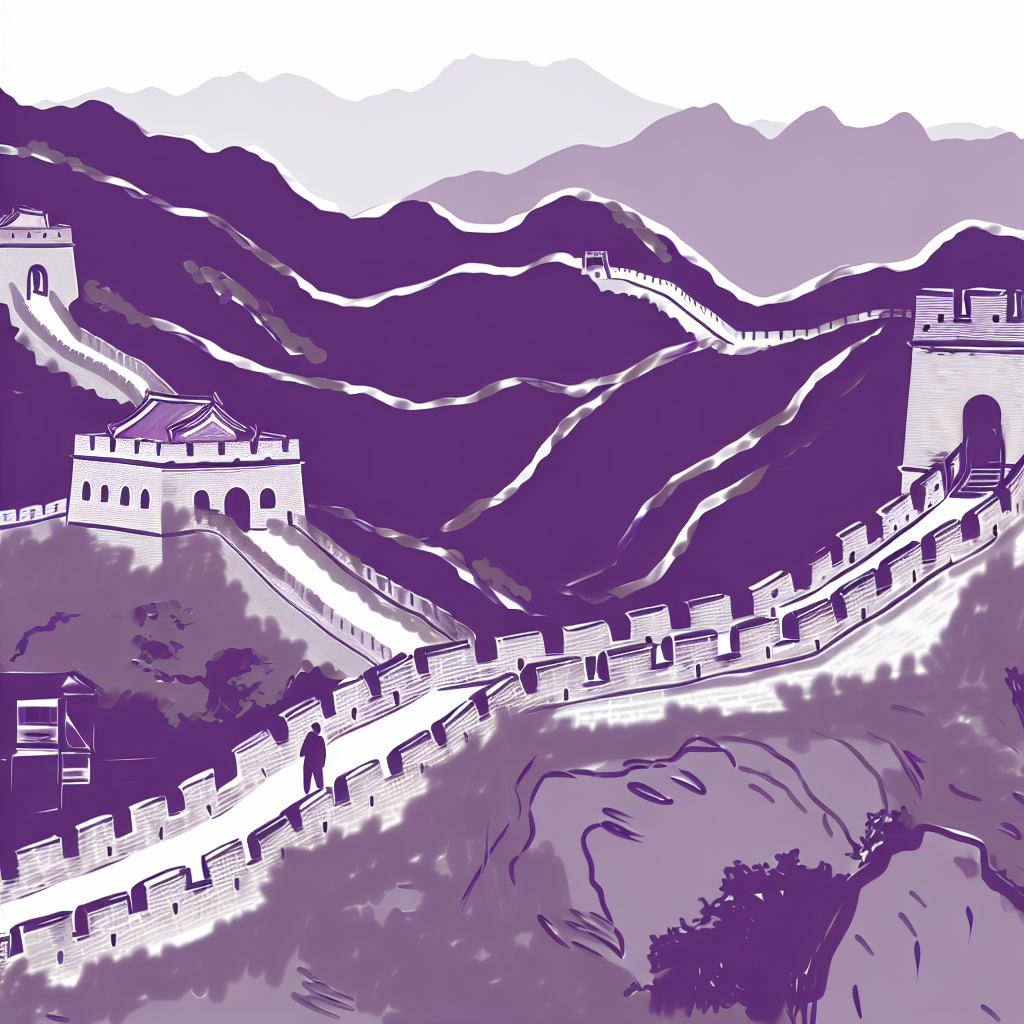
Stunning Highlights Along China’s Iconic Great Wall

The individual has spent nearly twelve years residing in Beijing, providing ample opportunity to explore various parts of China. Over this extended period, they have accumulated extensive travel experience across the country, gaining a comprehensive understanding of its diverse cultural, historical, and geographical features. The familiarity with Beijing serves as a base for their broader explorations, allowing them to appreciate the differences and similarities within China’s vast landscape.

During their time in Beijing, the person has likely visited some of China’s iconic landmarks and cultural sites, such as the Great Wall, which is visible in the accompanying image. The Great Wall is one of China’s most famous and historically significant structures, stretching across multiple provinces and offering a glimpse into ancient Chinese civilization and military history. Specific sections they might have visited include the Yongtai and Turtle City areas, known for their scenic views and historical value. Such visits underscore a deep engagement with China’s rich cultural heritage, which is often characterized by well-preserved architecture and scenic landscapes.

The long-term residence and travel throughout China suggest a deep appreciation and understanding of the country’s diversity. From bustling urban centers like Beijing to quieter rural areas and historic sites, the individual has experienced various facets of Chinese life. Their journey highlights the country’s extensive cultural history, natural beauty, and architectural grandeur. As a seasoned traveler, they can attest to the profound contrasts and unique allure that various regions of China offer, making their experience a valuable perspective on one of the world’s most historically and culturally rich nations.

Last-Minute Tax Tips Every Young Patriot Should Know

Global Geopolitical Shifts and Domestic Crises: A Turning Point in World Affairs

In an era marked by rapid international upheaval, geopolitical alliances are continually reshaping, and the repercussions are felt across nations and societies worldwide. Recent developments underscore this dynamic, as major powers respond to what analysts describe as a series of *“turning points”*—moments that could redefine the global order for decades to come. According to the International Crisis Group, the world is at an inflection point, where old paradigms are disintegrating, and new geopolitical realities are emerging.

Particularly significant is the escalating tension in Ukrainian conflict zones, which has become emblematic of the broader *new Cold War* shaping the 21st century. While Western nations continue to supply arms and exert economic pressure, Russia remains resolute, signalling that these confrontations are not merely regional but part of a larger contest for influence. Meanwhile, China expands its footprint through both economic initiatives and military assertiveness, challenging the existing *U.S.-led order*. International analysts warn that the shifting alliances carry profound geopolitical impact—altering trade routes, control over natural resources, and regional stability.

Shifts in Global Power and the Erosion of Traditional Alliances

In response to these global shifts, North Atlantic Treaty Organization (NATO) faces its own existential questions, with some member states expressing concern over the alliance’s future effectiveness. Historian Michael Novak notes that these tensions, coupled with the instability in Eastern Europe, reflect the rekindling of old rivalries that threaten to resurrect a *“geopolitical Cold War,”** reminiscent of the 20th-century power struggles. Similarly, U.N. Security Council debates increasingly revolve around how to manage conflicts in a multipolar world where consensus is elusive, and unilateral actions threaten to undermine collective security frameworks.

Over the last year, a series of *international treaties and agreements* have attempted to stem the tide of conflict and maintain stability. Yet, many experts contend that these diplomatic efforts are often superficial—piecemeal responses to deep-seated tensions rooted in economic disparities and military rivalries. The World Economic Forum warns that unless nations recognize the interconnectedness of their fates, escalation risks spiraling out of control, leading to widespread societal upheaval and economic collapse.

How Nations and Societies Are Impacted

At the forefront of the domestic impact are millions of citizens caught in the crossfire of international proxy conflicts and economic sanctions. *In the United States,* the ongoing debate over domestic policy and foreign intervention remains tense, with youth increasingly questioning the cost of global engagements. On the economic front, inflation, energy shortages, and supply chain disruptions threaten to aggravate social unrest, forcing governments to act with caution amid mounting public discontent.

The global economy faces an uncertain future, with experts from the International Monetary Fund warning of possible stagflation if geopolitical tensions persist. In many developing countries, economic hardship amplifies social grievances, fueling unrest and migration crises. Historians warn that history teaches us—without careful diplomacy and strategic foresight, these tensions could catalyze a new cycle of conflict, one where the victim is not just geopolitics but the very fabric of society itself.

Conclusion: The Unfolding Chapter of Humanity’s History

As the world stands on the brink of what could be a new era of global rivalry, the decisions made today bear the weight of history. The international community faces an urgent challenge: to navigate these turbulent waters, balancing power with prudence, ambition with restraint. The stakes are monumental, and the outcome remains uncertain. The movements of superpowers, the unraveling of traditional alliances, and the struggles of ordinary citizens are all threads woven into the grand tapestry of history—an ongoing story of hope, conflict, and resilience. In the end, what is written today will echo through the corridors of history, shaping a future that is still unwritten—and yet, inevitable.

Retail Spending Slumps in March as Young Consumers Tighten the Belt

The United States economy is experiencing a crucial inflection point that could have profound geopolitical repercussions in the coming years. Recent data from the Commerce Department reveal a decline in retail sales for March, with spending dropping by 1% compared to the previous month. While seemingly small, this decline exceeds analysts’ expectations and signals a potential slowdown in the world’s largest consumer market. The fall in consumer expenditure, particularly in departments such as general merchandise and gas stations, underscores a broader shift driven by retreating income expectations and lingering recession fears. Central to this economic shift is the impact of recent banking crises, which have fundamentally shaken investor confidence and prompted households to curb spending.

Economists and analysts note that this decline is not solely a short-term anomaly. Bank of America analysts suggest that the lull in refunds issued by the IRS—down by approximately $25 billion relative to last year—has dampened household liquidity, further constraining consumer activity. Simultaneously, the expiration of pandemic-era benefits has taken a toll on disposable income and spending power. How these decisions ripple through society becomes evident as household savings rates potentially decline and the specter of an impending recession looms larger. Despite these setbacks, some resilient fundamentals remain—such as a 2.9% year-over-year rise in retail spending and steady wage growth, albeit at a slower pace—yet the overall picture indicates signs of faltering consumer confidence.

The Federal Reserve and other global institutions watch these signals with caution. The latest employment figures do not indicate a collapsing labor market; employers added 236,000 jobs in March, yet the pace of growth is diminishing, and the Job Openings and Labor Turnover Survey reflects a 17% decrease from last year’s peak. Additionally, higher inflation expectations, fueled by rising gas prices, threaten to erode real wages and consumer purchasing power. This combination of tightening labor markets and inflationary pressures is forcing policymakers into a delicate balancing act, trying to stave off a recession while combatting inflation. Historian analyses point out that history shows such periods often precede significant geopolitical shifts, as economic downturns tend to strain international alliances and domestic stability.

The international community remains alert to the potential geopolitical fallout of America’s economic trajectory. Declining consumer confidence and rising inflation could prompt China and other rival powers to accelerate their strategic ambitions, sensing for opportunity as the U.S. grapples with internal uncertainties. Major global institutions like the IMF warn that a U.S. recession could destabilize emerging markets, which rely heavily on American trade and investment. This delicate web of interconnected economic and geopolitical forces underscores the vital importance of decisions made today. As analysts warn that the effects of recent banking turmoil and fiscal policies are still unfolding, the specter of history—where economic tremors evolve into full-blown crisis—serves as a stark reminder: the world’s balance of power is increasingly defined by these subtle yet profound shifts. The narrative of this ongoing chapter is written in the language of uncertainty, and only time will reveal whether the U.S.—and indeed the global order—can navigate this turbulent period without succumbing to the chaos of the fall.

Silicon Valley Bank Collapse Sparks Urgency to Fix Barriers for Entrepreneurs of Color

Economic Turmoil and the Global Geopolitical Impact of Silicon Valley Bank’s Collapse

The recent collapse of Silicon Valley Bank (SVB), once a powerhouse in the American financial sector and a pillar supporting minority entrepreneurs, stands as a stark reminder of the fragile interconnectedness of global markets. Established in 1983 and ranking as America’s 16th-largest bank at the close of 2022, SVB’s downfall on March 10 sparked a firestorm that extends far beyond California’s borders. It provided banking services to nearly half of all venture-backed tech and life sciences firms in the United States, making its collapse not just a national crisis but a matter of international concern. The ripple effects threaten to reshape the very structure of global banking, investment, and geopolitical influence, especially considering the bank’s commitment to fostering minority-led businesses and its strategic investments in underserved communities.

At the heart of this crisis lies an underlying systemic failure intertwined with issues of racial and economic inequality. Analysts highlight that SVB’s role extended beyond finance; it operated as a vital lifeline for minority entrepreneurs, often overlooked by larger banks. Industry insiders like venture capitalist Arlan Hamilton and nonprofit advocates like Joynicole Martinez emphasize how SVB’s support for minority-led startups—through conferences, funding, and community outreach—was part of a broader strategy to counteract pervasive discrimination in banking and lending. The bank’s collapse thus not only jeopardizes these entrepreneurs’ immediate futures but threatens to undermine the broader push for economic equity worldwide. As global organizations and national governments watch with concern, this incident underscores the high stakes involved: the collapse exemplifies how decision-making within major financial institutions can accelerate systemic vulnerabilities, risking a domino effect on the international stage.

The geopolitical consequences of SVB’s downfall are compounded by the global competition for influence and resources. Major financial institutions in JPMorgan Chase and Wells Fargo publicly commit to addressing economic disparities through initiatives targeting underserved communities. Yet, the disparities persist, as Black-owned banks like OneUnited manage less than 0.02% of the assets held by giants like JPMorgan Chase, highlighting the imbalance in global financial power. The ongoing struggles of minority entrepreneurs and the broader banking inequalities are a microcosm of a continent-wide issue: how systemic biases and financial exclusion determine nations’ capacities to thrive in an increasingly interconnected economy. Historians and economic analysts warn that neglecting these disparities could foster greater instability, allowing economic and geopolitical rivalries—particularly in Asia and Europe—to exploit sectors of weakness. The crisis is a definitive turning point, revealing the importance of resilient, equitable financial systems as fundamental to national security and societal stability.

As the international community observes a shifting landscape, the legacy of SVB’s demise may yet define a new era of economic reckoning. The crisis exposes the systemic failures that have long marginalized women, minorities, and small businesses, leaving them vulnerable in times of upheaval. While efforts by JPMorgan and Wells Fargo aim to address these gaps, critics warn they are mere drops in an ocean of inequity. Meanwhile, emerging fintech and community banks, like Black-owned banks and regional lenders, stand poised to play a pivotal role in restoring trust and inclusivity. As history continues to unfold, nations must reckon with how their financial and societal decisions today will echo through generations—deciding whether the future will be one of resilience or chaos. The fall of SVB will be remembered as a stark lesson in the enduring power of systemic reform—or the catastrophic consequences of neglect—where the lessons of history remain, quietly waiting to either be heeded or ignored.

Playboy Renounces Hefner, Builds New Post-MeToo Image

Playboy’s Evolution: From Hefner’s Legacy to a New Global Paradigm

Over the past seven decades, Playboy has symbolized a complex chapter in global cultural history, intertwining liberalization with shifting societal values. Founded by Hugh Hefner in 1953, the magazine initially epitomized a provocative frontier of sexuality, famously featuring Marilyn Monroe in its inaugural issue. Hefner’s creation was an emblem of sexual liberation for many, yet it simultaneously perpetuated narrow standards of beauty—white, slim, able-bodied, blonde—that reinforced persistent societal stereotypes. As historians and cultural analysts observe, these standards, while celebrated by the initial audience, also reflected problematic ideals rooted in exclusivity and aesthetic conformity. Despite Hefner’s claimed support for causes like abortion rights and early inclusivity acts—such as featuring the transgender model Caroline “Tula” Cossey—the broader impact of Playboy’s imagery contributed to a culture that often marginalized diverse bodies and identities.

Decades into its legacy, the cultural and societal landscape surrounding Playboy has dramatically transformed. Hefner’s death in 2017, just before the explosion of the #MeToo movement, symbolized the end of an era that many critics argue was built on the manipulation and objectification of women. The 2022 docuseries, “The Secrets of Playboy”, unveiled allegations of sexual misconduct from former associates, including Sondra Theodore and Holly Madison, shedding light on the underbelly of Hefner’s empire. In a post-#MeToo society, Hefner’s legacy is re-evaluated, prompting brands like Playboy to distance themselves from the patriarchal and exploitative practices of the past. The company issued statements condemning Hefner’s actions, emphasizing its renewed focus on progressive values such as sex positivity and equal representation—marked by leadership comprising roughly 40% women and a focus on creator-led content through platforms like Playboy Centerfold.

Global Cultural Shifts and Geopolitical Impacts

The evolution of Playboy epitomizes a broader geopolitical shift—where traditionally male-oriented consumer cultures are increasingly responding to progressive social movements. This transformation is not confined to entertainment; it reflects profound international societal reevaluations of gender, sexuality, and power dynamics. The brand’s pivot towards inclusivity and empowerment aligns with global trends that challenge authoritarian or patriarchal norms, but also raises questions about the cultural commodification of social justice. As international organizations and analysts note, these shifts have geopolitical implications: they influence diplomatic discourse on human rights, shape gender policy debates, and impact economic alliances rooted in evolving cultural standards.

The displacement of Hefner’s original vision with a more inclusive, creator-driven model mirrors the **moves of nations** that are redefining their cultural identities amid geopolitical realignments. While some regimes impose strict censorship, others adapt, fostering a space where personal expression and societal norms intersect. Analysts warn that the future of global social diplomacy will depend on how nations balance economic interests with the demands for social justice, fueling debates around how cultural exports, like Playboy, influence international perceptions of liberalism and conservatism. Such debates are echoed in the statements of international think tanks, emphasizing that cultural symbols are now active agents in geopolitical negotiation.

Historical Echoes and the Unfolding Future

As history continues to unfold, the Playboy brand stands at the crossroads of legacy and reinvention. Its transformation from Hefner’s patriarchal enterprise to a platform championing independent, diverse expressions of sexuality signifies a much larger societal quest for authenticity and agency. Far from merely a magazine, Playboy has become a cultural icon—embedded in fashion, social movements, and digital spheres—where its imagery and ethos influence youth worldwide. The recent resurgence of its associated stars, including *Holly Madison* and *Bridget Marquardt*, underscores an emerging narrative of emancipation and reflection that challenges the myths of patriarchal dominance.

In the shadows of these developments, the geopolitical impact remains profound—shaping international discourses on gender rights and societal progress. The legacy Hefner built may have been rooted in a specific history of American liberalism, but its echoes now ripple across borders, influencing global norms and policies. As the gates of the Playboy Mansion close forever, the story of its rebirth is only just beginning—a story that continues to write itself into the annals of history, where every chapter holds the power to redefine the future of social freedom and human dignity. The world watches, as the narrative of sexuality, power, and identity morphs under the weight of a changing epoch—an epoch where societal norms are challenged, reshaped, and perhaps finally, rewritten altogether.

Fashion’s Grim Turn: Youth Style Moves Toward Old-School Backslide

Fashion’s Evolution Mirrors International Societal Changes Amid Medical and Cultural Shifts

In 2023, the global fashion industry has once again unveiled its complex relationship with societal standards, body diversity, and medical advancements. This season’s runway shows across New York, London, Milan, and Paris reveal a disconcerting trend: a pronounced decline in the representation of plus-size models, echoing a broader societal pattern that privileges a narrow definition of beauty. Despite early progress driven by pioneers like Jill Kortleve, Paloma Elsesser, and Precious Lee—who broke the traditional sample size mold—this past season marked a stark regression. Industry analysts and fashion observers emphasize that this shift is not merely aesthetic but deeply intertwined with how international society perceives health, worth, and beauty.

Adding fuel to the fire is the advent and expanding accessibility of weight loss medications like Wegovy and Ozempic. These pharmaceuticals, originally designed to assist those with obesity or weight-related health issues, are increasingly being sought for purely aesthetic purposes though often at the expense of health risks. The European Medicines Agency recently issued warnings about shortages of Ozempic, underscoring the growing demand and potential for misuse. Critics such as global health experts warn that the normalization of such drugs, combined with a fashion industry retreat from size diversity, threaten to reinforce damaging societal narratives. As Dr. Lash, a prominent endocrinologist, cautions, “These drugs are not benign, and their use outside medical supervision can cause serious health complications.”

The significance of these developments extends well beyond individual health. According to historians and sociologists, these trends reflect a societal shift where the pursuit of an ultra-thin ideal is increasingly driven by consumer culture and pharmaceutical influence. Industry insiders point out that long-standing practices—such as creating exclusive sample sizes optimized for efficiency—are often cited by legacy brands as justifications for lacking size inclusivity. However, as White and other advocates argue, this is a matter of industry prioritization over societal well-being. Calls for a unified industry standard that mandates size diversity on runways are gaining momentum, aiming to combat the entrenched archetype of skinny beauty that has persisted for decades.

Despite these setbacks, a handful of smaller brands and emerging designers continue to push for change. Labels like Esther Manas, Di Petsa, and some collections by Christian Siriano exhibit a compelling commitment to celebrating all body types. This resistance symbolizes a broader cultural struggle—whether the fashion industry will embrace a definition of beauty that is inclusive, rather than exclusive. As the debate rages, critics warn that these decisions impact societal attitudes—shaping how future generations perceive self-worth, health, and diversity. The industry’s reluctance to fully integrate size inclusivity risks perpetuating a cycle where societal standards are dictated by narrow aesthetics and pharmaceutical solutions.

Ultimately, the narrative of body image and medical intervention is a portrait of a society at a crossroads. As social media platforms amplify conversations about health, beauty, and authenticity, and as international regulators grapple with medication shortages and misuse, history’s verdict remains unwritten. Will the global fashion industry and society at large choose authentic diversity and health over fleeting trends and pharmaceutical shortcuts? The unfolding story suggests we are entering a defining chapter—one where the choices made today will echo through future generations, shaping the very fabric of cultural identity and societal standards. The weight of history hangs heavily in the balance, whispering that the path forward must be carved with both conscience and courage.

Social Media Auto Publish Powered By : XYZScripts.com