Matox News

Truth Over Trends, always!

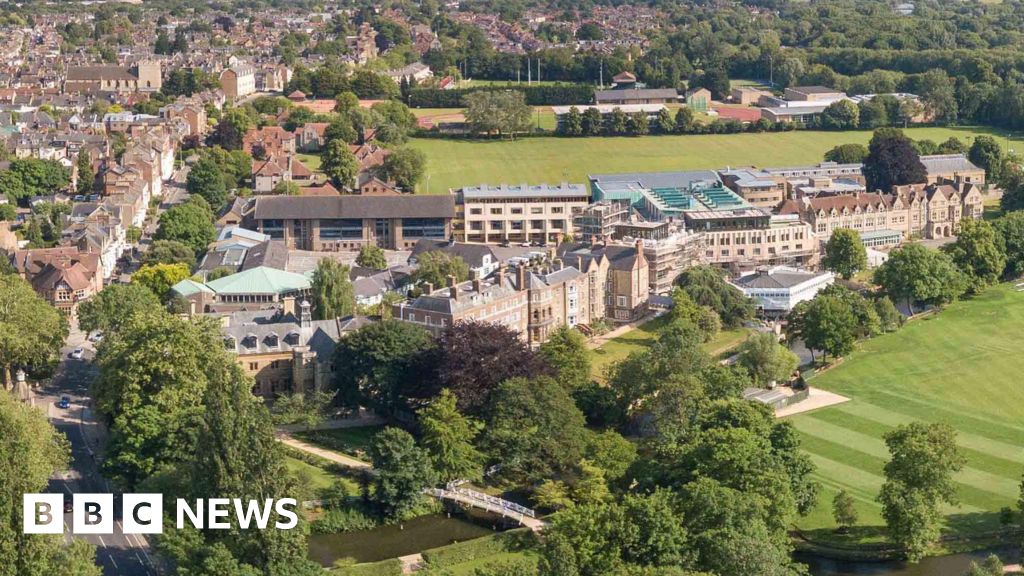
School opens its doors to girls for the first time in 500 years—historic step toward equality

Educational Institutions and the Shaping of Societal Future

Recent statements from Magdalen College School highlight a growing trend within many elite educational institutions to position themselves as agents of societal enrichment. The school asserts that their initiatives will “enrich” their community “for generations to come,” a sentiment that underscores the evolving role of education as a catalyst for social cohesion and cultural preservation. While this rhetoric may sound benign, it raises profound questions about how contemporary schools influence families, social stratification, and community identity.

Historically, schools have operated as mirrors and molders of social values. Research by prominent sociologists such as Pierre Bourdieu demonstrates that educational settings often serve as gateways to social mobility or, conversely, reinforce existing class distinctions. In regions where educational policies increasingly focus on social enrichment and cultural identity, there is a discernible shift in the fabric of families and communities. These institutions often become focal points for cultural preservation, but they also risk diverting from the core goal of fostering universal access to quality education, potentially reinforcing divisions based on socio-economic backgrounds.

Societal Tensions and Cultural Shifts

The emphasis on “enriching” communities most often involves initiatives tailored toward *specific cultural narratives*. While such efforts aim to celebrate diversity and foster inclusiveness, critics argue they can inadvertently create social tensions and cultural enclaves that fragment homogeneous societal integration. In recent years, social commentators, including sociologist Charles Murray, have warned that a focus on cultural identity may deepen divides rather than bridge gaps, especially when education becomes a battleground for ideological influence.

This phenomenon impacts families profoundly, as parents navigate the complex terrain of cultural affirmations and their implications for their children’s futures. For some, these initiatives reinforce pride and belonging; for others, they evoke concern over the potential marginalization of traditional values or the marginalization of community voices that differ from the dominant cultural narrative. Such shifts influence educational priorities, societal cohesion, and the overall health of our civic fabric.

Addressing the Social Challenges and Building Resilient Communities

  • Inclusion and equity: Schools must strive to balance cultural specificity with universal values to ensure all families feel represented and empowered.
  • Community dialogue: Open, honest conversations between educators, families, and social leaders are essential to navigate cultural shifts and address misconceptions.
  • Educational reform: Policies that emphasize critical thinking, civic education, and character development can help young people appreciate diversity while fostering shared societal bonds.
  • Investment in local communities: Strengthening local institutions and supporting families creates resilient social networks that can withstand societal change.

Sociologists like Amartya Sen emphasize that true societal progress depends on *building social capital*, where families and communities work in harmony to sustain shared values amid diversity. As society grapples with rapid cultural transformations, public discourse must focus on creating inclusive, resilient communities where every child, regardless of background, can thrive within a common social fabric. Only by recognizing the importance of foundational social bonds—those that uphold personal dignity, shared history, and collective hope—can society navigate its present challenges and forge a future grounded in genuine unity and purpose.

In the end, society’s greatest challenge lies not just in reforming institutions but in nurturing a communal heart that values every individual’s journey. As society strides forward, perhaps the most profound promise remains: that through honest engagement and unwavering commitment, hope can blossom anew—transforming societal tensions into opportunities for enduring unity.
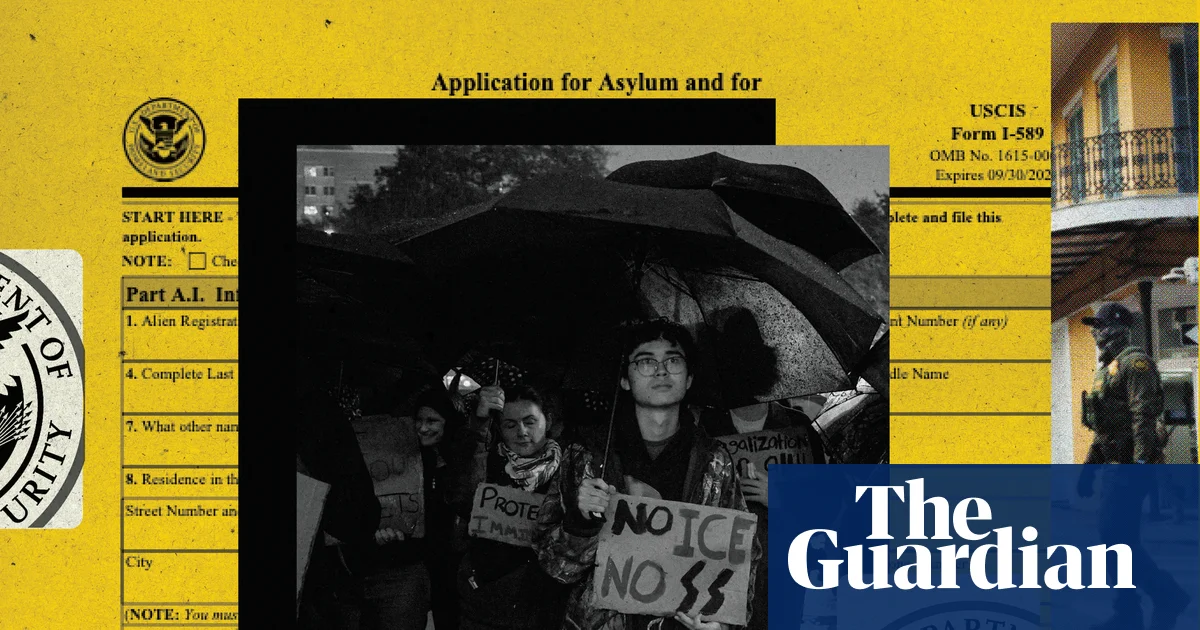
Trump vows to close America’s doors, mocks immigrants in bold stance on immigration

In a startling turn of geopolitical significance, recent events in the United States signal a dangerous escalation of racially charged rhetoric and anti-immigrant policies under Donald Trump’s ongoing presidency. The attack on two West Virginia national guards outside the Farragut West metro station near the White House was manipulated by the administration as a turning point, fueling a wave of discriminatory policies that threaten the social fabric of the nation. With the tragic death of Sarah Beckstrom and the critical wounding of Andrew Wolfe, the incident exposed both the vulnerabilities in the nation’s security apparatus and an alarming shift towards openly racist discourse. America’s leadership responded not with statements of unity or grief, but by focusing on the suspect’s immigrant background, specifically highlighting Rahmanullah Lakanwal, an Afghan refugee once affiliated with a CIA-linked Afghan force, who had been granted asylum after a thorough vetting process.

However, the real crisis lies beyond individual tragedies, as Trump and his allies intensify efforts to curtail immigration and target entire communities based on their ethnicity or country of origin. On the day after Thanksgiving, the president issued a stark decree to halt migration from all Third World Countries, accompanied by vows to denaturalize U.S. citizens and deport foreigners deemed incompatible with Western ideals. The unprecedented crackdown was justified with baseless fears of “failed states” crossing borders and recreating the chaos of their homelands, as Stephen Miller, a key architect of the policies, emphasized that migrants and their descendants carry the “conditions of their broken homelands” with them—a sentiment echoing some of the most historic racist rhetoric of the early 21st century. Such policies threaten to dismantle the very foundations of America’s tradition as a land of opportunity, with analysts warning that these measures could lead to mass deportations, discrimination, and the erosion of civil liberties for those from diverse ethnic backgrounds.

The geopolitical impact of these policies cannot be overstated. Targeting communities such as Somalis in Minnesota exemplifies the process of racializing immigration to galvanize political support, but it also frays international relations and undermines America’s moral standing. Leaders like Governor Tim Walz and members of Congress, such as Ilhan Omar, have been publicly insulted and marginalized, fueling societal division and xenophobia. Meanwhile, aggressive enforcement actions led by ICE have targeted cities like New Orleans and the Twin Cities, with officials announcing plans to arrest thousands of undocumented individuals—some of whom have been integral to local communities and economies. The declaration of a full travel ban on 32 countries announced by Kristi Noem further exemplifies this escalation, evoking memories of past bans condemned as unjust and illegal by legal experts such as Amanda Frost.

As these actions unfold, international organizations and analysts are cautioning that these policies could herald a new chapter of global instability, heightened racial tensions, and humanitarian crises. The United Nations and various human rights voices warn that the erosion of America’s commitment to asylum and legal immigration processes may serve as a precedent for other nations to follow, undermining decades of progress in international human rights standards. The meticulous balance of laws, human decency, and sovereignty now hangs precariously in the shadows of what could become one of the most contentious eras in American history.

This new wave of racial nationalism and authoritarian enforcement could very well set the stage for a future where the past’s darkest nightmares are realized on American soil. The fate of millions of foreign-born residents, refugees, and citizens alike remains uncertain, as a nation once lauded for its openness teeters on the edge of a new dark age—where the echoes of history’s worst chapters threaten to rewrite the American story itself, and the weight of these unfolding events serves as a stark reminder that the struggle for a truly just society is far from over. The pages of history continue to turn, and only time will reveal whether this chapter leads to renewal or the dawn of a new, divided era.

Social Media Auto Publish Powered By : XYZScripts.com



