
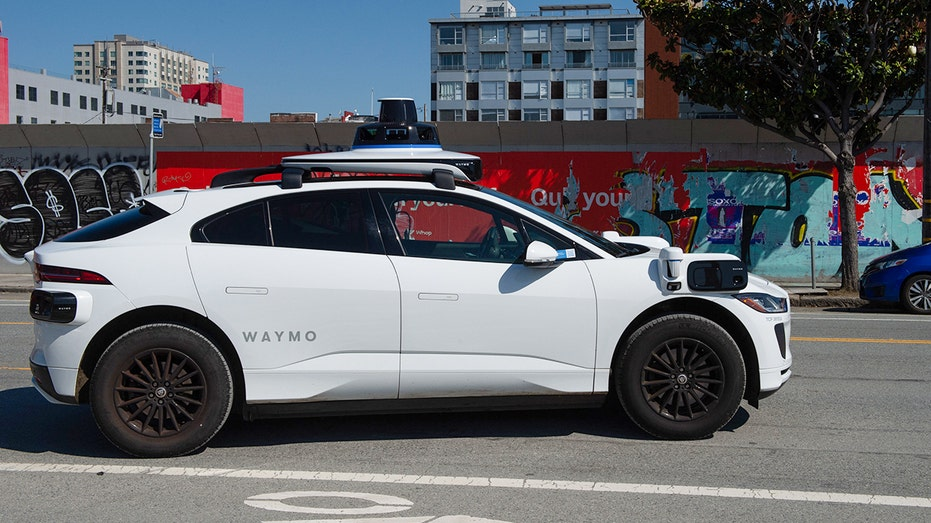

A California passenger recently experienced the unexpected pitfalls of autonomous travel when his Waymo robotaxi reportedly drove away from San José Mineta International Airport, leaving him stranded without his suitcase. The incident highlights emerging challenges in the rapidly developing sector of driverless transport, particularly concerning customer support and logistical reliability.
An Unsettling Airport Departure
Di Jin recounted his first journey with Waymo, an autonomous ride-hailing service, from Sunnyvale to San José Mineta International Airport for a business trip. The ride itself proceeded without issue until his arrival at the terminal. Upon exiting the vehicle, Jin attempted to retrieve his luggage from the trunk. Despite pressing the release button, the trunk remained closed.
In a turn of events that underscores the unique nature of driverless cars, the vehicle then pulled away from the curb, his suitcase still inside. This left Jin at the airport, stripped of his essential travel items, including a change of clothes and vital work notes, with no human driver to alert or flag down.
“You are watching your ride disappear, but there is no driver to flag down. There is no person at the wheel to hear you.”
Navigating Autonomous Customer Service
Immediately after the incident, Jin contacted Waymo customer service. According to reports, he was informed that the robotaxi was already en route to a depot and could not be recalled. This response presented a significant hurdle for retrieval, emphasizing the differences between traditional and autonomous ride services when issues arise.
Later, Waymo reportedly confirmed via email that his luggage had been safely secured at one of their depots. While this offered some reassurance that the bag was found, the subsequent process of actually reuniting Jin with his belongings became another point of contention, as detailed in a Fox News tech report. The initial offer to return the luggage reportedly fell short of the passenger’s immediate needs, raising questions about the flexibility and responsiveness of automated support systems in critical situations.
Implications for Driverless Technology Adoption
This incident, while seemingly minor, touches upon broader concerns regarding the widespread adoption of autonomous vehicles. Public trust in driverless technology hinges not only on safety during transit but also on the seamless resolution of unexpected practical challenges. The lack of on-site human intervention can transform a simple inconvenience into a significant problem for passengers.
As companies like Waymo continue to expand their services, ensuring robust, responsive, and user-friendly support mechanisms will be crucial. This includes not just technical support for the vehicle itself but also logistical solutions that account for human elements and potential errors in automated processes. Such events serve as valuable lessons for refining the operational protocols of future smart cities and transportation networks.
The experience of Di Jin at San José airport underscores the ongoing need for continuous improvement in the user experience of autonomous services. While the technology promises efficiency and convenience, it must also deliver reliability and effective problem-solving, even when the unexpected occurs.







