Matox News

Truth Over Trends, always!

El Paso No-Fly Fail Sparks Broader Drone Security Crisis for America

Broader Implications of Recent U.S. Anti-Drone Innovations Highlighted by El Paso Airspace Incident

The recent airspace closure over El Paso, Texas, has raised significant questions about the trajectory of U.S. nationally critical drone defense technologies. Although the closure lasted only eight hours, the incident underscores a pivotal shift toward energy-based weaponry as the future of short-range air defense systems. The event, initially attributed to potential incursion by Mexican cartel drones, appears now to involve the deployment of laser counter-drone systems supplied by AeroVironment—a company at the forefront of energy weapon innovations.

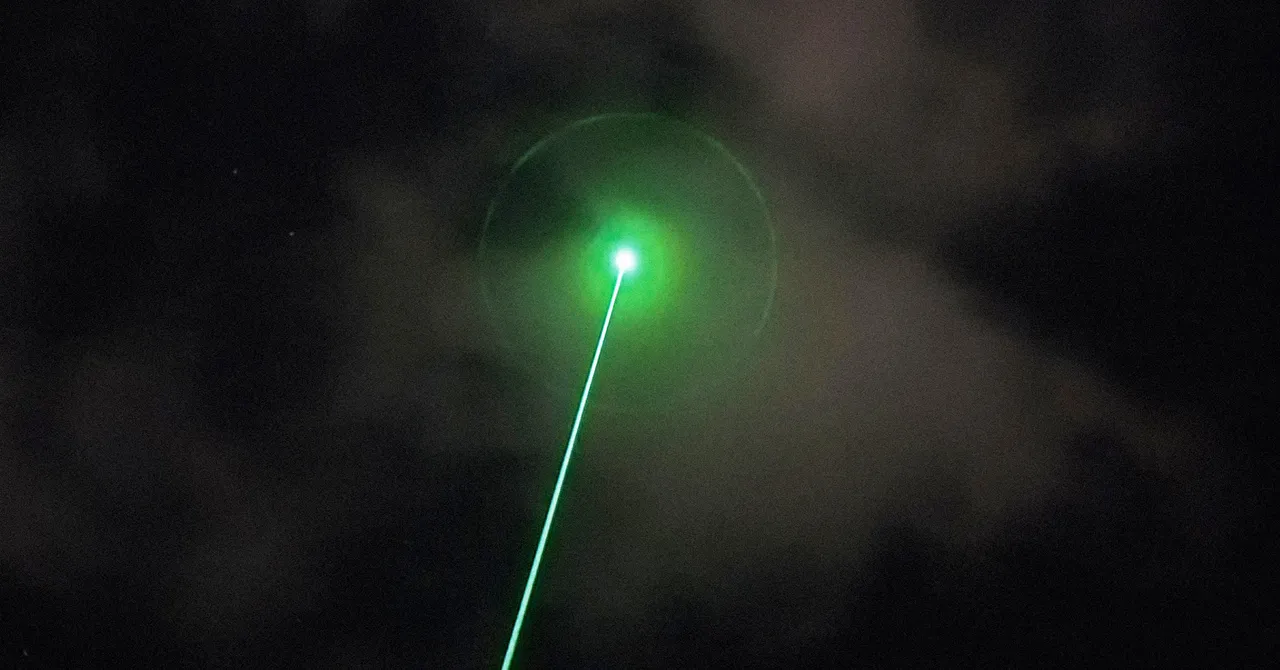
According to public reports, the defense system used was the LOCUST anti-drone laser, a 20-kilowatt directed energy weapon designed specifically for small drone neutralization. This marks a significant step in disrupting traditional air defense paradigms—moving away from bulky, costly interceptors toward lightweight, energy-efficient lasers. Industry analysts note that these systems have become particularly relevant given the proliferation of inexpensive and accessible drones. As high-powered microwave and laser defenses ramp up, a new era of energy-based warfare is emerging, potentially reshaping how national security responds to non-traditional aerial threats.

Innovation in Anti-Drone Technologies and Industry Disruption

The deployment of the LOCUST system, along with its subsequent acquisition by BlueHalo (a subsidiary of AV Inc.), signals a broader disruptive wave in defense innovation. The shift toward directed-energy weapons aligns with the U.S. Army’s ongoing experiments, such as the recent energy weapon tests aimed at establishing energy-based multi-mission defense capabilities. Such systems promise higher operational readiness, reduced logistics burdens, and faster response times compared to traditional missile-based systems.

  • Key features include portability, reduced cost per shot, and rapid engagement.
  • Recent developments have seen the delivery of multiple LOCUST units to the U.S. Army as part of the AMP-HEL program.
  • Industry leaders emphasize that energy weapons could soon become integral components of integrated air defense architectures.

Experts like Peter Thiel and institutions such as MIT predict that disruption driven by directed-energy systems will redefine battlefield paradigms, placing energy weapons as the preferred method of drone suppression. This technological leap favors agile, scalable defense solutions that could soon render legacy countermeasures obsolete, fundamentally shifting the market landscape and geopolitical dynamics.

The Future: A Race Toward Dominance in Energy-Driven Defense

What makes this shift urgent is the accelerating proliferation of low-cost drones, which can be deployed swiftly and in large numbers. The increasing affordability and accessibility of such hardware threaten to undermine established airspace security protocols, compelling both government and private sectors to prioritize energy-based defense innovations. As defense giants and emerging startups race to develop more sophisticated laser and microwave systems, the geopolitical stakes are higher than ever.

In this context, innovation and disruption are not merely buzzwords—they are the blueprint for national security and economic strength in the 21st century. The El Paso incident highlights that energy weapons, once relegated to science fiction, are now being operationalized at a rapid pace. The question for industry leaders and policymakers is clear: Who will lead this new arms race, and how will global power balances shift in the face of technological superiority? The future belongs to those who recognize that energy-based defense systems are not just an evolution—they are a revolution, demanding swift strategic adaptation to stay ahead of emerging threats.
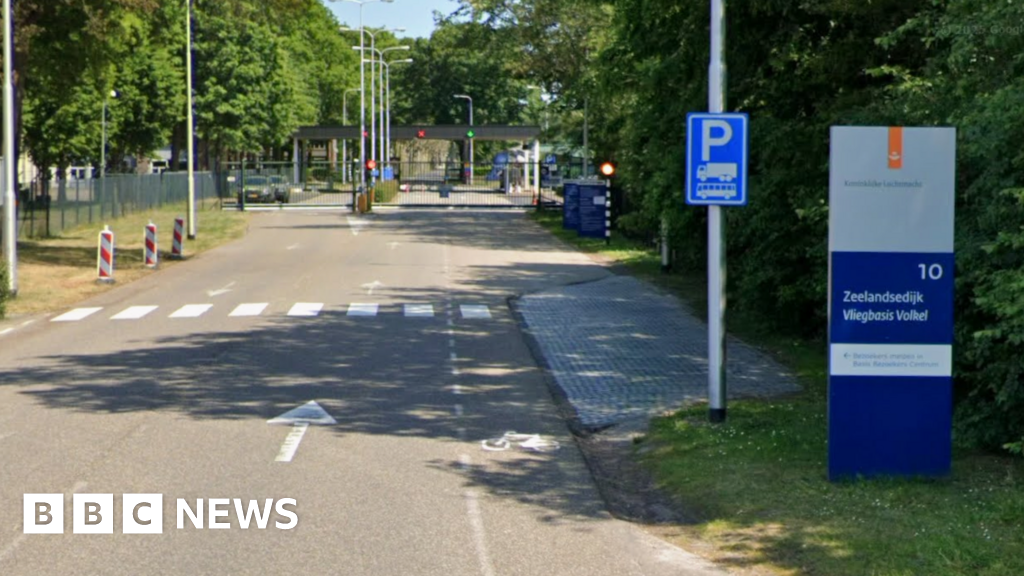
Drones Seen Near Netherlands’ Key Air Base—Security Concerns Rise

In recent weeks, the Netherlands and several neighboring European nations have been shaken by a series of unidentified drone sightings near military installations, raising serious questions about regional security and the new frontier of hybrid warfare. On Friday, unconfirmed drone activity was reported over Volkel Air Base, a critical NATO facility hosting both the Royal Netherlands Air Force and a U.S. Air Force squadron. Dutch officials confirmed that military personnel deployed weapons in an attempt to neutralize the threat, but the drones departed before recovery, leaving authorities unable to determine their origin or purpose. This incident marks a troubling escalation, part of a broader pattern of surveillance activity that has affected NATO allies across northern Europe—including Belgium, Denmark, and Germany.

The recurring sightings have sparked alarm among security experts and policymakers, with some describing them as an embryonic form of hybrid warfare aimed at destabilizing NATO’s eastern flank. Analysts from International Security Organizations warn that the increase in such acts could be a calculated effort by adversaries to test vulnerabilities in Europe’s defenses, especially as tensions with Russia persist. While Moscow has formally denied any involvement, many European officials suspect the Kremlin’s hand behind these incursions, citing the pattern of targeted NATO installations in countries supporting Ukraine. The underlying message appears clear: the landscape of international conflict has shifted, with non-traditional tactics now part of the geopolitical chessboard that shapes the future of European security.

In response, defense ministers from 10 EU countries have convened to form what they call a “drone wall,” a collective effort to enhance anti-drone measures and prevent further incursions. Some nations are investing heavily in counter-UAS technology, seeking to shield critical infrastructure from prying eyes and potential sabotage. However, the lack of concrete evidence connecting these incidents to specific actors underscores the delicate nature of modern information warfare. As international organizations like NATO and the EU grapple with establishing cohesive policies, a broader debate has emerged about how to adjust traditional security strategies to meet the challenges posed by autonomous aerial threats. The stakes are high; these incidents are not simply isolated security breaches, but potential preambles to a new era in global conflict where technological prowess and geopolitical calculus collide.

As history continues to write its tumultuous chapters, the geopolitical impact of these drone sightings is profound. They serve as a stark reminder that the boundaries of warfare are expanding beyond conventional battlegrounds. With nations on edge and alliances tested, it is clear that the delicate balance of peace in Europe is under unprecedented strain. The outcome of these developments hinges on decisions made now—decisions that will ripple across generations—and as the world watches, the shadow of conflict looms larger, awaiting its next move in the unfolding narrative of history.

India’s Airbound scores $8.65M to launch rocket-inspired drones for ultra-cheap deliveries

Airbound’s Disruptive Drone Innovation Promises to Revolutionize Last-Mile Delivery

In a move that could redefine last-mile logistics, Indian startup Airbound has secured $8.65 million in seed funding, led by Lachy Groom, co-founder of Physical Intelligence. The fresh capital infusion signals a growing industry interest in groundbreaking drone technologies capable of achieving one-cent delivery costs, threatening traditional logistics and delivery models globally. As the company embarks on pilot programs with Bengaluru’s Narayana Health and eyes expansion into the U.S., its innovations are poised to challenge entrenched delivery paradigms, emphasizing efficiency, lightweight design, and autonomous operation.

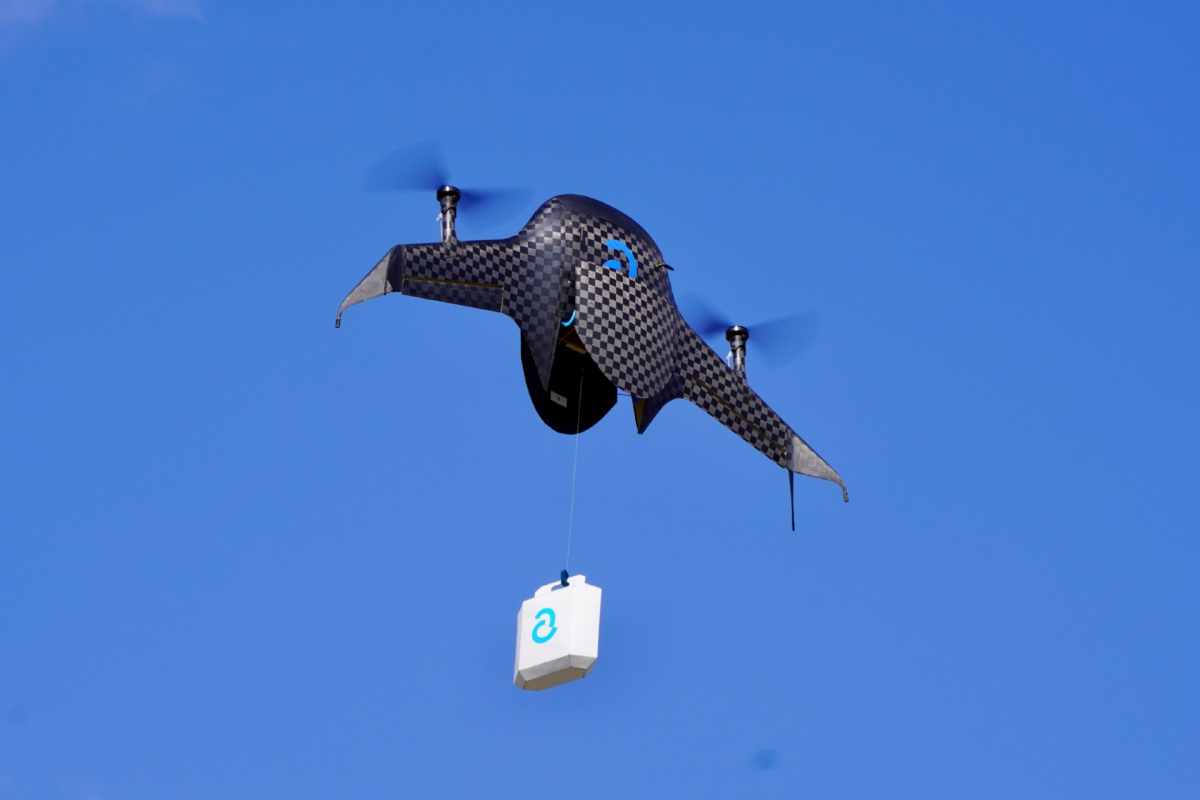
Key to Airbound’s disruptive edge is its ultra-light, blended-wing-body aircraft, the TRT drone, engineered explicitly for small payload deliveries. Pushp, the startup’s founder and CEO, emphasizes that current drone efficiency benchmarks are fundamentally broken, citing that “drone-to-payload weight ratios” are far from optimal. “You need four kilograms of drone to lift one kilogram of payload,” Pushp explains, highlighting the critical need for innovation in aerodynamic efficiency. By focusing on reducing drone weight — the initial prototype weighs around 3.3 pounds — and improving energy usage, Airbound intends to slash energy costs by 20 times, making one-cent delivery not just aspirational but practically achievable.

This strategic focus on technological innovation and cost reduction has broader business implications. Airbound plans to vastly expand manufacturing capacity, aiming to produce over 100 drones daily by 2027 and scaling deliveries to a million daily within two years. Such ambitious growth demands a paradigm shift from traditional delivery fleets towards autonomous, highly efficient drone networks. Industry experts from institutions like MIT and analysts at Gartner recognize this trajectory as part of a broader wave of disruption, which could eventually render legacy last-mile logistics providers obsolete or force them into strategic pivots. As Pushp underscores, “logistics is intrinsically a physics problem”—emphasizing that success hinges on minimizing weight and maximizing efficiency.

The implications are profound: if startups like Airbound harness this disruptive innovation, they could accelerate a global transformation in sectors beyond medical logistics—spanning quick commerce, food delivery, and other last-mile services. This rapid evolution demands regulatory agility; Airbound is already engaging with authorities such as India’s Directorate General of Civil Aviation (DGCA) and planning to expand into the U.S., a market highly receptive but heavily regulated. Such efforts align with broader trends where regulatory technology and industry standards evolve alongside breakthrough innovations, fueling accelerated deployment. As Elon Musk and Peter Thiel have noted, the future belongs to those who innovate faster and challenge traditional industries, and Airbound’s trajectory exemplifies this ethos.

Looking forward, the race for drone supremacy is intensifying, with startups and established giants alike vying for dominance. Airbound’s strategic focus on lightweight design, energy efficiency, and cost effectiveness positions it as a frontrunner in this high-stakes arena. In the coming years, the deployment of thousands of autonomous, low-cost drones could reshape entire logistics ecosystems, forcing incumbents to adapt or risk obsolescence. As the industry approaches the cusp of mainstream adoption, it’s clear that innovation-driven disruption is here—and acceleration is imperative for those seeking to lead in the future of connected, autonomous delivery networks. The clock is ticking; the future of commerce belongs to those bold enough to harness the power of the skies.

Zelenskyy: Russia's Brutal Strike Includes 500 Drones and 40 Missiles on Ukraine – Live Update
Zelenskyy: Russia’s Brutal Strike Includes 500 Drones and 40 Missiles on Ukraine – Live Update

International Tensions Surge as Russia Unleashes Massive Attack on Ukraine and NATO Responds

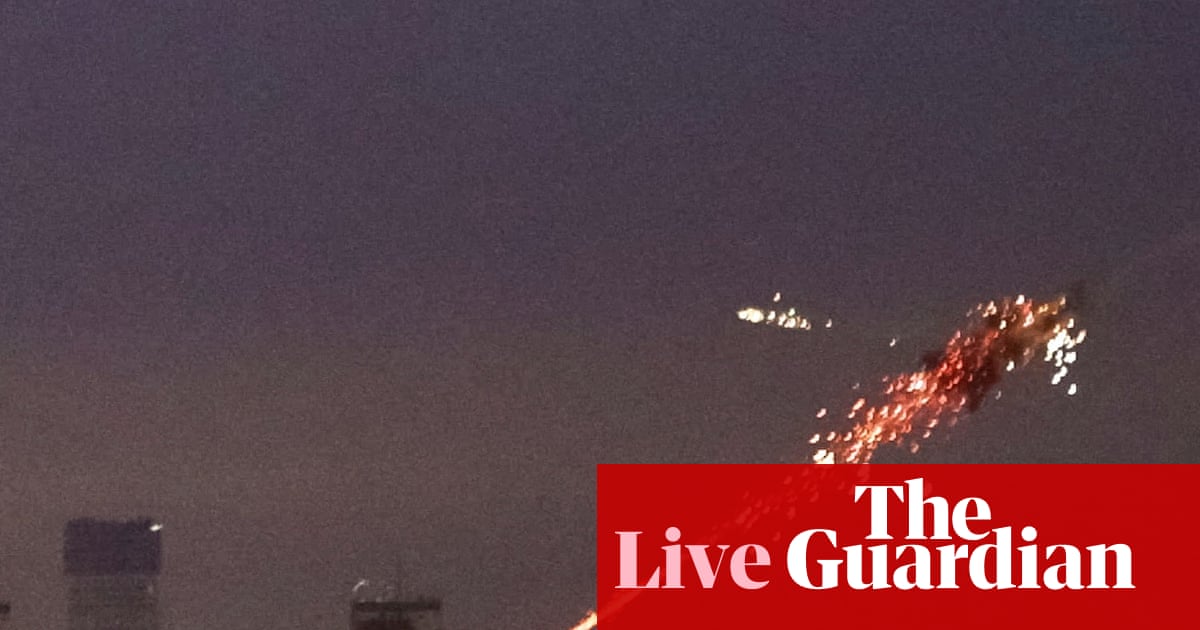
The ongoing conflict between Russia and Ukraine has entered a perilous new chapter, with Moscow launching an unprecedented barrage of military strikes that threaten regional stability and global order. According to Ukrainian President Volodymyr Zelenskyy, over 500 drones and more than 40 missiles targeted multiple regions at once, causing widespread destruction and civilian casualties. Kyiv, the heart of Ukraine’s resistance, was hit with devastating force—an attack the Ukrainian leader describes as part of Russia’s ‘vile attack’,’ aimed not only at strategic infrastructure but at undermining the resilience of Ukraine itself. Analysts warn that such brute force underscores Russia’s determination to continue the war despite mounting international pressure and economic sanctions.

The geopolitical impact of these events resonates far beyond Ukraine’s borders. Poland’s military responded swiftly, scrambling fighter jets and raising alerts near the border, signaling that the conflict’s reach extends into NATO territory. The alliance, already tense due to recent Russian violations—more than 20 drone incursions into Polish airspace last month and accusations from Estonia and Romania—faces a stark choice: confront Russian aggression directly or allow incremental escalations to dismantle European security one drone at a time. NATO officials and military strategists emphasize that recent violations, including alleged Russian fighter jets over Estonia and near Romanian skies, test the alliance’s resolve and unity. As Andrius Kubilius, EU’s defense commissioner, highlights, Europe is moving rapidly towards establishing a formidable ‘drone wall’ at its eastern flank—an essential defense mechanism to prevent further incursions and signal that Western resolve is unwavering. Historians caution that the current crisis is a pivotal moment reflecting the shift towards a new confrontation of global powers with a Russia emboldened by its energy resources and shadow navy, benefiting from “continuing war and terror.”

Meanwhile, Vladimir Putin’s Kremlin remains unbowed, claiming that their forces targeted Ukraine’s military-industrial complex and infrastructure—an assertion met with skepticism by Western allies, who see this as yet another layer of Russian escalation. Ukraine’s widespread counterattack, including drone strikes and missile attacks, demonstrates the escalating intensity of the conflict, with Kyiv’s residents fleeing to metro stations amid relentless bombardments. This campaign of destruction is a calculated effort to break Ukrainian resistance and demonstrate raw Russian power on the international stage. The strikes send a clear message: Russia intends to fight to the bitter end, wielding military might as a tool of coercion and territorial assertion.

The very fabric of European security is under threat, with NATO members like Poland, Estonia, and Romania raising the alarm. Russia’s recent breaches, in combination with its denied involvement, reveal a clear strategy to destabilize the alliance from within. The escalating tension cautions the West that the time for passive diplomacy may have long passed, replaced by the urgent need for decisive collective action. As geopolitical analysts warn, “The specter of a broader conflict — and perhaps a direct confrontation between NATO and Russia — looms ever larger,” underscoring the gravity of the unfolding crisis. With Russia’s military and political posture in flux, the global community stands at a threshold, witnessing how decisions made today will shape history’s next chapter—whether in the preservation of sovereignty or in the descent into a new era of conflict.

Russian Missiles and Drones Pound Ukraine as Poland Ships Jets to Defend NATO Borders

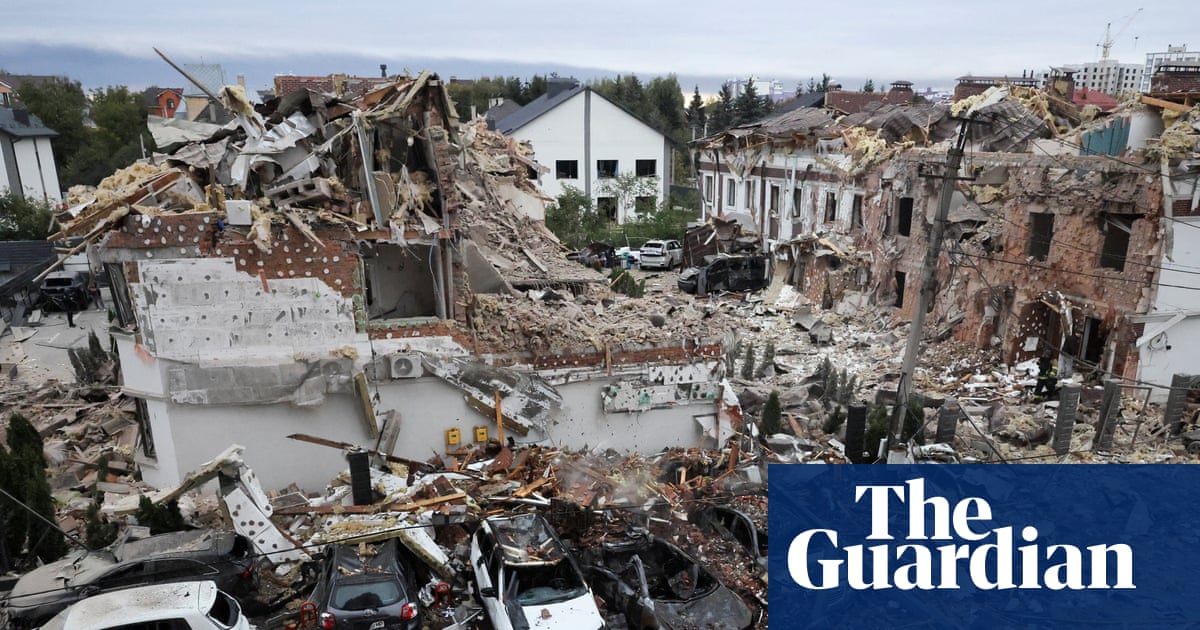
The escalating conflict in Ukraine has once again plunged the region into chaos, with Russian forces deploying an unprecedented barrage of hundreds of drones and missiles early Sunday. The attack, resulting in at least four civilian deaths—including a 12-year-old girl—and dozens of injuries, underscores the persistent threat of Russia’s military strategy of targeted strikes against civilian infrastructure. Ukrainian officials, including Foreign Minister Andrii Sybiha and Kyiv’s mayor, Vitali Klitschko, have described the missile attack as a clear violation of international norms, emphasizing the deliberate targeting of residential areas. Analysts, such as those from NATO and the European Union, warn that this pattern of aggression aims to break the will of the Ukrainian people and test Western resolve.

The geopolitical impact of these assaults extends beyond Ukraine’s borders, particularly in neighboring Poland and the broader NATO alliance. Poland, a key front-line state and member of NATO, quickly activated its military response by scrambling fighter jets and elevating ground-based air defenses—the move described as “preventive” to secure airspace in the face of increasing Russian incursions into regional skies. The swift Polish reaction demonstrates how Russia’s military actions are strategically designed to destabilize neighboring NATO countries. This aggressive posture has prompted renewed calls for a cohesive Western response, with some strategists warning that Moscow’s intention is not only to bully Ukraine but to test the West’s capacity for collective defense, potentially opening new corridors for conflict across Europe.

Furthermore, Ukrainian President Volodymyr Zelenskyy has publicly accused Russia of deliberately probing Europe’s defenses, citing recent drone sightings over Denmark, Romania, and incursions into Estonian airspace. Zelenskyy’s assessment aligns with intelligence reports suggesting Russia’s goal is to destabilize NATO institutions and soften European resistance, preparing conditions for broader conflict. “Putin will not wait to finish his war in Ukraine,” Zelenskyy warned at the UN, suggesting that Moscow’s ambitions might eventually expand beyond Ukraine’s borders. Meanwhile, Russia’s Foreign Minister Sergei Lavrov dismissed Western concerns, warning the international community that any aggression against Russia would be met with a *“decisive response”*. This rhetoric indicates that the dispute has reached a dangerous crossroads, where diplomatic talks are overshadowed by threats of escalation.

  • Russian missile strikes result in civilian casualties, emphasizing the human cost of ongoing hostilities.
  • Poland and NATO ramp up air defenses as Russian actions threaten regional stability.
  • European nations face increasing pressure to address Ukraine’s security challenges amid Russia’s strategic testing.
  • International organizations and military analysts warn that escalation risks pushing Europe toward a broader conflict.

Historians and geopolitical analysts warn that the current dynamics could redefine the European security calculus for decades to come. Some suggest that Russia’s increased military harassment signals an intent to erode NATO’s unity or leverage chaos for diplomatic gains. The EU’s plans for a drone wall—a significant development aimed at creating a layered defense system—highlight the continent’s urgent efforts to counteract Moscow’s calculated destabilization. Yet, amid these measures, the risk of miscalculation or unintended escalation looms large.

The world watches with bated breath as the sun rises over shattered cities and scars on the European continent deepen. As diplomats scramble and armies stand on heightened alert, history’s pen continues to write the next chapter—one where the stakes are nothing less than the survival of sovereignty and the balance of power in an increasingly volatile globe. This conflict is no longer just about Ukraine; it is a wake-up call echoing through the corridors of international diplomacy about the true cost of unchecked aggression. The arc of history bends toward an uncertain future, and only time will reveal whether nations will unite to halt the descent into chaos or succumb to inevitable consequences.

Social Media Auto Publish Powered By : XYZScripts.com