Matox News

Truth Over Trends, always!

Syria’s Sharaa Lands in US for Trump Talk as Sanctions Drop

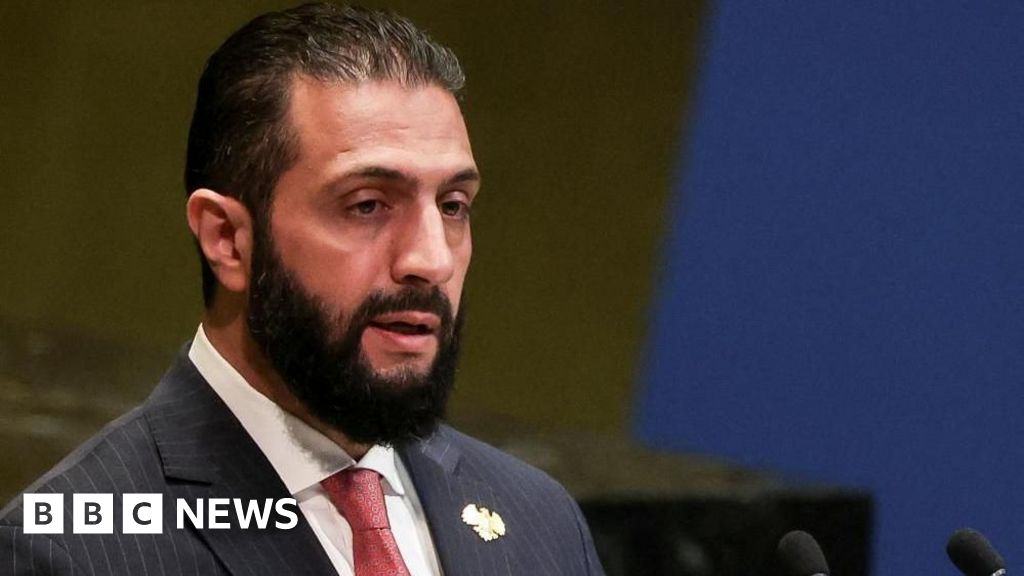
In an unexpected political development, Syrian President Ahmed Sharaa arrived in Washington for an official visit, marking a significant shift in regional diplomacy. Just days prior, the U.S. government revoked his designation as a Specially Designated Global Terrorist, a move that signals Washington’s tentative readiness to reconsider its stance toward Syria’s emerging leadership. This diplomatic overture comes amid ongoing efforts to stabilize Syria after over a decade of brutal civil war and the uncertain future of the Assad regime, which has long been isolated by Western sanctions and international sanctions regimes.

Sharaa’s visit is noteworthy not only because of his past associations with militant groups but due to the broader geopolitical impact it could have on the Middle East and international efforts to contain terrorism. Days before his arrival, Syrian security forces announced the detention of 71 suspected Islamic State fighters, seizing weapons and explosives in a serial crackdown involving Syrian allies. The timing underscores the complexity of Syria’s security landscape, where at once, authorities are pursuing extremist remnants while attempting to re-engage with the international community. Analysts underscore that these joint efforts to diminish ISIS’s hold reflect a broader strategy to restore stability and rebuild Syria’s fractured state, a feat that will have repercussions far beyond its borders.

Since assuming office, Sharaa has aimed to reassert Syria’s presence on the global stage. His recent speech at the UN General Assembly, where he advocated for the removal of sanctions, echoes this intent, emphasizing a reclaiming of Syria’s rightful place among nations. The United Nations Security Council‘s endorsement of a US resolution to lift sanctions further signals a potential diplomatic thaw, although persistent internal violence and factional rivalries cast a long shadow on the prospects of peace. Historically, diplomatic analysts point to such decisions as pivotal—potential turning points—whose outcomes could either usher in a fragile new era of cooperation or deepen ongoing conflicts.

Nevertheless, the path toward national reconciliation remains fraught with challenges. Despite being removed from US sanctions lists—once associated with extremist groups like Hayat Tahrir al-Sham (HTS)—Sharaa’s past record as a militant and his earlier ties to al-Qaeda have generated skepticism among international observers. The US continues to weigh its enforcement policies carefully, balancing concerns over stability against fears that premature easing could empower factions that may undermine the peace process. As historians warn, decisions made now may determine whether Syria emerges as a unified, stable state or descends further into chaos, testing the resilience of regional and global security frameworks.

The story of Syria is far from over. With each diplomatic handshake and each crackdown, history’s ink begins to write anew. The stakes are monumental—not just for Syria, but for the world—to watch as a nation scarred by war teeters on the brink of either resurgence or collapse, with the echoes of history urging the international community to choose wisely amidst the tumult of uncertainty.
Starmer’s Grooming Gang Probe Sparks Chaos as Two Survivors Drop Out

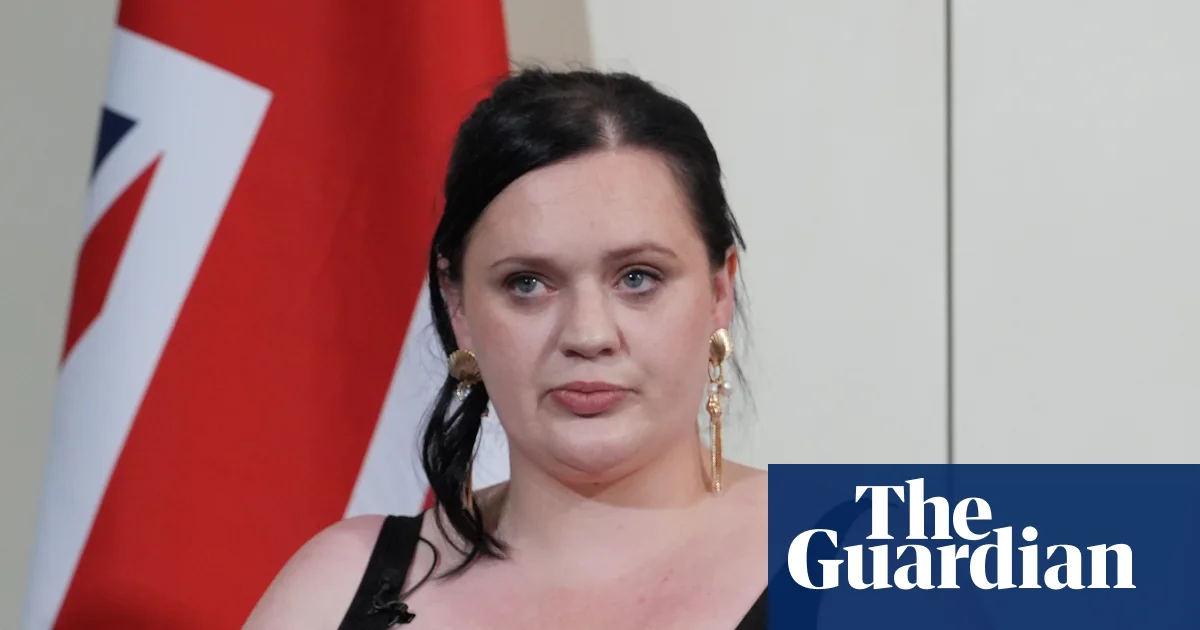
The ongoing crisis surrounding Keir Starmer’s national grooming gang inquiry underscores a broader societal failure to prioritize justice for victims and to confront deeply rooted social and institutional issues. Recent revelations, including resignations from key oversight panel members such as Ellie-Ann Reynolds and Fiona Goddard, reveal a disturbing pattern of political interference and disrespect toward survivors’ voices. These developments threaten to stall an inquiry that is essential not only for uncovering truths but also for safeguarding families and communities that are victims of these heinous crimes.

In an era where social trust is fragile, and the integrity of justice institutions is often called into question, the controversy surrounding this inquiry exposes a climate of cynicism and bureaucratic opacity. Survivor advocates warn of a watering down of investigations, fearing that political interests, exemplified by local figures such as West Yorkshire’s mayor Tracy Brabin, are pushing for an expanded scope that might dilute focus and delay justice. Sociology experts argue that this approach, reminiscent of the long and painful path of the IICSA inquiry, risks once again turning a blind eye to specific victims and local realities. Consequently, communities face a heightened sense of betrayal, especially for families bearing the scars of complex social failures.

Demographic and cultural shifts continue to shape the social fabric, fueling tensions and highlighting the need for precise, community-focused investigations. Researchers such as sociologist David Brooks emphasize that while expanding the scope might appear to address larger regional issues, it also endangers targeted justice. Critics assert that efforts should be centered on proven victims and local authorities’ knowledge, rather than broad strokes that risk obscuring accountability. This debate, however, is not merely a matter of logistics but touches moral depths: how society ensures respect for victims’ dignity and accountability for systemic failures.

Embedded within these narratives are profound questions about social trust and the role of public institutions. Leaders like Gamble and Hudson face mounting scrutiny over their potential conflicts of interest, with fears that service providers may have previously concealed criminal acts or abused their authority. As social commentators remind us, history demonstrates that trust in social institutions—schools, police, social services—is vital for building resilient communities. When that trust erodes, so too does the fabric that holds societies together, leaving families isolated and vulnerable to the forces of corruption and misinformation.

  • Survivors demand genuine justice that zeroes in on localities and proven cases
  • Concerns over political interference threaten the integrity of investigations
  • Expanding inquiry scope risks delaying resolution and diluting accountability
  • Corruption and systemic failings continue to undermine public trust

Ultimately, this turbulent episode reflects a society at a crossroads—a community grappling with its past and uncertain future. The resilience of families, the integrity of our social institutions, and the recognition of victims’ rights all hinge on our collective resolve to confront uncomfortable truths. Moving forward, there lies an opportunity to forge more transparent, community-centered approaches that restore faith and foster genuine healing. Society’s greatest hope resides in its capacity to learn from its failures, to rebuild with honesty, and to ensure that every child’s voice is heard and protected. As history teaches, only through unwavering commitment to justice and accountability can society truly evolve beyond its wounds, transforming pain into a catalyst for lasting change.

Social Media Auto Publish Powered By : XYZScripts.com