Matox News

Truth Over Trends, always!

US Justice Department drops Millions of Epstein files, exposing the truth behind a dark chapter

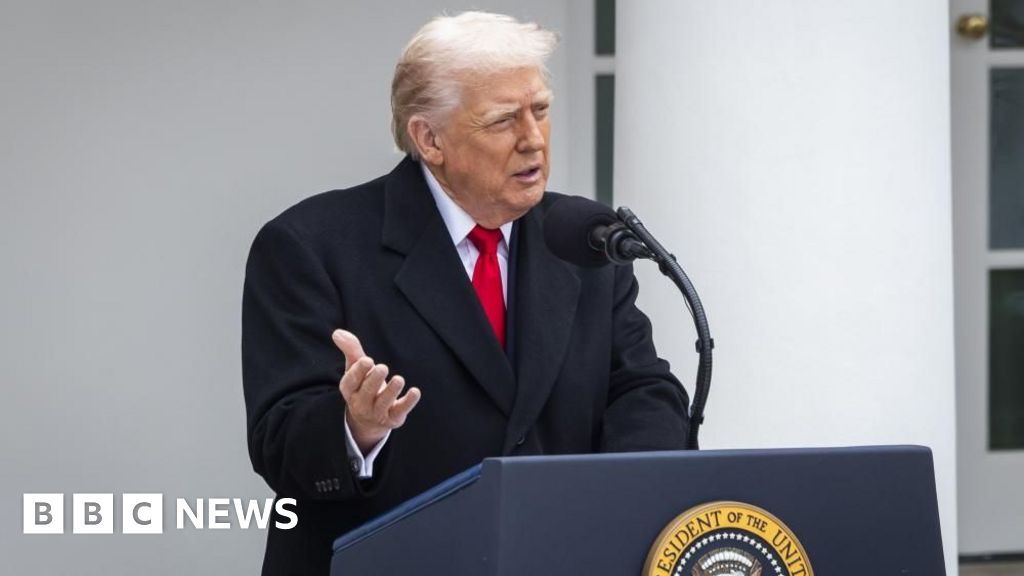
The United States Justice Department has recently publicly dismissed allegations concerning former President Donald Trump, highlighting the political undercurrents that continue to shape American domestic and international landscapes. In a statement, officials emphasized that many of the documents containing *untrue and sensationalist claims* against Trump, submitted to the FBI just prior to the pivotal 2020 election, are fundamentally baseless. “To be clear,” the DOJ declared, “the claims are unfounded and false, and if they have a shred of credibility, they certainly would have been weaponized against President Trump already.” This ongoing narrative underscores the deep political fissures within the US and reveals how internal conflicts influence diplomatic decisions, often with ramifications beyond its borders.

Analysts interpreting this development suggest that domestic political factions have capitalized on the chaos surrounding Trump’s post-presidential investigations to influence global geopolitics. Some experts warn that these internal power struggles have the potential to undermine the coherence of American foreign policy, especially as the nation faces increasing pressure from rising competitors like China and Russia. Historically, by weaponizing legal processes, powerful factions within Washington have sought to weaken political adversaries, exporting this internal strife onto the international stage. International organizations such as the United Nations have repeatedly called for stability, yet the ongoing political chaos in the US threatens to create a vacuum in leadership and global influence.

Furthermore, how decisions made within the US legal and political machinery impact other nations cannot be underestimated. Countries aligned with the US often find their interests swayed or compromised by the shifting priorities and internal unrest in Washington. As the Biden administration navigates these crises, allies and adversaries alike observe with keen interest, questioning whether the US can sustain its role as a global leader amid the turbulence. International historians and geopolitical analysts warn that such internal turmoil risks emboldening rivals, who see opportunities to test American resolve and expand their influence. The narrative of justice, legality, and political neutrality is now intertwined with the larger story of national stability and whether the US can uphold its commitments in a fractured political landscape.

As this saga unfolds, the weight of history presses heavily upon the shoulders of those who shape the future. From the corridors of power in Washington to the chancelleries of Beijing, Moscow, and beyond, the relentless tide of political upheaval continues to redefine the contours of international diplomacy. The question remains: will the internal discord forge a new epoch of decline, or will resilience and reform restore the stability necessary for global leadership? Only time will tell, but one thing is clear: the course of history, once again, hangs in the balance—as the world watches, awaiting the next chapter in this unfolding drama.

Brand Beckham drops the ultimate clapback costume — and the fashion game just got more fierce

In an era where celebrity branding is less about talent and more about strategic image manipulation, the recent spectacle surrounding the Beckham family exemplifies this evolution. Over the past week, the media has been captivated by a series of social media revelations from Brooklyn Beckham that expose unseen cracks within one of the world’s most meticulously crafted dynasties. Meanwhile, David Beckham’s appearance at Paris Fashion Week, wielding a rare Hermès bag and a sashiko-dyed jacket, signals yet another chapter in the art of using fashion as a subtler form of communication. These shifts in behavior underscore how modern celebrities, especially those embedded in traditional institutions like the royals or famed families, are increasingly using clothing and public appearances as signals—either for unity or to send a hint of discord.

Fashion’s role as a social language is nothing new—think of Princess Diana’s iconic looks or Wallis Simpson’s modern take on regal style—yet today’s spectacle is amplified by social media’s immediacy. Influencers, sociologists, and brand strategists argue that what these figures wear isn’t just about aesthetics; it’s about shaping public perception. David Beckham’s choice of sashiko—an *ancient Japanese technique of visible mending*—may seem trivial, yet experts like brand consultant Andy Milligan suggest it could be a deliberate semiotic message. Are Beckham’s wardrobe choices a covert nod of resilience, a statement of humility, or simply a comfortable choice? The current climate makes it increasingly difficult to discern whether these “fashion statements” are organic expressions or carefully curated signals crafted by a team of image architects working behind the scenes.

At the same time, the family melodrama—highlighted poignantly by Brooklyn Beckham’s emotional social media exposé—reflects a broader shift in societal attitudes. In this digital age, transparency is currency, and celebrities are no longer passive figures; they are active participants in shaping their narratives, often blurring the line between authenticity and performance. Though Brooklyn’s claims paint a stark picture of family conflict, critics warn that such revelations serve a dual purpose: they keep the Beckham brand in perpetual conversation, attuned to the shifting values of a social media-driven generation. This combination of high fashion, family feud, and social media theatrics sets the stage for a powerfully modern brand of public spectacle—one where image is everything and vulnerability is often strategic.

Looking ahead, one has to ask: as families and celebrities fine-tune their appearance for both the camera and the subconscious, what does this say about the *future* of influence? Will fashion and personal narrative become so intertwined that the authentic self is forever mediated through carefully edited symbols? Or is this an inevitable sign of a society where every gesture, every garment, is a piece of the puzzle in a sprawling game of perception management? With the lines between reality and spectacle increasingly blurred, it seems the next big question for youth and society alike is: *are we witnessing the dawn of a new era where true authenticity is the ultimate act of rebellion?*

Hisense Drops Stylish 32-Inch QLED S5 DécoTV for Just $299.99 at Amazon—The Perfect Blend of Tech and Trend for Young Fans

Revolutionizing Small-Space Living: The Cultural Shift Toward Affordable, Aesthetically Pleasing TVs

In a move that is reshaping how younger generations perceive home entertainment, Hisense recently introduced a sleek new addition to the TV market — the 32-inch DécoTV QLED Fire TV. Priced at just $299.99 on Amazon, this device exemplifies a fascinating trend: the merging of affordable price points with high-end aesthetics. Gone are the days when a practical TV was synonymous with bulky, utilitarian design. Now, thanks to models like Hisense’s latest release, small living spaces such as apartments, bedrooms, and kitchens are becoming focal points for a new cultural wave. These TVs are not just tools for entertainment; they serve as stylish design statements, echoing broader societal shifts towards personalized, Instagram-worthy living spaces.

The Social and Cultural Impact of Design-Oriented Tech

The Themes of form and function are blending in ways that challenge traditional notions of what a television should be. The Hisense DécoTV, with its art-inspired white curved stand, signifies more than just a technology upgrade — it embodies a cultural move towards minimalist elegance and spatial efficiency. Influencers and lifestyle experts are increasingly focusing on the idea that every item in a home should serve both purpose and style. Sociologist Dr. Lisa Chang argues that this trend reflects a broader societal recognition of the importance of visual harmony and personal expression within our living environments. For the digital-native youth, the TV is now a central aesthetic element, a device that complements their curated lifestyles rather than just serving as a screen for binge-watching.

Technology and Lifestyle: A Symbiotic Relationship

Beyond aesthetics, these new budget-friendly TVs carry cutting-edge features that enhance lifestyle convenience. The Hisense S5 DécoTV Fire TV sports an intuitive platform that makes content discovery effortless, aligning perfectly with the tech-savvy nature of younger users who prefer their devices to seamlessly integrate into their daily routines. Moreover, the emphasis on brightness for small spaces showcases an understanding of modern living—most viewers watch during daytime, whether multitasking in the kitchen or relaxing in their bedrooms. The introduction of QLED technology in such affordable models signifies a breakthrough in delivering high-quality visual experiences, especially vital for watching sports or vibrant content in well-lit environments.

This synergy between technology and social behavior pushes the cultural narrative of personal space and self-expression ever forward. Influencers like @ModernLiving and trend analysts note that these TVs are more than gadgets; they’re mediums of self-expression and social engagement. As a result, home entertainment transforms from a purely functional necessity into a lifestyle statement, where affordable design-driven tech fosters a sense of individual identity, especially among younger demographics eager to express their taste without breaking the bank.

The Next Big Question

As the market continues to evolve with these stylish yet budget-conscious TVs, a compelling question looms: Will this shift alter the larger consumer electronics landscape, encouraging brands to prioritize aesthetics and social relevance alongside technological innovation? With small living spaces becoming the norm, and a culture increasingly centered on visual harmony and personal branding, the future of home entertainment might hinge less on size and more on how well these devices integrate into our social identities. Could this be the beginning of a new era where affordability, aesthetics, and social relevance create a new standard for all consumer tech? Only time will tell, but one thing’s clear — the way we define cutting-edge is becoming as much about style and social meaning as it is about technical specs.

Georgia prosecutor drops charges against Trump in 2020 election case

Georgia Case Dismissal Becomes Turning Point in US Political Arena

The recent decision by a Georgia prosecutor to dismiss the 2020 election-interference case against President Donald Trump marks a significant juncture in the ongoing saga of American political conflict and legal battles. Pete Skandalakis, acting as the chief legal authority in this case, filed a motion to dismiss after former District Attorney Fani Willis was disqualified due to a scandal involving a romantic relationship with a special prosecutor. This move signals not only a legal reevaluation but also a potential shift in the wider understanding of justice and accountability within the United States. While partisan voices have claimed victory, analysts warn that the consequences extend far beyond a simple legal victory or defeat.

Initially, the case was launched in response to a recording of Trump’s January 2, 2021 call to Georgia’s Secretary of State, Brad Raffensperger, where he requested assistance to find enough votes to overturn his loss in the state. This event, widely regarded as a turning point in American political history, prompted allegations of conspired election interference. However, critics argue that the case became emblematic of what many see as a politically motivated pursuit rather than a pursuit of justice. As historians and international observers have pointed out, such internal conflicts threaten the fabric of U.S. democratic institutions, especially when legal proceedings become entangled with partisan disputes.

The geopolitical impact of this case is profound. The United States, long regarded as the global beacon of democracy, finds itself grappling with internal fractures that undermine its influence worldwide. Allies and adversaries alike are watching closely, noting how internal legal conflicts are impacting America’s international image. The United Nations has expressed concern, urging the rule of law to be upheld without bias, but many analysts believe the episode underscores the broader risks to American credibility on the world stage. Countries that depend on U.S. leadership for global security and economic stability now see a nation internally divided, mirroring internal civil conflicts and tests of constitutional resilience.

The decision to dismiss the case against Trump, which included charges against 18 co-defendants such as Rudy Giuliani and Mark Meadows, is viewed by supporters as a step towards restoring judicial fairness. Yet, critics argue that the move entrenches divisions within a society already polarized by contentious elections and selective justice. International organizations warn that if the U.S. cannot resolve these internal disputes transparently and objectively, its ability to lead global efforts—whether on climate change, trade, or security—may be compromised. The stakes are high, and history has shown that internal conflicts within dominant powers often ripple outward, influencing global stability.

As the dust settles on this pivotal moment in America’s legal and political history, the world is left to witness its repercussions. This saga is far from over: a nation’s internal struggles now play out on the stage of world history, where the decisions of its leaders and the course of justice will shape the future of democracy itself. In the shadows of courtrooms and presidential debates, history is quietly watching, waiting to see if the United States can heal its wounds or if these divisions will carve deeper scars into its sovereignty—a crucible where democracy itself faces its ultimate test.

UN Climate Summit Drops Fossil Fuel References from Draft Deal

World Stands at a Crossroads as COP30 Negotiations Enter Critical Final Phase

The COP30 climate summit in Belém, Brazil has reached a pivotal moment, with international leaders and activists watching closely as the negotiations approach their conclusion. At its core, the summit aims to forge a comprehensive global response to the escalating climate crisis, but deep divisions threaten to undermine the very goals it seeks to achieve. The intense diplomatic standoff revolves around one of the most contentious issues: the future of fossil fuels. Despite mounting scientific consensus—highlighted by climate experts from organizations like the Intergovernmental Panel on Climate Change (IPCC)—the draft deal now omits any direct mention of fossil fuels, the largest contributor to modern climate catastrophe. This omission marks a significant turning point, signaling the growing influence of oil-producing nations’ interests over global climate action.

In recent years, international forums such as COP have made progress on renewable energy adoption and conservation efforts. However, the current negotiations reveal a stark reality: the global elite remains fractured along geopolitical lines, pitting powerful oil-exporting nations against the push for accelerated transition to clean energy. Countries including Saudi Arabia, Russia, and India actively oppose stronger language targeting fossil fuels, citing economic dependency and sovereignty concerns. French Environment Minister Monique Barbut warned that these nations are effectively blocking the deal; their stance is driven by fears of economic destabilization and political influence, all while the climate crisis accelerates unabated. The latest proposals, which included pathways to phase out fossil fuels, have been dropped under these pressures, frustrating advocates who see this as a dire setback in global climate governance.

The summit has also been overshadowed by on-the-ground unrest, with indigenous groups and environmental activists vehemently protesting what they perceive as a betrayal of their future. At the summit’s edge, members of the Munduruku indigenous movement demonstrated fiercely, insisting their land and livelihoods are being sacrificed for corporate profits. Throughout the summit’s duration, campaigners have carried banners reading “Stop Amazon oil,” and chanted “Fossil fuels out,” emphasizing the impact of deforestation and resource extraction. As the Brazilian Amazon faces increasing deforestation—an issue that normally would be central to discussions—language on this front has also been watered down, igniting criticism from conservationists and indigenous leaders alike. Kelly Dent, from World Animal Protection, lamented that “for a COP hosted in the Amazon, it’s shattering that deforestation is taking a back seat,” highlighting how environmental and cultural concerns continue to be marginalized during these high-stakes negotiations.

Throughout its two-week course, the summit has been marked by dramatic interruptions—including evacuations prompted by protests and fires—underscoring the volatile intersection of environmental activism and geopolitics. Many analysts warn that the outcome of COP30 will largely depend on whether the 194 participating nations can break their deadlock. While some representatives, including President Luiz Inácio Lula da Silva, advocate for immediate and ambitious measures, the reality remains tangled in geopolitical interests. The debate over climate finance adds another layer of complication, with poorer nations demanding stronger commitments—or risk being left behind in the global effort to combat climate change. The draft now calls for the tripling of climate financing by 2030, yet critics dismiss this as insufficient, harking back to last year’s criticisms of COP’s unfulfilled promises.

As history continues to unfold in Belém, the choices made—and the compromises accepted—will determine whether this summit becomes a turning point for hope or another chapter in a long saga of broken promises. With each fiery protest, each diplomatic capitulation, the future of our planet hangs by a fragile thread, teetering on the edge of irreversible change. Whether the world awakens to its collective responsibility or sinks further into geopolitical paralysis remains the most urgent question of our time.

Trump’s FCC drops cybersecurity rules amid Chinese hack fears — a bold move for youth, tech, and free markets

FCC’s Cybersecurity Rollback Sparks Industry Disruption and Security Concerns

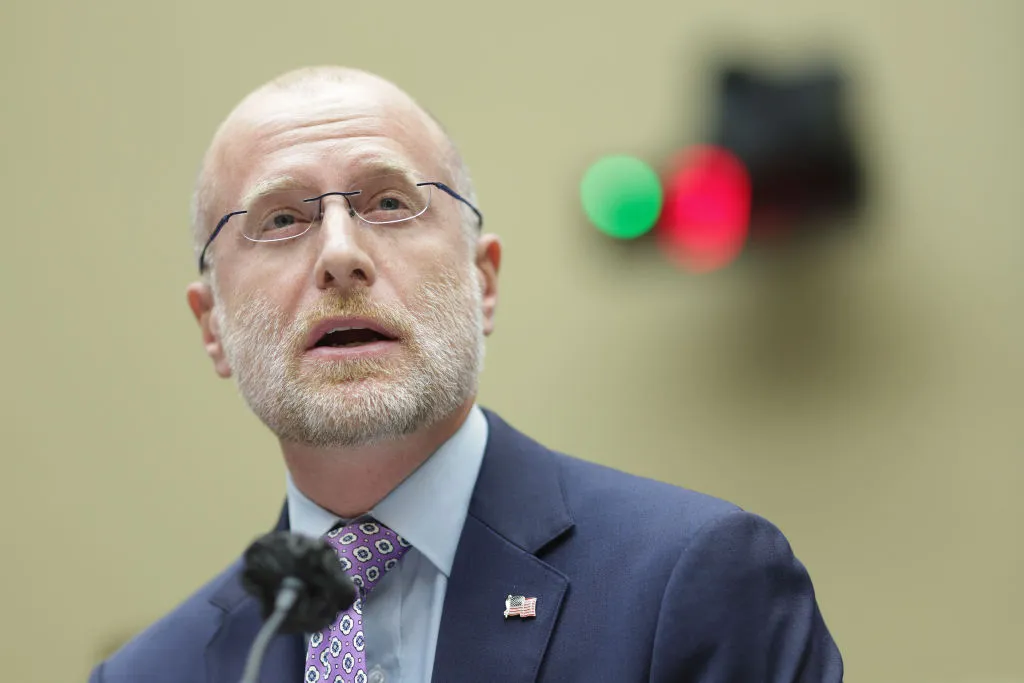
In a bold move signaling a shift in U.S. telecommunications policy, the Federal Communications Commission (FCC) voted 2-1 along partisan lines to rescind critical cybersecurity regulations previously enacted under the Biden administration. The decision, championed by the FCC’s two Republican commissioners, Brendan Carr and Olivia Trusty, effectively removes mandatory security standards aimed at safeguarding phone and internet networks from unlawful access and cyber threats. This strategic rollback aligns with a broader trend of deregulation in the tech sector, emphasizing market-led resilience over prescriptive government intervention.

The regulatory shift arrives amidst an escalating threat landscape, notably exemplified by the Salt Typhoon hacking campaign attributed to China-backed adversaries. This sophisticated operation compromised over 200 US telecommunications firms, including giants such as AT&T, Verizon, and Lumen. Hackers targeted fundamental infrastructure, including wiretap and surveillance systems mandated for law enforcement, exposing the fragility of existing security protocols. Industry analysts, including Gartner and MIT cybersecurity experts, warn that such vulnerabilities could be exploited further if regulatory oversight diminishes.

Adding complexity to the industry’s response are divergent opinions among policymakers. Democratic FCC commissioner Anna Gomez opposed the rollback, arguing it reverses the only meaningful cybersecurity efforts against nation-state cyber espionage. Critical voices, including Senators Gary Peters and Mark Warner, expressed alarm that deregulation will undermine national security, leaving critical communication channels exposed. Their assertions underscore a persistent industry question: Will market forces alone suffice to defend against increasingly sophisticated cyber threats, or is strategic regulation indispensable? Conversely, the NCTA, representing the telecommunications industry, welcomed the move, asserting that the existing rules were overly prescriptive and hampered innovation.

From a technological perspective, this deregulation potentially signals a disruptive phase for the industry, where innovation, rather than regulation, becomes the primary driver of security advancements. Cutting-edge solutions—such as AI-powered anomaly detection, blockchain-based integrity checks, and decentralized security architectures—are poised to redefine cybersecurity landscapes. Disruption driven by market competition could accelerate the deployment of these technologies, positioning nimble firms as leaders in the new security paradigm. Notable industry figures, including Elon Musk and Peter Thiel, have long championed decentralized innovation—foreshadowing a future where private entities spearhead cybersecurity guardrails, rather than bureaucratic mandates.

Looking forward, the industry faces a pivotal moment: balancing innovation and disruption with the safeguarding of national security interests. Policymakers, industry leaders, and technologists must collaborate to ensure that market-driven solutions do not come at the expense of foundational infrastructure resilience. As hackers refine their methods and geopolitical tensions escalate, the window narrows for meaningful action. The future of U.S. cybersecurity in telecommunications depends on adopting a proactive, forward-thinking approach that leverages technological innovation while maintaining robust safeguards—an urgent call for strategic agility in an increasingly volatile digital landscape. The coming months will determine whether deregulation fosters a pioneering security ecosystem or exposes critical vulnerabilities, with profound implications for the global tech frontier.

Spotify drops boring repeats with fresh shuffle and banks on audiobook recaps

Spotify’s Bold Push for Innovation in Audio Streaming

In a strategic move aimed at redefining user engagement, Spotify has announced the rollout of innovative features designed to disrupt traditional music and audiobook consumption. The company’s latest updates center on enhancing personalization and reducing algorithmic repetitions—initiatives that could set new industry standards in digital entertainment. With competitors like Apple Music and Amazon Audible continually refining their offerings, Spotify’s focus on leveraging AI and data-driven algorithms signals a clear intent to maintain its market dominance through cutting-edge innovation.

The most significant advancement is the introduction of a new shuffle mode, where fewer repeats are prioritized by default for paid users. Unlike previously fixed features, users can now choose between the new “Less Repeats” shuffle or revert to the traditional Smart Shuffle via explicit settings, giving listeners greater control. Lauren Saunders, Spotify’s product director for personalization, explained the approach: “Instead of giving you one random order, we now generate hundreds of genuinely random playlist variations, scoring them for ‘freshness, variety, and repeat frequency.’” This shift toward *more nuanced playlist curation* exemplifies how disruption in the streaming space is increasingly driven by sophisticated AI models capable of tailoring experiences in real time—an arena closely studied by MIT’s AI lab and industry analysts alike.

Expanding AI-Driven Personalization: Audiobooks and Beyond

Complementing the new shuffle features, Spotify is making a move into the booming audiobook segment with its AI-powered recap feature. This innovation aims to close the engagement gap for long-form content, allowing users to catch up quickly on stories they’ve previously listened to, without relistening from scratch. The company claims that these recaps will appear after 15-20 minutes of listening and will be dynamically updated to reflect ongoing progress—fundamentally disrupting the traditional narrative “[pause and rewind](https://techcrunch.com/2023/03/08/spotify-revamps-its-app-with-tiktok-style-discovery-feeds-smart-shuffle-for-playlists-and-more/)” model.

  • Recaps are generated using AI, without leveraging audiobook content for model training, ensuring content integrity.
  • Currently available in beta on iOS, with plans for broader rollout, primarily targeting English-language titles.
  • This feature underscores Spotify’s aspiration to establish itself as a comprehensive platform—integrating music, podcasts, and audiobooks within a unified AI-enhanced environment.

Such advancements demonstrate how disruption in the audio content industry is accelerating. Industry experts, including Gartner analysts, note that AI-driven curation and personalized recaps are the next frontier in maintaining user retention and engagement. However, these innovations also present a warning: as algorithms become more sophisticated, they could marginalize traditional creators and content producers, raising questions about the future landscape of content control and intellectual property.

Implications and the Road Ahead

The trajectory of Spotify’s innovations provides a vivid indication of where the broader digital economy is heading: towards hyper-personalization powered by AI and disruption of conventional content formats. As Elon Musk and Peter Thiel often emphasize, the winners in this arena are those who can harness advanced technology to fundamentally alter user experience and industry standards. The shift towards generating highly tailored playlists and story summaries exemplifies the new paradigm—where data, AI, and user autonomy combine to forge a more immersive, engaging digital realm.

With these developments, the urgency for competitors, startups, and content creators to innovate or adapt has never been greater. The future of streaming—whether music, podcasts, or audiobooks—is poised for unprecedented transformation driven by AI-powered personalization and disruption. Stakeholders must act swiftly, lest they be left behind in a fiercely competitive environment that rewards technological agility and strategic foresight. As the industry evolves, one thing remains clear: the race toward smarter, more adaptive media experiences is only just beginning, and those leading the charge today will shape the entertainment landscape of tomorrow.

Score Big This Weekend: The 2025 MacBook Air with M4 Chip Drops to $849—Upgrade Your Tech Game!

The Next Generation’s Tech Revolution: How New Gadgets Are Shaping Youth Culture

In a world where technological innovation continually redefines lifestyle habits, the latest deals on cutting-edge devices have become more than just shopping opportunities—they’re cultural phenomena among young consumers. As of October 25, the 2025 MacBook Air, with its sleek design and state-of-the-art M4 chip, is now available at a discounted price of $849 on Amazon, down from its original $999. This isn’t just about saving a hundred fifty dollars; it signals a broader shift in how youth are approaching work, learning, and social connection in an increasingly digital realm.

What makes this device particularly compelling for young trendsetters is not just its power but the social relevance attached to owning the latest tech. Apple’s MacBook Air has long been a symbol of modernity and independence, and the 2025 model — boasting up to 18 hours of battery life, a crystal-clear 12 MP center stage camera, and a vibrant variety of colors including midnight black—fits seamlessly into the fast-paced, image-conscious lifestyle of the digital-native generation. Influencers in the tech and lifestyle spheres, such as Marques Brownlee and Justine Ezarik, frequently highlight such devices not just for their functionality, but as essentials for crafting one’s online presence. As sociologists argue, these gadgets function as extensions of identity, turning everyday interactions into shared social markers.

Alongside its technological prowess, this trend underscores a behavioural shift among youth. Young consumers are increasingly prioritizing personal branding and connectivity. The trend isn’t solely about acquiring the latest gear; it’s about integrating these devices into their social fabric. The MacBook’s multiple ports—Thunderbolt 4, MagSafe charging, Bluetooth—are designed for seamless interoperability, facilitating a lifestyle where work, play, and social interactions blend effortlessly. Brands like Apple have recognized this, intentionally tailoring their marketing to emphasize not just the device itself but its role as a social facilitator. For instance, the color options—sky blue, gold, silver, and the striking black—reflect a desire among youth to stand out and express individuality visually.

  • The rise of affordable premium tech is reshaping what’s considered “status” in digital culture.
  • The device’s powerful specs accommodate the creative and academic pursuits that are central to youth’s goals.
  • Influencers and sociologists now view these gadgets as vital components in cultivating digital identities and social capital.

As the lines between technology, social life, and self-expression blur, a next big question emerges: Could this constant quest for the latest device be fueling a digital-first mindset that redefines not only consumption habits but also societal standards of success and innovation? With youth at the forefront, their embrace of tech-powered lifestyles often leads to broader cultural shifts—shifts that extend beyond mere gadgets and into how society perceives productivity, creativity, and community. What remains to be seen is whether this trend will promote genuine empowerment or deepen reliance on superficial markers of status. Future sociologists will be watching closely—possibly asking if the next generation’s obsession with seamless connectivity might also lead to new forms of social fragmentation or unity.

Limited-Time Alert: The Drinks Bureau Drops Donut-Flavored Cocktails — Jam Doughnut Daiquiri Taking Youth Trends by Storm!

In a world where convenience often dictates our choices, a new beverage has emerged that resonates deeply with the younger generation’s desire for both indulgence and innovation. Enter the Jam Doughnut Daiquiri, a novel canned cocktail recently introduced by The Drinks Bureau in the UK. This trendy libation is not just about flavor; it’s about rethinking what a modern cocktail can be in a fast-paced society. Combining the familiar sweetness of jam doughnuts with the sophistication of a daiquiri, this drink exemplifies how contemporary trends are blurring the lines between culinary comfort and high-end mixology.

This phenomenon is more than just a quirky flavor mashup; it is a reflection of how young consumers are redefining social and cultural norms. The Cultural Impact of such innovations lies in their ability to act as conversation starters and symbols of a shift towards more adventurous drinking experiences. Influencers and social media platforms have played a crucial role in amplifying this trend, with many young trendsetters showcasing their taste tests and unabashedly embracing products that challenge traditional notions. As sociologist Dr. Lisa Monroe notes, these trends are emblematic of a broader movement where self-expression and individuality take center stage, often through the consumption of bold, unconventional products.

Moreover, the Jam Doughnut Daiquiri taps into the nostalgia-driven consumer behavior that is dominating the lifestyle landscape of Gen Z and Millennials. According to trend analysts, nostalgia is a powerful driver for modern consumerism, especially when combined with innovative presentation. This beverage is not just about flavor but about making a statement—about embracing a playful yet sophisticated identity that aligns with youth’s hunger for novelty and authenticity. Top influencers, such as cocktail mixologists and lifestyle icons, are championing these products, helping to cement their status in the social zeitgeist. In this context, the shift is clear: consumers are seeking products that are not only enjoyable but contain a deeper social and cultural narrative.

Yet, beneath its playful exterior, the introduction of drinks like the Jam Doughnut Daiquiri prompts an intriguing question about the future. Will this trend of flavor fusion and experiential drinking continue to evolve, or is it a fleeting moment in the broader landscape of lifestyle innovation? Analysts suggest that the next stages of this movement might see even more daring combinations—perhaps merging street food culture with high-end craft beverages or leveraging emerging technologies such as augmented reality to enhance the drinking experience. As young audiences increasingly seek meaning and identity in their consumption choices, the question becomes: what will be the next flavor frontier that captures the cultural zeitgeist and redefines social interaction?

Kohler drops next-gen toilet camera—tech meets bathroom innovation

Revolutionizing Personal Health Monitoring: Kohler’s Dekoda and the Future of Digital Health Devices

Kohler, a renowned leader in home goods, has entered the healthtech arena with its groundbreaking device, Dekoda. Priced at $599, this miniature camera attaches directly to the toilet bowl and provides users with real-time imaging of their digestive output. While this innovation is undeniably disruptive, it signals a broader trend toward integrating digital technology into daily routines, transforming personal health monitoring from conventional checkups to continuous, at-home diagnostics.

The Dekoda leverages advanced imaging technology along with AI-driven analysis to offer insights into gut health, hydration levels, and even detect potential blood in stool—key indicators often linked to serious health conditions. Its design incorporates a rechargeable battery, USB connectivity, and a fingerprint sensor that ensures user identification, emphasizing both convenience and security. According to CNET, the device is available for pre-order, with shipments to commence on October 21, accompanied by a subscription model ranging from $70 to $156. This business model exemplifies how tech firms are shifting toward recurring revenue streams, much like the SaaS industry, by embedding continuous health insights into consumer routines.

Market Implications and Industry Disruption

The advent of the Dekoda signifies a seismic shift in the health and wellness industry—an industry historically dominated by medical professionals and traditional diagnostics. With startups like Throne emerging with comparable products, a new competitive landscape is forming. Disruption here is driven by consumer demand for more personalized, at-home health solutions—an emerging vertical that giants like Apple and Gartner predict will expand rapidly over the next decade.

This development also raises strategic questions for established healthcare systems and insurance providers, who must now contend with increasingly accessible, user-driven diagnostic data. As Peter Thiel and other Silicon Valley visionaries have emphasized, the convergence of hardware, AI, and data analytics will elevate individuals from passive health consumers to active participants in disease prevention and health management. Such trends push the industry towards a future where early detection and proactive health interventions become the norm, reducing long-term healthcare costs but also shaking up regulatory frameworks.

Challenges and Ethical Considerations

Despite its promise, Dekoda and similar innovations evoke critical concerns around privacy, data security, and user consent. Kohler assures customers that the device’s sensors only see within the toilet bowl and guarantees end-to-end encryption for all data. However, industry analysts warn that widespread adoption may catalyze a wave of privacy infringements, with sensitive health data vulnerable to hacking or misuse. As the market matures, regulatory agencies will likely impose stricter standards, but the pace of innovation risks outstripping policy development, leaving consumers exposed.

Disruptive technologies like Dekoda exemplify a rapidly evolving frontier where innovation intersects with ethics. Tech giants and startups alike are racing to carve out dominance in a space that could redefine healthcare delivery. In the coming years, advancements in AI, machine learning, and sensor miniaturization will further push the boundaries of what personal health devices can achieve, fostering both excitement and caution among industry experts and consumers alike.

Future Outlook: A Call to Action for Industry Leaders

As this market accelerates, the question for entrepreneurs, investors, and policy makers is clear: who will set the standards for privacy, security, and ethical deployment of these transformative devices? The proliferation of toilet cameras like Dekoda indicates that innovation is no longer confined to high-end labs—it’s now embedded in everyday life, demanding agile yet responsible stewardship. With every new development, the stakes rise higher, underscoring the necessity for rapid technological progress paired with robust safeguards. The future of personal health technology is here, and those who embrace disruption while navigating its challenges will shape healthcare’s next era.

Social Media Auto Publish Powered By : XYZScripts.com