Matox News

Truth Over Trends, always!

El Chapo’s Son Admits Guilt in US Drug Trafficking Case

The recent developments in the ongoing battle against organized crime and international drug trafficking underscore a pivotal moment in the global effort to curb a deadly epidemic. The guilty plea of Joaquín Guzmán López, one of the sons of notorious Mexican drug lord Joaquín “El Chapo” Guzmán, signifies more than a personal legal victory; it signals a shift in the power dynamics within the transnational drug trade. As a member of Los Chapitos, the elite faction of Guzmán’s cartel leadership, López’s cooperation with US authorities highlights the increasing pressure on the Mexican and American criminal landscapes. The arrest and subsequent plea reflect a broader strategy that aims to dismantle the structural pillars of an organization responsible for a significant portion of the substances plaguing North America.

According to US prosecutors, the Guzmán family’s cartel, particularly after the arrest of El Chapo, has evolved into a formidable force commanding the production and trafficking of a vast array of illicit drugs, including cocaine, heroin, methamphetamine, marijuana, and fentanyl. Their rise to power, especially through criminal consolidation subsequent to their father’s incarceration, illustrates an entrenched network resistant to traditional law enforcement.
In a striking move, authorities arrested López alongside cartel boss Ismael “El Mayo” Zambada. The operation—engineered through deception by leading López to believe he was assisting in property scouting—demonstrates the clandestine tactics employed by these organizations. As part of his plea deal, López admitted to overseeing multi-faceted operations designed to flood the US market with death-bringing substances, with fentanyl—over 50 times more potent than heroin—being a prime focus. The proliferation of fentanyl has become a national crisis, accounting for the majority of overdose deaths among Americans aged 18 to 45, highlighting the dire consequences of these criminal enterprises for society’s most vulnerable.

The criminal activity of Latin American drug cartels has profound geopolitical impact, influencing both regional stability and international policy. The Trump administration’s recent move to designate these cartels as terrorist organizations has stirred controversy, provoking debates about legality and moral authority. Such designations aim to justify aggressive military operations, including missile strikes at sea, claimed to be necessary to halt the flow of drugs into the US. Critics, including many international law scholars and human rights groups, contend that these actions risk violating international treaties and resorting to extra-judicial killings—posing a dangerous precedent for sovereignty and justice. The debate centers on whether these measures are effective or merely escalate violence, potentially destabilizing the fragile security balance in Latin America.

Meanwhile, on the other side of the border, Mexico’s authorities continue to counter decades of drug war violence, recently eliminating Pedro “Pichon” Inzunza Coronel, a prominent fentanyl trafficker involved in heinous crimes, including murders, kidnappings, and violent debt collection. US Ambassador Ronald Johnson lauded these efforts, emphasizing the importance of international cooperation in fighting transnational crime. These actions demonstrate a global acknowledgment of the crucial need for joint strategies to combat these deeply rooted criminal networks. As these powerful figures fall, the question remains: can justice truly dismantle the sprawling, adaptable infrastructure of drug cartels, or are we simply witnessing the beginning of a new, more desperate chapter in this ongoing war?

History’s judgment may soon be written in the unfolding of these events, as nations grapple with the consequences of their choices. The fight against drug trafficking is not merely about law enforcement but about confronting the societal decay that underpins these criminal empires. As the struggle intensifies, one thing is clear: the decisions made today will carve the geopolitical landscape of the future, shaping a narrative of resilience, resistance, and relentless pursuit of justice—a narrative that history will scrutinize for generations to come.
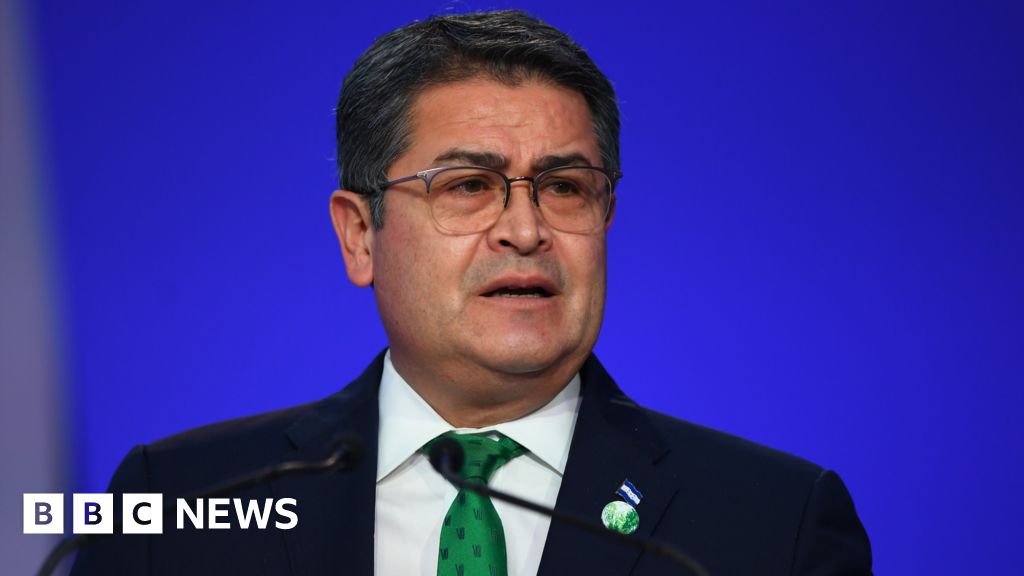
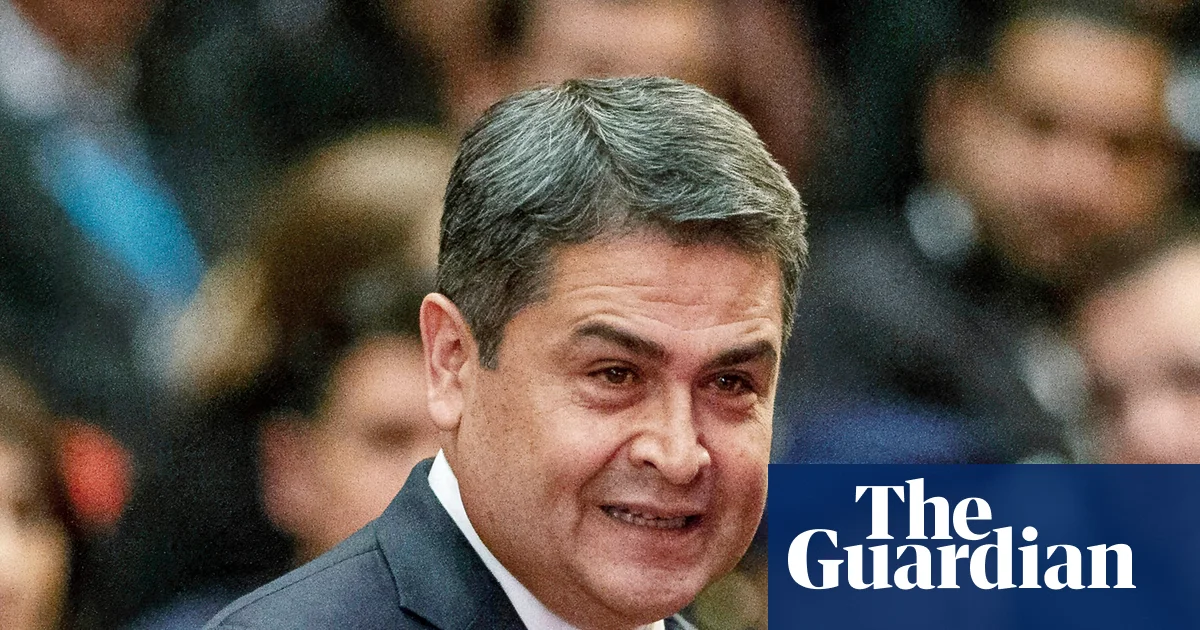
Trump vows to pardon ex-Honduran leader convicted of drug crimes

The recent political developments in Honduras underscore a pivotal moment for regional stability and U.S. influence in Central America. The decision by Donald Trump to endorse the pardon of Juan Orlando Hernández, a former president convicted of drug trafficking, signals a significant shift in perceived justice and diplomatic stance. Hernández’s conviction by a New York jury on charges of conspiracy to import cocaine and possession of machine guns was a landmark case illustrating the extent of drug cartels’ infiltration into political structures. However, Trump’s intervention claims that Hernández was “treated very harshly and unfairly,” echoing longstanding narratives in some political circles that question the U.S. judiciary’s handling of Latin American corruption cases. This move is likely to reinforce anti-establishment sentiments in Honduras, potentially destabilizing efforts to curb illicit trafficking in the region. Such a step not only prioritizes political alliances but also raises questions about how international power dynamics influence local justice systems and the broader fight against organized crime.

Meanwhile, the upcoming Honduran elections highlight a nation balancing between progressive, conservative, and centrist forces. Honduran polls suggest a tight race with candidates including Nasry “Tito” Asfura, the conservative ex-mayor of Tegucigalpa; Rixi Moncada, representing the left-wing Libre Party; and Salvador Nasralla, a centrist television host. President Xiomara Castro’s government maintains a nuanced relationship with Washington, continuing strong economic and military ties—despite her country’s alliances with Cuba and Venezuela. These international relationships highlight the geopolitical tug-of-war unfolding in the region, with the U.S. asserting efforts to counteract drug trafficking and “narcoterrorists,” as articulated by Secretary of War Pete Hegseth. This military intervention, branded as “Operation Southern Spear,” has resulted in over 80 deaths since August, sparking intense debate about its legality and effectiveness. Critics argue that the strikes lack transparency and threaten international laws, emphasizing that the U.S. has yet to provide concrete evidence linking the targeted vessels to drug operations. The specter of external military intervention in Honduras underscores a wider trend—the U.S. increasingly sees the fight against narcotics as a frontline for geopolitical dominance, risking further destabilization or unforeseen consequences.

As the regional political climate heats up, the geopolitical impact becomes undeniable. The alliance between Honduras and the U.S. continues to shape the future—not only through economic and military ties but also via the ideological battles that underpin elections and policy decisions. Historians like John M. Kirk and analysts at the Council on Foreign Relations warn that such interventions often deepen divisions and entrench authoritarian tendencies, undermining efforts for genuine democracy in Latin America. The wartime rhetoric framing drug trafficking as a national security threat raises profound questions: are these actions genuinely meant to combat organized crime or are they more about exerting control over regional allies and resources? With Honduras under the shadow of external influence and internal political discord, the struggle for sovereignty and justice remains a matter of fierce contention. Ultimately, history’s page in the 21st century is turning—a compelling chapter where alliances are tested, convictions are challenged, and the weight of power struggles continues to echo across the Americas, shaping the destinies of nations and societies yet to come.

Trump to Pardon Former Honduran Leader Behind Drug Trafficking Conviction

Geopolitical Tensions Surface as Honduras Heads to the Polls Amid Controversial U.S. Interventions

As the Honduran electorate prepares for their upcoming presidential election this Sunday, international observers, including the Organization of American States and Washington, remain vigilant about the political climate and the potential ramifications on regional stability. The race is notably close, with candidates such as Tito Asfura, Rixi Moncada, and Salvador Nasralla vying for leadership of a nation historically caught between external influences and internal strife. Yet, beneath the surface of a democratic process, recent U.S. actions and political maneuvering reveal a more complex, often troubling geopolitical narrative that extends well beyond Honduras’ borders.

Former President Juan Orlando Hernández, now serving a 45-year sentence for accepting bribes linked to drug trafficking, has become a focal point in this international chess game. Just days before the election, Donald Trump declared his intent to issue a full and complete pardon for Hernández, claiming the ex-leader had been treated unfairly. This move underscores Washington’s enduring engagement with Honduras, where Hernández’s tenure was marked by close ties to U.S. interests and an open alliance with anti-drug strategies that often bypassed diplomatic norms. Historically, U.S. policymakers have leveraged such relationships to secure regional parameters that favor their geopolitical objectives, particularly in combating drug flows into America. However, critics argue this approach exacerbates corruption and undercuts democratic legitimacy, especially when the political process becomes entangled with extrajudicial efforts and covert operations.

Implications of U.S. Involvement and Shifting Alliances

  • Honduras has pivoted historically toward U.S. support under Hernández’s leadership, but recent elections pose challenges to this model, with Xiomara Castro pushing a more independent, leftist agenda.
  • Castro’s government, though pragmatically maintaining some cooperation, has openly criticized U.S. policies toward Cuba, Venezuela, and the broader Latin American left, providing a counter-narrative to Washington’s influence.
  • The U.S. claims to combat drug trafficking via designations of cartels as terrorist organizations and conducting military strikes have drawn international criticism for their humanitarian toll, raising questions about the efficacy of such strategies when deployed as tools of foreign policy rather than justice.

Despite the growing tensions, the election’s outcome remains unpredictable, with some analysts warning that the political landscape could further fragment should multiple candidates claim victory—a possibility that could deepen instability in a country vital to U.S. southern policy. Historians and regional analysts emphasize that this election signifies more than the choice of a leader; it is a reflection of America’s ongoing efforts to shape Central America’s future, often at the expense of local sovereignty. The recent moves by Trump and other figures demonstrate a pattern where personal political gains intertwine with geopolitics, influencing policies that have profound implications for regional security, migration, and economic development。

Shifting Alliances and Future Uncertainties

Meanwhile, Castro’s government, while receiving some engagement from the Biden administration, has managed to sustain relations with Cuba and Venezuela, challenging traditional U.S. narratives of dictatorships and economic crises. This pragmatic shift signals a broader regional pivot away from pure U.S. influence towards more diverse partnerships, a development noted with cautious optimism by international observers. Yet, the overarching concern remains: how will these geopolitical shifts affect the stability of Honduras and the wider Central American corridor?

As history continues to unfold, the impact of external powers like the U.S., combined with internal political dynamics, will determine whether Honduras moves toward deeper democracy or succumbs to chaos. The coming days are critical, not just for Hondurans, but for the entire hemisphere as each decision could shape the trajectory of regional order for decades to come. The weight of history presses down, reminding the world that today’s choices are the foundations upon which liberty, sovereignty, and stability will be built—not only in Honduras but across a fragmented and restless Latin America.

Family of missing Colombian youth demand answers after U.S. strike targets suspected drug vessel

In the vibrant coastal regions of Colombia and Venezuela, a quiet lifestyle revolves around the sea — a life rooted in tradition, community, and the pursuit of peace amidst turbulence. Yet, recent US military strikes targeting alleged drug-trafficking vessels have cast a shadow over these once tranquil waters. These covert operations, justified by American officials as efforts to combat narco-terrorism and drug-related violence, have sparked fierce debates about legality and human rights, raising questions about the true cost of national security measures. The stories of local fishermen, like Juan Assis Tejeda and others, reveal a sobering reality: they fear that innocent lives, livelihoods, and even civilians might be caught in the crossfire of international politics.

The US claims that these strikes are necessary defenses against criminal networks that threaten regional stability and American lives, citing an increase in cocaine seizures and the rising toll of fentanyl in the US as evidence. However, critics, including international law experts and local communities, argue that these actions resemble extrajudicial killings—a stark departure from the rule of law that emphasizes arrest, trial, and sentencing. Juan, an experienced fisherman who often surveys the waters near Venezuela, shares a poignant perspective: “We just go after tuna, but sometimes drones hover over us — we’re afraid. It’s not right to be pursued and targeted like terrorists without proof, just for earning a living.” Such testimony underscores that in these moments, what the global stage doles out as “security” can sometimes feel like an assault on everyday lives, on well-being, and on the pursuit of simple peace.

The reactions from regional leaders also underscore the underlying geopolitical tensions. Colombia’s President Gustavo Petro has challenged the US’s narrative, condemning the strikes that reportedly killed civilians, including local fishermen and farmers. Petro’s stance aligns with a broader suspicion: that behind the veneer of anti-drug efforts lies an attempt to exert political pressure on Venezuela’s government and its controversial leader, Nicolás Maduro. Many locals believe that these military moves serve as a tool to destabilize the region further, possibly paving the way for more direct American influence, which could threaten the sovereignty of these nations and their communities. Such multi-layered tensions bring to light a crucial fact—lifelines of culture and livelihood are often caught in the crossfire of superpower ambitions.

Amid these turbulent waters, the local community’s resilience remains a quiet but powerful force. Stories from fishermen like Mr. Tejeda show their unwavering desire to live peacefully, unaffected by the global game of power. These men and women are not targets—they are just ordinary people caught in extraordinary circumstances. Their stories serve as a reminder that, at the heart of every geopolitical conflict, there are human lives seeking stability and dignity. As these small villages watch and wait, they embody the spirit of relentless hope: a hope that one day, diplomacy and respect for sovereignty will prevail, and the love of the sea will return to being a source of life, not conflict.

Reflecting on these narratives leaves us with a profound understanding: lifestyle is more than leisure or routine; it’s a journey to embrace resilience in uncertainty. These coastlines, woven with stories of struggle and hope, remind us that true security arises not from the barrel of a gun, but from respect—respect for life, for community, and for sovereignty. As we watch these waters, may we find the wisdom to navigate our own lives with clarity and purpose, standing for fairness amid the chaos, and cherishing the peaceful pursuits that truly define our well-being.

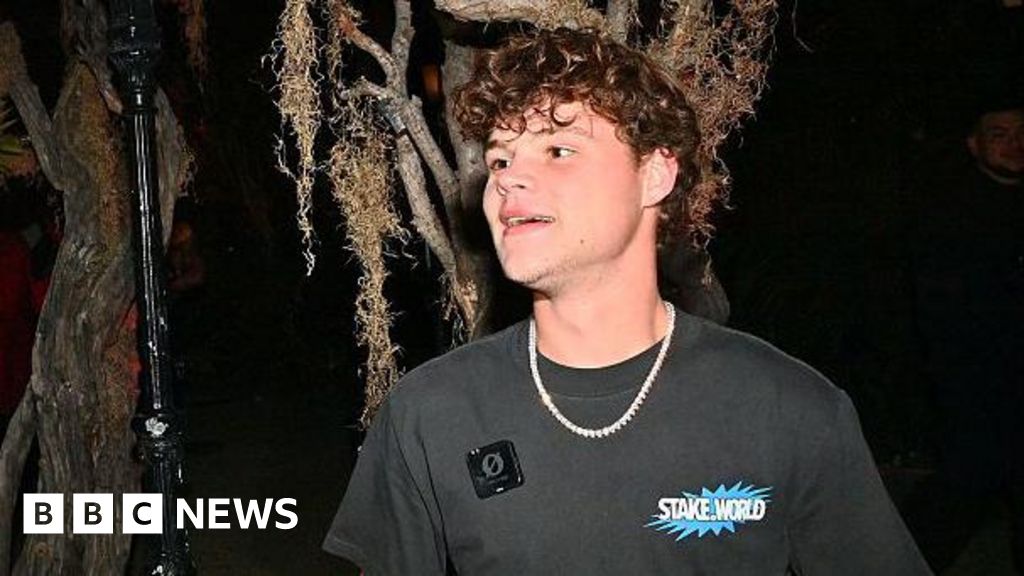
YouTuber Jack Doherty Held in Miami Over Drug Possession Charges

The recent arrest of YouTuber Jack Doherty in Miami has raised eyebrows beyond American borders, exemplifying how interconnected issues of law enforcement, social media influence, and societal values are in our increasingly digital world. According to local police reports, Doherty was detained early Saturday morning after engaging in reckless behavior—filming disruptive content on a busy street, blocking traffic, and attempting to provoke police officers. Such incidents highlight the growing trend of social media personalities pushing boundaries, sometimes crossing into legal and ethical gray zones that can threaten societal order and safety.

During the incident, authorities discovered substances consistent with Schedule II amphetamines and suspected cannabis cigarettes in Doherty’s possession. This revelation underscores a troubling intersection of youth culture and substance use—elements that are often glamorized or misunderstood, yet carry serious legal and health implications. Experts warn that such behaviors, especially when amplified by the influence of social media,” can distort perceptions among impressionable audiences. International organizations, such as the World Health Organization, continue to emphasize the importance of addressing youth drug use within a broader framework of public health and social stability, reminding nations of the far-reaching consequences of unchecked behavior within influential circles.

Geopolitical Impact of the Cultural Shift

This incident is emblematic of how cultural values and social media consumption are shaping the landscape of international influence. Countries around the world are grappling with the impact of Western digital influencers—whose reach transcends borders—on youth and societal norms. Analysts from the International Crisis Group have warned that the behavior of figures like Doherty can serve as unwitting ambassadors of chaos, potentially undermining efforts to promote responsible media use and societal cohesion. As U.S. social media giants continue to dominate global markets, the narrative of individual liberty intertwined with reckless conduct becomes a fragile point in the diplomacy of soft power, influencing perceptions of the United States and its cultural exports.

Global Reflection and Historical Perspective

Historian Michael Parenti and other scholars have long emphasized that the cultural dimensions of international influence are as vital as political and economic strategies. Decisions at the policy level regarding social media regulation, drug enforcement, and public morals extend beyond national borders, affecting societal development worldwide. The Doherty incident echoes past episodes where the behaviors of influential figures challenged societal norms, prompting debates on morality, legality, and the role of social media in shaping public consciousness. These debates are not merely local—they invoke a global reflection on the trajectory of modern civilization’s values and priorities.

As nations observe the ripple effects of such incidents, they are compelled to confront the haunting truth that history is perpetually in motion. One cannot ignore the mounting tension between individual freedom and social responsibility—forces that will continue to define the narrative of our time. With the shadows of past upheavals looming large, the questions remain: Will society adapt to this digital age by embracing stricter standards, or will it continue to dance on the edge of chaos, watched over by the silent eyes of history waiting for its next chapter?

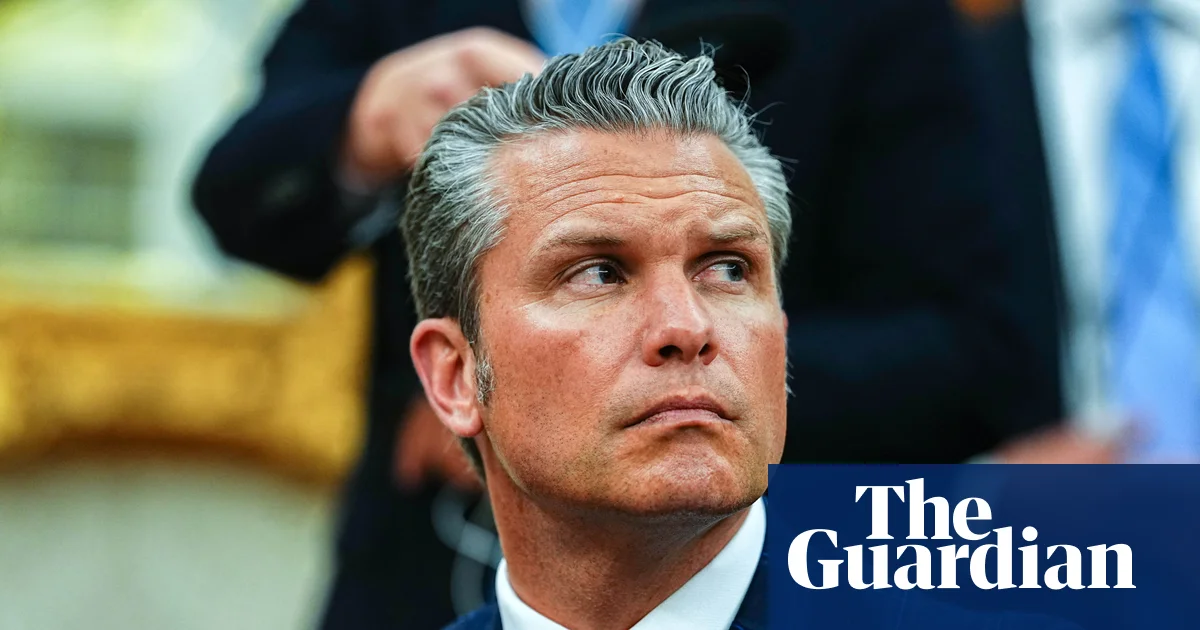
Hegseth touts successful US strike on suspected drug smuggling boat

The United States continues its assertive military push in the South American and Caribbean regions, signaling a shift towards more aggressive tactics in its ongoing war against drug trafficking and perceived threats. Defense secretary Pete Hegseth announced a recent deadly strike against a vessel suspected of ferrying illegal narcotics. This strike, which claimed two lives, marks at least the 16th in a series of actions authorized by the Trump administration, raising crucial questions about the legal justifications and the broad implications of such unilateral interventions. The administration claims it is engaged in an armed conflict with drug cartels and foreign terrorist organizations, but critics and lawmakers alike demand more transparency and adhere to international norms.

This escalation coincides with the deployment of the USS Gerald R. Ford aircraft carrier to the Caribbean, a move that signifies the extent of America’s military buildup in the region. Having left the Mediterranean through the Straits of Gibraltar, it joins a formidable fleet—including destroyers like the USS Bainbridge and USS Winston Churchill—forming a show of force that many analysts see as an effort to assert dominance over critical maritime routes. Experts from think tanks warn that such actions could destabilize regional diplomacy, creating a climate of uncertainty that threatens both regional stability and international law. This buildup is not merely about combatting drugs but is viewed as a broader message of U.S. geopolitical resolve amid rising tensions with rival powers.

International response to these American maneuvers remains divided. While some narrative voices inside the U.S. emphasize a need for ‘tougher’ stance against illicit trafficking, others, including diplomatic organizations and historical analysts, interpret these moves as part of a strategic effort to project power and influence in an increasingly contested global arena. The deployment of large naval assets to Latin America underscores a broader trend identified by geopolitical scholars: the U.S. aims to capitalize on regional vulnerabilities, positioning itself as both protector and hegemon. Meanwhile, whether these actions will bring peace or further conflict remains a matter debated in global corridors, where the tension between security and sovereignty plays out.

As the smoke of recent bombings clears and the ships traverse international waters, the weight of history presses heavily upon the unfolding narrative. The decisions made today echo through decades, shaping the future alliances and conflicts that will define the global order. With each vessel, each strike, the silent story of ambition, power, and the relentless pursuit of America’s strategic interests continues—leaving the world on the precipice of a new chapter where the lines of engagement are redrawn and the true cost of such power is written in the shadows of history yet to be fully revealed.

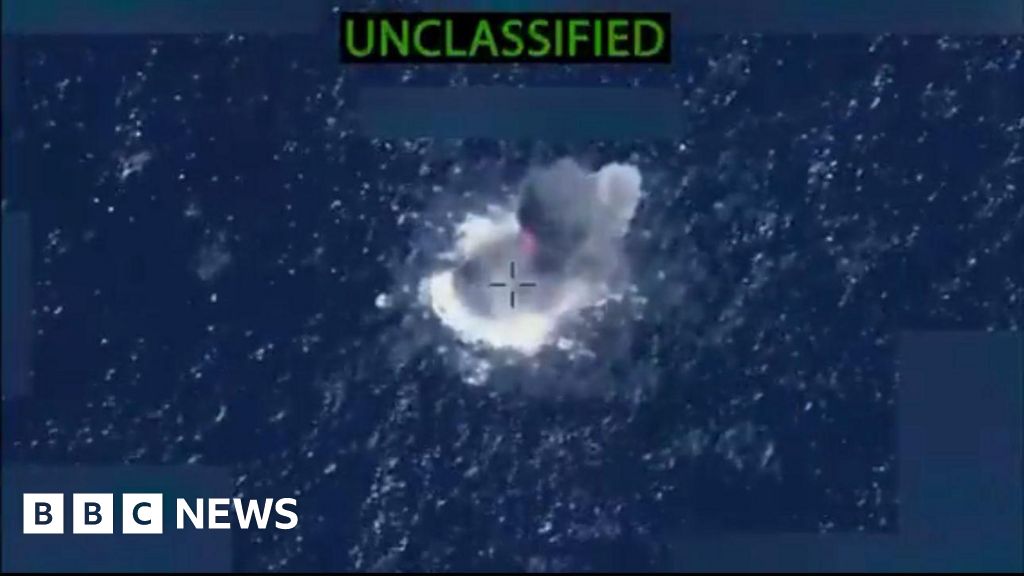
US strikes wipe out 14 suspected drug traffickers at sea

The recent series of military strikes conducted by the United States in the Pacific and Caribbean regions mark a defining moment in contemporary geopolitics. Under the authority of President Donald Trump, US forces have targeted four vessels suspected of drug trafficking—resulting in the deaths of 14 individuals and the injury of at least one survivor rescued by Mexican search-and-rescue teams. These actions, which the Pentagon claims are part of an ongoing campaign against narcotrafficking, underscore a more assertive US military posture. Such operations ignite debates over international legality—with critics, including experts and regional governments, condemning these strikes as disproportionate and potentially unlawful under established international law.

By escalating to attacks at sea in the eastern Pacific, the US emphasizes its intention to dismantle transnational drug networks operating along critical trafficking corridors. Defense Secretary Pete Hegseth has highlighted the intelligence-based nature of these operations, asserting that the vessels were transitioning along known narcotic routes with “narco-terrorists” onboard. Yet, this aggressive stance raises significant implications for regional stability and sovereignty. Countries such as Colombia and Venezuela have publicly voiced strong opposition, accusing the US of bypassing diplomatic protocols and provoking diplomatic crises. The Colombian government, for instance, describes the attacks as “disproportionate,” highlighting the legal and moral dilemmas spurred by unilateral military actions in international waters.

The geopolitical impact extends beyond the immediate regions; critics interpret the US military expansion as part of a broader strategy to exert influence and control over Latin America’s resources. The Venezuelan government, under President Nicolas Maduro—whose legitimacy is widely disputed following the 2024 elections—has accused Washington of “fabricating an eternal war” aimed at regime change. Maduro’s regime warns that the US aims to seize Venezuela’s vast reserves of gold, oil, and copper, tasks which are increasingly viewed by analysts as attempts to secure economic dominance over the region’s natural wealth. Meanwhile, international organizations like the United Nations have called for restraint and respect for sovereignty, emphasizing the need for a rule-based international system amidst rising US assertiveness.

The unfolding of these events signals a dangerous escalation that could reshape the international landscape. The US’s reliance on military force to combat drug trafficking and its alleged expansion into land-based targets, should approval be granted, risks a broader conflict. Many see this as a warning—an alarm bell for a world on the brink of renewed Great Power rivalries, where diplomacy and legal frameworks are overshadowed by military might. As history unfolds, whether these actions will lead to a more secure international order or sow the seeds of further instability remains to be seen. What is certain is that these decisions will leave undeniable marks upon the fabric of global diplomacy, writing a new chapter in the ongoing story of power, sovereignty, and conflict—one where the weight of history presses heavily on every decision, every strike, and every response across the vast theater of international relations.

Bella Culley's Georgia Drug Smuggling Sentence Cut to 2 Years
Bella Culley’s Georgia Drug Smuggling Sentence Cut to 2 Years

In a case that captures the attention of the international community, the trial of Bella Culley, a 19-year-old British national, underscores the complex and often controversial legal and geopolitical realities facing nations like Georgia. The recent plea bargain—where Culley’s family transferred a monumental £137,000 to reduce her potential sentence—spotlights not only the individual tragedy but also how deeply international relationships are intertwined with the country’s harsh stance on drugs. As Georgia enforces some of the world’s toughest drug laws—resolving over 90% of such crimes through plea bargaining—the case raises critical questions about sovereignty, justice, and the influence of foreign powers.

This incident is more than a simple criminal case; it embodies how nations assert sovereignty through strict law enforcement. Georgia, transitioning from a Soviet republic to an independent nation, has made a deliberate choice to adopt uncompromising drug policies. Experts like international legal analysts claim that such rigidity is rooted in both societal values and the geopolitical need to project strength in the region. The fact that Culley’s family opted to pay a sizeable sum to shorten her sentence underlines the power struggle between legal sovereignty and foreign influence. Historically, Western critics have condemned Georgia’s drug laws, yet they often overlook the government’s intent to establish a zero-tolerance stance as part of its broader strategy to affirm independence and resist external pressures.

The geopolitical impact of such cases extends beyond individual outcomes. As <Georgia’s government emphasizes strict law enforcement, it simultaneously sends a message to Russia, China, and even Western powers: that it remains committed to establishing a sovereign legal order, unbowed by external influences. Some analysts warn that this approach could intensify regional tensions, especially amid ongoing conflicts and the shifting alliances of the Black Sea and Caucasus regions. International organizations like the United Nations and European Union have offered varied responses—some advocating for diplomatic negotiations, others warning of potential human rights abuses. The case also raises questions about the societal impacts within Georgia—not least whether the country’s aggressive stance on drugs fosters an environment of fear rather than reform.

As history continues to unfold in these shadowy legal corridors, the case of Bella Culley becomes a symbol of the broader geopolitical chess game. With her pregnant condition adding a layer of humanitarian concern, her fate is intertwined with how Georgia balances justice, sovereignty, and international diplomacy. The story warns us that each decision made within these courts contributes to a larger narrative—where the struggle for national independence often manifests in the severity of law, and where the weight of history is poised to tip the scales of justice in ways that will resonate across borders for generations to come.

Is It a Drug Bust or a Power Shakeup? The Bold Moves Reshaping the Game

Over the past two months, the Caribbean Sea has become a focal point of international attention as the United States ramps up its military presence in an unprecedented display of force. With a fleet comprising warships, fighter jets, bombers, and special forces, the US is deploying its most advanced military assets in what many analysts see as a strategic move rather than a simple show of deterrence. According to BBC Verify, the current forces are the largest naval and air build-up in the region for decades, prompting questions about the true aims behind this escalation. While official claims revolve around combating drug trafficking and narco-terrorism, experts like Dr. Christopher Sabatini argue that this might be a veiled attempt at regime change in Venezuela. Such a high-stakes deployment inseparably links the concepts of national security, influence, and regional stability, shaping a complex geopolitical landscape that affects us all.

What has truly captured the world’s attention is not only the sheer magnitude of military assets—featuring the massive USS Gerald R Ford aircraft carrier, guided missile destroyers, and advanced stealth jets like the F-35B—but also the ambiguous intentions behind this show of strength. Unlike previous interventions, this escalation appears less about directly intervening in Venezuela’s internal affairs and more about sending a powerful message. The US government, under the current administration, has ratcheted up efforts to pressure Nicolás Maduro, accusing his regime of drug trafficking and authoritarianism, even as it denies such allegations and blames sanctions for worsening the country’s crisis. This duality of rhetoric suggests a nuanced campaign—one where the military presence acts as a catalyst not only to influence Maduro’s inner circle but also as a warning to other regional players about US commitment and resolve in defending perceived national interests.

  • Travel Tip: For those interested in observing this geopolitical theater firsthand, consider visiting vibrant locales in the Caribbean such as Puerto Rico or Trinidad and Tobago, where the US has established significant military bases and operational hubs. These regions offer a compelling blend of strategic significance and diverse culture.
  • Wellness Hack: Amidst global tensions, maintaining a wellness routine rooted in mindfulness and resilience can help navigate the stress of today’s news cycles. Experts like Dr. Andrew Weil emphasize the importance of mental clarity in the face of uncertainty, encouraging practices such as meditation, physical activity, and staying connected with community as a beacon of stability in turbulent times.

Within the broader context, this militarization is also intertwined with covert operations, intelligence gathering, and potential plans for covert actions. The US government’s hints at possible land-based operations, coupled with the deployment of highly advanced drones and helicopters, paint a picture of a multifaceted approach that extends beyond mere show. Such moves are reminiscent of historical interventions, and while some argue it’s about safeguarding regional stability, others see it as a provocative display that risks igniting conflict. As the region braces for evolving developments, the key takeaway remains: this is not just a display of military might but a reflection of the changing nature of global influence, sovereignty, and the pursuit of national interests.

In contemplating this complex geopolitical chess game, it becomes evident that the journey of lifestyle and perspective is one rooted in understanding, resilience, and informed awareness. Whether or not conflict ensues, the narrative reminds us that our world is an ever-changing mosaic—one where strength and diplomacy coexist and where the choices made by powerful nations ripple through lives far beyond the Caribbean. As citizens, embracing a mindset of educated engagement and active curiosity fosters a sense of empowerment—an acknowledgment that, ultimately, we are all travelers on a shared journey of history, possibility, and hope. In the end, the true voyage lies in how we choose to interpret the signs of our times and turn them into opportunities for growth and understanding.

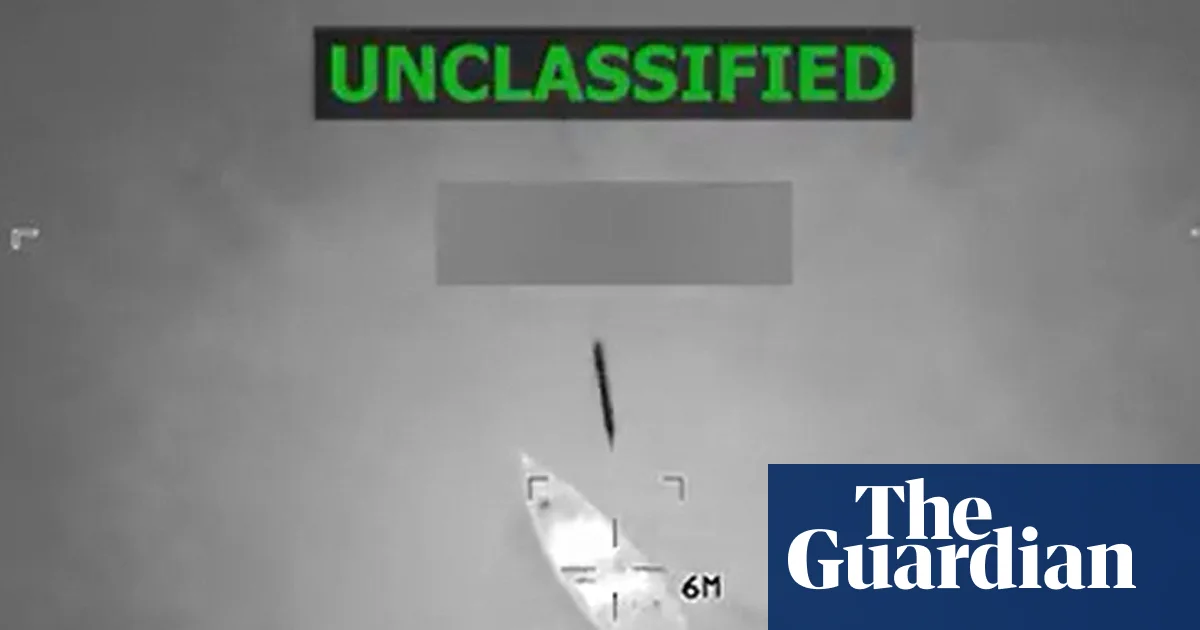
Pentagon Chief Orders New U.S. Strike on Drug Smuggling Boat in the Caribbean

In a move that underscores the escalating global struggle against narcotics trafficking, the United States has conducted its tenth military strike targeting vessels suspected of carrying illegal drugs in the Caribbean and off the coast of South America. According to Pentagon officials, the latest operation resulted in the death of six individuals onboard a vessel believed to be involved in narcotics smuggling along transnational routes. These strikes, authorized and executed under the claim of defending national security and disrupting transnational criminal organizations (TCOs), have sparked considerable debate on the legality and efficacy of U.S. unilateral military interventions.

The administration has rapidly intensified its military posture, deploying the aircraft carrier USS Gerald R. Ford to waters off South America, emphasizing a strategic shift to bolster surveillance and interdiction capabilities in the Western Hemisphere. This move signals a broader geopolitical shift in U.S. foreign policy, with an explicit focus on combating narcotrafficking that threatens both domestic stability and regional security. Analysts suggest that this demonstrates a move toward a more aggressive posture, potentially risking regional destabilization and diplomatic fallout. Since early September, Washington has executed at least 10 strikes, resulting in the deaths of over 40 suspected traffickers, based on unverified claims. However, critics, including numerous civil liberties groups and South American leaders such as Colombian President Gustavo Petro, have condemned the campaigns as extrajudicial murders that violate international norms and sovereignty.

Indeed, the geopolitical impact of these actions extends beyond immediate military objectives. The clandestine role of the Central Intelligence Agency in providing intelligence—reportedly underlying many of these strikes—raises profound questions about transparency and legitimacy. Experts like Dr. Mariana Ruiz, a senior analyst at the International Crisis Group, warn that the secretive nature of intelligence-driven operations could set dangerous precedents. The ambiguous status of alleged affiliations between gangs like Tren de Aragua and designated terrorists complicates the legal framework used to justify these strikes, challenging international law and the sovereignty of affected nations.

Beyond the legal and moral controversies, these actions reveal a broader shift in U.S. strategic priorities. While the White House contends that the President is exercising constitutional authority under Article 2—a controversial interpretation—many legal scholars highlight the lack of explicit congressional approval and question whether such strikes are justified as acts of self-defense. Meanwhile, regional reactions remain overwhelmingly critical; Colombia, a frontline state in narcotics trafficking, decries these operations as “murder,” emphasizing that such policies risk destabilizing already fragile alliances and creating new fertile grounds for conflict. As global watchdogs and analysts grapple with the implications, it is clear that these strikes symbolize more than just a war on drugs. They mark a pivotal moment — a dramatic chapter in the unfolding narrative of international power, sovereignty, and the relentless pursuit of safety in an increasingly chaotic world.

Social Media Auto Publish Powered By : XYZScripts.com