Matox News

Truth Over Trends, always!

US Troops Take Down Suspected Drug Boat, Killing Two in Pacific Operation

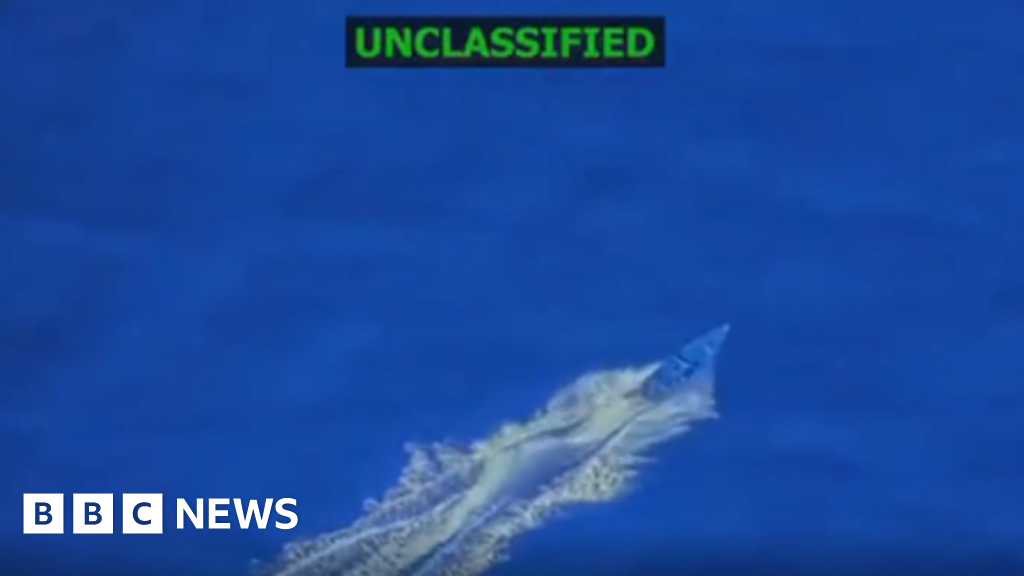
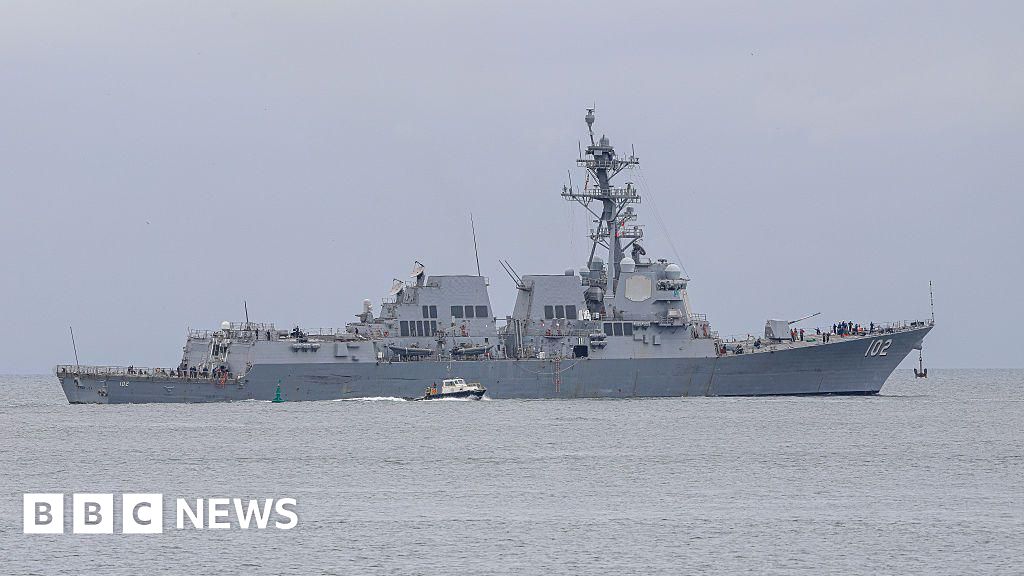
United States forces have initiated a new chapter in its ongoing war against drug cartels, striking a vessel in the Pacific Ocean believed to be engaged in trafficking activities. Confirmed by the Pentagon, this operation marks the eighth US military action against suspected drug vessels since September, yet it bears unique geopolitical significance as the first such strike in the Pacific waters. Defense Secretary Pete Hegseth reported the vessel was known to US intelligence, suspected of carrying narcotics along established trafficking routes in international waters. The operation resulted in two casualties onboard, with perpetrators killed, while no US forces suffered harm.

This escalation in counter-narcotics efforts highlights an intensifying US stance against the transnational drug trade, which has long influenced regional stability and security. Video footage of the strike shows a long, blue speedboat being struck by US ordinance, underscoring the military’s resolve. Hegseth issued a stern warning in a statement on X: “Narco-terrorists intending to bring poison to our shores will find no safe harbor anywhere in our hemisphere.” He further emphasized that these criminal organizations, which US officials often classify as terrorist entities, are waging a war not only on American soil but also across our borders, with economic and societal repercussions for entire nations.

Meanwhile, the geopolitical impact extends beyond immediate military actions. A recent leaked memo from the Trump administration revealed that US officials now consider their conflict with drug trafficking organizations to be a non-international armed conflict. The ongoing strikes have reportedly resulted in at least 36 deaths, including members of drug cartels operating in the Caribbean and the Pacific, with some suspects being repatriated and cleared of wrongdoing. Yet, critics and international analysts continue to debate the legality and strategic efficacy of these operations, warning that such unilateral military actions risk escalating tensions and destabilizing fragile regional relationships. Significant concern exists over how these aggressive strikes influence neighboring countries like Colombia and Ecuador, both critical gateways for cocaine trafficking toward US markets.

The emerging tension between the US and Colombia under President Gustavo Petro signals a shifting alliance landscape. Recently, Donald Trump publicly labeled Petro as an “illegal drug leader,” accusing the Colombian government of encouraging drug cultivation, and announced the suspension of US aid to Colombia—one of America’s longstanding Latin American allies. Such diplomatic strains threaten the stability of the region’s geopolitical fabric, particularly as Colombia and Ecuador’s extensive Pacific coastlines serve as crucial transit points for narcotics funneling northward. According to the Drug Enforcement Agency (DEA), most cocaine destined for US streets passes through this Pacific corridor, fueling the demand-driven chaos that these military operations aim to dismantle. Nevertheless, US officials acknowledge limited transparency surrounding the identities of those killed and the precise cartels involved, adding layers of ambiguity to the broader strategic narrative.

As approximately 10,000 American troops, supported by dozens of ships and aircraft, remain deployed across the Caribbean and Pacific in what some analysts describe as a “peninsula of fire,” the U.S. stance underscores a broader geopolitical gamble. This relentless pursuit of what officials term as “justice” for drug trafficking networks risks inflaming regional tensions and provoking nationalist backlash in Latin America. The narrative remains clear: how decisions made in Washington echo through the corridors of power in Bogotá, Quito, and beyond, shaping the future of international security and sovereignty. As history continues to unfold, these militarized strikes stand as stark reminders of a persistent struggle — where the battle against the drug trade becomes a testament to the complexities of sovereignty, the limits of force, and the unyielding weight of geopolitical destiny.

US Targets Venezuela Drug Boats: Is It Legitimate Action?

International Legal Debates Erupt as US Upholds Maritime Strikes in Caribbean Against Drug Traffickers

The recent series of military strikes launched by the US in the Caribbean Sea have ignited a fierce debate over the legality and geopolitical implications of unilateral military action in international waters. President Donald Trump announced the operation in September, claiming that multiple vessels linked to the notorious Tren de Aragua cartel were targeted, with reports suggesting that these ships were involved in transporting illicit drugs destined for the United States. While US officials argue that they are acting in self-defense—aiming to disrupt narcotics traffickings—their actions have drawn sharp criticism from neighboring nations, legal experts, and international organizations, raising questions about the limits of sovereignty, legality, and international law.

These strikes, carried out without formal congressional approval, have spurred controversy highlighting the geopolitical impact of American military policy in the region. Critics argue that the United States—notably absent from the United Nations Convention on the Law of the Sea—is overstepping its bounds, especially given the ambiguous legal framework surrounding operations against non-state actors such as drug cartels. Legal scholars, including Professor Luke Moffett of Queen’s University Belfast, emphasize that the use of force in international waters should be constrained by existing law, mainly principles of non-interference and hot pursuit. The absence of conclusive evidence about the legal justification for these strikes has only deepened the international divide, prompting the International Maritime Organization and other legal entities to scrutinize the actions of the US.

The Trump administration justifies the operations through allegations that the targeted vessels were operated by narco-terrorists and pose a threat to the homeland. However, critics like Prof. Michael Becker from Trinity College Dublin warn that lumping drug traffickers into the category of military targets could set a dangerous precedent. Under the UN Charter, nations are permitted to use force in self-defense only when under attack or when responding to an armed attack, a standard that many experts argue is not met here. Moreover, the leaked memo suggesting that the administration considers itself engaged in a “non-international armed conflict” with drug cartels has alarmed legal analysts and human rights advocates, fearing that such narratives could legitimize extrajudicial killings and military overreach, thereby destabilizing international norms.

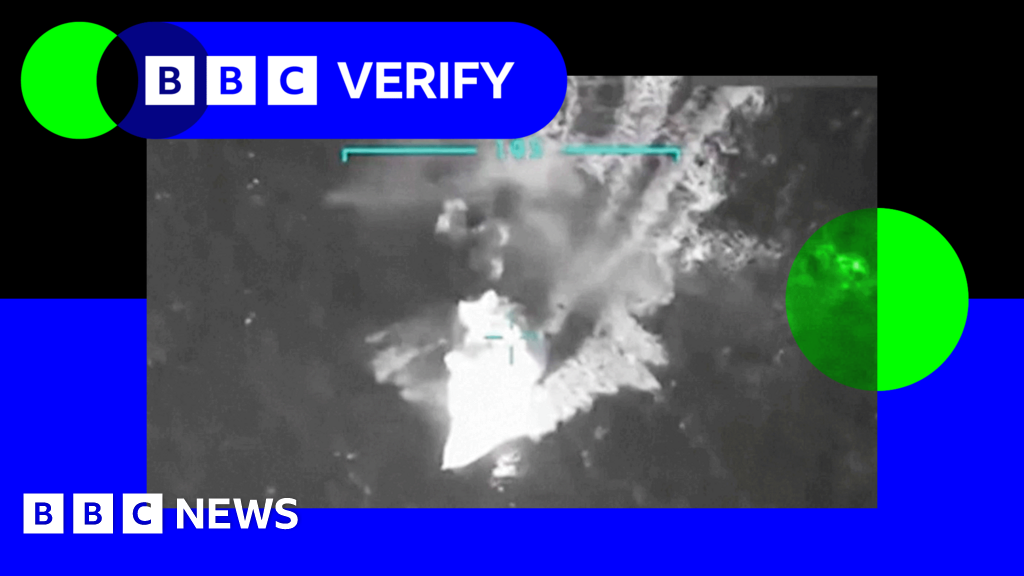
Strategically, the geopolitical impact is palpable: the Venezuelan government swiftly condemned the strikes, denying any involvement in drug trafficking and accusing the US of attempting to justify military intervention to oust Nicolas Maduro. Meanwhile, the region has witnessed an impressive display of military might, with satellite imagery revealing at least 14 US naval ships—including guided missile destroyers and amphibious assault vessels—coordinating in what appears to be an extensive anti-narcotics network reinforced by drones and covert operations, including the authorization of CIA activities in Venezuela itself. This pattern of action reveals a shift towards a more aggressive stance by Washington in the pursuit of its anti-drug agenda, echoing decades of interventionist policies but with an unprecedented maritime dimension.

Amidst the unfolding drama, constitutional questions persist: can Trump or any US president launch such strikes without explicit Congressional approval? Under the constitution, the president is the Commander-in-Chief, yet the War Powers Resolution mandates consultation with Congress before deploying troops for hostilities. The reliance on the Authorization for Use of Military Force (AUMF), enacted post-9/11, has been cited repeatedly, but whether operations against drug cartels fall under this mandate remains contested. As history awaits its next chapter, the region stands on a precipice: a fragile balance of sovereignty, law, and power, where the actions of today will undoubtedly shape the geopolitical landscape for generations.

As the dust settles over these contested waters, one thing is clear: the unfolding narrative of the Caribbean sea is more than a story of drug busts and naval maneuvers. It is a reflection of a broader global struggle—where the rules shaping peace and conflict are being rewritten, and history remembers those who dared to challenge them. Whether in the corridors of Geneva, the courts of Havana, or the decks of American warships, the question remains—how far will the pursuit of security go before it risks unraveling the very principles that forge international order?

How America is Reclaiming Its Youth and Turning the Tide on the Drug Crisis

Revitalizing America’s Approach to the Opioid Epidemic: A Shift Toward Harm Reduction and Personal Empowerment

Despite a harrowing history of drug-related deaths driven by the deadly synthetic opioid fentanyl, recent developments across the United States showcase a significant turning point. A combination of innovative harm reduction strategies, comprehensive treatment programs, and community-driven initiatives have contributed to a surprising 25% decrease in overdose fatalities in 2024. States like North Carolina are leading this transformative movement, proving that the pathway to recovery can be multifaceted—centered not just on abstinence, but also on saving lives and fostering resilience.

One of the pivotal elements in this recovery revolution has been the embraced philosophy of harm reduction. Unlike traditional policies that criminalize drug use, harm reduction prioritizes the health and well-being of individuals. Programs such as the Law Enforcement Assisted Diversion (LEAD) in Fayetteville demonstrate how law enforcement agencies are working directly with community organizations to divert individuals from the criminal justice system into support networks that offer treatment, housing, and employment assistance. “Getting people the services they need not only saves lives, but also rebuilds communities,” explains Lt. Jamaal Littlejohn, whose own sister once struggled with substance use disorder. This approach recognizes that personal impact—including mental health, economic stability, and sense of purpose—are essential components of sustainable recovery.

At the heart of these efforts lies accessible, medication-assisted treatment (MAT). Clinics like the Morse Clinic in Raleigh operate with precision, providing medications like methadone and buprenorphine that drastically reduce cravings and withdrawal symptoms. The perspective shared by Dr. Eric Morse highlights a nuanced understanding: while patients might still test positive for illicit opioids, their changed risk landscape—playing what he calls “Russian roulette with fewer bullets”—significantly boosts survival odds. For individuals like Kayla, who once felt trapped in prostitution and homelessness, these treatments have meant a second chance. Her journey from fentanyl addiction to becoming a certified nurse assistant exemplifies how personalized treatment, combined with community support, can catalyze life-changing personal impacts.

Beyond medication, lifesaving tools such as the naloxone nasal spray have played a critical role in reversing overdoses—potentially saving thousands of lives annually. Dr. Nabarun Dasgupta describes naloxone as an almost “miracle drug,” accessible and simple to administer, making it a frontline defense in the ongoing battle against overdose deaths. However, experts warn of the gaps in drug testing, as not all dangerous substances are detectable, emphasizing the importance of comprehensive harm reduction strategies. Author and wellness advocate Johann Hari reminds us that recovery isn’t solely about abstinence; it involves addressing underlying social, economic, and emotional factors that fuel addiction. As policies evolve, the emphasis is shifting toward empowering individuals, recognizing that life isn’t simply a moral failing but a complex journey of resilience.

Undoubtedly, this generational shift signals hope—especially as data indicates Generation Z is less affected by overdose fatalities compared to previous generations. Fueled by awareness, targeted interventions, and a collective refusal to accept death as an inevitability, communities are redefining what it means to heal. Yet, challenges remain, particularly concerning **federal funding**, which threatens to undo progress if programs like Medicaid are compromised. The inspiring progress in North Carolina offers a compelling reminder: when public policy meets community action and personal agency, there’s a promising future beyond the darkest days of America’s opioid crisis.

  • Embrace evidence-based harm reduction policies that prioritize life over stigma.
  • Support community programs offering treatment, housing, and employment to foster sustainable recovery.
  • Recognize the power of personal stories as catalysts for societal change and empathy.
  • Stay informed and advocate for policies that sustain lifesaving tools and funding for treatment programs.

As the nation writes a new chapter in its battle against addiction, the stories of Kayla, Charlton, and countless others remind us that recovery is a journey—marked not just by overcoming substance use, but by rediscovering purpose, hope, and a renewed sense of life. In the end, lifestyle becomes a conscious choice to embrace resilience and conviction, turning the page toward a future where every life is worth fighting for.

Four Dead in US Navy Strike Against Suspected Drug Run Near Venezuela

US Military Operations in Latin America: A Step Toward {External Enforcement and Conflict Escalation}

The recent U.S. strikes against suspected drug trafficking vessels off the coast of Venezuela mark a significant escalation in regional military engagement, raising questions about the evolving geopolitical landscape in Latin America. According to Defense Secretary Pete Hegseth, these operations are conducted in international waters and target boats allegedly transporting massive quantities of narcotics destined for the United States. The U.S. claims such actions are integral to protecting its citizens from the devastating impact of drug violence—yet they also ignite global legal and diplomatic disputes, which could fundamentally reshape regional stability.

Critics, including international lawyers and regional governments like Venezuela and Colombia, have condemned these strikes as potential breaches of international law. The legitimacy of unilateral military actions in international waters remains fiercely debated among experts such as Harvard international law professor Mollie Roberts, who warns that such operations might undermine existing treaties dedicated to preserving sovereignty and avoiding unlawful escalation. The U.S. government’s recent move to frame drug trafficking as a form of armed attack, especially through a leaked memo announcing a “non-international armed conflict” with drug cartels, signals an alarming shift toward legally dubious grounds for military intervention. This move could grant the U.S. expansive powers beyond traditional law enforcement, possibly setting a precedent for future conflicts worldwide.

Consequences of {Military Overreach} and {Regional Sovereignty}

The geopolitical impact of America’s aggressive tactics in Latin America extends far beyond mere law enforcement. By positioning drug cartels as terrorist organizations, the U.S. has given itself sweeping authority—effectively recategorizing criminal enterprises as threats comparable to conventional warfare, a move that critics argue erodes sovereignty and invites further regional destabilization. The response from Nicolás Maduro and other regional leaders has been one of sharp condemnation, emphasizing their commitment to defend <> from perceived aggression. Such adversarial stances threaten to deepen divisions, potentially leading toward a new Cold War dynamic across the continent.

International bodies like the United Nations have yet to take decisive action amid reports that the U.S. plans further military strikes. Analysts warn that continuous escalation could trigger unforeseen consequences, including the destabilization of fragile democracies and a surge in anti-American sentiment across Latin America. The region, historically buffeted by external powers, now finds itself at a crossroads—struggling with the delicate balance between sovereignty and external influence, with many citizens questioning whether these military operations serve their best interests or merely advance geopolitical ambitions.

Stakes for the Future and the Weight of History

As history unfolds on these treacherous waters, the actions of America and regional nations will likely echo for generations. The categorization of drug trafficking as a warfare threat signals a profound shift in the narrative—one that risks turning a fight against crime into an open-ended conflict that could rewrite international norms. The recent strikes, while framed as self-defense, push the boundaries of legal justification and raise fundamental questions about the limits of military power in pursuit of domestic security. As international organizations and legal experts watch anxiously, the weight of history looms—it may be remembered as the turning point from a century of cooperation to a new era of geopolitical confrontation.

In the end, the ongoing saga in Latin America’s waters serves as a stark reminder of the thin line separating order and chaos. The decisions made today—whether to pursue aggressive unilateral policies or seek multilateral solutions—will undoubtedly shape the destiny of nations and societies. With each strike, the world watches a narrative written in real-time, a stark reminder that history’s pen is never silent—only waiting for the next chapter to be written in the uncertain book of global power.

Mugabe's Son Faces Drug Charges in Court—Youth Perspectives Shift Buhari, but Justice Must Prevail
Mugabe’s Son Faces Drug Charges in Court—Youth Perspectives Shift Buhari, but Justice Must Prevail

Zimbabwe’s Political Legacy Faces New Scrutiny as Mugabe’s Son Encounters Legal Troubles

The recent arrest of Robert Mugabe Jr., the son of the late Zimbabwean ruler Robert Mugabe, has sent ripples through the nation’s fragile political landscape and raised questions about the lingering influence of his family’s dynasty. Mugabe Jr., aged 33, appeared in a Harare court on charges of drug possession after police intercepted him for driving the wrong way on a one-way street. Authorities claimed they discovered small sachets of cannabis in his possession—a detail contested by the defendant’s legal team—highlighting ongoing issues of law enforcement and judicial transparency that continue to shape Zimbabwe’s internal stability.

This incident is not isolated but part of a broader pattern that underscores the tumultuous ongoing struggle for political legitimacy and social control within Zimbabwe. The police reported arresting five alleged members of a criminal syndicate linked to Mugabe Jr., who purportedly possessed five sachets of marijuana and six ecstasy pills. Such allegations, although currently under investigation, bear important symbolic weight—they illustrate how the nation’s recent history of political upheaval, economic hardship, and social unrest remains intertwined with the Mugabe legacy. Analysts warn that these events may serve as pretexts for factional power struggles, especially as Zimbabwe navigates its post-Mugabe era, with current leader Emmerson Mnangagwa attempting to consolidate authority amid economic and political uncertainty.

Historically, Zimbabwe has been marked by a mix of liberation and repression. Its founding father, Robert Mugabe, was celebrated for his heroic role in ending colonial rule but later condemned for implementing policies that led to economic decline, hyperinflation, and widespread social discontent. International observers, including the United Nations and several regional organizations, have repeatedly called for transparency and reform, yet the country’s political culture remains deeply entrenched in patronage and corruption. With Mugabe Jr.’s incidents now coming to light, some analysts see it as a reflection of the persistent influence his family continues to wield behind the scenes, subtly shaping Zimbabwe’s geopolitics and internal dynamics.

In the broader scope of regional geopolitics, Zimbabwe’s internal upheavals hold implications for southern Africa’s stability. As South Africa, Zambia, and other neighboring states keenly observe shifting alliances and political factions, the specter of unresolved historical grievances looms large. How Zimbabwe handles these internal crises—particularly in terms of justice, transparency, and leadership accountability—will influence regional cooperation and investor confidence alike. Scholars suggest that Mugabe’s legacy remains a cautionary tale about the perils of authoritarianism and economic mismanagement. Looking forward, the decision of Zimbabwe’s judiciary regarding Mugabe Jr.’s bail and potential conviction will test the country’s commitment to the rule of law and its capacity for genuine political reform. As history continues to unfold, the nation faces a pivotal crossroad—whether to reconcile its past or allow echoes of a turbulent past to determine its future.

In the shadows of these unfolding events, the world watches with bated breath. The fate of Zimbabwe may not define the entire continent, but its trajectory carries profound implications for the resilience of democracy and the ongoing quest for justice in a nation scarred by decades of conflict. As Mugabe’s legacy persists, the question remains: will the currents of change finally break the cycle of repression, or will history once again be written in the blood and tears of Zimbabwe’s people? The answer lies ahead, but one certainty endures—history’s weight presses heavily on Zimbabwe’s shoulders, and the world stands witness to a nation still searching for its true destiny amid the shadows of its past.

Colombia’s president slams U.S. crackdown on drug boats as a tyrannical move

The recent US military strikes in the Caribbean Sea have ignited a fierce international debate over sovereignty, legality, and the future of U.S.-Latin American relations. The Biden administration, continuing a contentious policy from the previous Trump era, launched airstrikes targeting alleged drug-trafficking vessels in what they frame as a necessary crackdown on narcotics entering the United States. However, Colombia’s President Gustavo Petro has denounced these strikes as an “act of tyranny,” warning that such unilateral military actions threaten regional stability and violate international laws. His outspoken opposition underscores a broader sense of Latin American mistrust toward U.S. interventions, especially when international norms appear to be sidestepped in pursuit of drug interdiction goals.

This confrontation is not merely about drug traffickers but reflects a deeper battle over sovereignty and the rule of law across the hemisphere. The Biden administration’s secrecy around the operation—failing to disclose targets, identities of those killed, or legal justifications—has prompted outrage among international legal experts and lawmakers. Many question whether such targeted killings in international waters contravene international human rights laws or if they constitute extrajudicial executions, as flagged by UN authorities. The lack of transparency fuels accusations that the U.S. is prioritizing aggressive tactics over diplomatic efforts, risking to alienate critical regional allies.

Analysts from various international organizations warn that these actions could set a dangerous precedent, transforming the Caribbean Sea into a theatre of shadow warfare where sovereignty is disregarded in the name of combating narcotics. Historians point out that the United States’ history of military interventions in Latin America has often led to long-term instability, interference that has historically favored strategic interests over regional welfare. The question remains: How will such policies reshape the geopolitical landscape? Already, Venezuela and other neighboring nations voice increasing apprehension, seeing the strikes as provocative attempts to destabilize their governments and economic systems.

Meanwhile, President Petro has clearly framed this conflict as an assault on national sovereignty. His call for criminal investigations into U.S. officials involved in these strikes underscores a broader warning—interventionism breeds resentment and undermines mutual trust. As tensions intensify, the implications extend beyond immediate security concerns: they threaten to fracture regional alliances, fueling anti-American sentiment and strengthening nationalist narratives. The international community, including dissenting voices within the UN, is watching closely, with some experts warning that this escalation could unravel decades of diplomatic progress and usher in a new phase of proxy conflicts and rivalries.

As the world grapples with this unfolding crisis, the echoes of history remind us that such decisive moments often _determine the fate_ of nations for generations to come. With the weight of sovereignty, legality, and societal stability hanging in the balance, the geopolitical impact of these decisions will ripple across continents. Public sentiment in Latin America, influenced by a legacy of intervention and resistance, hints at a rising tide of nationalistic resilience—an obstacle that the United States now faces as it navigates an increasingly complex and divided world stage. The pages of history are being written at this very moment—with each strike, each diplomatic rebuff, shaping a future where control is contested not just in the halls of government, but in the minds of nations and peoples threatening to forge their own destinies amid the chaos of international power struggles.

Social Media Auto Publish Powered By : XYZScripts.com