
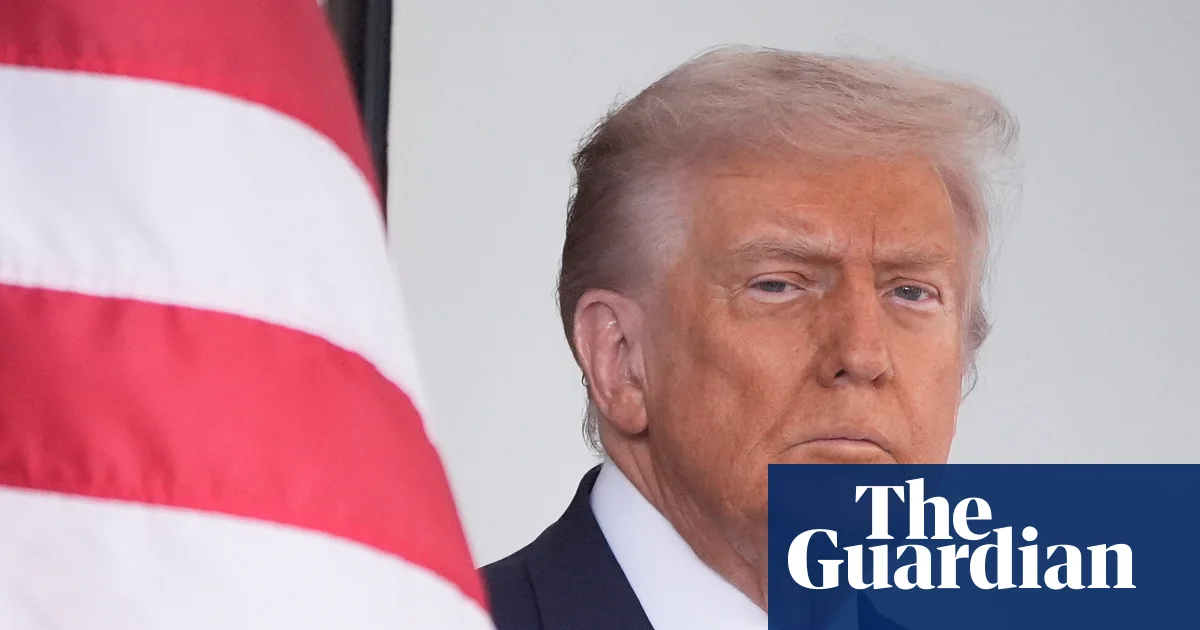

The United States continues to assert its military presence in the Caribbean Sea, with recent actions signaling a shift in its approach to combating drug trafficking and associated drug-terrorist organizations. On Tuesday, President Donald Trump announced that the US military had conducted a targeted strike against a small vessel off the coast of Venezuela, claiming the vessel was involved in drug smuggling and carried six individuals linked to narcoterrorism. This incident marks the fifth deadly US strike in the region over recent months, exemplifying the administration’s increasingly assertive stance in what officials call a non-international armed conflict with major cartels such as Tren de Aragua, a designated foreign terrorist organization. According to a memo obtained by The New York Times, Trump has declared drug cartels as non-state armed groups, legally framing their actions as an armed attack against the US.
- Such military actions are justified by officials as necessary means to substantially disrupt the flow of narcotics into the US, arguing that these groups have evolved into sophisticated, organized threats comparable to armed insurgencies.
- Lawmakers and human rights advocates, however, question the legality of these unilateral strikes, claiming they risk violating international law and could lead to extrajudicial killings.
- The United Nations experts have publicly condemned these strikes as extrajudicial executions, emphasizing that criminal activities must adhere to the principles of justice, investigation, and international cooperation. They warn that circumventing legal processes could undermine global norms and set dangerous precedents.
Adding another layer to this complex geopolitical puzzle, Colombia President Gustavo Petro recently claimed there were “indications” that one of the targeted vessels might have been Colombian, with Colombians onboard. The White House responded swiftly, dismissing Petro’s statement as “baseless and reprehensible,” further escalating tensions between the neighboring countries. This dispute underscores how military actions in sovereign waters ripple through regional alliances and influence domestic politics, with the US positioning itself as a decisive arbiter of security in an area historically plagued by instability.
From the perspective of international analysts, these developments reflect a decisive pivot by the Trump administration, which now regards drug cartels not merely as criminal organizations but as armed threats that warrant military intervention. Dr. Mariana Lopez, a geopolitical expert, warns that such policy shifts could redefine the US’s role in Latin America, blurring lines between law enforcement and military action. Similarly, the Center for Strategic and International Studies highlights that these aggressive tactics could intensify regional tensions, making diplomatic resolutions more elusive. Meanwhile, the failure of the US Senate to pass legislation limiting the President’s authority to conduct future strikes indicates bipartisan support for a more aggressive posture. Almost all Republicans, along with Senator John Fetterman, opposed the measure, signaling a willingness among congressional leaders to prioritize security measures over strict legal oversight.
As history continues to unfold in real-time, the question persists: will these strikes quell the relentless tide of narcoterrorism, or will they provoke broader conflicts with unpredictable consequences? The Caribbean region, a vital nexus for international trade and geopolitical influence, now teeters on the brink of a new era—one in which the line between law and war is increasingly blurred. With every missile fired and each diplomatic statement, the weight of an evolving global order presses down on societies across the Americas. The decisive moments are yet to come, but what remains certain is that history is forging its new chapter—one marked by resilience, controversy, and the enduring struggle for sovereignty amid external interference.





