
Matox News

Truth Over Trends, always!

Dutch Train Strikes Truck at Level Crossing—Young Commuters Safe

The recent train accident in Meteren, the Netherlands, has sent ripples across the global geopolitical landscape, illuminating the persistent vulnerabilities in national infrastructure security amidst rising international tensions. CCTV footage reveals the harrowing sequence where a truck, maneuvering carelessly on the railway line, becomes entangled in a tragic collision with an oncoming train operated by ProRail. Though authorities confirm minor injuries to five individuals involved, the incident underscores a broader concern: how nations safeguard vital transport corridors amid geopolitical shifts.

In the context of international infrastructure reliability, this event highlights the potential for localized tragedies to escalate into international issues, especially as cross-border trade and regional cooperation become increasingly critical. Leading global analysts have drawn parallels to other infrastructure failures in geopolitically sensitive areas, warning that such incidents, though seemingly isolated, may be symptomatic of systemic oversight or underfunding. Experts from organizations such as the International Transport Forum emphasize that preventative measures and international cooperation are vital as countries like Germany, France, and Belgium bolster their transportation security budgets in response to rising external threats and internal neglect.

Furthermore, this incident raises questions about the stability of European cooperation and defense. Despite the longstanding commitment to free movement through agreements such as the Schengen Area, vulnerabilities within national transportation networks can serve as choke points for larger security concerns. As European Commission officials reiterate, reliable infrastructure is the backbone of economic resilience and societal safety. Yet, the incident demonstrates that old vulnerabilities can resurface, exacerbated by the waning political focus on infrastructure investment. Historically, similar events have prompted much-needed debates about modernization and cross-national safety standards, but progress remains sluggish, leaving citizens exposed at crucial moments.

As nations grapple with internal reforms and international threats, the weight of history presses on policymakers’ shoulders. The Netherlands, known for its pioneering efforts in sustainable urban development, now faces a stark reminder that even advanced societies are not immune to oversight. The incident in Meteren acts as a stark metaphor for the fragile threads holding together the global order; a single lapse, a momentary misjudgment, can cascade into larger crises, leaving societies vulnerable and authorities questioning their readiness. The unfolding nature of this tragedy underscores an urgent truth: history is continuously written, and the stakes are higher than ever, as the world’s geopolitical landscape teeters on the edge of new, uncertain realities.
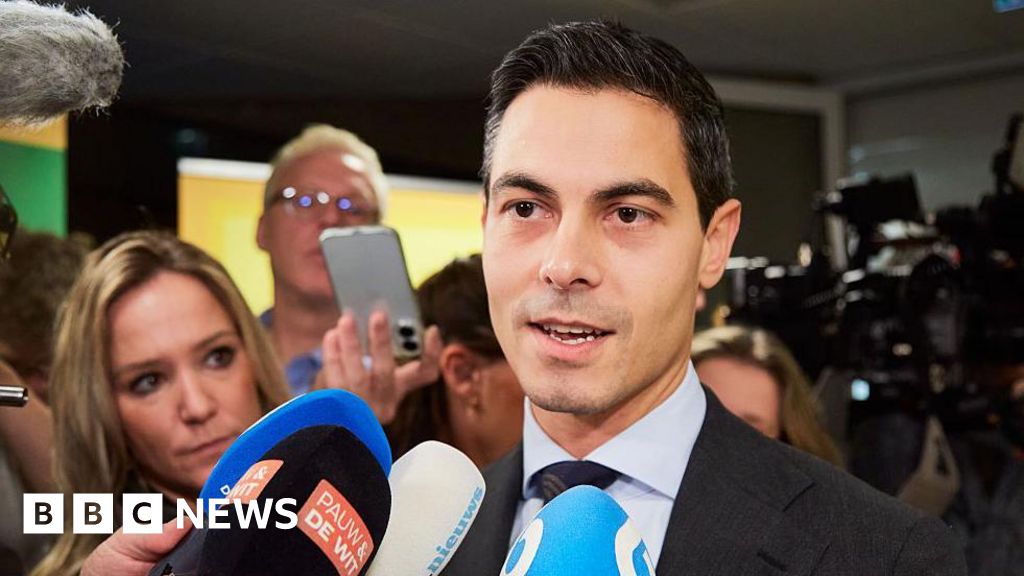

Rob Jetten’s Centrist Party Surges in Close Dutch Election, Youth Support Grows

In a significant turn of events that could ripple across the European Union and beyond, Rob Jetten and his centrist liberal party, Democrats 66 (D66), have narrowly edged out Geert Wilders of the Freedom Party in the recent Dutch general election. With projections indicating Jetten’s victory, this result signifies more than just a local political shift; it signals a potential recalibration of the Netherlands’ stance within the EU and its approach to overarching international alliances. Although Wilders had led opinion polls prior to election day, the final tally reveals that Jetten’s positive, unity-focused campaign strategy succeeded in consolidating vital city votes across Rotterdam, The Hague, and Utrecht. Projected at 26 seats with potential to reach 27, Jetten’s narrow majority underscores a fragile political landscape—a delicate balance that, if maintained, could influence European policy trajectories for years to come.

According to election officials and international analysts, Jetten’s victory is emblematic of a broader regional shift away from populist anti-immigration narratives promoted by Wilders. The Dutch electoral landscape now moves toward a coalition-building process requiring strategic alliances with conservative, left-wing, and centrist parties—a process fraught with complexity and potential delays. Historically, such multi-party negotiations in the Netherlands have taken months, often stalling reforms at critical junctures. International organizations like the European Parliament are watching closely, as shifts in Dutch leadership have historically impacted EU cohesion, especially on immigration, climate policy, and security initiatives. If Jetten, at just 38, becomes the youngest prime minister in Dutch history, his governance could herald a new era emphasizing pragmatic centrism, which analysts claim may soften some of the more radical EU populist waves but also risk alienating voters disappointed by the protracted coalition process.

From a geopolitical impact perspective, the election outcome serves as a geopolitical ballast, balancing internal European pressures with external threats. With Russia’s continued assertiveness in Eastern Europe and rising tensions over immigration, the Netherlands’ political orientation carries weight beyond its borders. European diplomats and foreign policy experts warn that a stable, centrist Dutch government might serve as a moderating influence on EU foreign policy, especially concerning the ongoing Ukraine conflict and relations with China. Conversely, a prolonged coalition formation process, as predicted by observers like former Dutch Prime Minister Dick Schoof, could leave the country vulnerable to external pressures—a scenario that history warns could embolden adversarial actors seeking to exploit political uncertainty in key EU states. The delicate dance of Dutch votes thus holds the power to tilt the continent’s geopolitical balance—an unfolding saga with ramifications far exceeding borders.

As history continues to write itself in real-time, the victory of Jetten’s centrists over Wilders’ populists reminds the international community that the currents shaping our future are often determined quietly—yet profoundly—in the ballot boxes of small nations like the Netherlands. The coming months will reveal whether Jetten’s coalition can finally forge a stable government, capable of confronting the pressing crises of our era, or whether internal missteps could usher in a new wave of uncertainty. With each vote, society writes a page into the difficult narrative of democracy—its contours swirling with ambition, fear, hope, and the relentless pursuit of stability amidst the chaos of a tumultuous age. For now, the world watches with bated breath, aware that this story—this pivotal chapter—has only just begun to unfold.”

Dutch centrists under Jetten set for surprising election victory, poll indicates

The recent Dutch parliamentary elections have charted an intriguing course in European politics, illustrating a significant shift that could ripple across the geopolitical fabric of the continent. Rob Jetten’s centrist liberals, under the banner of Democrats 66 (D66), have unexpectedly overtaken traditional political heavyweights, including Geert Wilders’ PVV and established left-wing parties. This electoral upheaval, characterized by the projected victory of Jetten’s campaign, underscores a rising public desire for pragmatic leadership and national unity amid persistent crises—chiefly housing shortages, migration concerns, and economic stability.

Historically, Netherlands has been viewed as a cornerstone of stability within the European Union. Yet, recent trends reveal a society eager to embrace change, as evidenced by Jetten’s rapid political ascendancy. Once languishing in fifth place, his party is now poised to hold 27 seats, just ahead of Wilders’ populist faction, which conceded defeat. The significance extends beyond electoral numbers; the shift signals a broader discontent with the stagnation and negativity perceived in recent years’ politics. Experts from the European Policy Institute argue that this election presents a turning point, emphasizing how societal frustrations with migration policies, housing demand, and economic strife are steering voters away from populist rhetoric towards centrist, constructive alternatives.

Meanwhile, how these decisions affect nations and societies cannot be understated. The expansion of Jetten’s coalition plans, including commitments to build ten new cities to combat housing shortages, delineates a future where national policy leans toward active social restructuring. This has profound geopolitical impact, as the Netherlands’ leadership style and policies influence broader European stability and cooperation. The UK’s House of Commons and the German Bundestag watch keenly, recognizing that shifts in Dutch politics could inspire similar realignments in other EU nations, especially as issues of migration and economic resilience dominate the continent’s agenda. The European Council itself is weighing the implications of a more centrist, pragmatist Netherlands—potentially steering EU policies toward more effective, unified responses to shared challenges.

The election results reveal a society at a crossroads, with Wilders’ debate-shown influence waning, despite his proudly bullish stance: “You won’t be rid of me until I’m 80.” The enduring question remains whether this new political climate will translate into lasting change or serve as a fleeting reaction to the ongoing crises. Nonetheless, the message is clear: the Dutch electorate is signaling a desire for a decisive break from the polarization of the past, indicating a readiness to embrace a future defined by pragmatic progress rather than populist grievances. This pivot bears a significant message for international observers—the age of reactive politics may be waning, heralding instead a period where nations prioritize stability and strategic unity.

As history continues to unfold in the quiet yet consequential corridors of Amsterdam and The Hague, the coming months will reveal whether Jetten’s vision of a rejuvenated Netherlands can serve as a beacon for Europe’s future. In a world gripped by turmoil—be it economic instability, migration waves, or geopolitical tensions—the decisions taken on this small but influential stage could echo loudly through history’s unfolding narrative. The challenge remains: can a society ravaged by decades of stagnation forge a new path forward, or will the specter of discontent cast long shadows over the Dutch horizon? The answer may determine not just the fate of an island nation but the very direction of European stability in these uncertain times.

Dutch volleyball player and convicted pedophile denied Australian visa

In an era where national security and public morality increasingly influence international relations, recent events have sharply highlighted the ongoing debate over how nations uphold their societal standards and legal principles. Dutch Olympic volleyball player Steven van de Velde, 31, has become a focal point of this controversy after a series of actions that challenge the assumptions of open international sporting events. Van de Velde’s past criminal convictions, including his 2016 guilty plea for the raping of a 12-year-old girl in Milton Keynes — a morally and legally abhorrent offense — have prompted UK and Australian authorities to act decisively. As he prepared to compete at the upcoming Beach Volleyball World Championships in Adelaide, South Australia, his visa application was vehemently denied—a decision rooted in the broader principle that certain crimes must disqualify individuals from representing their nations on the international stage.

The decision underscores a critical shift in how international sporting organizations and host nations are navigating the delicate intersection of athletics, morality, and security. South Australia’s Attorney-General Kyam Maher explicitly called for the rejection of Van de Velde’s visa, emphasizing that “we do not believe that foreign child sex offenders should be granted entry to this country.”1 This stance echoes broader sentiments in Western democracies increasingly motivated by a desire to preserve societal safety and uphold the moral fabric of nations. Australia’s Home Affairs Minister Tony Burke articulated a tough stance, affirming that the government will “continue to use every tool we have available to ensure that Australians can be safe and feel safe in their communities.” Such statements reflect a broader geopolitical shift where sovereign nations prioritize national morality and security over transient athletic or diplomatic considerations.

This incident has ignited intense debate among political analysts and international observers regarding the limits of forgiveness and rehabilitation, especially when it comes to offenders with heinous pasts. Historians and criminal justice experts argue that the evolving policies in countries like Australia and the UK signal a departure from the often lenient international attitude towards athletes with criminal histories. While Van de Velde’s return to professional sport after serving only 12 months of his four-year sentence raises ethical questions, it also spotlights the aspirations of host countries to assert moral authority in the face of global sporting commerce. The incident is also a bellwether for how international organizations and younger audiences may increasingly align with conservative principles that emphasize justice, safety, and societal integrity over rehabilitation alone.

As the controversy unfolds, the international geopolitical landscape is shifting, with nations reevaluating how their decisions impact not just international perceptions of morality but also their standing in a chaotic global order. The incident has garnered reactions from a range of sources, including global institutions like the IOC, who are often caught between the democratization of sport and the maintenance of moral standards. The growing disapproval of Van de Velde’s participation and similar cases reflect a broader narrative: the weight of history is still unfolding, and the decisions made today will echo for generations, shaping a new era of international governance rooted in sovereignty, morality, and societal protection.

Dutch volleyball player and convicted child predator Steven van de Velde denied Australian visa

In a move that underscores the rising importance of moral standards and national security in international sports, the Australian government has officially banned Steven van de Velde, the Dutch beach volleyball player convicted of child rape, from entering the country ahead of the upcoming world championships in Adelaide. This decision highlights a broader trend where nations, especially those with strong sovereigntist inclinations, are increasingly leveraging their immigration policies to uphold societal safety and moral integrity. The ban effectively sidelines Van de Velde, a controversial figure whose past crimes continue to resonate as a symbol of the potential threat posed by athletes with criminal histories.

Van de Velde’s case is emblematic of a turning point in international policy where morality becomes a tangible criterion for participation in global events. The Dutch athlete, once convicted of raping a 12-year-old girl at age 19, served only 13 months of his four-year sentence before resuming his career, a timeline that raised eyebrows among critics who argue that he should have remained ineligible for public trials and competitions. As international commentators and security experts have observed, such decisions by host nations reveal a complex balancing act between fairness, justice, and the protection of societal values. The Australian Minister for Home Affairs, Tony Burke, emphasized this stance, stating, “The government will continue to use every tool we have available to ensure that Australians can be safe and feel safe in their communities.”

This incident underscores the international implications of individual criminal histories and how they are increasingly influencing diplomatic and sporting decisions. Historically, global organizations such as FIFA and the International Olympic Committee have wrestled with similar moral quandaries, often facing accusations of hypocrisy or indifference. Critics, including leading legal analysts and human rights advocates, argue that such bans are not merely about morality but serve a broader geopolitical narrative — a push to reassert national sovereignty and moral authority amidst a landscape of shifting alliances and values.

  • Van de Velde was previously penalized in 2016 for his heinous crimes; yet, his re-entry into international competition highlights ongoing debates about redemption and justice.
  • The decision to exclude him aligns with Australia’s broader strategy of safeguarding national morals and security in an era where global conflicts often bleed into the realm of international sports and diplomacy.

As the world watches, this decisive act by Australia reflects a more assertive stance that broader nations might soon emulate — framing moral gatekeeping as essential to maintaining societal order in a chaotic global landscape. Historians warn that these decisions are part of a larger chapter in history where national interests and societal safety are increasingly prioritized over the outward appearance of inclusivity. The geopolitical impact of such policies extends beyond sport; it signals a shift toward a more cautious and protective posture in global diplomacy, where nations capitalize on moral rhetoric to justify their sovereignty and security measures. The weight of history continues to press down as nations fight for their moral and geopolitical integrity, forging a future where morality and power remain inextricably linked — a struggle that will define the world for generations to come.

Social Media Auto Publish Powered By : XYZScripts.com