
Global Power Play: Trump versus BBC Sparks International Tensions
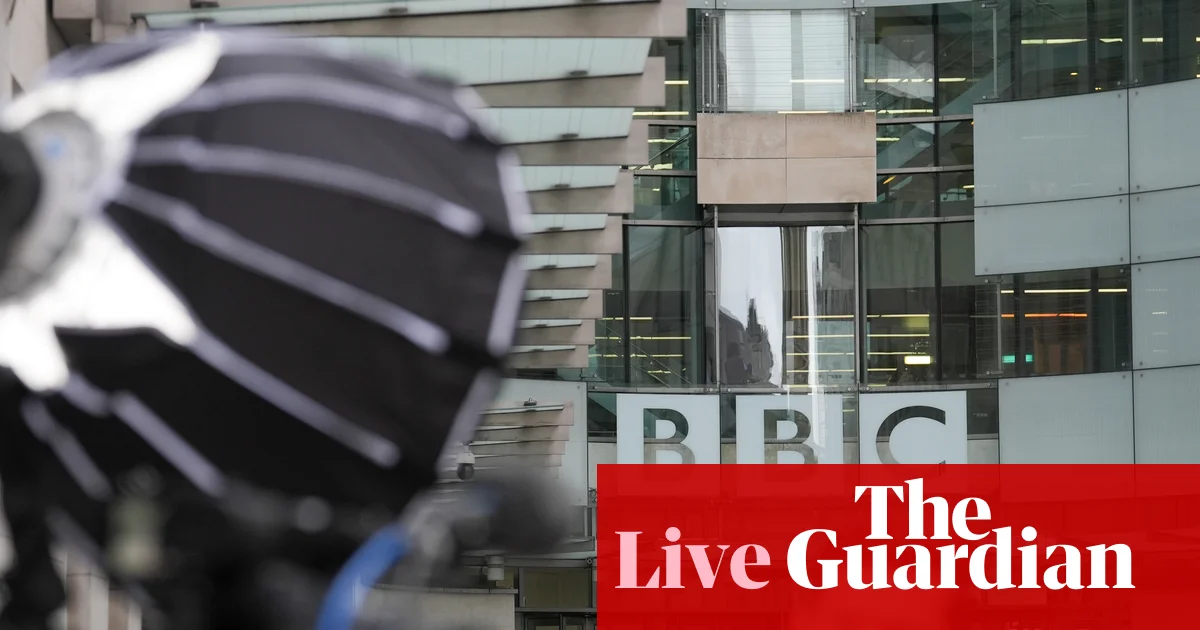
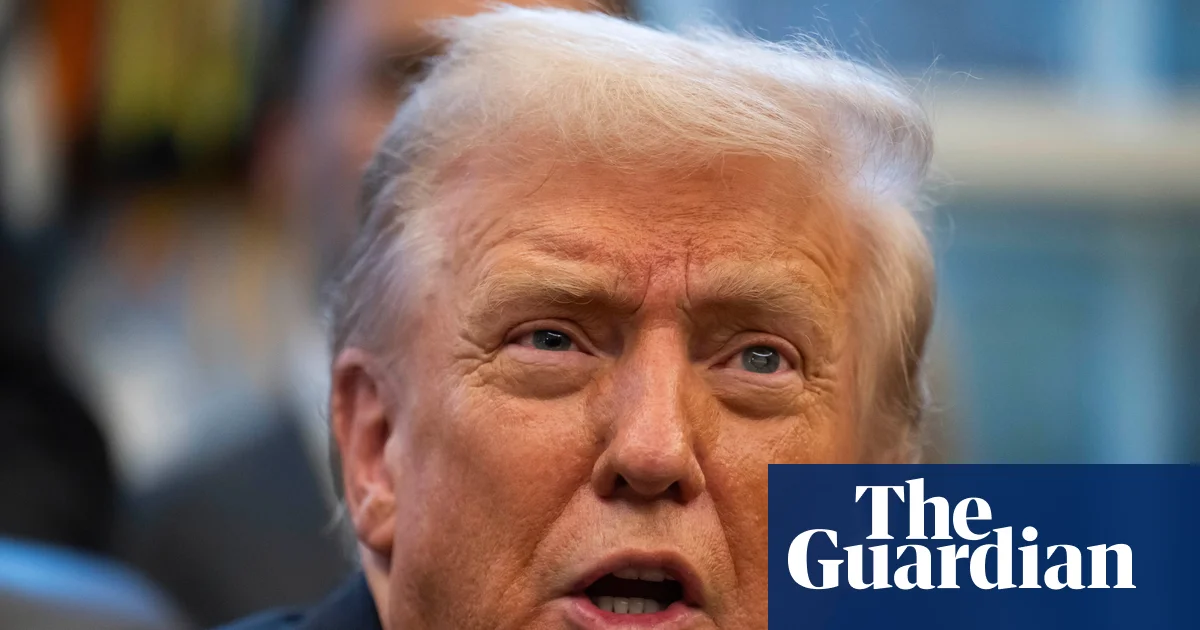
In a developing saga that underscores the enduring volatility of transatlantic relations, former U.S. President Donald Trump has declared his intention to pursue legal action against the British Broadcasting Corporation (BBC), igniting fears of a broader eroding trust between allied nations. The controversy centers around the BBC’s editing of a Panorama documentary that manipulated a speech Trump delivered on January 6, 2021. Trump claims the aired segment misrepresented his words, implying a call for violence—an assertion the corporation acknowledges, having issued an apology. However, the mere fact that this incident has escalated to a threatened billion-dollar lawsuit indicates how media narratives can swiftly morph into diplomatic flashpoints.
The repercussions extended beyond the courts, provoking a wave of shockwave effects within the British media landscape. The resignation of BBC Director General Tim Davie and Deborah Turness, the head of BBC News, has been widely interpreted as a sign of internal turmoil provoked by the controversy. Many analysts see this as a reflection of the deepening rift between free press principles and the rising tendency of political trivialization and weaponization of media. Critics within the BBC have expressed fears about the institution’s perceived bias, highlighted in recent internal memos—particularly one authored by former independent adviser Michael Prescott, which accused the corporation of liberal bias. Despite_counterarguments_html>representing historical issues, the controversy illustrates how the BBC’s credibility is increasingly scrutinized amid the shifting sands of international facts and narratives.
Geopolitical Impact: Transatlantic Tensions and the Future of Global Media
The upcoming legal showdown is expected to have profound geopolitical repercussions. While Florida’s legal landscape may not favor Trump’s claims, the case amplifies a larger narrative—one where national interests and media sovereignty increasingly collide. Experts warn that the dispute could set dangerous precedents, empowering political actors to wield the judiciary as a tool for controlling international narratives. It raises fundamental questions about who controls the truth and how societal consensus is shaped in an era of misinformation. International organizations, such as the United Nations, have repeatedly warned against weaponizing legal mechanisms for political ends, yet the trend persists. The controversy surrounding the BBC’s editing practices resonates beyond bilateral tensions, serving as a warning signal about the fragile balance between free speech, media integrity, and political influence.
Meanwhile, the British government faces increasing pressure to defend its sovereignty against not only domestic internal strife but also external accusations of bias and manipulation. The rising tide of populist nationalism across Europe and North America underscores a broader desire to assert control over national narratives and resist the perceived encroachment of globalist interests. As historians and political analysts note, these conflicts are more than mere disputes—they are a reflection of deep-rooted societal debates about sovereignty, truth, and the future direction of Western democracies. The recent BBC crisis exemplifies how media institutions are caught in the crossfire of international power struggles, with their decisions having tangible consequences on national identity and social cohesion.
The Unfolding Narrative: The Weight of History
As the legal proceedings loom, and the BBC grapples with internal and external pressures, the overarching question remains: what does this mean for the future? Will this conflict exemplify a new era where media outlets become battlegrounds for ideological dominance, or will it serve as a wake-up call to defend the integrity of information itself? History warns us that such clashes are rarely contained; they ripple outward, affecting alliances, societal trust, and the very fabric of democracy. With each court date and internal memo, the weight of history presses down—reminding us that the decisions made today, especially in the realm of media and law, will echo through future generations. Ultimately, the unfolding story of Trump vs. the BBC is a stark symbol of a world where the lines between truth, power, and influence are more blurred than ever, leaving the global community at a crossroads—the outcome uncertain, and time itself undeniably running out.