Matox News

Truth Over Trends, always!

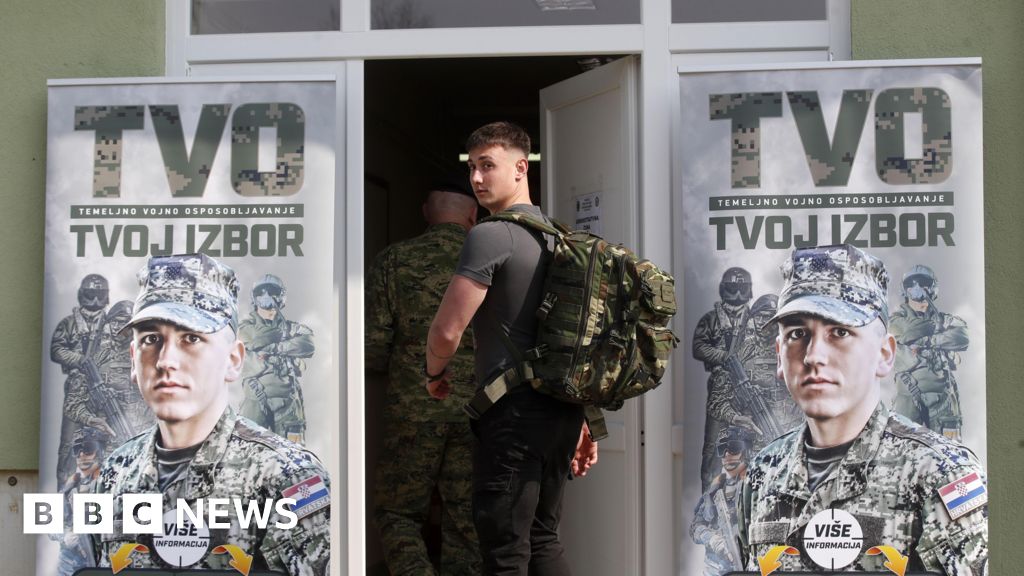
Hundreds of Croatian Teens Respond to Duty as Conscription Returns

In a rapidly changing geopolitical landscape, nations worldwide are intensifying their military preparedness by expanding training programs to encompass emerging technological domains. Recent developments indicate a concerted effort by global powers to integrate both traditional combat skills and cutting-edge cyber and drone warfare capabilities into their defense strategies. This comprehensive approach highlights a recognition that future conflicts will be fought not only on conventional battlefields but also through the unseen realms of cyber and electronic warfare. As military analysts and historians interpret these shifts, the message is clear: the nature of warfare is transforming, and nations are racing to adapt or fall behind.

The training initiatives now include elements such as drone control, cyberwarfare techniques, and countermeasures, signaling a strategic pivot toward technological superiority. Countries like the United States, Russia, and China have ramped up investments in these areas, employing specialists who can operate and defend against sophisticated digital threats. For example, recent reports suggest that several allied nations are establishing integrated cyber command units tasked with both offensive and defensive operations in digital domains. Security experts argue that these capabilities are vital since cyberattacks hold the potential to cripple critical infrastructure, influence elections, and disrupt financial systems. The emphasis on drone technology, meanwhile, signifies a move to enhance precision strike capabilities, reduce troop casualties, and maintain strategic advantages in contested regions.

Geopolitical Impact

The expansion of such training reflects more than just technological innovation; it signifies a profound shift in international power dynamics. As nations develop and deploy advanced warfare tools, traditional power balances are being redefined. Analysts warn that these developments could lead to an arms race, where competing states seek dominance in digital and unmanned systems. The North Atlantic Treaty Organization (NATO), for instance, has issued warnings about vulnerabilities in its digital infrastructure, prompting member states to bolster defenses. Similarly, Russia and China openly pursue offensive cyber capabilities, challenging the assumptions of Western technological superiority. The destabilization of global peace becomes an increasingly real concern, as the lines between conventional and unconventional warfare blur.

How Decisions Affect Nations and Societies

At the heart of these developments lie broader questions about sovereignty, security, and societal resilience. While technological advancements promise enhanced protection and power projection, they also pose risks—such as the escalation of conflicts into new domains or the unintended consequences of cyber warfare. Governments face the challenge of ensuring that their military transformations align with diplomatic and ethical standards, warning against reckless escalation. International organizations like the United Nations continue to call for arms control measures, but skeptics argue that innovation often outpaces regulation, leading to a dangerous arms race in invisible domains. As the world witnesses the integration of cyber and drone warfare into core military doctrines, societies must grapple with the implications of increased automation, surveillance, and the potential loss of control over autonomous systems.

Conclusion: The Unfolding Chapter of History

The global scramble for military dominance in technology signals a pivotal chapter in history—where the battlefield extends beyond physical territories and into the intangible realm of information and machine intelligence. The decisions made today regarding military training and technological development will not only determine who holds the advantage in future conflicts but also shape the very fabric of international stability. As nations forge ahead into this uncharted territory, the weight of history presses down, reminding us all that the true cost of progress may be measured in the echoes of conflicts yet to come—and the silent battles in the shadows of an increasingly interconnected world.
Trump vows to sue BBC over altered speech, claims duty to fight bias

Global Power Play: Trump versus BBC Sparks International Tensions

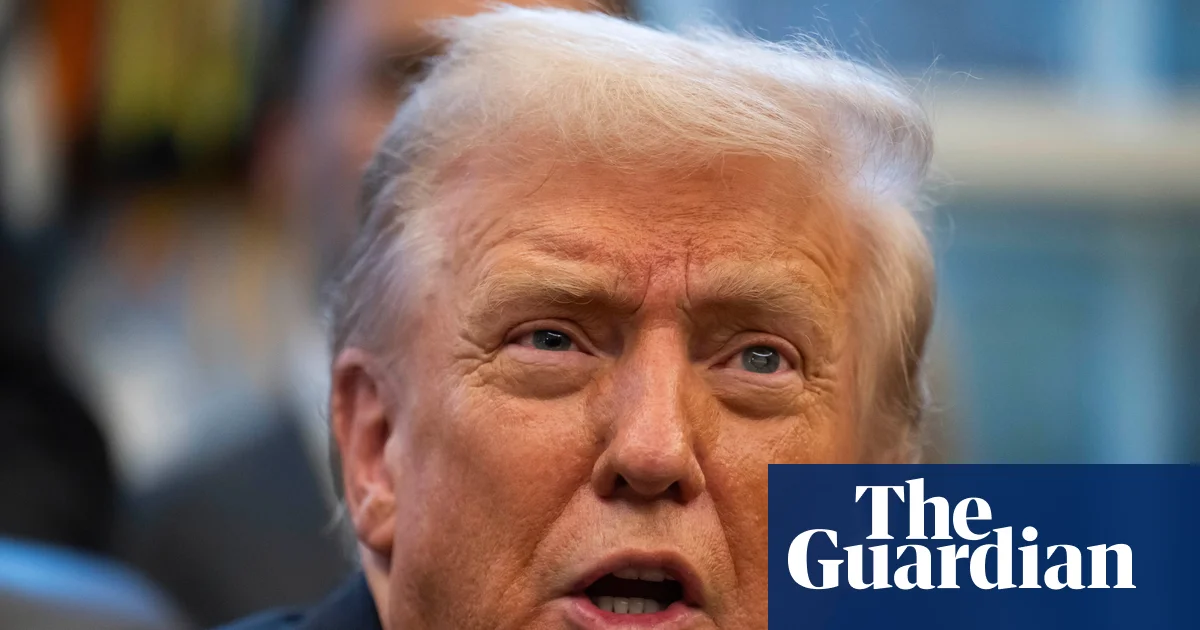
In a developing saga that underscores the enduring volatility of transatlantic relations, former U.S. President Donald Trump has declared his intention to pursue legal action against the British Broadcasting Corporation (BBC), igniting fears of a broader eroding trust between allied nations. The controversy centers around the BBC’s editing of a Panorama documentary that manipulated a speech Trump delivered on January 6, 2021. Trump claims the aired segment misrepresented his words, implying a call for violence—an assertion the corporation acknowledges, having issued an apology. However, the mere fact that this incident has escalated to a threatened billion-dollar lawsuit indicates how media narratives can swiftly morph into diplomatic flashpoints.

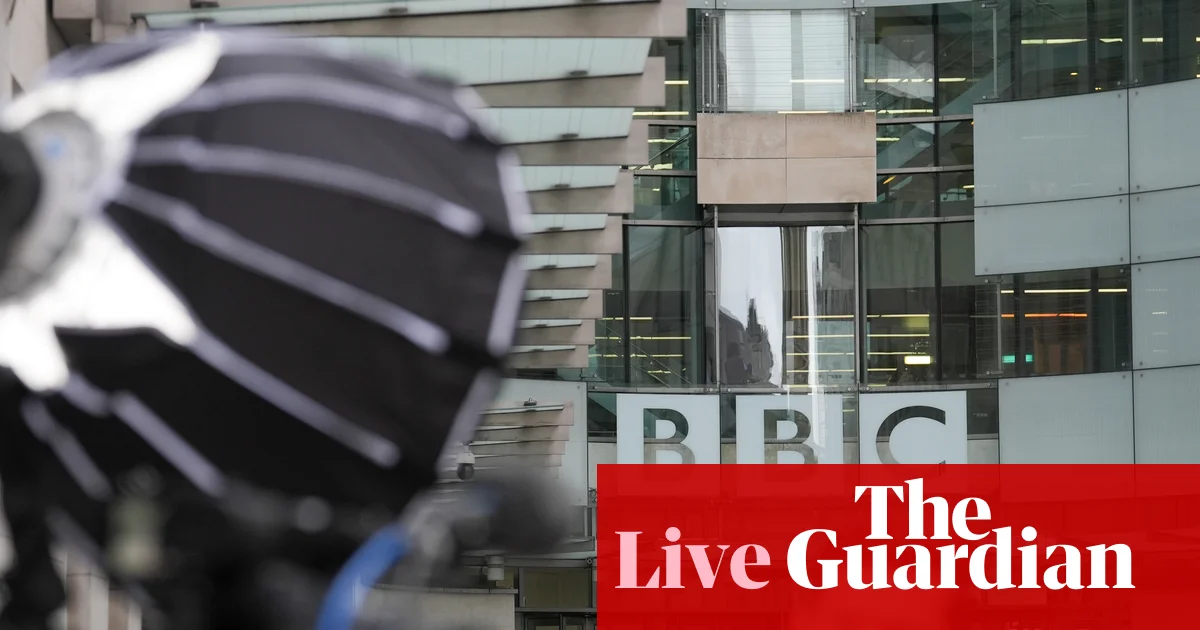
The repercussions extended beyond the courts, provoking a wave of shockwave effects within the British media landscape. The resignation of BBC Director General Tim Davie and Deborah Turness, the head of BBC News, has been widely interpreted as a sign of internal turmoil provoked by the controversy. Many analysts see this as a reflection of the deepening rift between free press principles and the rising tendency of political trivialization and weaponization of media. Critics within the BBC have expressed fears about the institution’s perceived bias, highlighted in recent internal memos—particularly one authored by former independent adviser Michael Prescott, which accused the corporation of liberal bias. Despite_counterarguments_html>representing historical issues, the controversy illustrates how the BBC’s credibility is increasingly scrutinized amid the shifting sands of international facts and narratives.

Geopolitical Impact: Transatlantic Tensions and the Future of Global Media

The upcoming legal showdown is expected to have profound geopolitical repercussions. While Florida’s legal landscape may not favor Trump’s claims, the case amplifies a larger narrative—one where national interests and media sovereignty increasingly collide. Experts warn that the dispute could set dangerous precedents, empowering political actors to wield the judiciary as a tool for controlling international narratives. It raises fundamental questions about who controls the truth and how societal consensus is shaped in an era of misinformation. International organizations, such as the United Nations, have repeatedly warned against weaponizing legal mechanisms for political ends, yet the trend persists. The controversy surrounding the BBC’s editing practices resonates beyond bilateral tensions, serving as a warning signal about the fragile balance between free speech, media integrity, and political influence.

Meanwhile, the British government faces increasing pressure to defend its sovereignty against not only domestic internal strife but also external accusations of bias and manipulation. The rising tide of populist nationalism across Europe and North America underscores a broader desire to assert control over national narratives and resist the perceived encroachment of globalist interests. As historians and political analysts note, these conflicts are more than mere disputes—they are a reflection of deep-rooted societal debates about sovereignty, truth, and the future direction of Western democracies. The recent BBC crisis exemplifies how media institutions are caught in the crossfire of international power struggles, with their decisions having tangible consequences on national identity and social cohesion.

The Unfolding Narrative: The Weight of History

As the legal proceedings loom, and the BBC grapples with internal and external pressures, the overarching question remains: what does this mean for the future? Will this conflict exemplify a new era where media outlets become battlegrounds for ideological dominance, or will it serve as a wake-up call to defend the integrity of information itself? History warns us that such clashes are rarely contained; they ripple outward, affecting alliances, societal trust, and the very fabric of democracy. With each court date and internal memo, the weight of history presses down—reminding us that the decisions made today, especially in the realm of media and law, will echo through future generations. Ultimately, the unfolding story of Trump vs. the BBC is a stark symbol of a world where the lines between truth, power, and influence are more blurred than ever, leaving the global community at a crossroads—the outcome uncertain, and time itself undeniably running out.

Trump vows to sue BBC over speech edit, claiming he has a duty to set the record straight—latest updates

Global tapestry of Power, Media, and Political Battles: The Shifting Geopolitical Landscape of 2025

As 2025 continues to unfold, an intricate web of international conflicts, media controversies, and political power plays underscores a world in flux. Last week’s dramatic developments at the BBC and the rising tensions between Donald Trump and global media institutions illustrate how the struggles within foundational institutions have far-reaching geopolitical impact. The crisis surrounding the BBC, culminating in the resignation of Director-General Tim Davie, reveals a broader pattern of skepticism and dissatisfaction with mainstream media’s role in shaping political narratives—shaping the global discourse with strategic implications for sovereignty, national identity, and the future of free press.

Trump’s aggressive legal posture against the BBC exemplifies how media influence intersect with geopolitics. The former U.S. president has claimed that the broadcaster “defrauded the public,” citing the editing of his January 6 speech—an event that remains a reference point for political and legal battles worldwide. Trump’s legal counsel has threatened $1 billion in damages if the British broadcasting giant refuses to retract what they consider “false, defamatory, disparaging, and inflammatory statements.” Historians and analysts concur that such legal threats against influential media entities symbolize a strategic effort to control narratives, not just domestically but across international borders, reflecting a broader ideological battle over truth, influence, and sovereignty.

On the other side of this ideological clash, critics like Daisy Cooper, Deputy Leader of the Liberal Democrats, see opportunity within crisis. Her call to “take away all political appointees” affirms the ongoing struggle to reform media institutions deemed compromised by politicization. Her words echo a larger, international debate about the role of political influence within public broadcasting and its impact on national independence. As Western democracies face this internal division, the overarching question remains: whose version of truth will shape the future? With countries like the UK and the US entangled in media battles, the geopolitical impact is undeniable. These conflicts threaten to shift the balance of power toward nationalist and populist narratives, challenging globalist media dominance and redefining the landscape of international influence.

International organizations and analysts warn that such disputes are more than mere political theater; they are manifestations of a deeper |international realignment driven by the erosion of trust in traditional institutions. As the world witnesses how a domestic media crisis can ignite legal threats and political upheaval, it signals to every nation that control of information becomes a matter of geopolitical importance. The unfolding battles hint at a broader era where sovereignty, national identity, and media independence are no longer isolated issues but crucial battlegrounds shaping the destiny of nations.

In this rapidly transforming world, the stakes are extraordinary. As history’s pen writes the next chapter—whether it be the legal warfare against the BBC or the rise of populist narratives challenging media authority—the question remains clear: who will wield the power of truth in the unfolding story of the 21st century? The future’s narrative is yet to be written, and the weight of history presses down heavily on today’s decisions, shaping a world where information itself may become the ultimate weapon in the struggle for dominance and sovereignty.

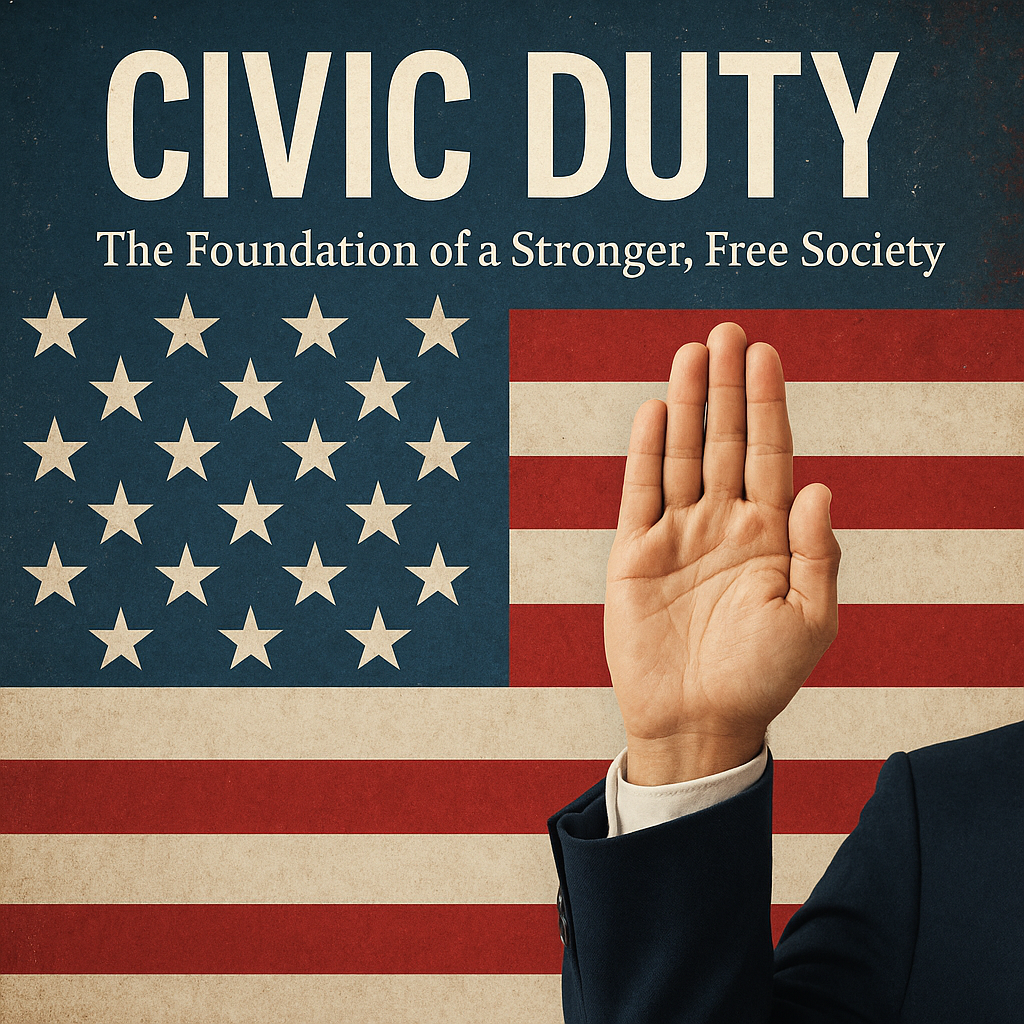
Civic Duty: The Foundation of a Stronger, Free Society

At the very core of a thriving, free society lies the intangible yet powerful principle of civic duty. This foundational concept, often sidelined amid debates over policy and economics, actually fuels the social cohesion, accountability, and resilience necessary for national greatness. Critics of civic participation might argue that it is a relic of older times, replaced by individualism or reliance on government. However, scholars and historical analysts suggest that the decline in civic engagement correlates with rising societal fractures, economic polarization, and eroding trust in institutions. It is through the active participation of citizens—whether through voting, community service, or local activism—that democracies are fortified and the collective spirit of a nation is rekindled.

Historical exemplars demonstrate that societies which emphasize civic responsibility tend to enjoy greater stability and prosperity. Alexis de Tocqueville, in his seminal work Democracy in America, observed that active civic engagement by citizens creates a “civil society” that guards against tyranny and fosters a sense of shared purpose. Today, experts maintain that a strong civic culture not only encourages political stability but also cultivates resilience during national crises, whether economic recessions or external threats. The essential nature of this duty is underpinned by the understanding that freedom does not arise passively but must be actively defended and sustained by those who cherish it. In this way, civic duty becomes the bedrock upon which sovereignty and individual liberty rest.

Furthermore, proponents argue that fostering a sense of collective responsibility begins with education and community engagement, cultivating future generations of responsible citizens. Economists like Milton Friedman have emphasized that personal responsibility and civic participation are intertwined with economic freedom and social stability. In a world increasingly driven by technology and global interconnectedness, the value of local civic engagement persists—as it creates a buffer against fragmentation and alienation. As Victor Davis Hanson notes, “A society that neglects its civic roots risks losing its moral compass,” and the erosion of these duties can lead to creeping government overreach, apathy, and a decline in the shared values that make democracy possible.

Yet, the struggle remains clear: amidst modern distractions and complex bureaucracies, fostering an engaged, responsible citizenry requires deliberate effort and leadership. As history teaches, the strength of a society is measured less by its material wealth and more by the resilience of its civic fabric. May the future forge ahead—not in reckless pursuit of transient liberties, but in the profound recognition that the true power of freedom flows from the collective promise of civic duty. For in the vast expanse of history, it is this quiet pledge—made and renewed— that keeps the flame of liberty burning brightly against the encroaching darkness of indifference. And so, the story continues: a tapestry of millions, united not just by laws or borders, but by an unwavering resolve to uphold the sacred duty that sustains a free society’s most elusive, most precious gift: its freedom.”

Social Media Auto Publish Powered By : XYZScripts.com