Matox News

Truth Over Trends, always!

Big earthquake hits Japan’s northeast—youth feel the shake

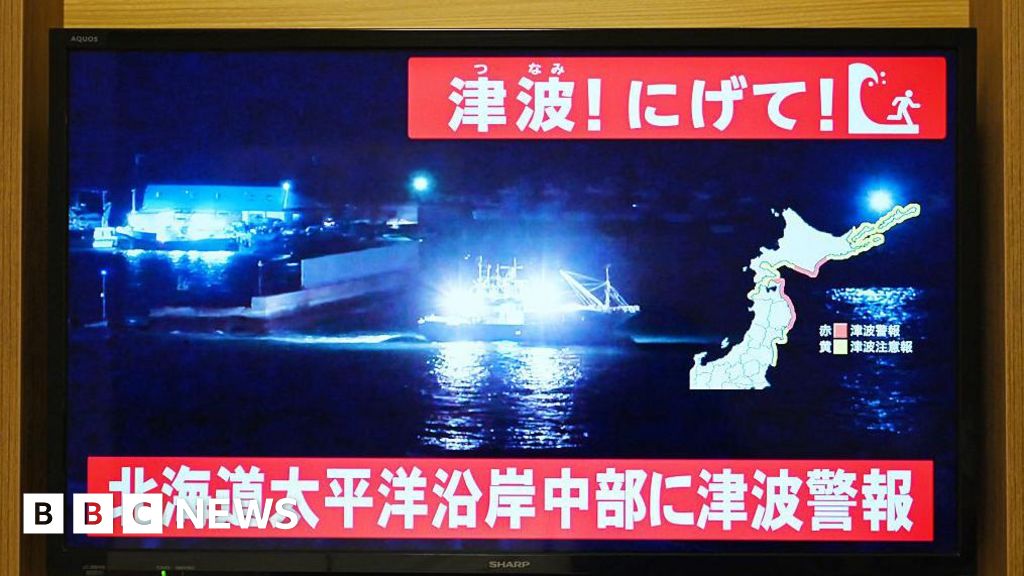
In a stark reminder of Japan’s geological volatility, a powerful magnitude 7.6 earthquake struck the country’s northeastern coast, igniting fears of a potential tsunami and reigniting debates over the nation’s resilience in the face of natural disasters. The quake, which occurred at a depth of 50km approximately 80km off the coast of Amori, happened at 23:15 local time, and was felt across the region, prompting widespread evacuations and a flurry of emergency measures. Despite the immediate downgrade of tsunami warnings to advisories, the impact on local communities has been profound, with reports of injuries and disruptions to transportation infrastructure, underscoring the enduring threat that Japan’s complex geology poses to its society and economy.

International and national authorities responded swiftly to the crisis. The Japanese government activated emergency response offices within the Prime Minister’s crisis management center, mobilizing rescue and relief operations amidst the chaos. Minoru Kihara, Japan’s chief cabinet secretary, emphasized the relentless efforts to contain the damage and safeguard citizens. Meanwhile, the **Japan Meteorological Agency** underscored that no irregularities were reported at critical nuclear facilities like the Higashidori and Onagawa plants, nor at the **Fukushima** site, where the 2011 catastrophe remains a haunting precedent. Yet, the possibility of secondary disasters, including aftershocks or nuclear complications, continues to loom, echoing the historical trauma of the 2011 catastrophe that claimed over 18,000 lives, a devastating legacy that still influences Japan’s disaster preparedness strategy.

The geopolitical impact of such seismic events cannot be understated. As Japan navigates its path through an increasingly volatile Pacific Ring of Fire, skeptics argue that technological safeguards and disaster readiness must be constantly reevaluated. Analysts from global institutions, including the International Atomic Energy Agency, assess that such earthquakes have broader implications for regional stability, especially as tensions escalate in the Asia-Pacific region on multiple fronts. How Japan responds to these natural crises shapes not only national resilience but also influences regional security architectures, especially in an era where climate change may intensify geological activity. Moreover, the event underscores the importance of global cooperation, disaster response networks, and the need for international organizations to prepare for potential worst-case scenarios that could ripple beyond Japan’s shores, destabilizing neighboring countries and altering geopolitical balances.

As the echoes of the earthquake continue to reverberate across Japan and beyond, history remains a watchful sentinel. The lessons learned from 2011 still resonate—lessons of humility before nature’s immense forces, and the vital importance of preparedness in shielding societies from the fury of earth’s restless crust. With each tremor, the story of Japan’s endurance — and the world’s collective responsibility — is written anew, hanging in the balance of factors beyond human control, yet within the realm of human resolve. The unfolding chapters of this seismic saga serve as a stark reminder: in the theater of global geopolitics, natural catastrophes are both a test and a prophecy—an enduring testament to how fragile yet resilient our shared world truly is.
Bangladesh earthquake claims five lives, injures over 450—urgent response needed

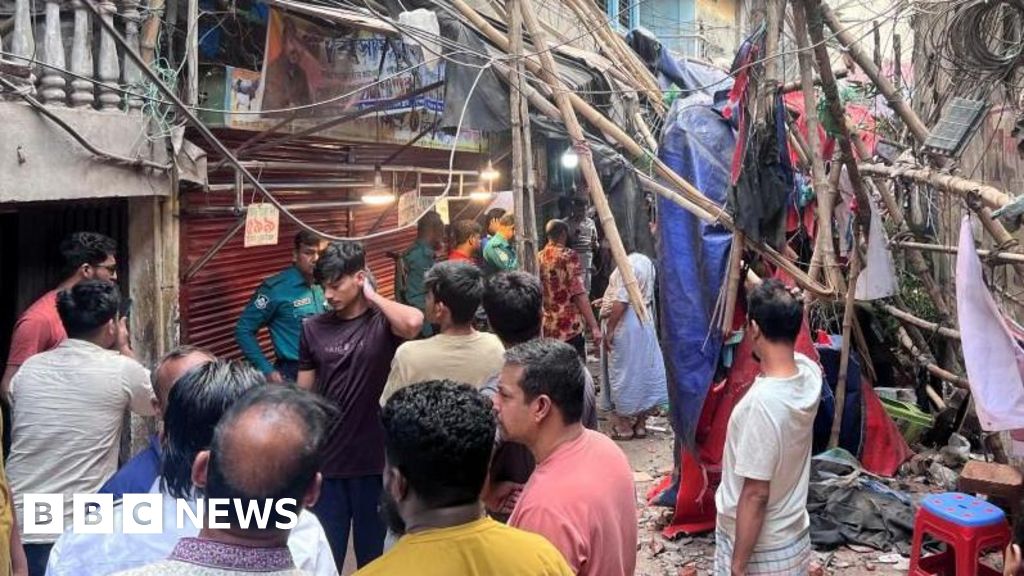
In a stark reminder of nature’s unpredictable force, Bangladesh was rattled by a 5.5 magnitude earthquake, resulting in at least five fatalities—including a child—and over 450 injuries. The quake’s epicenter was located near the Narsingdi district, approximately 30 kilometers from the capital, Dhaka. This seismic event has revealed underlying vulnerabilities in one of the world’s most densely populated nations, stirring concern about the resilience of its infrastructure and emergency response systems. As buildings swayed and makeshift structures crumbled under the tremors, the immediate human toll was stark: residents fleeing in panic and chaos, streets flooded with traumatized survivors trying to assess the damage. Such events, while localized, have the potential to catalyze broader questions about regional stability and the readiness of nations like India and Myanmar, which border Bangladesh and felt similar tremors, to respond to natural disasters rooted in the tectonic fault lines that crisscross this volatile region.

International analysts and organizations are warning that these seismic disturbances could foreshadow even greater challenges ahead. The United Nations Office for Disaster Risk Reduction has long emphasized the need for comprehensive infrastructure reinforcement in South Asia’s earthquake-prone zones. Yet, the rapid pace of urbanization combined with historic neglect has left many structures dangerously vulnerable. Local officials, such as Nitai Chandra De Sarkar, outlined their immediate priorities: casualty assessment and damage control, with rescue and debris management yet to be fully mobilized. The crisis underscores a critical geopolitical impact: as populations multiply and urban density increases, so too does the risk of catastrophic consequences from natural calamities. Countries in the region, including Pakistan and Sri Lanka, could face ripple effects, with resource allocation and disaster preparedness becoming increasingly strained amidst ongoing geopolitical tensions and economic challenges.

Meanwhile, the earthquake’s sudden disruption extended beyond borders, notably halting a cricket test match between Ireland and Bangladesh. This pause in the game was a stark reminder that even in moments of sport and leisure, humanity’s fragile grasp on stability can be swiftly shaken. Heinrich Malan, Ireland’s head coach, reflected on the experience, comparing it to past tremors from his time in New Zealand. The incident underscores how natural disasters transcend national borders, affecting diplomatic relations, trade, and regional security. How nations prepare and respond to such events will significantly influence their future resilience and international standing. As aid begins to flow into the affected areas, international bodies are reassessing their strategies for disaster mitigation, emphasizing the importance of swift response and infrastructural rebuilding to prevent future tragedies. Yet, as history repeatedly shows, prevention is often sidelined by short-term political and economic considerations, leaving vulnerable populations to face yet another chapter in the ongoing narrative of human resilience versus nature’s relentless force.

In the shadow of this seismic event, the geopolitical landscape appears to shift imperceptibly but profoundly. The region faces a choice: to invest in resilient infrastructure and emergency preparedness or to risk greater calamities that threaten to destabilize already fragile societies. As the earth trembles beneath them, these nations find themselves at a crossroads—one forged by the weight of history and the unpredictable fury of the natural world. The tremor in Bangladesh has left its mark not only on the landscape but also on the collective consciousness of a region on edge. In these moments of chaos and recovery, the question remains: how will history remember the choices made today? Will they be seen as mere responses to a fleeting crisis, or as a testament to humanity’s unwavering resolve to withstand nature’s mighty hand? The answer will define generations—an unfolding story of resilience, conflict, and hope shaping the future of South Asia and beyond.

Philippines earthquake claims 22 lives as rescue teams battle to save survivors

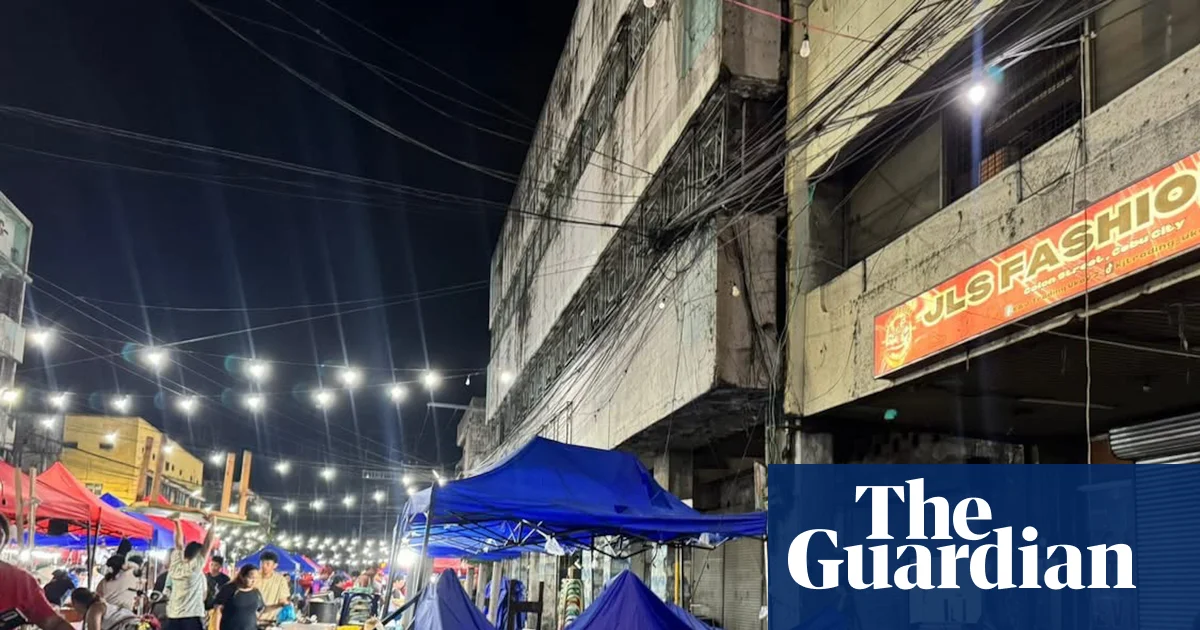
The recent magnitude 6.9 earthquake in the Philippines has not only caused devastating loss of life and widespread destruction but has also highlighted the fragile geopolitical stability of a nation situated on the volatile Pacific Ring of Fire. The death toll, which has risen to at least 22, underscores the urgent need for a reassessment of disaster preparedness in this notoriously disaster-prone country. While local authorities scrambled to conduct rescue operations following the tremor’s epicenter near Bogo in Cebu, experts worldwide are watching the unfolding crisis with a mixture of concern and reflection.

Among the key consequences of the quake, there is increased attention on the geopolitical significance of regional resilience. The Philippines, strategically positioned in Southeast Asia and a key ally of Western powers like the United States, often finds itself at the crossroads of natural and geopolitical disturbances. The disaster exposed vulnerabilities – damaged infrastructure, communication breakdowns, and power outages – which not only hindered rescue efforts but also serve as a stark reminder to national leaders and international allies alike. Analysts from the World Bank and regional security think tanks warn that such natural disasters could exacerbate regional instability if effective emergency response mechanisms are not strengthened due to rising climate unpredictability and increasing tectonic activity.

The seismic activity, initiated by a local fault, has prompted a wider debate among historians and environmental analysts about the increasing frequency of natural catastrophes as a potential sign of shifting global climatic patterns. For many nations within the Pacific Rim, the Philippines’ experience is becoming all too familiar, adding to the geography of risk that defines their geopolitical landscape. The damage inflicted — collapsing buildings, damaged roads, water shortages, and power failures — leaves communities vulnerable not only to further aftershocks but also to political and social upheavals. Such events directly impact the society’s resilience and challenge governments to prioritize infrastructure upgrades versus other political commitments, a discussion echoed in reports by the International Disaster Emergency Response Forum.

Furthermore, this calamity serves as a warning of how hastily-drawn international aid or geopolitical alliances could influence regional stability. The Philippines’ strategic importance is undeniable, and how its government responds to the aftermath could influence regional alliances. Countries like China and the United States watch closely, knowing that natural disasters often become catalysts for diplomatic influence and economic aid packages. As analysts caution that repeated environmental shocks could fuel nationalist sentiments and opportunism among neighboring powers, the future of regional cooperation hinges on Manila’s ability to manage this crisis effectively. The response from international organizations continues to be vital, but the true measure of regional unity will be tested in the recovery efforts ahead.

As rescue teams excavate collapsed structures and communities grapple with darkness and aftershocks, the weight of history presses heavily upon the Philippines. This ongoing tragedy reminds us that nature remains an unpredictable force, capable of shifting the course of nations in a matter of moments. With the world watching, the resilience or fragility of this archipelago may well chart the course for Southeast Asia in the years to come, heralding a new chapter in the annals of natural and geopolitical history. How this moment is remembered will depend on the actions taken now — choices that echo through the corridors of power and indelibly mark the timeline of survival, sovereignty, and human resilience in an age of relentless planetary upheaval.

Social Media Auto Publish Powered By : XYZScripts.com



