Matox News

Truth Over Trends, always!

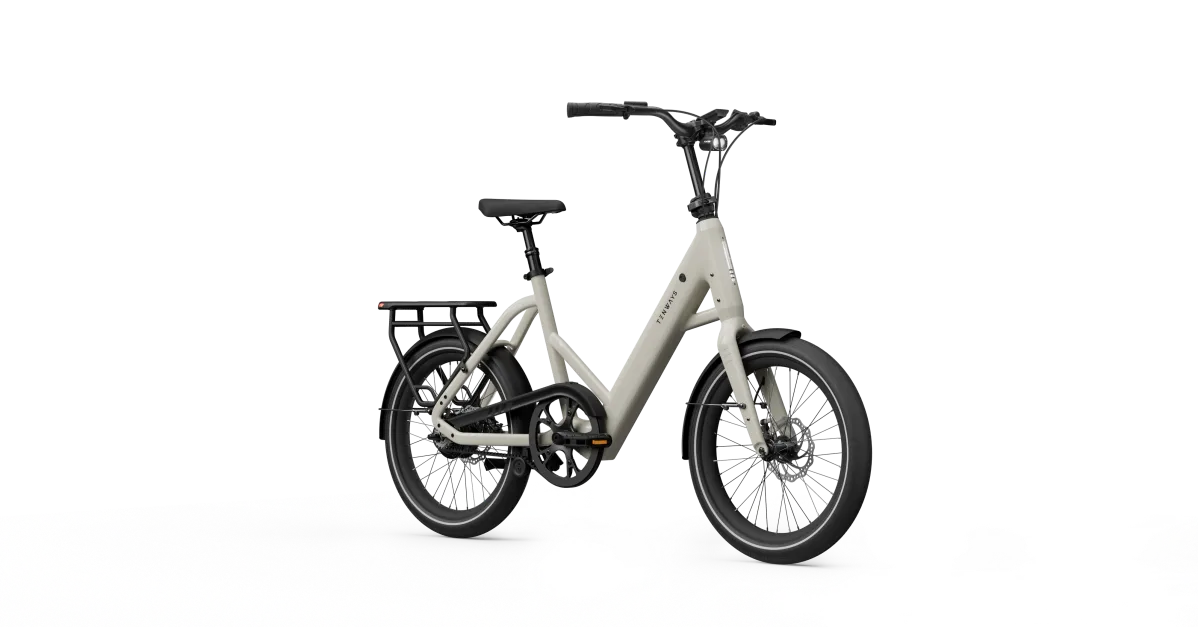
Tenways’ sleek foldable e-bike: urban mobility just got smarter

Emergence of Chinese E-Bike Innovator Tenways in European Markets

In a compelling move that underscores the acceleration of disruptive innovation in mobility technology, Tenways, a Chinese e-bike manufacturer with its headquarters in the Netherlands, is rapidly gaining traction across Europe. Leveraging aggressive pricing strategies, sleek design language, and an expansive network of over 1,500 shops and service centers, the company exemplifies how emerging players are redefining the traditional e-bike landscape. While less recognized globally, Tenways’ strategic focus on cost-effective, high-performance offerings could challenge established European and American incumbents, opening a new frontier for technological innovation and market disruption.

Central to Tenways’ European success is their CGO Compact, an e-bike priced at €1,999—significantly below the average €2,681 typical for European electric bikes. This pricing edge is vital in an industry increasingly driven by affordability paired with technology. Featuring a 250W rear-hub motor mated with a maintenance-free Gates Carbon belt drive, the CGO Compact epitomizes simplified yet powerful design choices aligned with urban commuting demands. Its 500Wh removable battery delivers a range of up to 100 km—an attractive proposition for city dwellers seeking reliable, eco-friendly transport options. Notably, the bike incorporates advanced features such as an integrated torque sensor for smooth pedal assistance and Tektro hydraulic disc brakes, all embedded within a compact profile.

  • Affordability without sacrificing core performance
  • Integration of sophisticated sensor technology
  • Extensive service network supports consumer confidence

Despite its impressive tech stack, the bike’s single-speed drivetrain and moderate torque output make it optimized primarily for flat urban terrain.

However, the CGO Compact’s design demonstrates how disruption often involves trade-offs. At nearly 20 kg, it is heavier than many competitors, including foldable models like Brompton G, which is designed for versatility and portability but costs more. This weight could impact user adoption among those valuing portability and ease of transport—an issue that highlights the ongoing challenge of balancing innovation with practicality. Yet, this drawback hasn’t hindered Tenways’ market penetration: experts from Gartner suggest that cost-efficient, durable, tech-enabled bikes can significantly reshape urban mobility. Such shifts could impact traditional European brands that rely on premium pricing, forcing them to re-evaluate product strategies in a rapidly evolving market.

Looking ahead, the implications for the overall e-bike industry are profound. As businesses race to capture market share, disruptive innovation fueled by companies like Tenways signals a clear trend: affordability, robust technology, and extensive service networks are becoming the new competitive metrics. Industry stakeholders—including tech giants and automotive OEMs—are eyeing this segment closely, recognizing the potential for electric bikes to replace short car commutes and reshape urban planning. Importantly, analysts warn that if incumbent manufacturers do not innovate swiftly, they risk losing customers to these agile, price-conscious entrants.

In conclusion, the rise of Tenways underscores the necessity for established players to accelerate their innovation cycles, integrate smarter value propositions, and prioritize user-centric design. Given the sophistication of their features—alongside their aggressive pricing strategy—these Chinese firms are setting a new benchmark that could accelerate the transformation of urban mobility. The industry must adapt or risk obsolescence; the future belongs to those who can leverage cutting-edge technology, redefine cost paradigms, and disrupt entrenched markets with speed and precision. The coming years promise a fierce contest—those who act now will shape the future of transportation, as urban landscapes evolve into hubs of smart, sustainable mobility.
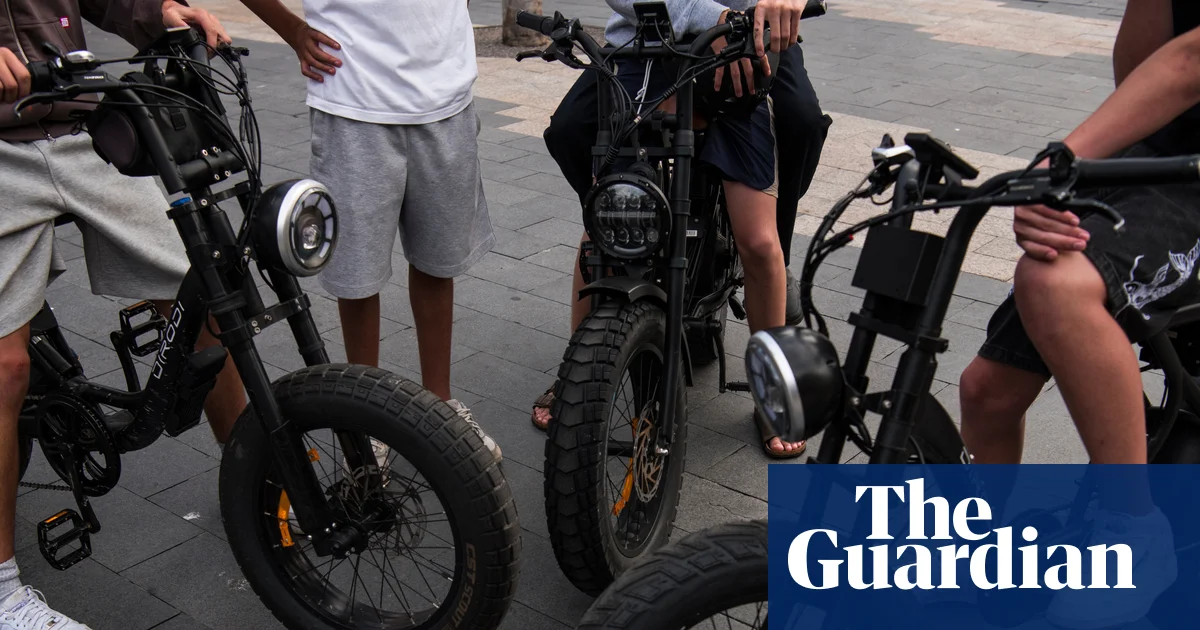
E-bike injuries double at Sydney hospital—youth face rising risk of serious crashes

Australia Confronts E-bike Injury Surge: A Growing Threat to Society and Public Health

Amidst a global push towards sustainable urban transportation, Australia finds itself grappling with a troubling rise in e-bike related injuries, highlighting the complex challenges of innovation in modern cities. Recent data from St Vincent’s Hospital in Sydney reveals a staggering doubling of serious e-bike injuries in 2025 compared to the previous year, with a 350% increase since 2023. This statistic underscores a critical international issue—the unintended consequences that accompany technological adaptation. With over 200 cases requiring trauma response and nearly half necessitating surgical intervention, the aftermath paints a stark picture of how fast-paced, and sometimes reckless, adoption of new transport modes can destabilize societal safety nets.

This surge in injuries raises broader geopolitical and policy questions. The Australian government’s 2021 relaxation of import standards—aimed at encouraging cleaner transportation—accidentally facilitated the influx of illegal modifications and overpowered e-bikes, which now dominate accidents statistics. The recent re-tightening of standards in late 2025—restricting motors to 25 km/h and 250 watts—reflects a reactive step, yet the damage has been done. Analysts suggest that the unintended consequence of such policies might be a rise in emergency hospitalizations, especially when considering the illegal modifications making bikes faster and more dangerous. This phenomenon highlights how policy shifts can create societal ripple effects, necessitating more balanced, preventative approaches that prioritize safety over pushy innovation.

The international community and public health experts warn that Australia’s experience may soon mirror an emerging global crisis. Countries like Queensland report similar injury increases, with preliminary police data indicating four fatalities in 2025. Global organizations such as the World Health Organization have already flagged the rapid uptick in e-bike injuries as a potential health emergency. The surge predominantly affects young adults in their 30s, with reports suggesting an increasing incidence among younger populations. Experts caution that the dangers are amplified at night and under the influence of alcohol or drugs, making the injuries more severe and difficult to prevent. Such patterns threaten to strain healthcare systems worldwide and challenge the priorities of urban planners, law enforcement, and public health officials who must now address the fallout from ill-regulated e-bike proliferation.

As nations try to balance the benefits of eco-friendly mobility with public safety, the weight of history looms large. The urgent need for international cooperation, stricter safety standards, and public awareness campaigns is no longer optional—it is a matter of societal survival. The escalating toll serves as a sobering warning of how rapid technological changes, when left unchecked, can spiral into crises that threaten to unravel the social fabric. As cities and countries face the consequences of their choices, the story of e-bikes in Australia—yet again—becomes a narrative about the very limits of progress and the unyielding weight of history still unfolding on the streets of the future.

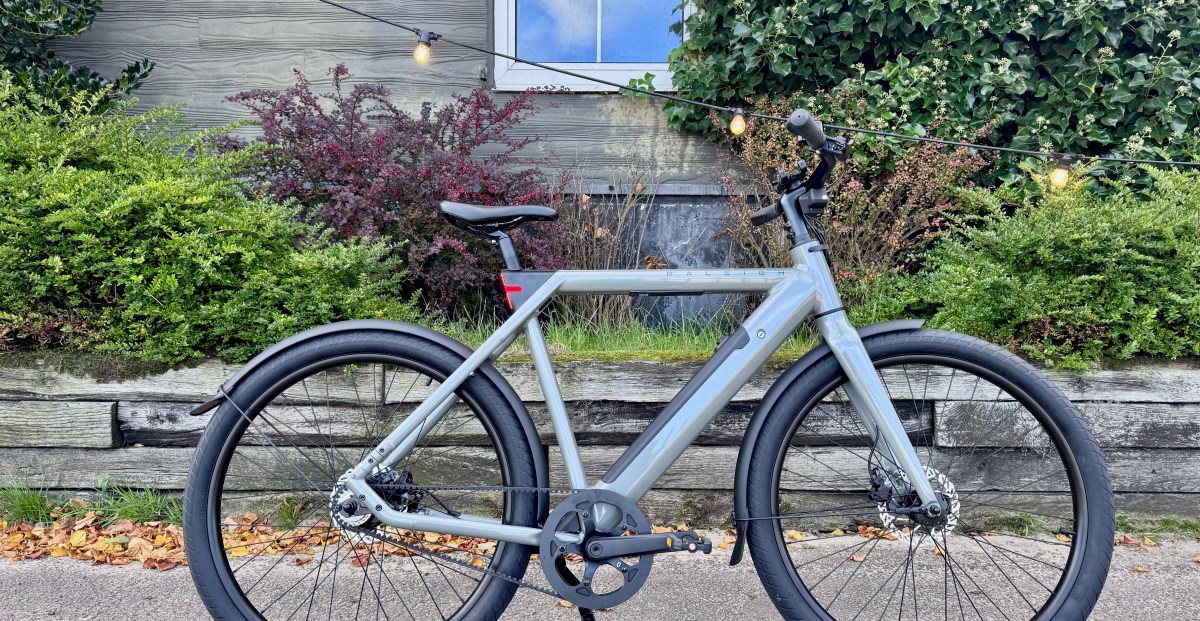
Raleigh One e-bike: The comeback ride for young riders

Resilience and Revolution: How Industry Turmoil Fuels Innovation in the E-bike Sector

The recent bankruptcy of VanMoof in 2023 has sent shockwaves through the e-bike industry, a sector increasingly defined by rapid innovation and fierce competition. Despite the upheaval, the company’s demise has paradoxically accelerated technological progress and market disruption, with new ventures rising from its ashes—most notably, the launch of the VanMoof S6 under new ownership and the inventive Carlier Ties Taco-developed commuter e-bike for Raleigh. Industry experts and analysts like Gartner highlight how such industry shocks often catalyze accelerated innovation, compelling brands to rethink their strategies or die in the aftermath.

What sets these emerging products apart is innovation-driven disruption. The VanMoof S6 exemplifies a simplified yet sophisticated approach to urban mobility, missing only a boost button—a feature many riders would appreciate. Conversely, the Raleigh One, designed by VanMoof’s former founders, aims for a more practical, no-nonsense ride. It achieves this with an integrated, nearly silent Mivice motor paired with a sturdy belt drive; although it sacrifices torque—culving at just 35Nm—and lacks features like high-powered boost functions, it epitomizes the trend towards robust, user-centric design. As Ties and Taco Carlier attempt redemption through this reimagining, the business landscape becomes even more dynamic and unpredictable.

The Business Implications of Industry Disruption

The disruption is more than just product innovation—it signals a fundamental shift in how electric mobility businesses operate and compete. The industry is now characterized by rapid product iteration, direct-to-consumer models, and subscription-based services, which are becoming a double-edged sword. The Raleigh management admits that its connected e-bike faces significant software challenges, including an extraordinary 3% battery drain daily when idle and buggy existing app features. Accell Group, the parent company, responds by promising firmware updates and more robust software development—a sign of how vital software robustness is to sustain consumer trust and maintain competitive advantage.

This industry upheaval underscores a broader trend: the rise of software as the backbone of hardware innovation. As Peter Thiel and Elon Musk have warned, companies ignoring this integration risk obsolescence. The shift towards disruptive, software-intensive design is most evident in subscription upsell models for premium bikes, which critics argue is a necessary element of survival amid a highly volatile market. Most industry veterans recognize the new normal—bike companies of all sizes face existential threats from “bikeagedon”, a term capturing the wave of venture failures as market valuations crash and startups fold. This environment demands agile innovation, relentless iteration, and strategic pivots.

Looking Ahead: The Urgency of Innovation in a High-Stakes Arena

The industry’s future hinges on disruption, innovation, and strategic agility. As the 2019-2023 cycle taught industry insiders, those who fail to embrace software robustness, customer experience, and market adaptability will fall behind. The new crop of e-bikes—like VanMoof’s S6 and Raleigh’s One—demonstrate that even in turbulent times, innovation remains the primary driver of survival. The race is intensifying, and the next 12–24 months will reveal whether these newly proposed solutions can withstand wear, tear, and the relentless pressure of market forces.

In an era where technological disruption is the only certainty, industry players must act swiftly, or risk being left behind as the market reshapes itself around smarter, more resilient mobility solutions.

Social Media Auto Publish Powered By : XYZScripts.com