
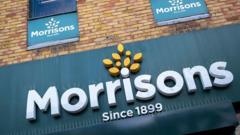

Morrisons, one of the UK’s major supermarket chains, has announced plans to close 100 convenience stores in the coming months. This significant wave of Morrisons store closures is primarily targeting outlets acquired through its 2022 acquisition of McColls, which have reportedly been operating at a loss. The company points to a challenging economic climate, specifically citing “significant cost increases resulting from government policy choices,” as a key factor exacerbating these difficulties.
Persistent Losses and Strategic Adjustments
The decision reflects a strategic effort to streamline operations and improve profitability amidst a highly competitive market. The affected convenience stores, integrated into the Morrisons portfolio following the McColls takeover, have struggled to achieve financial viability. This move follows previous announcements last year concerning the closure of 52 cafes and 17 other convenience stores, underscoring a broader pattern of restructuring within the supermarket giant. The retail sector continues to navigate a landscape marked by evolving consumer habits and intense competition, demanding constant adaptation from major players.
The Weight of Policy and Economic Pressures
Morrisons’ explicit reference to “significant cost increases resulting from government policy choices” highlights a critical concern for businesses operating in the current economic environment. While specific policies were not detailed, such statements often allude to a range of pressures. These can include:
- Increased minimum wage obligations, impacting direct labor costs.
- Rising energy levies and environmental taxes, pushing up operational expenses.
- New regulatory compliance burdens, requiring investment in systems and training.
- Shifts in taxation or business rates, affecting overall profitability.
For a company like Morrisons, operating with notoriously tight margins in the competitive grocery sector, even incremental increases in overheads can severely impact the bottom line, especially for smaller, less profitable convenience outlets. This situation underscores the delicate balance between government policy aims and their practical impact on business viability, employment, and overall market stability. A healthy private sector, able to absorb costs and innovate, is crucial for national prosperity and consumer welfare.
Implications for Communities and the Workforce
The closure of 100 stores will inevitably have ramifications for the communities they serve. Many of these convenience stores act as vital local hubs, and their disappearance could potentially create “food deserts” in areas where access to groceries is already limited, particularly for vulnerable populations. Furthermore, these closures will place hundreds of jobs at risk, adding to the approximately 200 positions already threatened at Morrisons’ Bradford headquarters, as reported by news outlets like the BBC. Such widespread closures represent a tangible impact on the labor market and consumer choice, particularly for those reliant on local convenience stores for daily essentials. Maintaining a robust and accessible retail infrastructure is vital for community well-being and economic dynamism, requiring careful consideration of the broader societal costs of business failures.
The planned Morrisons store closures underscore the acute financial pressures facing businesses, notably the ‘significant cost increases resulting from government policy choices’ impacting profitability and local economies.
This latest round of closures by Morrisons serves as a stark reminder of the persistent economic headwinds challenging the UK’s retail sector. Businesses, large and small, are grappling with a complex interplay of inflation, supply chain disruptions, and the cumulative effects of regulatory and fiscal decisions. For the sake of economic stability and the livelihoods of countless individuals, a clear-eyed assessment of these pressures, and policies designed to foster a more resilient business environment, remains paramount.






