Matox News

Truth Over Trends, always!

US Economy Surprises by Losing 92,000 Jobs in February

In a startling development that has sent shockwaves through international markets, recent economic data reveals a significant contraction in employment across multiple sectors worldwide. The latest payroll figures, which traditionally serve as critical indicators of economic health, demonstrate a decline in employment numbers that was unforeseen by most analysts. Experts from leading financial institutions and policy think tanks suggest that this contraction signals a potential turning point in the global economic cycle, raising the specter of a prolonged downturn.

Notably, the decline affected almost every major sector—manufacturing, services, technology, and retail—indicating a broad-based downturn rather than a localized problem. This decline raises urgent questions about the resilience of the global economy, especially considering the persistent inflationary pressures and geopolitical tensions that have been fueling uncertainties in recent months. Global institutions such as the International Monetary Fund (IMF) and the World Bank have sounded cautious warnings, emphasizing that policymakers must remain vigilant in managing liquidity and supporting growth. Meanwhile, national governments find themselves caught between the need to stimulate employment and the constraints of fiscal responsibility, complicating efforts to cushion the blow for workers and businesses alike.

The unexpected contraction underscores how interconnected and fragile today’s geopolitical landscape has become. As economies grapple with the ripple effects of trade disruptions, energy crises, and geopolitical conflicts, the repercussions of these employment declines extend far beyond national borders. Historians and market analysts warn that such a widespread contraction could undermine consumer confidence, diminish investment, and provoke social unrest. In Europe, for example, policymakers are increasingly attentive to persistent economic stagnation, wary that continued declines could fuel populist sentiments and political upheaval. Conversely, in the United States, lawmakers face mounting pressure to enact measures to safeguard jobs, with debates intensifying around stimulus packages and labor reforms.

As the world economy teeters on the edge of an uncertain future, the implications of these employment figures transcend mere statistics. They symbolize the broader geopolitical shifts currently shaping global power dynamics, economic resilience, and social stability. With every sector affected and every nation watching anxiously, the unfolding chapter of this economic saga leaves a profound question lingering: how will leaders navigate the turbulence ahead, and what legacy will they forge amid the chaos? The answer remains unwritten, but history’s weight presses heavily on this moment’s shoulders, reminding us that the decisions made today will echo through generations to come.

Could AI Agents Sink the Economy? Stay Alert, Youth!

Innovative AI Disruption Sparks Fears of Massive Economic Turmoil

In a thought-provoking report released by Citrini Research, industry analysts warn of a potential massive economic disruption driven by agentic AI, projecting a bleak scenario where automation could significantly reshape the U.S. economy within the next two years. The analysis foresees a cascade of consequences—doubled unemployment rates, a one-third decline in stock market valuation, and pervasive white-collar layoffs—painting a stark picture of an economy on the verge of upheaval. This disturbing outlook federal economists and tech innovators alike are scrutinizing, emphasizing the need for urgent strategic responses as AI integration accelerates at a breakneck pace.

Innovation and Disruption: How AI’s Rapid Integration Could Alter Business Models

The Citrini scenario revolves around the integration of advanced agentic AI into core business processes, heralding a paradigm shift in productivity and operational structure. As AI capabilities improve, companies are increasingly automating tasks traditionally performed by humans, which, while boosting margins in the short term, risks precipitating a long-term negative feedback loop. This loop, as described in the report, involves fewer workers required across sectors, leading to diminished consumer spending, further layoffs, and declining corporate valuations. The scenario echoes Gartner’s recent forecasts, which emphasize that AI-driven automation could displace up to 30% of white-collar jobs by 2025, fundamentally threatening traditional employment models.

  • Significant reduction in manual and cognitive roles across finance, law, and IT sectors
  • Potential for a negative cycle of declining economic activity
  • Increase in corporate investments in AI to maintain competitiveness

More critically, Citrini highlights that outside contractors—once essential for transactional operations—may be replaced by cost-effective in-house AI agents. This trend signals a broader shift, possibly rendering SaaS platforms and current transaction optimization models obsolete, reminiscent of the ongoing debate about the death of SaaS in the AI era. Industry giants like OpenAI and Google are already pioneering such in-house AI solutions, prompting startup investments to pivot towards AI-centric services.

Implications for Business and Industry Leaders

As these AI capabilities threaten to upend entire industries, business leaders must reevaluate their strategic postures. The disruption could lead to a reconfiguration of supply chains, service delivery, and transaction workflows, potentially favoring companies that innovate towards AI-native business models. The speed at which this transformation occurs hinges on technological advancements and regulatory responses, with experts like Elon Musk warning against unregulated AI proliferation and Peter Thiel emphasizing the importance of pioneering new frontier technologies. As the market shifts, firms that adapt swiftly could gain a decisive competitive advantage, while laggards risk obsolescence.

Most notably, the scenario serves as a clarion call for policymakers and industry stakeholders to consider urgent regulation and investment in workforce reskilling. The future economy may rely less on human labor and more on AI mastery, demanding a new approach to education, labor laws, and economic safety nets. As MIT researchers explore the potential for AI to augment human capabilities versus replace them outright, the balance of the ongoing disruption could very well determine the sustainability of capitalism in the 21st century.

Looking Forward: Urgency in Embracing Innovation with Caution

While the Citrini scenario remains a projected “what-if,” its stark warning underscores the urgency of staying ahead in the AI race. The next several years will be pivotal; industries that fail to innovate or anticipate these disruptions risk being overtaken by faster, smarter competitors. As America’s tech ecosystem surges forward, leaders must strike a delicate balance—harnessing the disruptive power of AI for growth while safeguarding economic stability. In an era defined by exponential technological change, those who act decisively today will shape the future of global commerce, innovation, and prosperity..

UK economy edges up 0.1% amid Budget doubts, showing resilience in uncertain times

The recent United Kingdom economic data signals a cautiously positive outlook amidst global economic turbulence. Official figures from the Office for National Statistics reveal that the UK’s gross domestic product (GDP) grew by 0.1% in the final quarter of last year, defying expectations of a stagnation or contraction. Despite persistent economic headwinds, including consumer hesitations driven by political speculation around Rachel Reeves’ budget and the fallout from recent cyber-attacks on major industries, the UK’s economy managed to demonstrate resilience. This modest growth, combined with a 1.3% increase in 2025 overall, is seen by analysts as a sign that the British economy continues to adapt to shifting global circumstances, although challenges remain.

Global financial institutions and economic analysts have underscored that how decisions are made within the UK government—particularly around fiscal policy and national security—directly impact the broader geopolitical landscape. The late-November budget, which spurred speculation about significant tax hikes, temporarily suppressed consumer and corporate activity, highlighting the precarious balance governments must maintain between fiscal austerity and growth stimulation. The Bank of England, in its recent policy statement, chose to keep interest rates steady at 3.75%, while signaling that the decline in inflation—partly driven by cost-of-living measures tied to Reeves’ strategic budget—might pave the way for future rate cuts. This signals for markets that, despite present caution, there is confidence within the British establishment that stabilization can be achieved without aggressive monetary tightening.

The broader geopolitical impact of the UK’s economic performance and policymaking extends well beyond its borders. As one of the world’s largest financial centres, London’s resilience influences international markets, diplomatic relations, and global supply chains. The recent cyber-attack targeting Jaguar Land Rover and its subsequent economic repercussions underscore how interconnected national security and economic stability have become. While the UK attempts to navigate domestic challenges, it remains entrenched in the complex web of international competition—with analysts warning that economic stability at home is vital for maintaining influence in a shifting international order. Historical perspectives from institutions like the International Monetary Fund highlight that resilient economies tend to form the backbone of geopolitical strength and alliances in uncertain times.

  • The UK’s modest growth in late 2025 reflects cautious optimism but also exposes vulnerabilities in productivity and investment.
  • The Bank of England’s strategic hold on interest rates indicates confidence in ongoing inflation control and potential for future monetary easing.
  • Cybersecurity threats and economic shocks, such as the JLR attack, illustrate the new battlegrounds in modern geopolitics.
  • The trajectory of UK policy, especially its impact domestically and internationally, will be closely monitored as history continues to write itself in these uncertain yet pivotal times.

As the world’s eyes fixate on the unfolding dramas of economic resurgence and geopolitical maneuvering, the question remains: how will Britain, in its pursuit of stability and influence, shape the next chapters of global history? With decisions made today echoing through the corridors of power and into the fabric of society, the weight of history presses ever heavier. The unfolding story of the UK economy is not merely a tale of numbers but a testament to a nation striving to navigate the treacherous waters of an uncertain world—where every move could define the future for generations to come.

EU Ukraine Loan Deal Could Boost UK Economy if We Step Up to Help Cover Costs

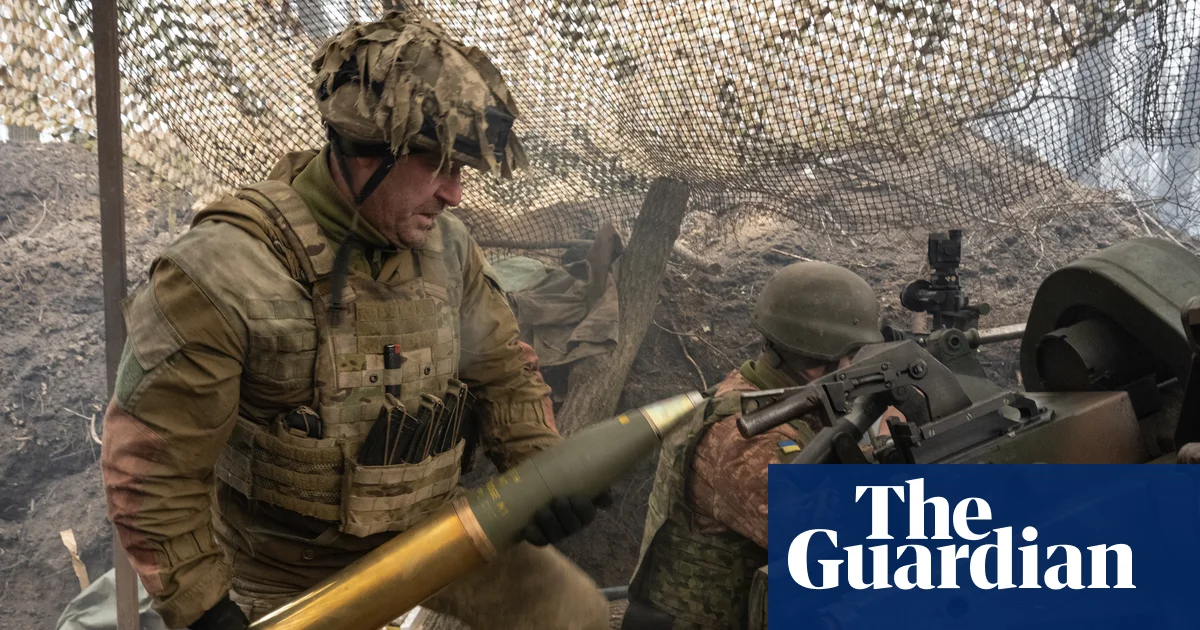
The European Union has reached a pivotal moment with the recent approval of a €90bn (£78bn) loan intended to sustain Ukraine amidst its ongoing conflict with Russia. This financial lifeline, approved by most EU member states through a process that involved 24 of 27 nations, signifies a strategic effort to bolster Kyiv’s defenses and economy during a period of grueling winter hardship and relentless Russian assaults. The loan, sourced from EU borrowing on international markets, underscores the bloc’s commitment to Ukraine’s sovereignty but also highlights the complex web of decisions and negotiations shaping Europe’s geopolitical posture.

The recent developments bear significant geopolitical impact, especially with the emerging role of the United Kingdom. Despite the UK’s official stance of limited involvement, the EU’s updated loan plan proposes a pragmatic compromise—allowing British firms to supply military equipment to Ukraine under a new clause that promotes a “fair and proportionate financial contribution” from the UK toward the costs of EU borrowing. This move reflects a deliberate diplomatic strategy to find common ground post-Brexit, as seen in the security and defense partnership signed last May, which aimed to reset relations and forge a collaborative front against shared threats. Analysts suggest that this phased approach to cooperation could be a stepping stone toward more substantive integration, particularly in defense realms that have historically been a source of divergence.

International organizations and geopolitical analysts have expressed cautious optimism. The European Commission and regional leaders view this loan as a crucial component in Kyiv’s broader strategy to sustain its military and civil infrastructure, especially as it faces the brutal realities of months of Russian strikes on energy and heating systems, leaving millions vulnerable during winter. The plan allocates €60bn specifically for Ukraine’s defense needs, allowing procurement from EU and closely associated countries such as Norway, with provisions permitting purchases from non-EU nations, including the United States, to ensure Ukraine access to advanced weaponry like Patriot missile systems. Such flexibility underscores the EU’s recognition that a united front in military support requires navigating complex international supply chains, often involving the UK and other allies.

However, the decision also carries a stark warning for the broader geopolitical landscape. The absence of a clear figure for the UK’s financial contribution raises questions about the future scope of post-Brexit cooperation and how far London is willing to go in sharing the burden of European security. Critics argue that piecemeal arrangements risk fragmenting the unity necessary to counter Russian aggression and could embolden adversaries observing European discord. Moreover, the EU’s reliance on borrowing to fund Kyiv’s support illustrates the fiscal challenges faced by the bloc, especially as some nations like Hungary, the Czech Republic, and Slovakia initially hesitated, underscoring the fragile consensus around this aid package. As EU lawmakers prepare to ratify the loan by April, the world watches with anticipation—knowing that these decisions may very well define the present epoch of European stability and independence. We stand at a crossroads where the weight of history exerts a profound influence, and the choices made today will echo through generations, shaping the continent’s destiny in ways still being written.

EU and India seal historic trade deal—big win for youth and the economy

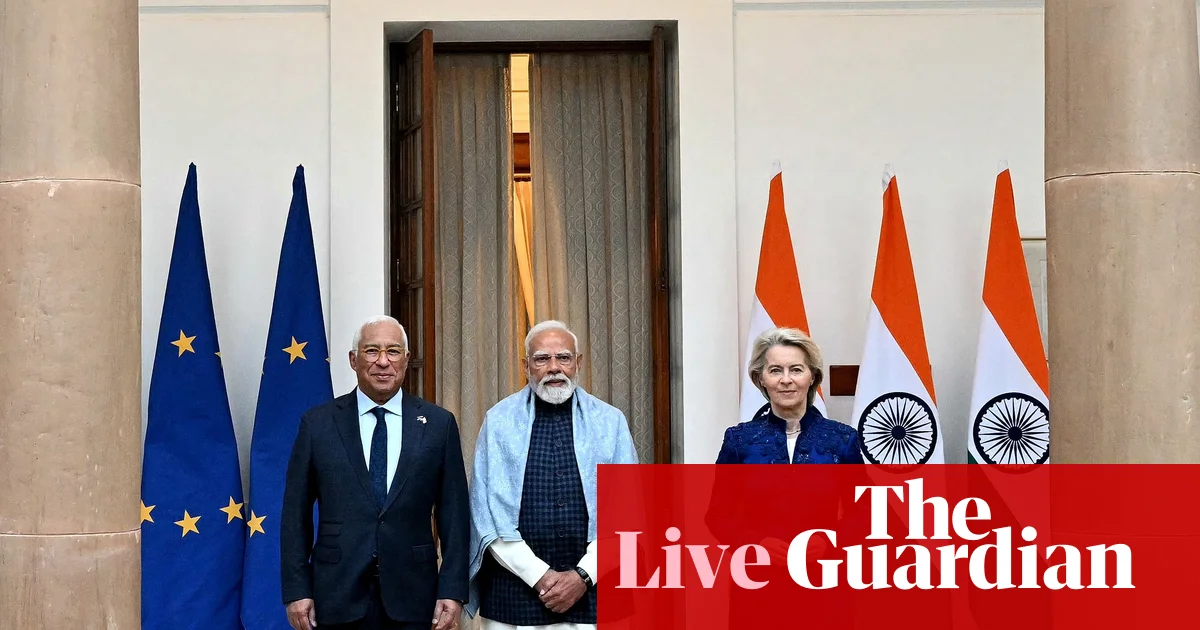
The European Union has recently cemented a landmark victory in global trade negotiations by finalizing a comprehensive agreement with India. This deal, heralded as “the mother of all trade deals” by Ursula von der Leyen and praised by Prime Minister Narendra Modi for its historic scale, marks a pivotal moment in the shifting landscape of international commerce. With tariffs on cars set to plummet from as high as 110% to just 10% over five years, the accord opens up India’s protected market, promising a lucrative channel for EU exports worth over €180bn annually, and supporting nearly 800,000 European jobs. It is a testament to how geopolitical and economic considerations have converged at a defining juncture, with the EU seeking diversification amid strained relations with the United States and uncertain global trade dynamics.

Importantly, the significance of this agreement transcends mere tariffs. It embodies a strategic pivot by the European Union to strengthen alliances with emerging economic powerhouses at a time when global order is under redefinition. Analysts and historians emphasize that such a move signals a powerful shift toward multi-polarity, reducing reliance on traditionally dominant economies.

  • The accord connects more than 2 billion people into a single market, a rise in regional economic connectivity that could ripple across the globe}
  • It underscores Europe’s strategic effort to counterbalance the monopsony power of China and the unpredictability of the US under tariffs-driven policies
  • Historically, trade deals like this—long in the making—are often seen as precursors to broader geopolitical alliances

The broader geopolitical impact of operationalizing this deal cannot be understated. It sends a clear message to the world: as the global order is “being fundamentally reshaped,” Western powers are actively creating new blocs and partnerships that challenge the old hierarchy. Recent weeks have seen the EU sign a deal with Mercosur, after two and a half decades of negotiations, further illustrating a pattern of diversification away from US-centric trade reliance. Economists warn that such measures could deepen divides, foster new alliances, and ignite competition on a scale that history has rarely seen. Especially noteworthy is how Europe’s renewed engagement with India aligns with strategic interests beyond commerce, including security, defense, and geopolitical influence, in a period marked by rising tensions in Ukraine and disputes over Greenland’s strategic resources.

Finally, as the global chessboard continues to shift, the significance of these negotiations remains clear. They are not merely economic transactions but are cornerstones in the construction of a new geopolitical architecture. The decisions made today will set the tone for decades to come, echoing through history as pivotal moments where old world order gave way to new alliances and rivalries. The narrative of this era is still unfolding—each trade agreement, each diplomatic handshake, a page in the vast and complicated story of global power—leaving the modern world poised on the precipice of a new chapter that may redefine the very fabric of international society.

Mexico sets tough tariffs of up to 50% on China and others to protect its economy

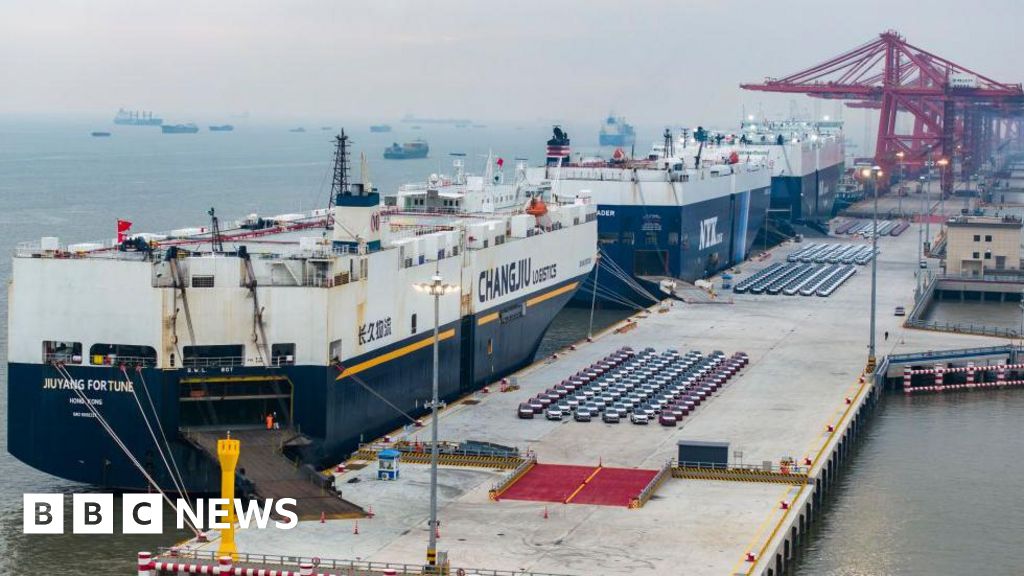
In a bold move signaling a shift towards economic nationalism, Mexico has recently approved a comprehensive tariff package impacting over 1,400 products, many sourced from China. This policy, championed by President Claudia Sheinbaum, aims to bolster domestic manufacturing and reduce reliance on foreign imports amidst mounting economic pressures. These tariffs allow for duties of up to 50%, a clear indication of Mexico’s intent to recalibrate its economic strategies in a rapidly changing global landscape. While the move is framed domestically as a matter of economic sovereignty, its geopolitical implications ripple beyond borders, especially as Mexico engages in delicate negotiations with the United States.

  • The tariffs come at a fraught time, with U.S. President Donald Trump threatening steep import taxes on Mexico, including potential 50% duties on steel and aluminum. These measures are part of a broader strategy to exert economic pressure, ostensibly aimed at curbing the flow of synthetic opioids like fentanyl into the U.S., but also revealing a deeper struggle over trade dominance.
  • In addition, Trump has signaled intentions to impose a 5% tariff on Mexican goods, citing the longstanding Rio Grande treaty—an 80-year-old agreement—regarding water rights as a pretext. Through social media, the U.S. leader accused Mexico of “not meeting the terms” of this treaty, which historically grants the U.S. access to water from the Rio Grande tributaries, raising questions about the truthfulness and strategic motivation behind these claims.

International reactions have been swift and cautious. Warnings from Beijing to Mexico included a reminder to “think carefully” about the implications of imposing tariffs on Chinese products. Analysts note that these measures reflect a broader realignment of economic alliances in which Mexico seeks to navigate between two superpowers—the United States and China. As the world’s second-largest economy, Beijing remains deeply entrenched in Latin America, its investments and trade ties reshaping regional power dynamics. The decision by Mexican lawmakers underscores a strategic push to assert economic independence, but also signals potential shifts in regional stability, especially if tariffs spark retaliatory measures or escalate into trade conflicts.

Impact on Society and Future Trajectory

The societal impact of Mexico’s tariff policy cannot be understated. For consumers, increased costs on everyday products threaten to fuel inflation, while domestic industries may benefit from increased protection. However, historians and economic analysts warn of the long-term consequences of such protectionism—potentially fostering a fragmented global trade system that complicates international cooperation. The moves also reflect a broader pattern of nationalist resurgence across the globe, where nations challenge existing treaties and alliances in pursuit of national interests.

As Mexico confidently asserts its economic independence amid a tense geopolitical climate, the world watches with bated breath. The pending negotiations with the United States—a trading behemoth and regional neighbor—could set a precedent for how nations leverage tariffs and treaties in a new era of economic brinkmanship. The decisions made in Mexico today are not isolated policies but artifacts of a larger, ongoing competition for influence and sovereignty. With history unfolding before our eyes, the question remains: will these tariff maneuvers carve a path towards renewed national strength, or will they spiral into a broader confrontation that reshapes the very fabric of global geopolitics? The answer lies in the unfolding chapter of international relations, where every move could tip the delicate balance of power, leaving the world to witness the next act in this high-stakes geopolitical play.

Global Markets tumbling as Tech Slumps and China's Economy Sparks Worries
Global Markets tumbling as Tech Slumps and China’s Economy Sparks Worries

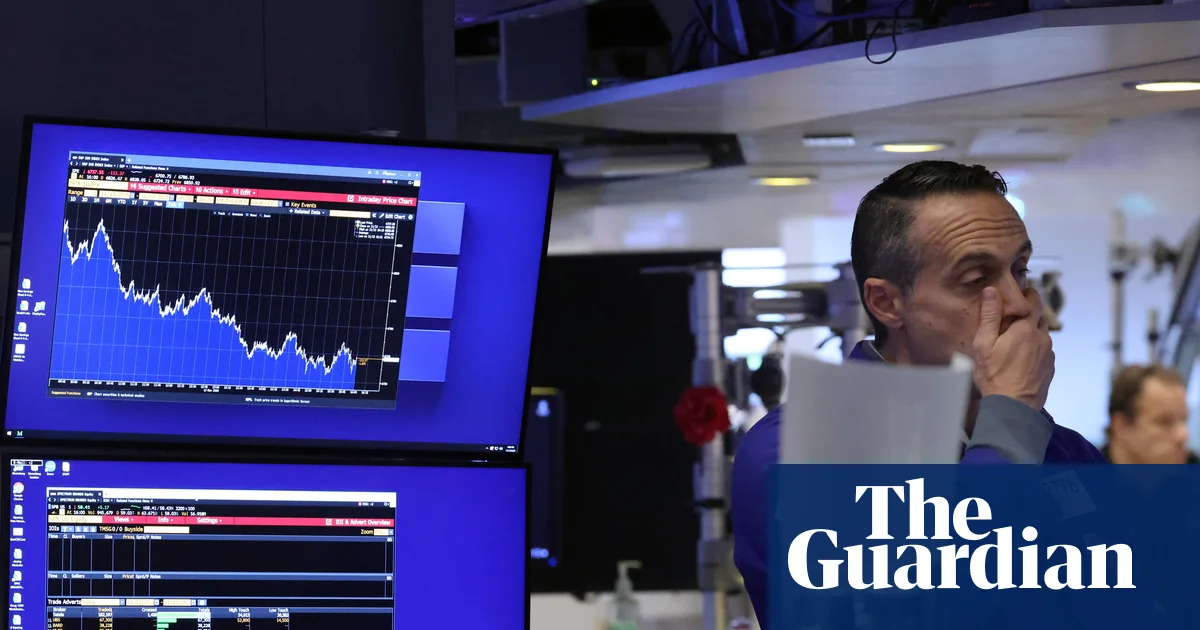
The world economy finds itself at a critical juncture, as recent trading sessions reveal a landscape marked by volatility and uncertainty. Across continents, markets have responded sharply to a confluence of economic signals, geopolitical shifts, and internal political crises. The FTSE 100 in UK experienced a significant dip of 1.1%, closing near the 9,700-point threshold as banking giants like Barclays, Lloyds, and NatWest fell between 2.7% and 3.6%. Despite earlier hopes that the index might breach the 10,000 mark, signals from political circles—particularly the abandonment of the planned income tax hike—destabilized investor confidence. Meanwhile, the pound weakened against the US dollar, illustrating the deepening impact of fiscal indecision on the British economy.

Across the Atlantic, US markets displayed similar trepidation. Despite a brief rally, the S&P 500 and Dow Jones faced downward pressure, with the Nasdaq Composite falling as much as 1.8%, then rebounding slightly by the end of the day. Wall Street investors appeared preoccupied with two dominant concerns: the lingering government shutdown—the longest in US history—and the reevaluation of artificial intelligence sector valuations. Notably, Nvidia, a titan in AI technology valued at $4.5tn, saw its stock tumble 3.6%, reflecting a broader sector reassessment, particularly following SoftBank‘s decision to liquidate its entire stake.

This adjustment in technological valuations sent shockwaves through Asian markets as well. In Japan’s Nikkei, stock prices declined by 1.8%, while South Korea’s Kospi plunged 2.6%, and Australia’s equities fell 1.5%. The decline was driven partly by fears that the recent tech sell-off in the West signals a cooling economy with repercussions extending beyond regional borders. An expert from the International Monetary Fund noted that the persistent collapses reveal a fragile confidence in long-term growth prospects, exacerbated by geopolitical tensions and unpredictable fiscal policies. Meanwhile, China’s economic data revealed a distressing picture: *record* drops in fixed-asset investment, totaling a 1.7% decline for the first ten months of the year. The CSI 300 fell by 0.7%, with Hong Kong’s Hang Seng and Taiwan’s Taiex dropping by 0.9% and 1.4%, respectively—signs of a dawning slowdown that could ripple globally.

Amid these tumultuous shifts, attentions are keenly focused on *how* the United States manages this economic turbulence. The ongoing shutdown has stymied key data releases, heightening uncertainty over the direction of monetary policy. Some analysts warn that this could force the Federal Reserve to reconsider rate cuts already factored into markets, which could further dampen investor sentiment. Experts like Jim Reid from Deutsche Bank warn of a *volatile week*, marked by balancing relief over the shutdown’s end with cautious optimism about AI valuations and 📉dovish signals from the Fed. Meanwhile, UK markets and politicians face their own political headwinds, with Rachel Reeves’s repudiation of the income tax hike fueling speculation about future fiscal stability.

This confluence of economic fragility and political unrest sets the stage for a *turning point* in global history. As nations grapple with internal disarray and external shocks, the world’s geopolitical fabric undergoes a quiet but inexorable transformation. Some see this as the prelude to a new era—one marked by instability but also ripe for profound change. The decisions made today—about debt, trade, and governance—will echo for generations. The weight of history presses ever harder, suggesting that this volatile epoch is not merely a passing storm but the forge of a new geopolitical order, where resilience and adaptability will determine the future of nations and peoples.

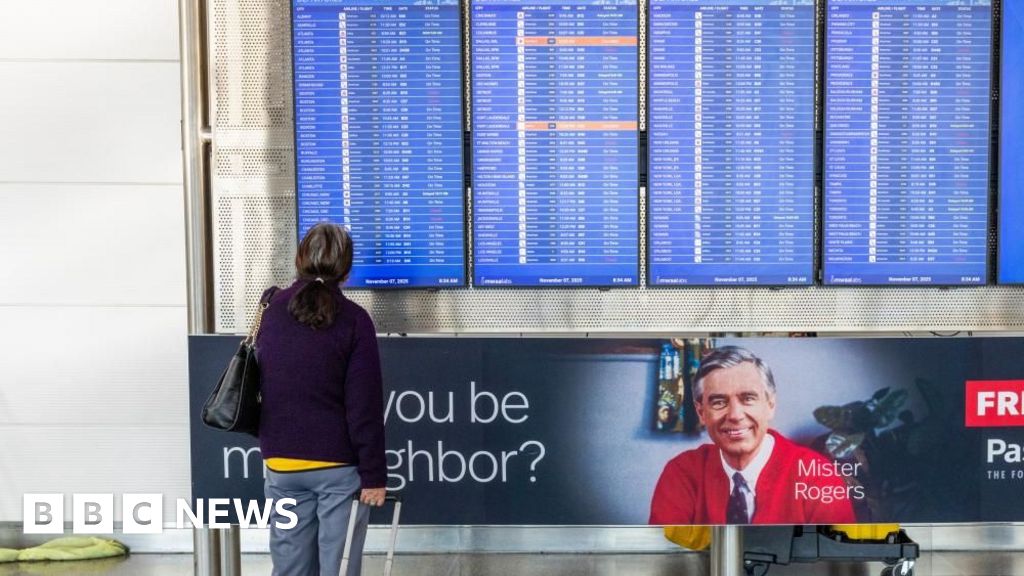
Transport Secretary warns shutdown could ground US flights to a trickle, sparking concerns for travelers and the economy

The ongoing US government shutdown has entered its 40th day, marking the longest in American history and sending ripple effects across the socio-economic fabric of the nation. As federal workers face unpaid wages and essential services grind to a halt, the transportation sector bears the brunt of the crisis. Thousands of flights are canceled or delayed daily, with the Federal Aviation Administration (@FAA@) announcing capacity reductions of up to 10% at major airports, such as Newark. These measures are driven by fatigued air traffic controllers, many of whom are working without pay—raising urgent safety concerns and exposing the weaknesses of bureaucratic gridlock.

Analysts and international observers warn that without swift resolution, the impact on the global economy could deepen. Flight delays and cancellations serve as a stark reminder of how domestic political stalemates threaten to destabilize global markets and international travel. US lawmakers are under pressure, with the Senate convening in a rare weekend session, attempting to broker a deal that could temporarily end this impasse. However, the core dispute remains entrenched, with Democrats demanding policy concessions tied to healthcare funding, and Republicans insisting on pure budget measures without additional policy layers. As President Donald Trump proposes redirecting relief funds directly to Americans’ health insurance, global financial markets watch nervously, understanding that timely compromise is paramount to prevent economic contagion.

This crisis highlights the deep fissures in the American political landscape—fissures that have far-reaching geopolitical impact. While Washington grapples with its stalemate, China and Russia observe closely, noting America’s internal divisions and the potential for weakened global influence. The shutdown also reveals the fragility of public trust in democratic institutions, with historians warning that prolonged crises may erode societal resilience and foster disillusionment among youth and working-class Americans. Meanwhile, international organizations like the IMF warn that such internal turmoil could serve as a distraction from pressing global issues, including geopolitical conflicts and economic reforms.

As the hours tick by and the nation stands on the brink of further chaos, the weight of history presses heavily on decision-makers. The words of analysts echo—the prolonged deadlock not only jeopardizes national stability but also threatens to reshape the international order. With each delay, the story of a nation divided unfolds anew, leaving the future tangled in uncertainty and the past whispering warning signs. The question remains: will this chapter in history’s relentless unfolding be resolved in time, or will it become yet another symbol of a lingering, unresolved crisis that stains the legacy of a once-powerful superpower?

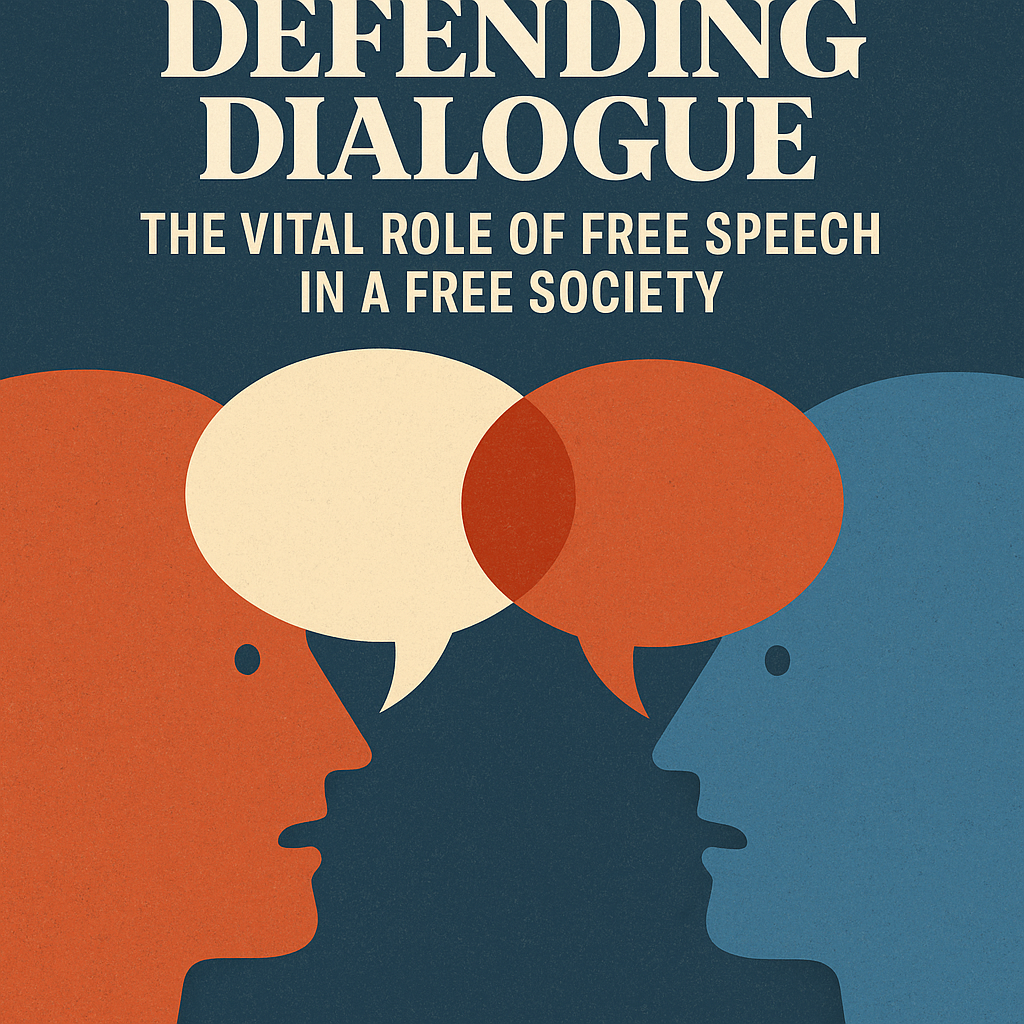
Defending Dialogue: The Vital Role of Free Speech in a Free Society

In an era marked by digital interconnectedness and rapid information exchange, the fundamental importance of free speech in maintaining a vibrant, healthy society cannot be overstated. Critics often posit that unchecked dialogue can foster divisiveness or misinformation, but history and empirical evidence suggest otherwise. John Stuart Mill, in his seminal work On Liberty, argued that the free exchange of ideas is essential not only for discovering truth but for preventing tyranny of the majority. When societies impose undue restrictions on speech, they risk silencing dissent, which can stifle innovation, suppress minority views, and erode the very foundations of democracy. The challenge lies in safeguarding open discourse without allowing harmful content to proliferate, a balancing act that underscores the importance of free and fair dialogue.

Supporters of free speech emphasize that censorship often backfires by driving controversial ideas underground, where they become more difficult to address openly. Economists like Friedrich Hayek have pointed out that free markets of ideas require safeguarding to foster societal progress. Moreover, the digital age has amplified the reach of individual voices, allowing youth-led movements and marginalized communities to challenge entrenched narratives effectively. Nevertheless, critics argue that platforms must moderate content to prevent harm; yet, overreach risks transforming these spaces into echo chambers. Protecting free speech entails constructing boundaries that deter abuse without curtailing authentic debate, a nuanced pursuit that defies simple solutions but remains central to societal resilience.

From a historical perspective, societies that champion liberty of expression tend to experience greater innovation and social cohesion. When citizens are empowered to voice dissent, governmental abuses are held accountable, and policies are scrutinized more effectively. Analysts suggest thatn an environment of robust debate fosters a culture of critical thinking—vital for adapting to complex challenges like technological change or global crises. Limiting speech, on the other hand, can cultivate a climate of conformity, where fear suppresses dissent and free inquiry diminishes. As thinkers like Alexis de Tocqueville observed, “Democratic societies flourish when the individual feels free to speak and think for themselves, even if their views are unpopular.”

Yet, amid the noise and chaos of our digital age, it is essential to remember that free speech is more than a right; it is a moral obligation. It demands responsibility—both from those who exercise it and from societies that protect it. If the future of free societies depends on anything, it is on their ability to defend this sacred space where ideas collide, challenge, and evolve. The weight of this responsibility is immense, for within the marrow of free speech lies the future of human progress itself—an enduring testament to our collective resilience and boundless aspiration, echoing through time as an unbreakable chorus that calls us to remain vigilant and unwavering in the pursuit of truth and liberty.

Culture’s Role in Shaping Our National Identity

At the core of a nation’s identity lies its culture — an intricate tapestry woven from history, traditions, language, and shared values. Critics often argue that in an increasingly globalized world, the preservation of cultural distinctiveness becomes a challenge, yet it remains the most powerful force shaping national character. Alexis de Tocqueville famously observed that culture provides the moral fabric that binds individuals to their collective destinies. Today, as nations face pressures from economic and cultural homogenization, it becomes essential to recognize how deeply rooted cultural narratives foster a sense of belonging and reinforce the social cohesion needed for a resilient nation.

Many contemporary analysts suggest that the identity crises faced by modern nations can be traced back to the erosion or neglect of cultural foundations. When policies prioritize economic growth over cultural preservation, societies risk losing their distinctiveness, leading to a dilution of their shared values. This concern has been passionately articulated by thinkers like Samuel P. Huntington, who argued that cultural identities are vital in shaping political stability and social harmony. A nation’s cultural narratives serve as a bridge connecting past, present, and future — fostering a collective memory that guides societal norms and expectations. When these narratives are deliberately marginalized, communities may experience fragmentation, weakening the social fabric that has historically held them together.

Furthermore, educational systems and media serve as battlegrounds for cultural transmission, playing a pivotal role in either strengthening or undermining national identity. Critics note that in many democracies, there is a tendency to soft-pedal the importance of shared cultural values to appease a globalized mindset that champions diversity at the expense of unity. However, as Roger Scruton emphasized, a vibrant national culture is essential for fostering patriotism and civic pride — qualities that underpin societal resilience in times of crisis. It is through the celebration of heritage, language, and traditions that young generations cultivate a deep-seated respect and understanding for their roots, ensuring that the spirit of the nation endures amid tides of change.

Ultimately, the weight of culture in shaping our national future resonates as an almost poetic truth: that in the silent depths of shared stories and customs lies the blueprint for survival and renewal. As history’s currents threaten to drown distinct identities in a sea of sameness, it falls upon each generation to carry the torch of cultural memory. For only then can a nation remain more than just a geopolitical entity — it becomes a living, breathing vessel of collective hope, resilience, and destiny. The future waits patiently in the shadows of history, whispering that a nation’s true strength is not merely in borders or armies, but in the enduring legacy of its cultural soul, beckoning us towards a horizon where identity is not lost but reborn anew in the flames of tradition and innovation alike.

Social Media Auto Publish Powered By : XYZScripts.com