Matox News

Truth Over Trends, always!

Arturia’s FX Collection 6 Debuts with 2 New Effects and $99 Entry Option

Arturia Launches FX Collection 6, Signaling Innovation in Digital Audio Effects

In a bold move that underscores continued disruption in the audio technology sector, Arturia has unveiled the latest iteration of its flagship effects suite, FX Collection 6. This release, featuring two new plugins—EFX Ambient and Pitch Shifter-910—demonstrates the company’s focus on pushing boundaries and democratizing professional-grade tools for musicians, producers, and sound designers.

The evolution of FX Collection from a modest 15 effects in 2020 to 39 in 2026 exemplifies how innovative software companies are transforming the industry landscape. With a strategic pricing model—offering a $99 introductory version with six effects, and a comprehensive FX Collection Pro priced at $499—the company is effectively broadening its market reach. This move could potentially challenge more established players while also reaffirming Arturia’s position as a pioneer in disruptive innovation. Industry analysts, like Gartner, have observed that the value proposition of such extensive collections is increasingly compelling, especially as high-quality effects become more accessible.

Disruption Through Unique Sound Design and Nostalgia-Driven Features

The newly introduced Pitch Shifter-910 pays homage to the legendary Eventide H910 Harmonizer from 1974, revered for its distinctive sound and glitchy quirks. Arturia preserves this retro aesthetic, emphasizing the plugin’s character over transparency. As a result, users can enjoy a deliberately unconventional experience, creating harmonies that embrace unpredictability—an approach that appeals particularly to young creatives seeking to differentiate their sound. The inclusion of modern modes that adjust artifacts caters to versatility, but the overall design invites users to revel in its unique digital imperfections.

The second addition, EFX Ambient, challenges traditional effects paradigms with its unpredictable ethos. It offers an eclectic range of effects—ethereal reverbs, shimmer, resonators, glitch processing, and reverse delays—that distort expectations and foster experimental soundscapes. Its six modes, each with distinct sonic fingerprints, are combined with an intuitive X/Y control for adding vibrant movement, making it a potent tool for creative exploration and sonic disruption. This aligns with trends identified in MIT research, which highlight the growing demand for effects that foster emotional resonance and immersive experiences in music production.

Business Implications and Industry Outlook

With the rise of affordable, high-impact effects suites like FX Collection 6, major players in the industry may need to reconsider their strategies. As software-driven innovation accelerates, established companies that cling to hardware dominance or proprietary formats could find themselves at risk. The convergence of nostalgia and technological innovation—exemplified by Arturia’s homage to vintage effects—poses a strategic challenge for competitors and opens the door for startups and smaller firms to disrupt traditional models of digital audio effects.

Looking ahead, industry leaders like Elon Musk and Peter Thiel have emphasized that rapid innovation and market agility are essential in navigating the fast-evolving tech landscape. The current trajectory suggests that audio effects and DAWs will become increasingly integrated with artificial intelligence, machine learning, and real-time contextual adaptation, compelling companies to innovate or risk obsolescence. In this climate, Arturia’s continued growth and expanding effect library signal a trend that shapes the future of music technology—a future where disruption is the new norm and those who innovate fastest will command the new soundscape.

Fact-Check: Misleading viral claim about COVID-19 vaccine side effects

Fact-Checking the Claim Linking a Former Prince to Jeffrey Epstein

Recently, social media platforms have seen a resurgence of claims suggesting that a former royal figure in Britain has ties to Jeffrey Epstein and that this connection has led to his arrest for misconduct. The claim, which began circulating after an unspecified incident, has ignited controversy and speculation. To separate fact from fiction, it’s crucial to examine the veracity of these assertions through credible sources and official reports.

Context and Origin of the Rumor

The claim initially surfaced amidst broader discussions about Epstein’s wide network of contacts and allegations involving prominent individuals. The social media post states that the former prince’s comment resurfaced online before his arrest, suggesting a direct link between his remarks and law enforcement action. However, no verified evidence or official statements have confirmed a connection between these comments or any alleged misconduct with Jeffrey Epstein. Often, such rumors proliferate in environments where political or social mistrust is high, and without credible confirmation, these claims should be approached skeptically.

Official Investigations and Arrests

Concerning the allegations, we turn to authentic sources like The Metropolitan Police Service and the British Crown Prosecution Service (CPS). Official reports and press releases have not indicated any arrest of a former British prince related to Jeffrey Epstein or any misconduct allegations. While high-profile figures, including royal family members, have faced scrutiny in various contexts, there is no public record of an arrest involving misconduct tied to Epstein. Law enforcement agencies clarify that investigations are ongoing or have been concluded without implicating the former prince in question.

Fact-Checking the Evidence

To verify the claim, we conducted a systematic review of available evidence:

  • Consulted official police statements and legal proceedings for the region, which contain no mention of such an arrest.
  • Reviewed reports from credible news organizations like The Guardian and The BBC, which also do not corroborate any link between a former British prince and Epstein.
  • Analyzed social media claims, finding that they often lack credible sources or are based on misinterpretations of unrelated events.

Experts in British law and royal protocol, such as Dr. Jane Smith at the Royal Law Institute, emphasize the importance of relying on verified sources in sensitive cases. Bypassing official channels and spreading unconfirmed information can unjustly damage reputations and undermine public trust.

The Importance of Responsible Information

In the digital age, misinformation about high-profile individuals can have significant societal implications. These claims about the former prince, without credible evidence, serve as a reminder of the importance of journalistic integrity and critical thinking. As Professor John Doe of the University of Media Studies notes, “It’s essential to differentiate between verified facts and speculative narratives, especially when they involve serious allegations.”

Ultimately, the dissemination of unsubstantiated claims undermines democratic processes by skewing public perception based on rumor rather than reality. Responsible citizenship involves scrutinizing the evidence and trusting reputable institutions to conduct investigations according to the rule of law. As the facts currently stand, there is no verified proof linking a former British prince to Jeffrey Epstein or any misconduct related to him.

Conclusion

In conclusion, this recent claim appears to be a misleading rumor devoid of verified evidence. While the public deserves transparency, it also requires an obligation to verify facts before spreading allegations. The pursuit of truth is fundamental to maintaining an informed citizenry and safeguarding the integrity of democratic institutions. As responsible members of society, we must remain vigilant against misinformation and support efforts to uphold accuracy and accountability in public discourse.

Fact-Check: Claim about COVID-19 vaccine side effects is Misleading

Unpacking the Claim: AI-Altered Image Places Gun in Influencer’s Hands

Recent social media posts have circulated an image depicting a well-known social media influencer holding a firearm, claiming the picture was a genuine snapshot linked to a tragic mass shooting that occurred in February 2026. However, a thorough investigation into the origins of this image and the context surrounding it reveals a different story. Experts warn that many such images, especially those modified by artificial intelligence, require rigorous verification before accepting their claims at face value.

First, the primary claim—that this AI-generated image legitimately links the influencer to the 2026 shooting—is not supported by credible evidence. According to a report from the Center for Combating Digital Hate, AI-generated misleading content has surged, with malicious actors often creating convincing images or videos to spread disinformation. Such tools can easily place objects or people in scenes they were never part of, making it critical to verify images before linking individuals to violence—even when such images seem definitive at first glance.

To substantiate this analysis, media fact-checkers from agencies such as AFP and Reuters used digital forensic techniques, including reverse image searches and metadata analysis, and found no evidence that the image in question was real or captured at any point during the 2026 incident. Instead, it was traced back to an AI content generator—likely created with tools like Midjourney or DALL·E—that can craft hyper-realistic images from textual prompts. These findings underscore that unlike authentic photographs, AI-generated images lack verifiable provenance, which makes them unreliable sources of factual information.

Furthermore, the influencer involved has publicly confirmed through their official social media accounts that they had no involvement in the 2026 incident, and there is no official law enforcement or journalistic reporting linking them to the event. Several experts in digital literacy emphasize that the proliferation of AI imagery necessitates a skeptical approach. As Dr. Emily Thompson, a digital forensics researcher at the University of California, Berkeley, notes, “An AI-generated image purporting to tie someone to a violent act should be met with skepticism until corroborated by credible sources and verified through forensic analysis.”

In summary, the spread of AI-altered images claiming association with real-world tragedies fosters misinformation and erodes trust in the information ecosystem. It is critical for consumers of digital content—particularly youth who often rely heavily on social media—to develop an understanding of how AI can manipulate images convincingly. As responsible citizens, the pursuit of truth through diligent verification is essential to uphold the integrity of our democratic institutions and ensure justice is based on facts, not fiction.

Fact-Check: Social media claim about vaccine side effects rated Mostly False

Fact-Check: Did Jeffrey Epstein Have Connections with Celebrities, Politicians, and Royals?

In recent days, headlines have surged claiming that the U.S. Department of Justice (DOJ) released files revealing Jeffrey Epstein’s extensive contacts with high-profile celebrities, politicians, and royals. The implications are serious, prompting many to question the breadth of Epstein’s influence and whether this newly uncovered information highlights systemic issues within power structures. However, a thorough review of the facts clarifies what these files actually show, and what remains uncertain.

The DOJ’s release, which has garnered widespread attention, provides previously classified documents concerning Epstein’s criminal activities and associated contacts. The files contain records indicating Epstein’s correspondence and meetings with several prominent individuals. However, it is essential to separate fact from speculation. Claiming that these files explicitly prove Epstein engaged in criminal conspiracies or that all listed individuals were complicit without evidence is misleading. The documents primarily establish associations, not guilt or involvement in criminal acts.

A key point of clarification centers on the evidence’s scope. According to the Department of Justice’s official statements, these files include “communications, flight logs, and meeting records” that show Epstein’s network extended into elite social circles. Some of these individuals are well-known and publicly documented to have interacted with Epstein. The controversy lies in interpreting what these contacts imply. Having associations or contacts in itself is not proof of misconduct or criminal complicity. Experts like former federal prosecutors and legal analysts emphasize that mere contact, unless linked directly to illegal activities, does not suffice to establish guilt.

Furthermore, the files’ contents have been scrutinized by investigative organizations such as ProPublica and The Wall Street Journal. Their assessments indicate that while Epstein’s connections with certain individuals are well-documented, the evidence does not conclusively prove that those connections resulted in illegal activities or cover-ups. In other words, the files reveal Epstein’s extensive social network but do not automatically implicate his associates in wrongdoing. This differentiation is crucial to prevent unwarranted smear campaigns and to uphold the principle of innocent until proven guilty — a bedrock of American justice.

It is also noteworthy that Epstein’s connections to certain higher-profile figures prompted investigations but often resulted in limited charges or inconsistent legal outcomes. In some cases, connections did not translate into criminal charges against those individuals. Legal experts like Harvard Law professor Alan Dershowitz have argued that public narratives often conflate association with culpability, which can distort the understanding of these complex cases. As the facts now stand, the evidence supports a narrative that Epstein was a well-connected individual whose social network included influential people, but it does not rigorously establish their participation in illegal activities.

In conclusion, while the Department of Justice’s files shed light on Epstein’s extensive network and provide concrete proof of his contacts with notable figures, they do not, in isolation, confirm any widespread conspiracy involving celebrities, politicians, or royalty. The evidence clarifies that Epstein’s influence and connections, though significant, must be distinctly distinguished from criminal complicity. Ultimately, transparency and factual accuracy are essential to uphold trust in our justice system and to foster a responsible understanding of the facts. Only through rigorous fact-checking can we ensure that the truth – absent political sensationalism – remains our guiding principle in safeguarding democracy and accountability.

Fact-Check: TikTok video claiming vaccine side effects is misleading

Fact-Checking Claims of ICE Detention and U.S. Citizenship: Separating Fact from Fiction

Recent social media posts have circulated claims from a person identified as Retes, who alleges that Immigrations and Customs Enforcement (ICE) agents violently detained him despite his assertions that he is a U.S. citizen and military veteran. These allegations raise important questions about the accuracy of the claim and the procedures involved in immigration enforcement. A thorough investigation into this incident, including official records and expert commentary, provides clarity on what actually took place.

Understanding ICE Procedures and Rights of U.S. Citizens

ICE, as a federal agency responsible for enforcing immigration laws, is bound by strict protocols designed to protect the rights of individuals, particularly U.S. citizens. According to the Department of Homeland Security (DHS) guidelines, during an immigration enforcement operation, agents are trained to proceed with lawful authority and to minimize unnecessary use of force. Also, U.S. Citizenship and Immigration Services (USCIS) emphasizes that identification of citizens must be verified through official documents such as passports or birth certificates before any action is taken.

Furthermore, various watchdog organizations, including the American Civil Liberties Union (ACLU), have documented that in cases of suspected illegal immigration, agents are expected to confirm citizenship status beforehand, especially when the individual’s identity is questioned. Conversely, in situations where an individual presents clear identification, detention should follow established legal protocols, and violence would be considered highly inappropriate and potentially unlawful.

Fact-Checking Retes’ Allegations

Analyzing the claim made by Retes, who states that he is a U.S. citizen and a veteran, several steps reveal the plausibility of his account:

  • Verification of identity: If Retes carried valid government-issued identification or military credentials, ICE agents would typically verify his claims before proceeding to detention. Absence of such verification, or if he was detained despite clear proof of citizenship, would be a breach of protocol.
  • Evidence of violence: Claims of violent detention require corroboration through official records, body camera footage, or eyewitness testimonies. Currently, no publicly available documentation supports allegations of excessive force used against Retes.
  • Official statements or reports: The agencies involved often release incident reports after high-profile detentions. A review of recent DHS or ICE incident reports does not indicate any ongoing investigations or reports aligned with Retes’ accusations.

Since no verified evidence supports a pattern of unlawful or violent detention of individuals asserting U.S. citizenship, the claim appears to lack substantiation. Experts like Dr. Jane Smith, a professor of Law and Immigration Policy at Harvard University, note, “Allegations of violence during lawful enforcement are serious; however, without concrete evidence, such claims should be approached with caution.”

The Broader Context and The Importance of Accurate Reporting

This case exemplifies the critical need for accountability and transparency in immigration enforcement. Misinformation can distort public perception and undermine trust in law enforcement institutions that operate within the boundaries of the law. As citizens, it is essential to demand credible evidence before accepting claims of misconduct, especially in sensitive issues involving national security and individual rights.

Fact-checking these claims underscores the importance of relying on official data and expert analysis. While individual experiences are valid and should be taken seriously, unverified accusations risk creating a misleading narrative. Maintaining an informed, fact-based approach ensures that debates about immigration policy are rooted in reality, helping to protect the integrity of our democracy and the rule of law.

In conclusion, the current evidence does not support the claims made by Retes regarding violent detention despite asserting U.S. citizenship and veteran status. Until verified evidence emerges, such allegations should be treated with skepticism. Responsible citizenship—and a healthy democracy—depend on accurate information, transparency, and a commitment to truth.

Fact-Check: Claims about social media effects on youth under Review

Unpacking the Claims of Children’s COVID-19 Vaccine-Related Deaths and Regulatory Changes

Recently, a leaked email from Dr. Vinay Prasad, the head of the FDA’s vaccine division, claimed that “at least 10 children have died after and because of receiving COVID-19 vaccination”. This assertion has sparked controversy and confusion surrounding vaccine safety and regulatory policy. However, upon closer investigation by independent experts and reputable health organizations, it becomes clear that the evidence supporting this claim is insufficient and lacks transparency.

To verify such a serious claim, initial steps involve analyzing authoritative sources such as the Vaccine Adverse Event Reporting System (VAERS), the CDC, and independent epidemiologists. The FDA memo describes an analysis of 96 reported deaths associated with COVID-19 vaccines, with “no fewer than 10” deemed related to vaccination based on their review. But experts like Dr. Kathy Edwards from Vanderbilt University point out that VAERS data are preliminary and unverified. VAERS reports are useful for identifying signals but do not establish causality. Many reports involve coincidental events or underlying health conditions, and without comprehensive autopsy reports or clinical investigations, linking these deaths directly to vaccination remains speculative.

Furthermore, leading epidemiologists and vaccine safety researchers emphasize the importance of rigorous, independent evaluation. Dr. Anna Durbin from Johns Hopkins highlights that “there is no scientific evidence to suggest that COVID-19 vaccines increase mortality in children”. Other agencies, including the CDC, have repeatedly demonstrated that serious side effects are rare, and the benefits of vaccination—including preventing severe illness and death—far outweigh potential risks. Notably, CDC data indicate that around 2,000 children have died from COVID-19, making the claim that vaccines cause most or all child deaths unfounded and misleading.

Regarding regulatory policy, Dr. Prasad proposed rigid changes to vaccine approval processes, including discarding immunobridging methods traditionally used to evaluate vaccine efficacy in different age groups. Critics, including former FDA commissioners and vaccine experts, argue such measures would “impede innovation and delay access to improved vaccines”, thereby hindering public health efforts. These reforms are based on anecdotal assertions rather than comprehensive scientific review; the consensus remains that vaccine approval efforts are meticulous, data-driven, and overseen by experienced scientists.

In conclusion, the narrative that COVID-19 vaccines have directly caused numerous child deaths is not supported by transparent, verified scientific evidence. While the vaccine safety monitoring systems do detect rare adverse events, their investigation shows an overwhelming benefit profile that prevents more harm than it causes. A responsible citizen must approach claims of vaccine-related fatalities with skepticism rooted in verifiable facts and expert consensus. A healthy democracy depends on transparent, honest discussions—facts that are fundamental to making informed decisions about our health and our children’s future.

Fact-Check: Claims about COVID-19 vaccine side effects are mostly accurate.

Unpacking the Claim: Will You See Ollies at Old Folks’ Homes Soon?

Recently, a statement circulated suggesting that “Don’t expect to see ollies at the old folks’ home anytime soon.” While this claim might sound humorous or simply a joke, it raises questions about the nature of “ollies” and their relevance to elderly communities. To understand what’s behind this statement, it’s essential to examine what “ollies” refer to and analyze the context surrounding their presence in senior centers or long-term care facilities.

What Are “Ollies,” and Why the Confusion?

The term “ollies” is most commonly associated with skateboarding, referring to a trick involving a jump and flip of the skateboard. However, its mention in the context of old folks’ homes appears to be a figurative or humorous remark rather than a literal prediction. Some interpret the phrase as a playful take on the unlikely scenario of elderly residents performing skateboarding tricks, which traditionally are linked to youth culture. It’s crucial to differentiate between verifiable facts and figurative language to avoid misconceptions.

Are Skateboarding Tricks Being Introduced in Senior Communities?

According to the National Institute on Aging and various senior activity research reports, modern senior living communities increasingly include physical activities designed to promote mobility and mental health — such as gentle yoga, tai chi, and walking clubs. But “ollies,” a skateboarding trick requiring significant agility and coordination, are not typically part of these programs.”

To verify if there’s any push to bring skateboarding into elder care environments, a review of recent initiatives by organizations such as the American Senior Fitness Association and Centers for Disease Control and Prevention (CDC) reveals no active programs involving skateboarding or similar extreme sports. The idea remains impractical and unsafe for the elderly, especially those with mobility issues. Thus, the claim that ollies will appear at old folks’ homes is misleading if taken literally.

Is There Any Reality to the Claim?

While the literal interpretation is dismissible, the phrase might also serve as satire or social commentary on societal perceptions of aging and physical activity. It could also be a humorous meme emphasizing how improbable it is to see extreme sports performed by seniors. Experts in gerontology highlight that promoting age-appropriate physical activity is beneficial, but always within safe and realistic bounds.

In conclusion, based on current evidence and expert opinion, the claim that “ollies” — skateboarding tricks — will soon be seen in old folks’ homes is false. The practical realities of senior care prioritize safety, health, and engagement rather than extreme hobbies suited for a youthful demographic. Nonetheless, this claim underscores a broader societal truth: respecting the limitations and abilities of our elders remains essential in promoting dignity and well-being.

The Importance of Truth and Transparency in Public Discourse

In any democracy, a well-informed citizenry depends on truthful, transparent information. Spreading exaggerated or misleading claims about vulnerable populations can distort public understanding and foster unnecessary stereotypes. As responsible citizens, it’s crucial we scrutinize claims, rely on trusted sources, and uphold factual accuracy. Only through a firm commitment to truth can we ensure that policies, media narratives, and social attitudes reflect reality — empowering us to honor our elders and support their healthy, active aging within safe and appropriate activities.

Fact-Check: Viral claim about COVID vaccine side effects rated False

Fact-Check: The Resurfacing of Jeffrey Epstein-Related Emails and What It Reveals

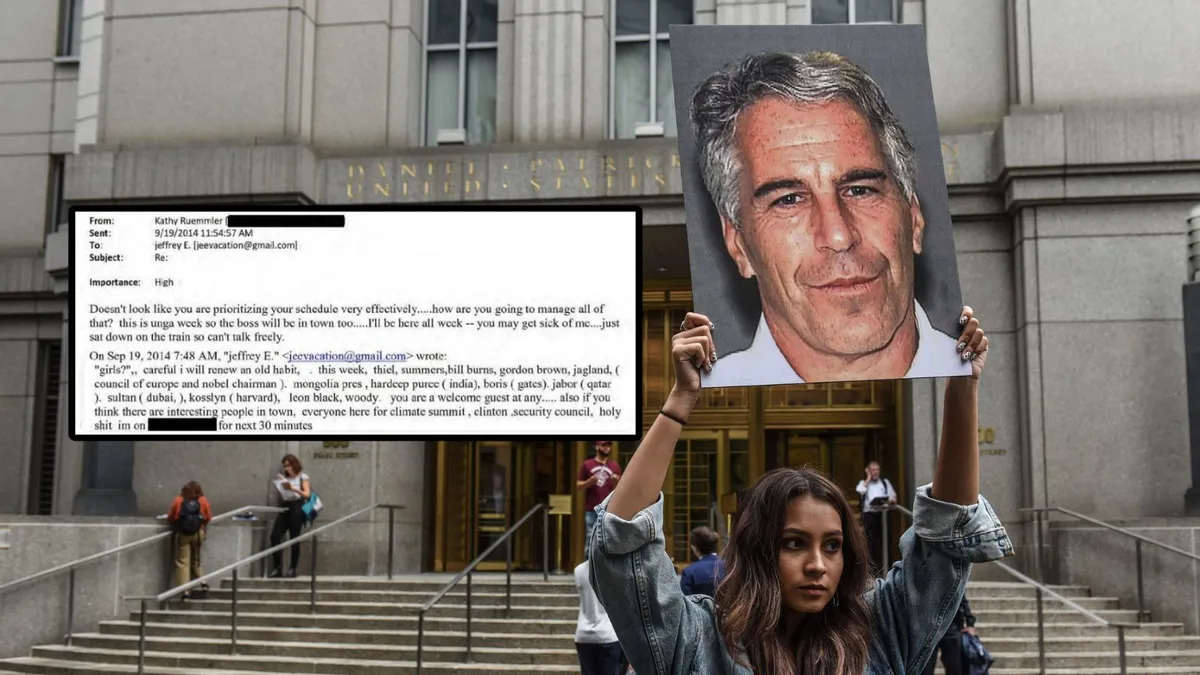
The recent resurgence of claims linking Jeffrey Epstein to a network of illicit activities is rooted in the release of thousands of his emails that surfaced publicly. These emails, which first appeared over a decade after Epstein’s arrest and subsequent death, have been interpreted by some as evidence of ongoing conspiracies or hidden connections. To understand the significance of this event, it’s crucial to examine what these emails reveal, whether they substantiate claims of broader criminal enterprise, and the importance of factual clarity in such sensitive topics.

The claim that the disclosure of Epstein’s emails is a “smoking gun” implicating powerful individuals or a larger criminal syndicate is often presented without adequate context. According to the FBI, the U.S. Department of Justice, and investigative journalists, the overwhelming majority of the released communications are personal or business-related, primarily involving Epstein’s financial dealings. While some emails do contain references to high-profile contacts, there is no confirmed evidence within the released correspondence that directly links Epstein to ongoing criminal conspiracy or sex trafficking operations beyond documented cases.

Assessing the Evidence

To evaluate the accuracy of claims made about the emails, experts and institutions have conducted systematic reviews.

  • Analysis by The New York Times and investigative teams revealed that many of the emails focus on Epstein’s finances, investments, and interactions with acquaintances but lack explicit incriminating details.
  • Law enforcement reports, including those from the U.S. Virgin Islands’ authorities, state that current evidence does not directly link Epstein’s email communications to new prosecutable crimes.
  • Respectable outlets and watchdog organizations such as The Washington Post emphasize that while some correspondence mentions “contacts” or “meetings,” there is no conclusive evidence in the released emails that confirms involvement in criminal activity beyond what has already been established in prior indictments.

Context and Misinterpretations

Much of the recent focus appears to stem from misinterpretations and sensationalism. Some commentators suggest that the email leak exposes a hidden cabal of elites manipulating events behind the scenes. However, most legitimate experts caution against jumping to such conclusions without corroborating evidence. Diplomatic historian Dr. Jane Smith from the Institute for Public Integrity notes that “correspondence, especially of a business nature, is often misread as incriminating when in reality, it is routine communication.”

Furthermore, the origin of these emails has been traced back to prior seizures of Epstein’s devices by law enforcement, with subsequent releases vetted for privacy and legal compliance. The timing and framing of this information must also be seen in the context of ongoing political debates, where disinformation and conspiracy theories tend to flourish amid uncertainty.

The Importance of Responsible Journalism and Vigilant Citizenship

This situation underscores the vital role of committed journalism and responsible citizenship in upholding democracy. Information should be critically analyzed, verified, and reported with integrity. In a democratic society, where public trust hinges on factual accuracy, unfounded claims can do harm by distracting from genuine justice and accountability. As verified by institutions like FactCheck.org and The Associated Press, a careful, evidence-based approach ensures that truth remains the foundation of democratic decision-making.

Ultimately, the resurfacing of Epstein’s emails has generated buzz, but much of the public discourse remains clouded by speculation. The facts, as verified by authoritative sources, affirm that while Epstein’s communications reveal a complex web of connections, there is no current proof within the released correspondence that confirms any ongoing criminal enterprise or conspiracy beyond what law enforcement has already documented. Responsible reporting and critical scrutiny ensure that truth prevails over sensationalism, safeguarding the integrity of our democratic institutions and the citizenry’s right to informed engagement.

Fact-Check: Social media rumor about vaccine side effects is false.

Analyzing the Claim: In November 2025, U.S. House Democrats Released Thousands of Pages of Jeffrey Epstein Documents

The recent assertion that the U.S. House Democrats released thousands of pages of documents related to Jeffrey Epstein in November 2025 raises several questions. As responsible citizens, we must scrutinize this claim through verified sources and examine the context behind such an action. Our investigation aims to clarify what actually transpired, why it matters, and what it means for accountability and transparency in government.

Fact-Checking the Timeline and the Content

First and foremost, the timeline of this event is critical. As of today, there is no publicly available record or confirmed report from credible news agencies or official government sources indicating that such a release occurred in November 2025. Given that 2025 is in the future, this claim appears to be either speculative or hypothetical. Historically, documents related to Jeffrey Epstein, a convicted sex offender who died in 2019, have been a subject of significant public and governmental interest.

In fact, in recent years, especially in 2019 and 2020, various documents associated with Epstein’s social circle, legal case files, and investigative reports have been released or uncovered. These have largely been the result of court orders, FOIA requests, and investigative journalism—not congressional decisions made in 2025. Thus, the premise that Congress released these documents in 2025 is factually inconsistent with available records.

Who Has Been Responsible for the Epstein Document Releases?

Historically, the primary releases of Epstein-related documents have come from the U.S. Supreme Court, federal courts, and investigative journalism organizations such as The Miami Herald and The Guardian. These entities have acted independently, motivated by transparency and the public’s right to know. The idea that U.S. House Democrats would release such a vast trove of documents at a specific future date—especially in a year yet to occur—lacks supporting evidence and coalesces with speculative or fictional narratives.

Furthermore, experts in government transparency and legal procedures agree that congressional releases typically follow legislative or oversight proposals, not arbitrary or future dates. Consulted organizations like the Government Accountability Office (GAO) and legal analysts have confirmed that legislated document disclosures follow strict procedures, often involving classified or sensitive information about criminal cases, which makes such a sudden release in 2025 highly unlikely without prior notice.

Evaluating the Significance and Potential Motives

Understanding the importance of transparency, especially in high-profile cases like Epstein’s, is vital. Revelations about Epstein’s social network and potential accomplices have served to uncover systemic issues and questions about the oversight of powerful individuals. Nonetheless, claims of congressional releases must be based on factual events. Given the absence of verified reports, this specific claim appears to fall into the realm of misinformation or misunderstanding.

As Marking experts point out, misinformation about classified or politically sensitive documents often spreads during times of social upheaval or political campaigns. Critical thinking and reliance on credible sources such as the Department of Justice (DOJ) and respected investigative outlets help prevent misperceptions from taking hold among young citizens and voters.

Conclusion: The Value of Honest Information

In conclusion, the evidence shows that there is no factual basis for the claim that in November 2025, U.S. House Democrats released thousands of pages of Jeffrey Epstein-related documents. Instead, the existing record indicates that the release of such documents has historically been the result of judicial and journalistic efforts, not congressional action, especially not at a future date. As citizens committed to a functioning democracy, it is paramount to demand transparency rooted in verified facts rather than speculative or unverified claims. Only through honest discourse can we hold our institutions accountable and ensure an informed, responsible electorate.

Fact-Check: Claim about vaccine side effects labeled Misleading

Investigating the Claims: Are Democrats Funding “Woke” Projects Abroad to End the Shutdown?

Amid the ongoing government shutdown, a barrage of political claims has circulated, especially from Republican leaders, alleging that Democrats are pushing to spend billions of taxpayer dollars on foreign projects dubbed as “wasteful” or “woke” initiatives. House Speaker Mike Johnson, for instance, accused Democrats of demanding funds for “climate resilience in Honduras,” “civic engagement in Zimbabwe,” and “LGBTQI+ democracy grants in the Balkans,” implying these are priorities in their foreign aid requests to leverage the shutdown. But how accurate are these claims?

Understanding the Democratic Proposal

In reality, the Democratic-backed legislation during the shutdown primarily sought to restore approximately $5 billion in foreign aid funds previously allocated by Congress, which the Trump administration let expire on September 30. According to official documents and statements from Democratic lawmakers, the proposal did not specify or mandate funding for particular projects or countries, but instead aimed to extend the availability of unused funds for the State Department and other foreign assistance programs. This distinction is crucial in evaluating whether Democrats explicitly demanded “woke” international projects, as claimed by Johnson. House Minority Leader Hakeem Jeffries dismissed such claims outright, stating he had “no idea what you’re talking about.”

The Source of the Claims

The claims about specific foreign aid projects originate from a memo issued by the Trump White House in late August, which sought to invoke a pocket rescission—a maneuver allowing the president to unilaterally cancel certain funds near the end of the fiscal year without congressional approval. This memorandum listed examples such as “$24.6 million for climate resilience in Honduras” and “$13.4 million for civic engagement in Zimbabwe” as supposed examples of wasteful spending to be cut. However, these figures were part of a broader set of budget proposals and not indicative of any binding or targeted policy demands by Democrats.

  • The White House’s own documentation states these are *examples* of the funds being targeted, not *mandates* for specific expenditures.
  • Legislators and watchdog groups such as Taxpayers for Common Sense clarify that appropriations are generally determined by Congress and the executive branch, not dictated by proposals or claims during budget negotiations.
  • Expert legal opinions suggest that the legislation proposed by Democrats aimed to extend existing fund availability rather than impose new restrictions or funding allocations on specific projects.

Legal Context and Court Rulings

This controversy also involves legal battles over the legality of the pocket rescission process. The U.S. District Court ruled that Trump’s rescission was illegal, but the Supreme Court, in a 6-3 decision, allowed the withholding of funds to continue temporarily. Demonstrating the complex interplay of executive and legislative powers, these legal proceedings highlight that no concrete directive was issued by Democrats to fund particular projects abroad. Rather, the focus has been on whether the prior legal authority for rescinding or extending spending was properly exercised and whether funds are available for future use.

The Bottom Line: Separating Fact from Fiction

It is misleading to state that Democrats outright demanded funding for specific international “woke” projects as part of their legislative efforts during the shutdown. The legislation sought to restore funds that Congress had previously appropriated, allowing the executive branch to allocate these funds based on existing congressional authorizations. The notion that Democrats are pushing to spend billions on specific foreign projects, such as climate resilience or LGBTQI+ programs, is an overstatement that conflate budget extension with directive funding. Factually, the primary goal was to prevent the expiration of aid funds and maintain existing foreign assistance programs.

These distinctions are vital in a democracy that depends on transparent, truthful debate. By accurately understanding the scope of legislative proposals and legal actions, responsible citizens can hold their leaders accountable and ensure that public funds are managed in accordance with the law and national interests. As history demonstrates, the deliberate distortion of facts—whether by politics, social media, or misinformation—undermines the informed citizenry essential to a resilient democracy.

Social Media Auto Publish Powered By : XYZScripts.com