Matox News

Truth Over Trends, always!

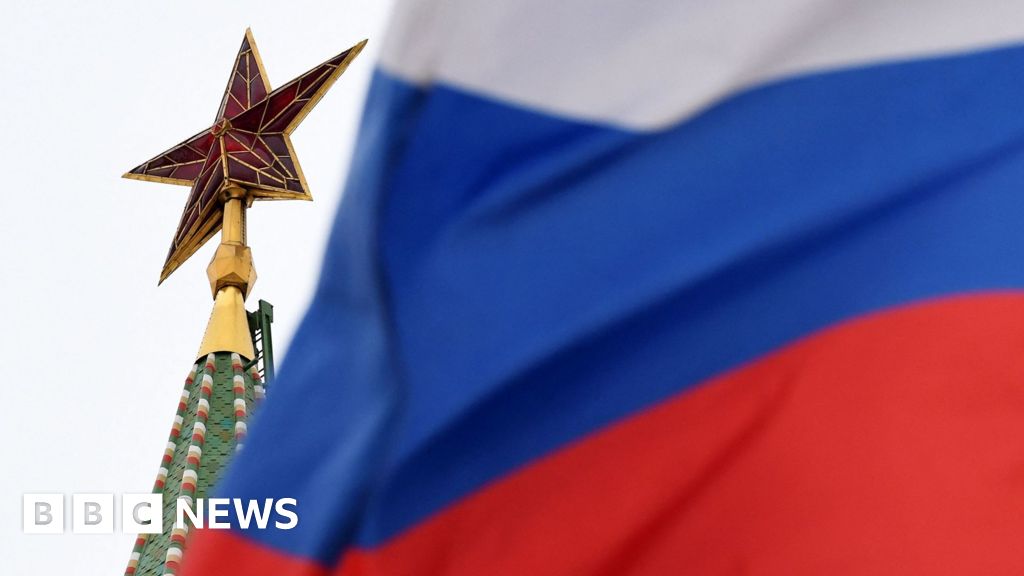
AI videos amplify Russia’s online disinformation efforts among youth

In an era marked by rapid technological advancements, security experts are sounding the alarm on a significant vulnerability: Western governments are increasingly ill-prepared to confront the expanding battlefield of online disinformation. As the digital realm becomes more integral to societal cohesion and political stability, this inability to effectively counter malicious information campaigns represents a foundational threat to democracy and national security. Critics point out that while adversaries leverage sophisticated tools to manipulate public opinion, Western institutions lack the coordinated strategies necessary to safeguard democratic processes and social harmony.

Leading international organizations and cybersecurity analysts emphasize that disinformation is no longer merely a tool for misinformation but a weaponized frontier advancing covert geopolitical agendas. Countries like Russia and China have long exploited social media platforms to influence elections, sway public perceptions, and destabilize governments abroad. Recently, these tactics have been amplified by emerging non-state actors, hybrid warfare operations, and sophisticated algorithms designed to amplify divisive content. Historians like Dr. Emily Taylor of the London School of Economics warn that this modern battleground blurs the lines between information warfare and traditional conflict, posing a daunting challenge for policymakers.

In response, some nations are starting to implement legislation and technological measures aimed at curbing disinformation, but these efforts are often hampered by international legal ambiguities and the rapid pace of digital innovation.

  • Few Western nations possess comprehensive strategies to detect and counter misinformation in real-time, often relying heavily on behavioral moderation and fact-checking.
  • Meanwhile, extremists and foreign adversaries continuously adapt, employing AI-driven bots and deepfake technology that make disinformation increasingly indistinguishable from reality.
  • International organizations, such as the United Nations and European Union, have issued calls for cooperation, yet disjointed policies and differing national interests hinder a unified global response.

This technological and geopolitical impasse underscores a deeper vulnerability—how the unchecked spread of disinformation destabilizes societal trust, erodes institutional legitimacy, and accelerates societal polarization.

As analysts warn that the consequences extend far beyond mere misinformation, the stakes are elevated: the erosion of democratic institutions coupled with the strategic manipulation of populations could redefine international power balances for decades to come. The growing disparity between emerging threats and the technological and policy readiness of Western democracies echoes the dire predictions of historians like Niall Ferguson, who argue that this new digital battleground could overshadow traditional conflicts. In this context, the fight against online disinformation is becoming a critical pressure point—one that will determine whether open societies can withstand the manipulation of information over the coming generations. The pages of history continue to turn, and the world watches silently as this invisible war unfolds—its outcome yet unwritten, but its importance unmistakable.
Flood crisis sparks youth-led volunteer efforts in Sri Lanka

Global Implications of Natural Disasters: Sri Lanka’s Battle Against Cyclone Ditwah

The recent devastation wrought by Cyclone Ditwah in Sri Lanka exemplifies how natural disasters are not merely humanitarian crises but also significant geopolitical turning points. With over one million residents affected, the island nation’s worst weather event in recent memory has exposed both the vulnerabilities and resilience of its societal fabric. Experts warn that climate-induced catastrophes will increasingly test the limits of nations like Sri Lanka, forcing a reevaluation of regional security and international aid strategies.

Analysts note that President Anura Kumara Dissanayake’s declaration of a state of emergency underscores the gravity of the crisis. The country’s military has swiftly deployed helicopters and rescue teams, with aid pouring in from around the world. However, questions about how the government handled weather warnings and preparedness are fueling political tensions, with opposition lawmakers accusing authorities of negligence. In a broader context, these internal conflicts threaten to undermine national unity at a critical moment, illustrating how a natural calamity can amplify political fractures. International organizations such as the United Nations are closely monitoring the situation, emphasizing that disasters like Cyclone Ditwah often serve as crucibles that reveal a nation’s capacity for social cohesion.

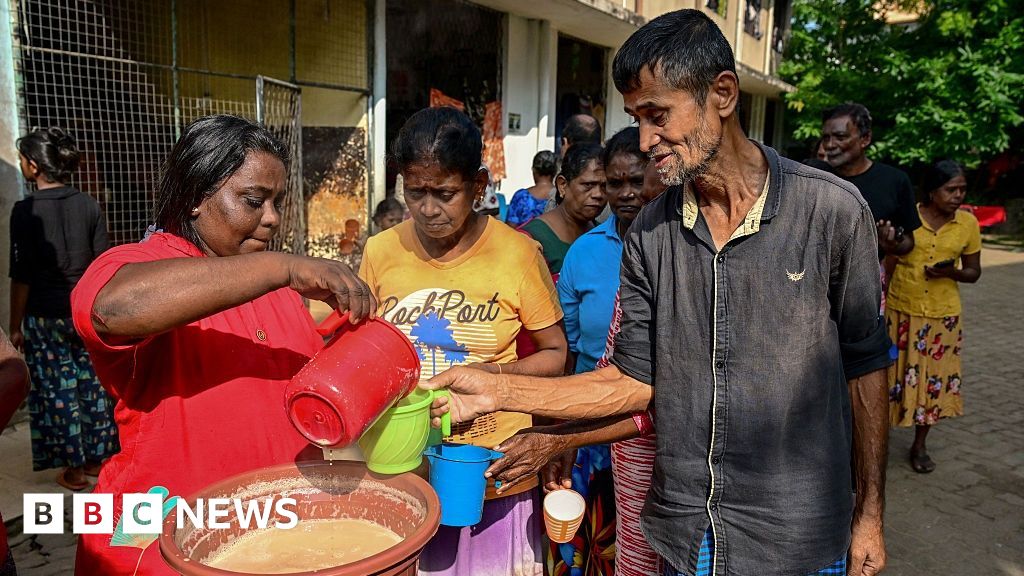
Within the country, grassroots activism has surged as communities rally to combat despair. In Colombo’s Wijerama neighborhood, volunteers—many previously involved in protests against the previous government’s economic mismanagement—are now channeling their energy into relief efforts, running community kitchens and organizing aid distribution.

  • Activists have compiled hundreds of requests for help, prompting a coordinated effort with authorities.
  • Volunteer groups have reactivated networks used during past crises, demonstrating a continuity of civil society’s resilience.

Despite the political discord at the national level, the people’s spirit of communal aid remains unbroken. Social media campaigns have created a public database of donations and relief needs, embodying a crucial shift from government-led to community-driven responses. As historians and analysts observe, this grassroots mobilization could serve as a template for future resilience, asserting the importance of civil society at a time when national institutions face scrutiny and criticism.

The international community continues to play a vital role, with foreign aid and humanitarian organizations providing critical supplies and expertise. Yet, the crisis in Sri Lanka also underscores the fragile geopolitics underscoring the region. With regional powers poised to influence recovery strategies, questions arise about how India, China, and Western nations will approach the evolving crisis—balancing aid, political interests, and regional stability. Historically, such environmental calamities have acted as catalysts for international intervention, but also as flashpoints for strategic competition, thereby reshaping the regional order.

As Sri Lanka faces an uncertain path to recovery, the lessons learned resonate far beyond its shores. The unfolding story of resilience amid chaos is a stark reminder that history is often written in moments of crisis, where societal bonds are tested and definitions of sovereignty are challenged. With each rescue, each act of solidarity, the island’s narrative blends into a larger tapestry of human endurance—yet the shadow of future storms looms large, urging the world to confront the reality that natural disasters are not on the decline, only escalating.

Indeed, the future hinges on whether nations will heed the warnings and act decisively or allow the currents of catastrophe and conflict to wash away the fragile hopes for stability. As history continues to unfold in Sri Lanka, the weight of the present demands that we recognize—

This is not merely a story of floods and rescue but a harbinger of the geopolitical shifts and societal transformations that define our era. The pages of history are turning, and it remains to be seen whether the forces of unity or division will dominate in this chapter of human resilience.

Hong Kong apartment blaze nearly contained as death toll hits 94—rescue efforts ongoing

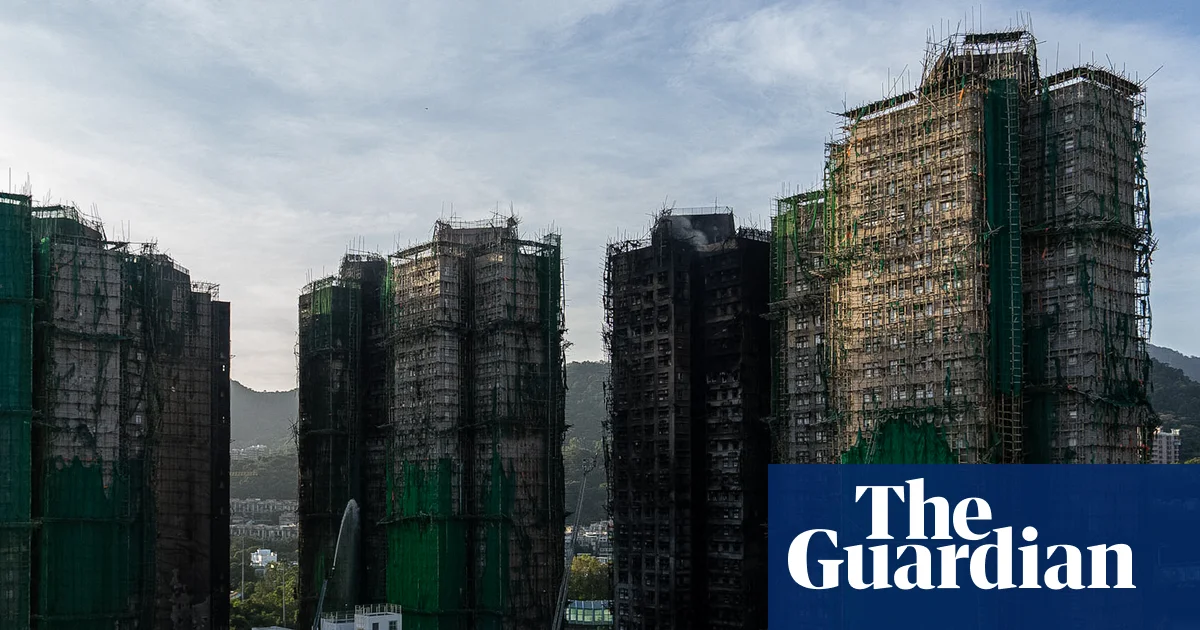
The devastating fire that swept through the Hong Kong housing complex in Tai Po has once again brought into focus the perilous state of urban safety standards amidst rapid development. With a death toll rising to 94 and over 250 still missing, this tragedy marks one of the deadliest fires in Hong Kong’s history in over 70 years. Rescue operations, which are now nearing their end, have uncovered harrowing details about the flames’ ferocity and the vulnerabilities inherent in densely populated, poorly regulated apartment complexes. This disaster underscores a broader dilemma facing many urban centers in the Asian-Pacific region, where modernization disproportionately outpaces safety enforcement.

Experts and international organizations have expressed concern that this tragedy reflects systemic issues rooted in the region’s construction and safety regulations. Analysts from the International Safety Council warn that without stricter enforcement, such accidents will remain commonplace. Investigators have focused capsule-like on the bamboo scaffolding, green mesh coverings, and the highly flammable styrofoam used in elevator window coverings—elements that significantly contributed to the fire’s rapid spread. The controversy over the construction materials highlights how cost-cutting and lax regulation can turn urban infrastructure into deathtraps. However, the most urgent question remains whether Hong Kong’s authorities will reform safety standards or continue to allow shortcuts that risk lives.

Amidst this chaos, Hong Kong’s government and officials from the construction oversight agencies are under intense scrutiny. Arrests have been made involving three employees linked to a company involved in the ongoing renovations. This incident has sparked wider debates about the efficacy of current fire safety laws. Critics point to the absence of mandatory flame-retardant regulations, emphasizing that current codes merely serve as guidelines rather than enforceable mandates. Lee Kwong-sing, chair of the Hong Kong Institute of Safety Practitioners, stated that turning these codes into legal requirements could serve as a crucial deterrent. This event is prompting calls for sweeping reforms within the construction sector—a sector where shortcuts can cost lives in a matter of minutes.

This tragedy dramatically illustrates the geopolitical impact of urban safety neglect, especially for a city like Hong Kong, known for its dense populace and economic prominence. How a society manages its urban environments reflects its respect for human life, and failure to adapt safety standards can lead to international criticism, damage to reputation, and heightened social unrest. Historically, urban fires such as the Great Chicago Fire and London’s Grenfell Tower tragedy serve as stark lessons—reminders that neglecting safety regulations publicly endangers entire communities and influences policy globally. As international observers monitor Hong Kong’s response, the world waits to see if this moment will catalyze a genuine overhaul of safety standards or if it will be yet another statistic in the ongoing tragedy of urban neglect.

In the shadow of flames and loss, history still unfurls—urging societies to heed the warnings of the past. If this disaster proves anything, it is that the spectacle of human tragedy can serve as a catalyst for meaningful reform or become yet another chapter in a pattern of ignored safety laws. As survivors and grieving families seek justice and accountability, the international community’s concern deepens—reminding us that in the race toward progress, neglect is an enemy that must be held at bay, lest history repeat itself at an even greater cost.

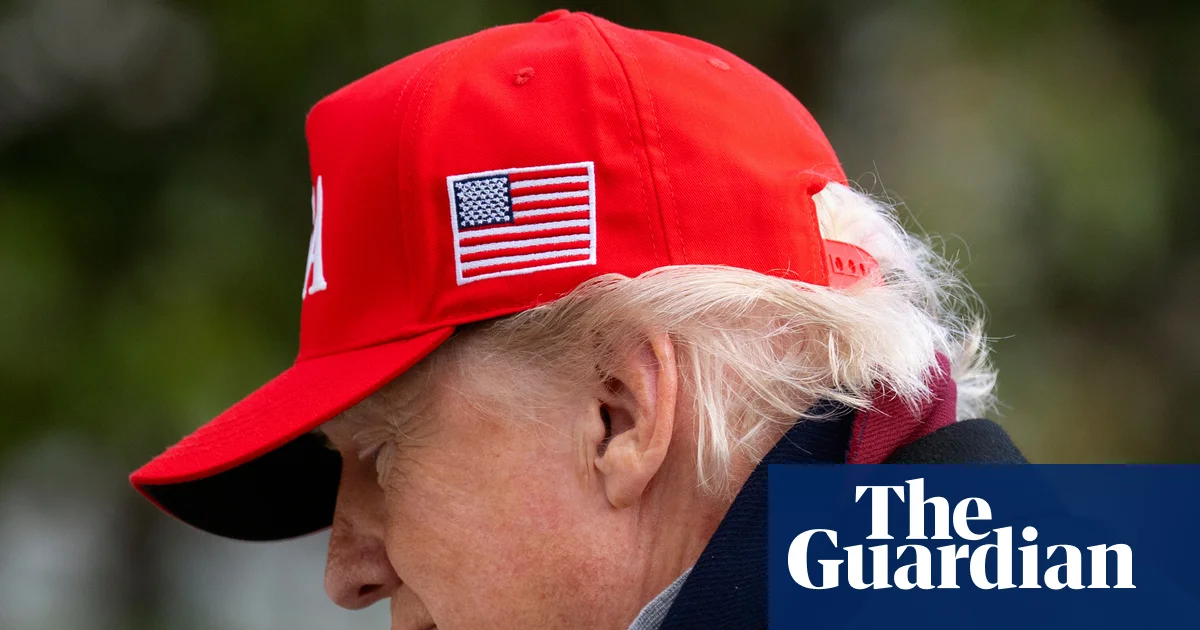
Trump blasts Ukraine’s lack of gratitude for peace efforts amid global talks

Global Power Play in Ukraine: A Tense Flashpoint with Lasting Consequences

In what could be a pivotal moment in international relations, recent developments surrounding the ongoing situation in Ukraine reveal an intricate web of diplomacy, suspicion, and geopolitical tension. As U.S., European, and Russian actors converge in Switzerland and Geneva to discuss peace negotiations, the world watches with bated breath. The core of this crisis lies not only in Ukraine’s sovereignty but in the broader contest for influence—an ideological and strategic struggle that threatens to redefine the post-Cold War security order.

Amidst the dialogue, claims from Donald Trump and other U.S. officials about a proposed “peace plan” have stirred controversy. Trump accused Ukraine of ingratitude for U.S. efforts, while European leaders, including Ursula von der Leyen and Friedrich Merz, sharply criticized parts of the plan that suggest Ukraine cede territory and limit its military capabilities. These demands—crafted, according to reports, by Kirill Dmitriev, a key Kremlin figure—pose a direct challenge to the core principles of Ukraine’s territorial integrity and NATO’s eastward expansion, which is seen by many Western analysts as essential for European stability. The plan’s language, reportedly translated from Russian, hints at Moscow’s enduring desire to roll back NATO’s post-1997 borders, echoing Putin’s pre-invasion rhetoric and ambitions to restore what he perceives as Russia’s rightful sphere of influence.

Deciphering the Geopolitical Impact: Who Shapes the Future?

  • On one side, the United States appears to be caught between supporting Ukraine’s sovereignty and internal political debate, exemplified by recent mixed messages from figures like Marco Rubio. While some senators suggest the plan is a Russian-inspired leak, others insist U.S. involvement, with “input” from Russia, was significant—highlighting the complex, often contradictory nature of Washington’s diplomacy in this crisis.
  • Meanwhile, European leaders emphasize that any peace arrangement must respect Ukraine’s borders and security. German Chancellor Friedrich Merz has expressed skepticism about an imminent agreement, cautioning against accepting demands that would undermine Ukraine’s sovereignty or set a dangerous precedent for other nations.
  • Russia’s ambition remains clear: force NATO’s military footprint back to its 1997 boundaries and undo the strategic security architecture established in the post-Cold War era. Putin’s call for NATO to withdraw from Baltic states and central Europe signals an attempt to reassert Moscow’s dominance—a move that threatens European stability and global security.

The international community, especially European nations, fears that acquiescing to Moscow’s demands would trigger a dangerous precedent, potentially encouraging territorial revisions by authoritarian regimes elsewhere. A senior European diplomat warned that accepting such a plan would undermine decades of diplomatic progress and embolden other revisionist states, creating a fragile, unpredictable global order. Historians like John Mearsheimer have long warned that concessions to revisionist powers can encourage future aggression, and current signals appear to confirm these fears.

How the Decision Shifts Societies and the Arc of History

The stakes extend far beyond military borders. If Ukraine is forced into concessions, it risks losing not only territory but also its sovereignty—something that would resonate deeply across Europe and the West. President Volodymyr Zelenskyy faces a tragic dilemma: to compromise on core national interests or to risk losing vital Western support. The result would be a divided Europe, where the principles of self-determination and security are compromised in favor of expedient peace—potentially repeating the dangerous appeasements of the interwar period.

Furthermore, the emerging international consensus underscores a stark reality: the future security architecture of the continent hinges on decisions made today. As analysts caution that Russia aims to turn back the clock decades, the global balance of power remains unsettled. The unfolding negotiations are more than simple diplomacy—they are the battlefield of ideas and influence, where the outcome will shape the geopolitical landscape for generations.

As history continues its relentless march, the world stands at a fragile crossroads—a place where the choices made now will echo through the annals of history. Will nations defend their sovereignty and uphold the principles that underpin stability, or will they succumb to pressures that could unravel the delicate fabric of peace? In this unfolding drama, the weight of future generations rests on the resolve of leaders to stand firm, knowing that the course of history has yet to be written, and the story of Ukraine’s resilience remains a poignant testament to the ongoing struggle for sovereignty and global stability.

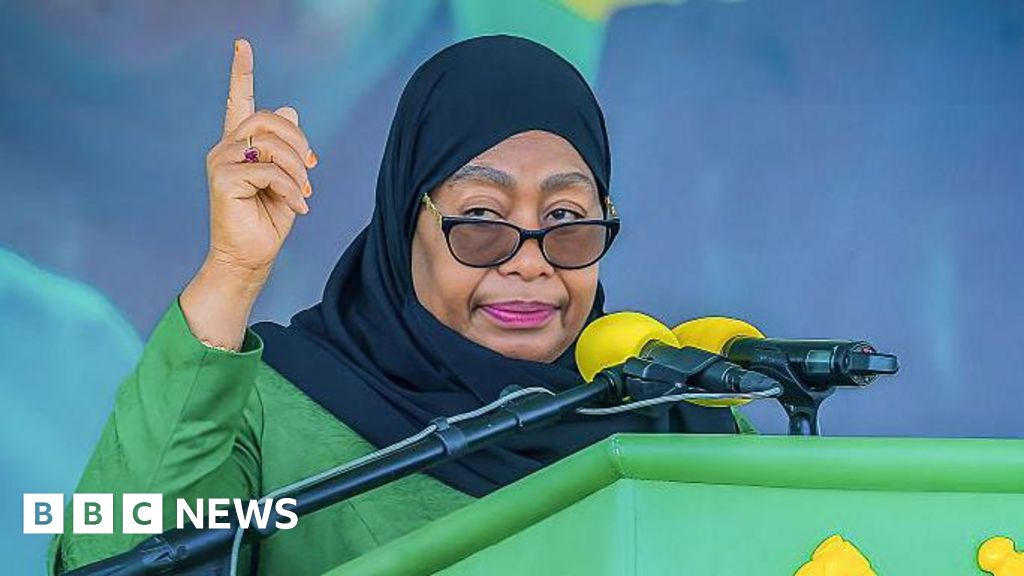
Samia Suluhu Hassan sworn in as president amid stability efforts

Global Watchdog Concerns Mount as Tanzania’s Controversial Election Sparks Violence and International Tensions

Tanzania has once again become a focal point for international scrutiny amid recent developments surrounding President Samia Suluhu Hassan’s re-election. Held under a cloud of controversy, the election has been branded by opposition parties and numerous international observers as neither free nor fair, casting a long shadow over the country’s political stability and its place within the broader regional geopolitics. The vote, which resulted in an impressive 98% victory for Hassan, was marred by violent clashes, an internet shutdown to obscure the aftermath, and reports of hundreds of deaths—an alarming sign of post-election breakdown and potential instability that resonates far beyond Tanzania’s borders.

International organizations such as the United Nations and European Union have raised serious questions about the legitimacy of the electoral process. While Tanzania’s authorities dismissed criticisms, asserting that the election was conducted in a “free and democratic” manner, credible reports from opposition sources and diplomatic channels point to a different reality. The opposition Chadema party, barred from participation, estimates that at least 800 people have lost their lives in violent protests, with others reporting a death toll exceeding 500. Such figures, if validated, signal a dire humanitarian crisis and underline the risks of unchecked government suppression, especially when dissent is silenced or ignored in the name of political stability.

Regional Dynamics and the Threat of Instability

The repercussions of Tanzania’s turmoil extend beyond its borders, impacting neighboring nations and regional stability. Leaders from Somalia, Zambia, Mozambique, and Burundi attended Hassan’s swearing-in, a display of political continuity and regional solidarity. Yet, beneath this veneer lies a fragile game of internal dissent and external influence. Reports suggest the government is casting blame on foreign nationals and motorbike operators for fomenting unrest, with specific references to Kenyan nationals missing under suspicious circumstances—a detail that feeds international concerns about potential cross-border destabilization and meddling.

The geopolitical impact of Tanzania’s crisis is multifaceted. As the East African nation’s future hangs in the balance, external actors like the European and United Nations are watching closely. Many analysts warn that if the government continues its heavy-handed approach, it risks prolonged instability that could destabilize the entire East African region, fueling refugee flows, cross-border conflicts, and economic downturns. The decision to firm up President Hassan’s rule amid unrest could set a dangerous precedent for other authoritarian regimes in the Global South, illustrating how a fragile political landscape can collapse under the weight of suppression and external scrutiny.

Historical Context and the Challenges Ahead

Since independence, Tanzania has been dominated by the Chama Cha Mapinduzi (CCM), which has never lost an election. The recent polls, however, exposed deep fissures within the political establishment, especially with key opposition leaders sidelined by legal and political obstacles. The detention of Tundu Lissu on treason charges and the exclusion of other candidates highlight a trend of narrowing political space justified by authorities as necessary for stability, but which critics argue merely cements an entrenched authoritarianism.

Titles from renowned historians and analysts, such as Professor David Anderson and international democracy watchdogs, warn that such suppression erodes the foundations of democracy and invites a cycle of violence and repression. The international community’s cautious response, emphasizing restraint and dialogue, underscores the precariousness of Tanzanian politics. As history continues to unfold in Dodoma, the weight of recent violence and the unresolved questions surrounding electoral legitimacy threaten to shape not only the country’s future but also the broader narrative of Africa’s political evolution. With history itself watching, Tanzania stands at a crossroads—an uncertain future that could either forge a fragile new path or succumb to the chaos that credibility and stability might never reclaim.

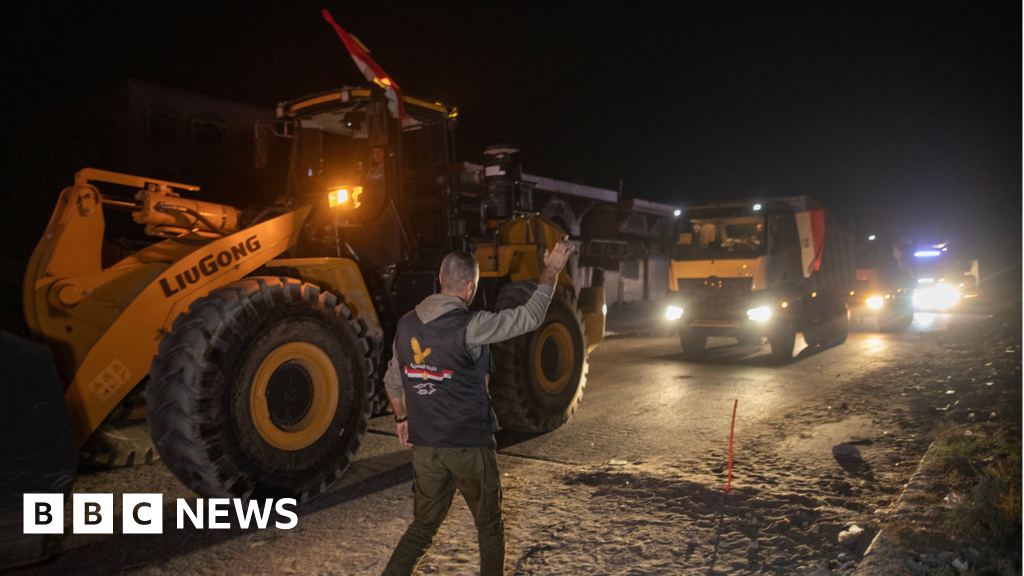
Egypt and Red Cross step up efforts to recover hostages’ remains in Gaza

In the ongoing saga of Gaza, geopolitical tensions have reached a critical point, with international players now deeply involved in a complex chess game of power, morality, and security. The recent development sees Egyptian teams and the International Committee of the Red Cross (ICRC) granted access to search for deceased hostages, a move that has significant how decisions affect nations and societies. This access comes after more than two years of devastating Israeli military operations and intense efforts to recover bodies buried beneath rubble, a grim reminder of the human toll inflicted in the name of security and sovereignty.

Under the recent US-brokered ceasefire agreement, Hamas has transferred 15 out of 28 deceased Israeli hostages, a first phase considered vital to restoring some semblance of humanity amid chaos. Yet, the situation remains fragile and politically charged, with tensions simmering over the retrieval of bodies and the question of justice for families on both sides. Warnings from global leaders like former President Donald Trump have signaled potential military escalation; he has warned Hamas that failure to return bodies quickly could provoke swift and decisive international action. Meanwhile, Israeli Prime Minister Benjamin Netanyahu asserts that Israel will control who enters Gaza, especially regarding a proposed international force aimed at securing the ceasefire. The Israeli government, in conjunction with the US, has revealed that Turkey has been vetoed from participating, underscoring the delicate balance of power and trust in diplomatic negotiations.

Analysts suggest any international intervention in Gaza is a double-edged sword; while it might help stabilize the region, it could also ignite further resistance and deepen divisions. Historians warn that the bottom line remains— until the root causes, including extremism and territorial disputes, are addressed, these cycles of violence will persist. With Gaza’s territory reduced to rubble—estimated by the UN to be up to 84%—the challenge of both rebuilding and reconciliation looms large. The renewed focus on the return of bodies, some of which Hamas claims are buried under bombed-out buildings, symbolizes the larger fight for dignity and truth in a land scarred by years of conflict and international neglect.

The unfolding events mark a grim chapter, yet history has demonstrated that the decisions made today in Gaza’s conflict could ripple for generations. As international organizations, leaders, and everyday citizens watch, the weight of history presses down with an undeniable significance: what happens in Gaza will determine the future of regional stability, the course of international diplomacy, and the very moral fabric of justice and security in the 21st century. Will diplomacy prevail over chaos? Or will the cycle of violence continue, forever echoing the unfulfilled promises of peace in a land torn by history? The answer remains uncertain, but the pages of history are being written in the blood and hope of those caught in the crossfire.

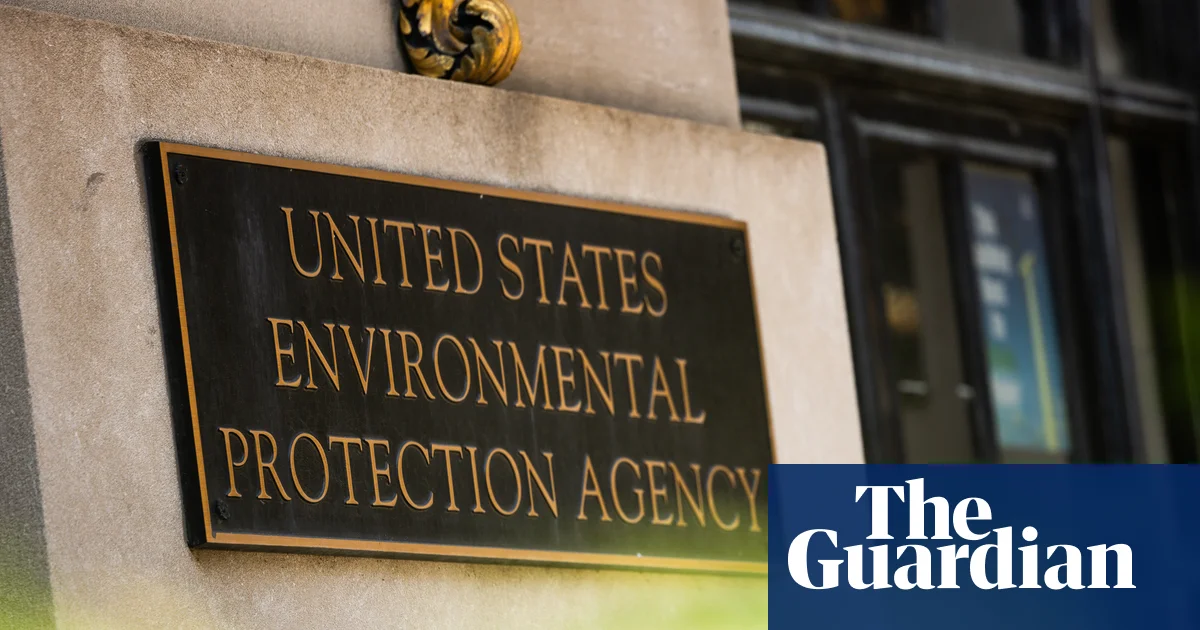
US Senate prepares to confirm industry insider to head EPA’s chemical safety efforts

In a move that signals America’s continued tilt towards industry dominance, the U.S. Senate is poised to approve the nomination of Douglas Troutman, a seasoned industry lobbyist, to lead the Environmental Protection Agency’s office of chemical safety. This appointment marks a critical juncture in American environmental policy, with potential repercussions reaching beyond national borders, as it consolidates industry influence within regulatory agencies. Troutman’s previous role as chief lobbyist for the American Cleaning Institute underscores the revolving door of industry interests shaping legislation at the expense of public health and environmental safety.

This appointment comes amid increasing concerns among health advocates and independent analysts who warn that the erosion of regulatory safeguards could undo years of progress in controlling toxic chemicals. Critics like Scott Faber from the Environmental Working Group paint a grim picture: “The lunatics are running the asylum, and industry is firmly in charge of chemical safety.” Faber and other experts argue that this shift favors deregulation at a perilous time, especially considering the legacy of loopholes exploited by industry giants after legislative rewrites of the Toxic Substances Control Act in 2016. Notably, the appointment signals a turning point where economic interests often overshadow the health and safety of consumers, workers, and vulnerable populations, potentially accelerating environmental degradation and public health crises.

Internationally, the geopolitical impact of this move extends beyond U.S. borders. The appointment indicates a broader shift towards trade and industry interests influencing not only domestic policy but also shaping America’s stance in global environmental negotiations. Several experts warn that the weakening of regulations on chemicals like PFAS, often called “forever chemicals,” could contribute to contaminating water supplies worldwide, especially as the U.S. remains a key player in international markets. The actions of agencies like the EPA serve as a bellwether for other nations, potentially emboldening regimes to relax their own chemical safety rules and undermining international treaties aimed at controlling hazardous substances.

Historian and policy analysts warn that history often repeats itself in these situations, cautioning that dismissing scientific expertise in favor of industry interests results in environmental disasters and societal harm. As global institutions like the United Nations and European Union grapple with regulating toxic chemicals, the U.S. appears poised to retreat from leadership in environmental stewardship. With public health and climate resilience hanging in the balance, the decisions made today will reverberate through generations. The weight of history presses down on policymakers and citizens alike—while the curtain rises on the next act of this unfolding drama, the world watches with bated breath, aware that the outcome could shape the course of civilization itself. The question remains: will the legacy be one of foresight and responsibility, or one of shortsighted greed that consigns future generations to a poisoned earth?

Social Media Auto Publish Powered By : XYZScripts.com